


Hilly Paige: What ESC 2026 Taught Us About LDL-C Management
Hilly Paige, Chief Innovation Officer at the Family Heart Foundation, shared a post on LinkedIn:
“National Cholesterol Education Month is off to a great start with so much great lipid data presented at ESC 2026 in Munich! Some personal key takeaways related to management of LDL-C:
1) Atherosclerosis is silent, prevalent, and diffuse!
Beautiful analysis published in NEJM which examined the prevalence of atherosclerosis in almost 17,000 people using carotid, femoral, and coronary imaging. Mean age of the population was 45 years and 51% were women (hooray!).
Silent atherosclerosis was present in 57% of individuals and in less than 10% of cases was it only present in the heart (coronaries).
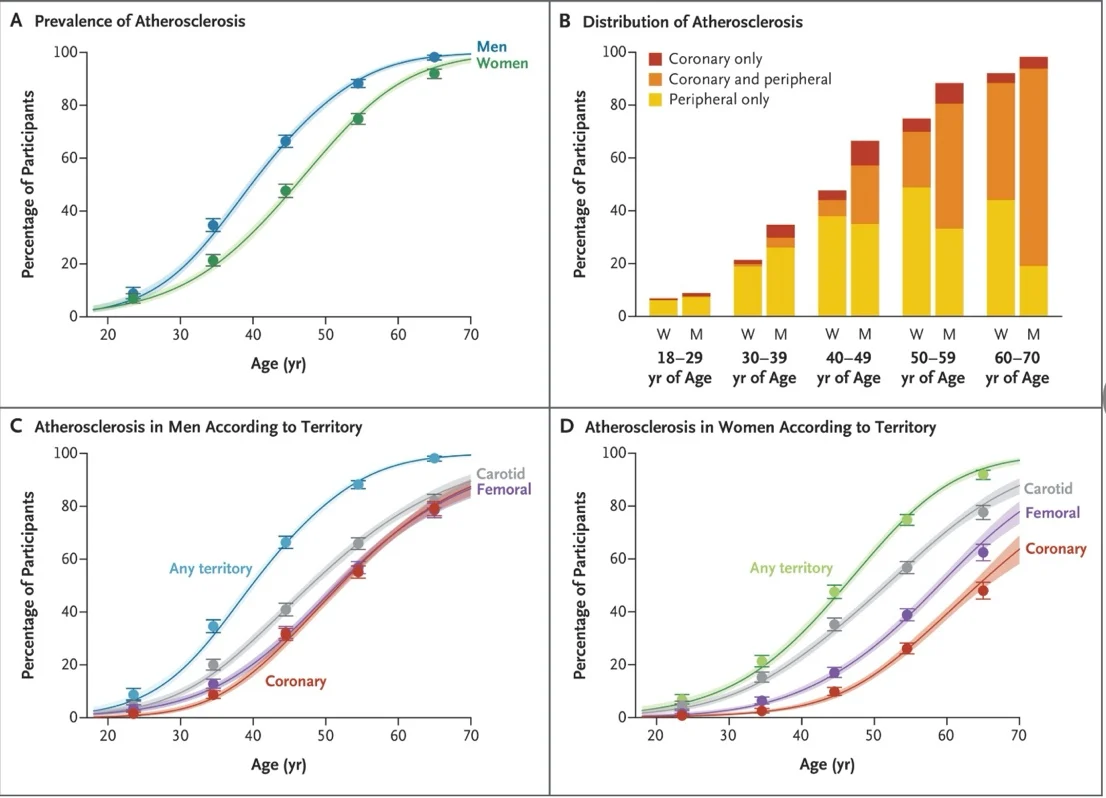
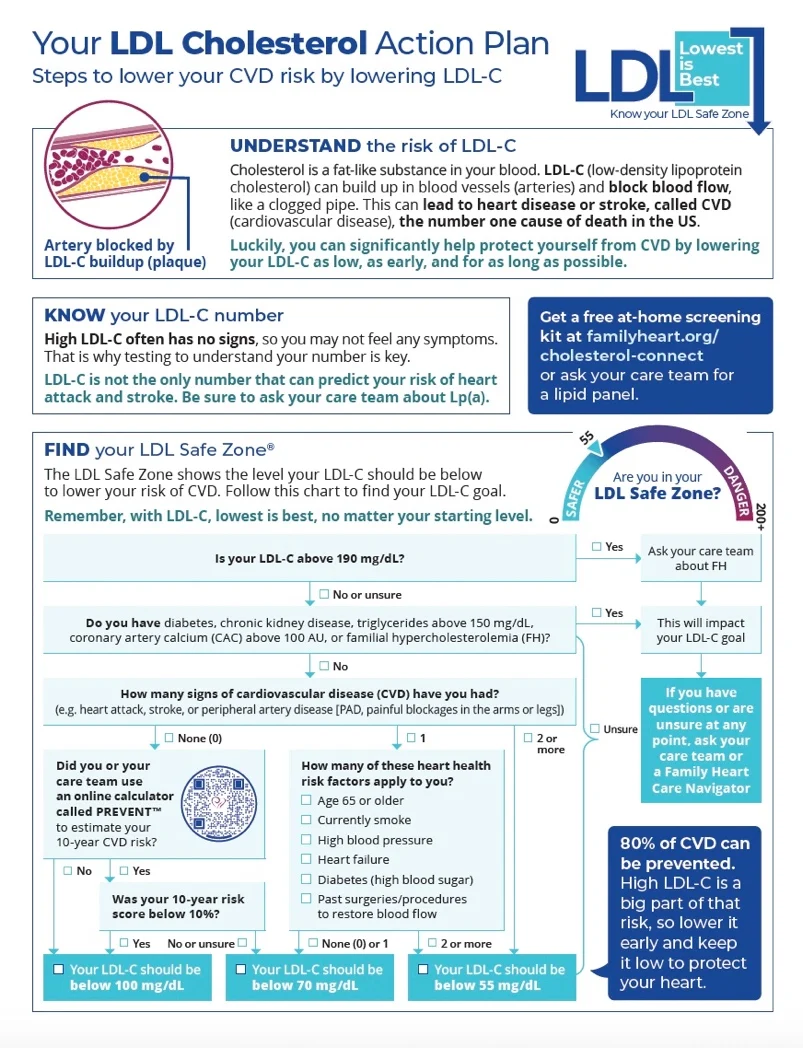
You may not feel it, but atherosclerosis is highly prevalent. LDL-C is a key driver of atherosclerosis and so keeping you LDL in the Safe Zone is key. Need help determining your personal LDL Safe Zone?
Check out this handy resource from the Family Heart Foundation․
2) Repatha (evolocumab) surmounts the highest bar
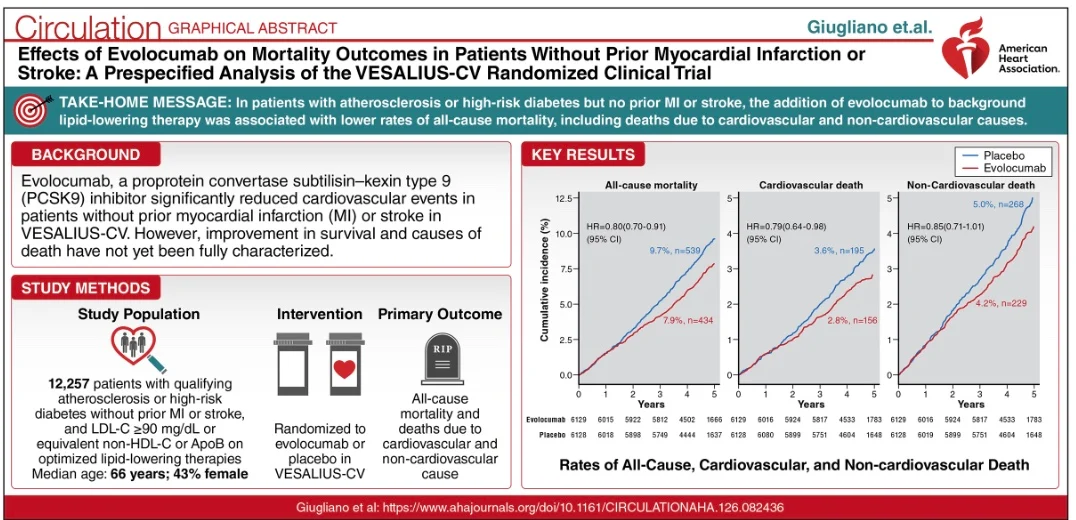
Very few lipid trials in the past 30 years have demonstrated a statistically significant total mortality benefit and as the standard of care gets better, the bar keeps getting higher.
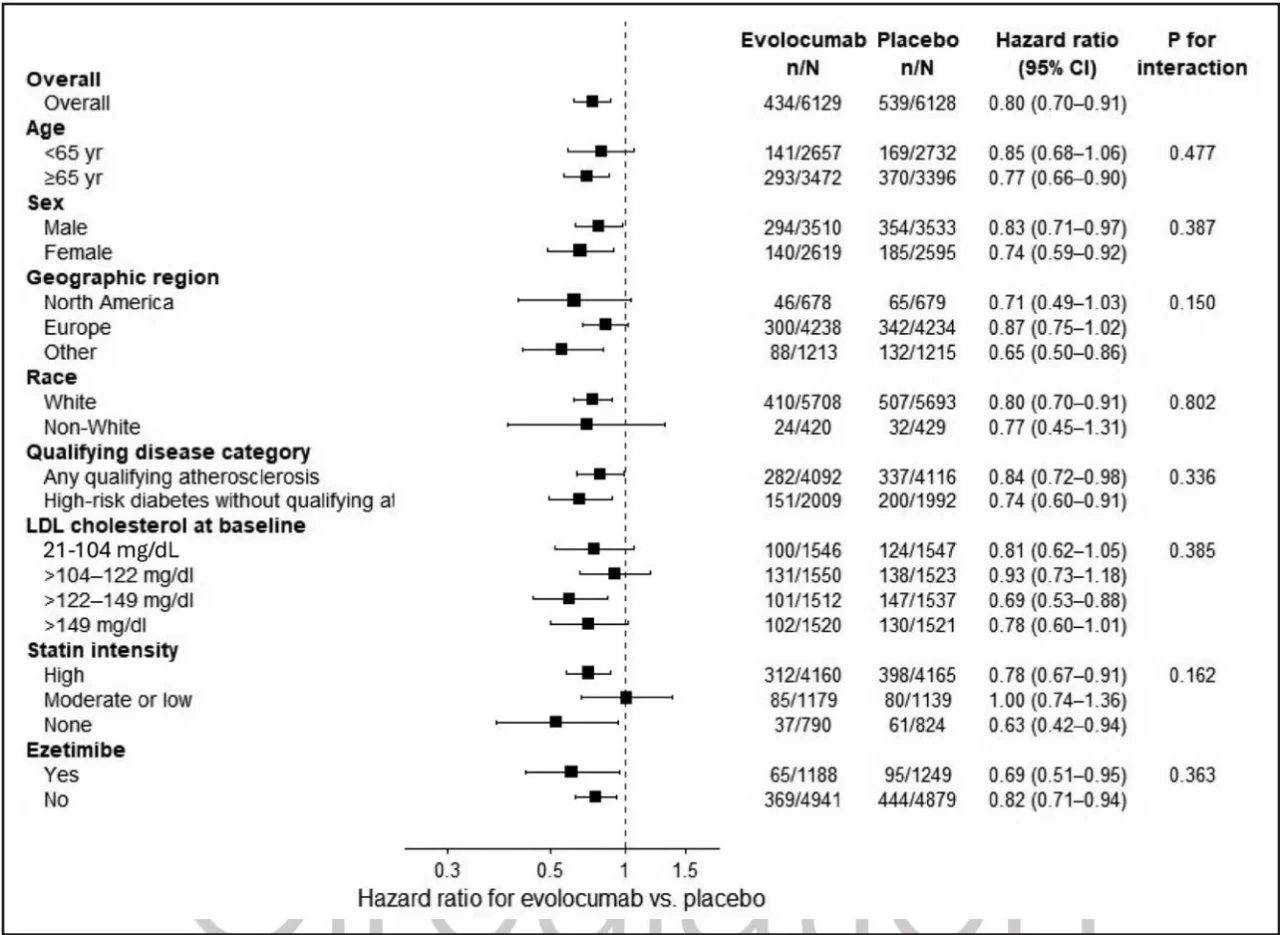
That is what makes the 20% total mortality benefit seen in the Vesalius-CV study so impressive, as over 70% of participants were already taking high intensity lipid lowering therapy at baseline.
Importantly, the results were consistent regardless of age, sex, region, race, qualifying atherosclerosis or high-risk diabetes, baseline low-density lipoprotein-cholesterol, or background lipid therapy.
A home run for aggressive LDL-C lowering in high-risk primary prevention!
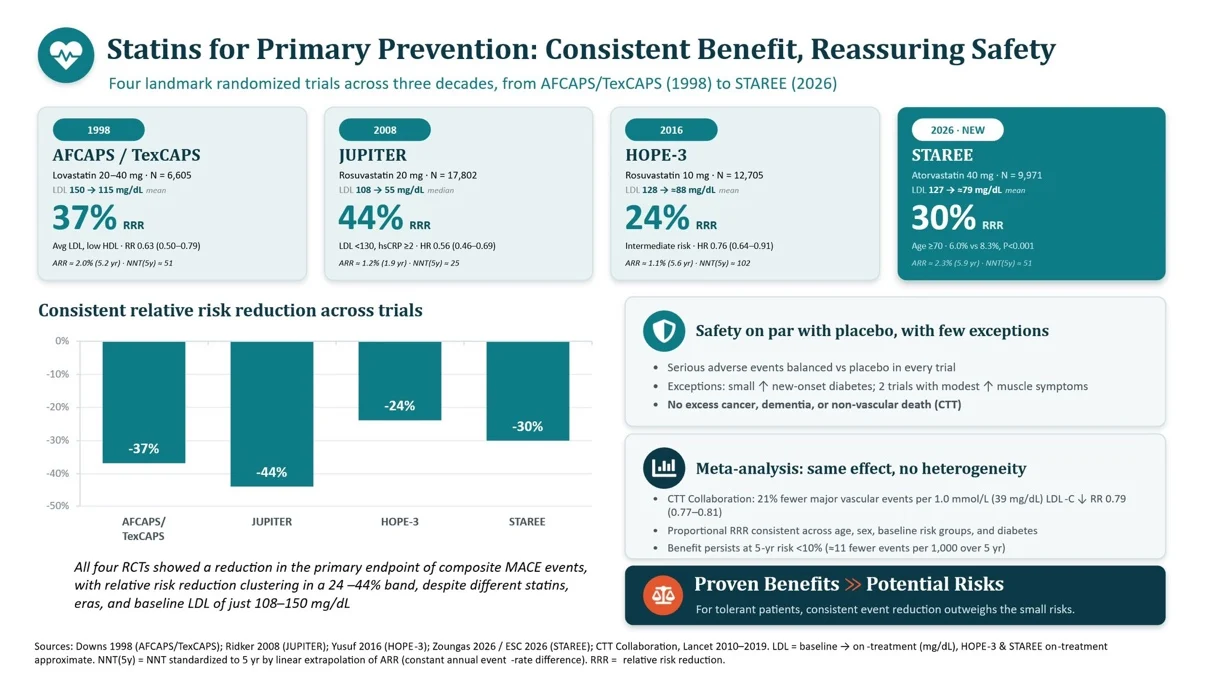
3) Statins solidify their foundational place in primary prevention of CVD, now extended to the elderly
The STAREE trial published in NEJM provided yet more evidence of the powerful role of statins in safely preventing CV events.
Nearly 10,000 people more than 70 years (avg age 74.7; 52% women) were randomized to atorvastatin 40mg or placebo and follow-up for nearly 6 years.
The statin-treated groups had a 30% reduction in cardiovascular events and serious adverse events were no different from placebo.
No mortality benefit though (see above) but the LDL-C was only reduced to an average of 79mg/dL in the statin group, versus the 45mg/dL achieved in the Repatha group in Vesalius-CV.
4) Standard of care? Standard of poor care!
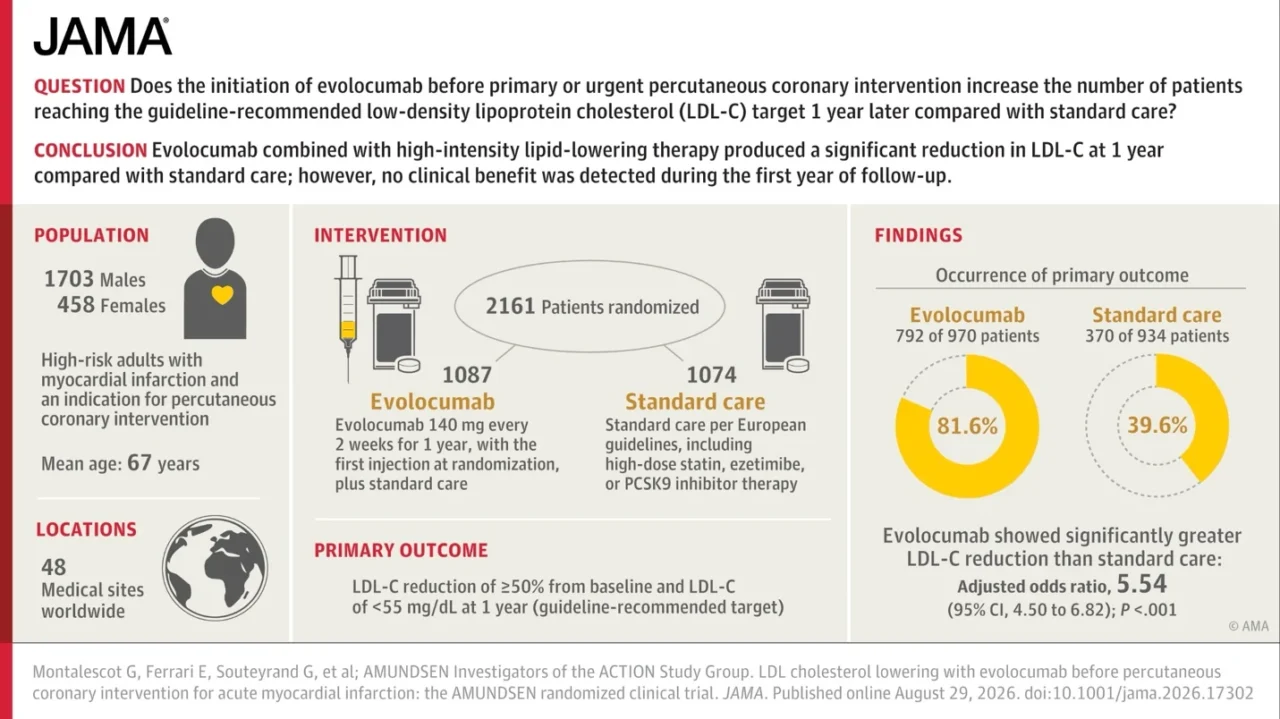
The AMUNDSEN trial was an interesting, if significantly underpowered trial.
The excellent accompanying editorial from Dr. Kausik Ray pointed out many of the trial challenges but what was most striking to me was that in the ‘standard of care’ group, only 40% of people with an acute MI achieved the guideline recommended LDL-C target of less than 55mg/dL at 1 year, versus 82% in the Repatha-treated patients.
These are people enrolled in a clinical trial, being treated at academic medical centers according to the latest guidelines, and the treating clinicians could use any of the tools in the toolbox to achieve that target – ‘Standard care followed European guidelines; when the LDL-C target was not reached with oral antilipidemic drugs (high-dose statin, ezetimibe, bempedoic acid) in the control group, PCSK9 inhibitors could be used according to their indication in each participating country.’
Similar to the VICTORION-Initiate trial with inclisiran published a few years ago, ‘standard of care’ is truly sub-optimal care and aggressive strategies employing early use of combination lipid therapy need to be pursued in order to combat clinical inertia and increase the chance of achieving proper LDL-C control.
These exciting data from ESC 2026 helped get Cholesterol Education Month off to a flying start.
To celebrate this important month, the Family Heart Foundation has also updated their LDL Safe Zone website – check it out today.”
Stay informed with Hemostasis Today.
-
Oct 18, 2026, 00:07Irem Karaman Sebin: The Evidence Favoring Warfarin in High-Risk Antiphospholipid Syndrome
-
Oct 18, 2026, 00:07Emma Stevens: Lighting Up Buildings in Red and Blue for World Thrombosis Day
-
Oct 17, 2026, 23:18Maha Othman: Establishing ISTH-BAT Reference Ranges for Children and Adolescents
-
Oct 17, 2026, 17:27John Strouse: Building Standards for Whole-Person Sickle Cell Care Through Collaboration
-
Oct 17, 2026, 17:20Jean-Jacques Kiladjian: Exploring the Future of Polycythemia Vera Treatment at MPN Horizons 2026
-
Oct 17, 2026, 17:10Habib Bennaceur: Strengthening Collaboration in Haemophilia, Sickle Cell Disease and Thalassaemia in India
-
Oct 17, 2026, 16:58Danny Hsu: Building Connections at the AUSNBled Collaborative Dinner in Auckland
-
Oct 17, 2026, 16:48Kalyan Roy: Enhancing Patient Experience Through Learning and Collaboration
-
Oct 17, 2026, 16:43Wilfried Dinh: Antiplatelet Therapy in 2026: Duration is Becoming a Dynamic Decision