


Mou Nandi: How Maternal Health During Pregnancy May Shape Infant Development
Mou Nandi, Co-Founder and CEO at Monere, shared a post on LinkedIn:
“A mother’s health during pregnancy may shape a child’s development in ways we are still learning to understand. In earlier posts, I shared research on maternal anemia and infant brain development.
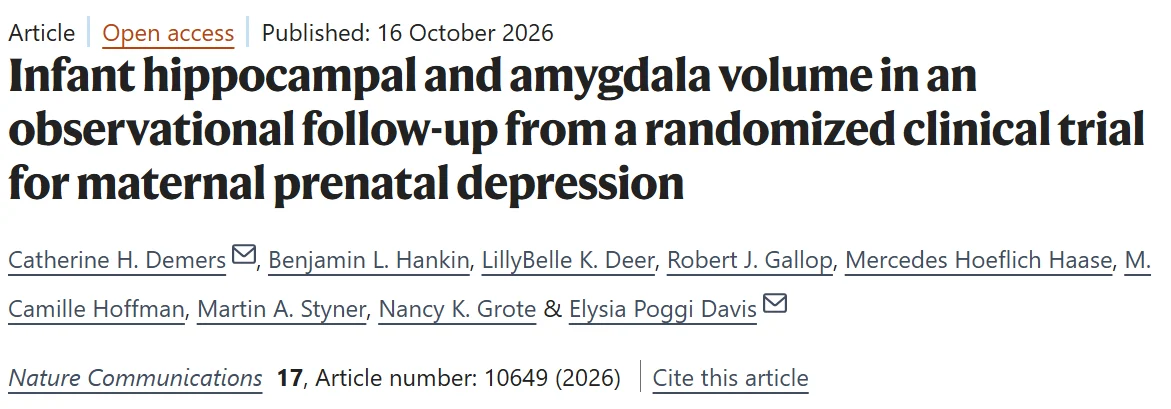
A new paper in Nature Communications adds another dimension: maternal depression and the potential significance of treatment during pregnancy.
Researchers followed 109 infants whose mothers had participated in a randomized trial comparing brief interpersonal psychotherapy with enhanced usual care for prenatal depression.
The infant follow-up included MRI at approximately six weeks and a behavioral assessment at six months.Infants of mothers assigned to psychotherapy had smaller right hippocampal volumes, with a moderate effect size.
There were no statistically significant differences in the left hippocampus or the amygdala. Smaller hippocampal volumes were associated with lower observed negative emotionality at six months.
That deserves careful interpretation.
Brain volume is not a simple measure where bigger always means better.
The brain region, developmental timing, and relationship to later functioning matter.
These were exploratory infant outcomes. The study does not establish lasting developmental benefits, and the biological mechanisms remain unresolved.
But it raises an important question: how might timely care during pregnancy influence health across generations and what does this have to do with the hemoglobin assessment we are building at Monere?
Hemoglobin carries oxygen to tissues throughout the body, supporting cellular energy production. During pregnancy, oxygen from maternal blood passes across the placenta into the fetal circulation, supporting growth and organ development.
There is also research connecting anemia and iron deficiency with maternal mental health. A study of 450 women in their third trimester found higher depressive symptom scores among those with anemia.
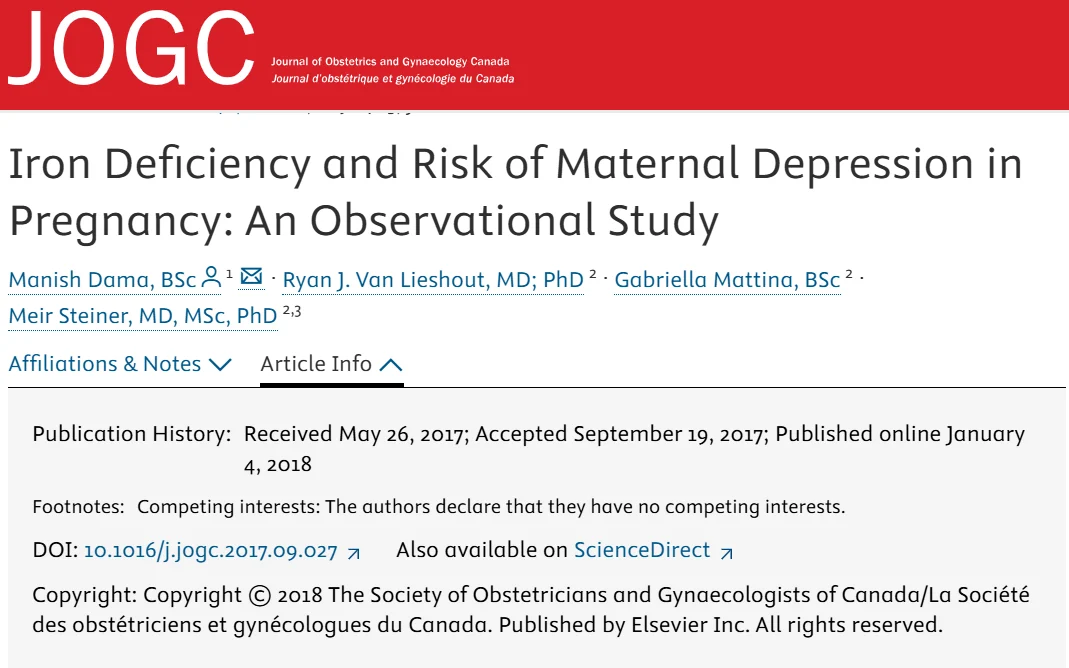
Another study of 142 pregnant women found approximately 2.5 times the adjusted odds of screening positive for depression among those with iron deficiency.The evidence is mixed.
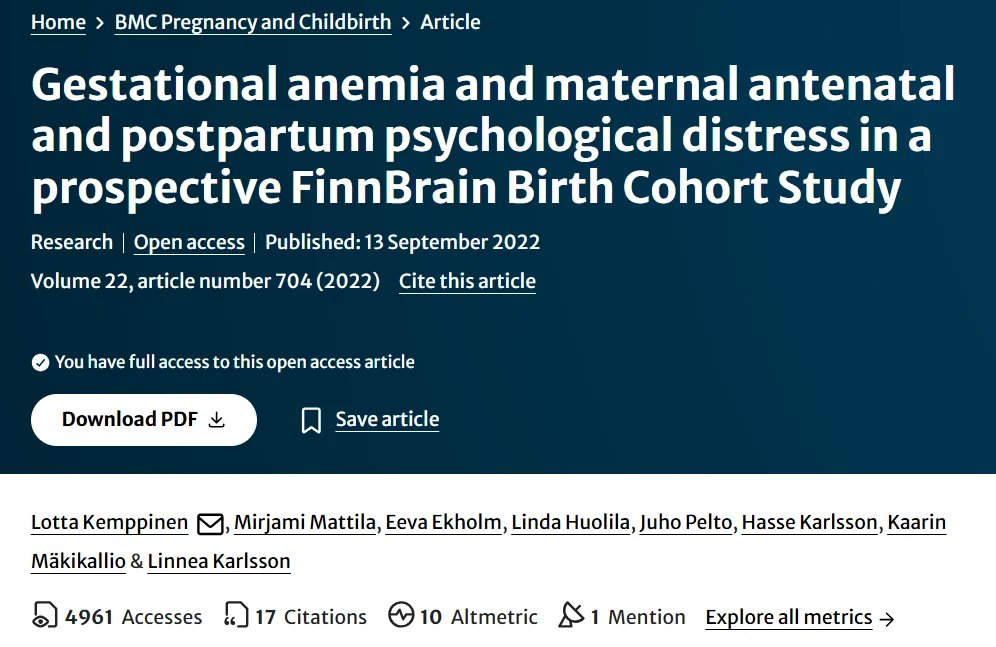
A larger Finnish cohort found no association between gestational anemia and depression.
Iron deficiency and anemia are also distinct: iron deficiency can exist before hemoglobin falls. My takeaway is that we need to understand these overlapping conditions together, including nutrition, mental health, social support, and changes over the course of pregnancy.
At Monere, we are working to make hemoglobin assessment more accessible using a smartphone camera, helping identify possible anemia earlier and supporting confirmatory testing, further evaluation, and appropriate care. Women deserve timely care for their own health and well-being.
Understanding the possible implications for their children makes that responsibility even greater.References in the comments.”
Title: Infant hippocampal and amygdala volume in an observational follow-up from a randomized clinical trial for maternal prenatal depression
Authors: Catherine H. Demers, Benjamin L. Hankin, LillyBelle K. Deer, Robert J. Gallop, Mercedes Hoeflich Haase, M. Camille Hoffman, Martin A. Styner, Nancy K. Grote, Elysia Poggi Davis
Read the Full Article on Nature Communications
Title: Relationship between anemia and depressive mood in the last trimester of pregnancy
Authors: Elif Yılmaz, Zehra Yılmaz, Bülent Çakmak, İsmail Burak Gültekin, Yasemin Çekmez, Selma Mahmutoğlu, Tuncay Küçüközkan
Read the Full Article on The Journal of Maternal-Fetal and Neonatal Medicine

Title: Iron Deficiency and Risk of Maternal Depression in Pregnancy: An Observational Study
Authors: Manish Dama, Ryan J. Van Lieshout, Gabriella Mattina, Meir Steiner
Read the Full Article on JOGC
Title: Gestational anemia and maternal antenatal and postpartum psychological distress in a prospective FinnBrain Birth Cohort Study
Authors: Lotta Kemppinen, Mirjami Mattila, Eeva Ekholm, Linda Huolila, Juho Pelto, Hasse Karlsson, Kaarin Mäkikallio, Linnea Karlsson
Read the Full Article on BMC Pregnancy and Childbirt
Stay updated with Hemostasis Today.
-
Oct 20, 2026, 03:13Sumyea Kabir: Pre-Analytical Quality in Phlebotomy – Preventing In Vitro Hemolysis
-
Oct 20, 2026, 02:37M. Sekip Altunkan: Can Anticoagulation Be Safely Stopped After AF Ablation?
-
Oct 20, 2026, 02:26Ahmed Ammar: Managing VT Recurrence Post-Ablation
-
Oct 20, 2026, 01:43Oliver Weingärtner: Deprescribing of Lipid Lowering Drug after MI is Associated with Cardiovascular Events
-
Oct 19, 2026, 19:44Where You Live Should not Determine Whether You Receive Care – World Federation of Hemophilia
-
Oct 19, 2026, 19:42Belen Bianco: Prevention, Early Suspicion and an Interdisciplinary Approach Save Lives
-
Oct 19, 2026, 19:40Christina Chrysohoou: Catheter-Based LAAC vs OAC for Stroke Prevention in Atrial Fibrillation
-
Oct 19, 2026, 19:38Matthew Flick: A Two-Day Research Meeting on Fibrinogen, Hemostasis and Thrombosis
-
Oct 19, 2026, 19:37Hayat Saeed: Excited to Share Our Publication on the FGL1–Hepcidin Axis in Iron Homeostasis and Disease