


Michela Milani: WFH New Technology and Gene Therapy Workshop 2026
Michela Milani, Project Leader at San Raffaele Telethon Institute For Gene Therapy, shared a post on LinkedIn:
“What an inspiring experience at the WFH New Technology and Gene Therapy Workshop!
An incredible opportunity to explore the latest advances in hemophilia research, discuss emerging therapeutic strategies, and exchange perspectives on the challenges and opportunities ahead.
It was particularly exciting to engage in stimulating scientific discussions with leading researchers and experts in the field, sharing ideas, insights, and visions for the future.
Events like this are a great reminder of how scientific exchange and collaboration are essential to driving innovation and advancing treatment options for people living with hemophilia.
A huge thank you to the organizers for inviting me.”
Maria Elisa Mancuso, Professor of Medicine at Frankfurt University Hospital, Medical Specialist at Humanitas Research Hospital, shared a post on LinkedIn:
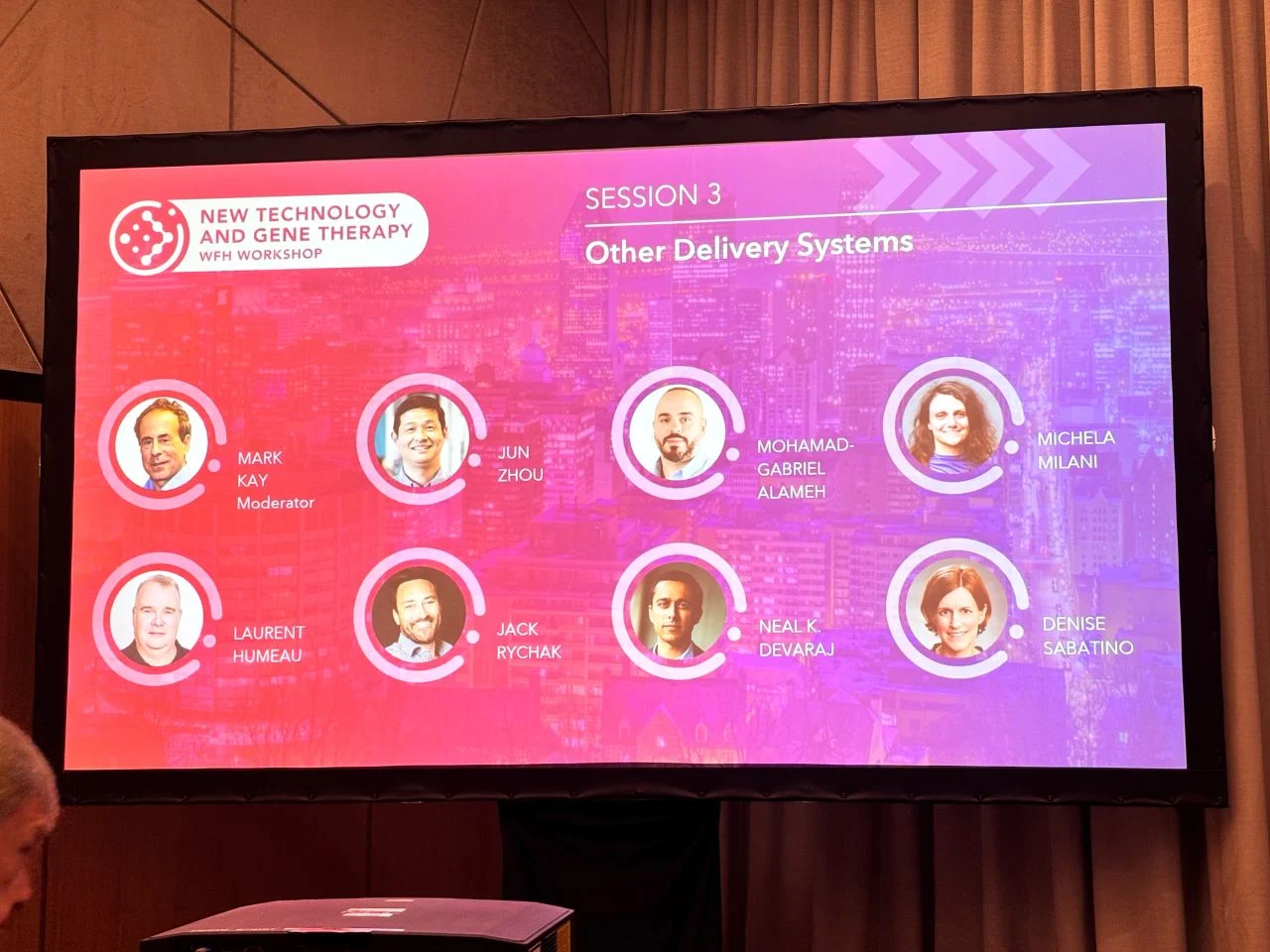
“WFH New Technology and Gene Therapy Workshop 2026 | Session 3 – Other Delivery Systems
Beyond conventional AAV gene therapy: exploring new frontiers in gene delivery for hemophilia.
An exciting and scientifically rich session, moderated by Mark A. Kay, highlighting innovative technologies that may overcome current limitations of gene therapy and open new therapeutic opportunities.
- Jun Zhou presented engineered retrotransposon systems as a promising approach for targeted genomic integration and potentially durable gene expression.
- Mohamad-Gabriel Alameh explored lipid nanoparticles (LNPs) and their potential for targeted delivery of nucleic acids and gene-editing tools.
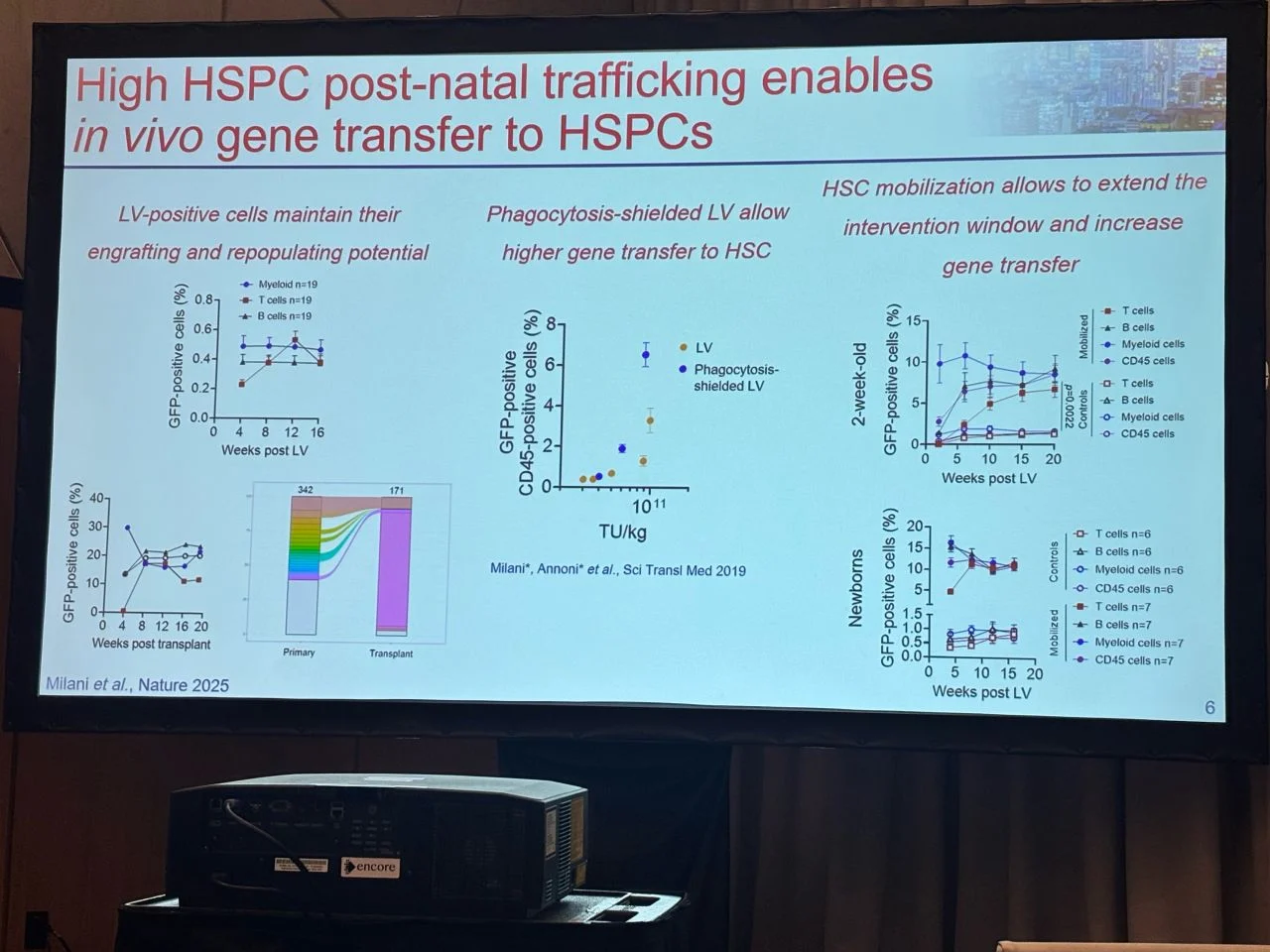
- Michela Milani discussed in vivo targeting of hematopoietic stem cells, including lentiviral vector-based strategies that could expand the possibilities of gene therapy beyond conventional liver-directed approaches.
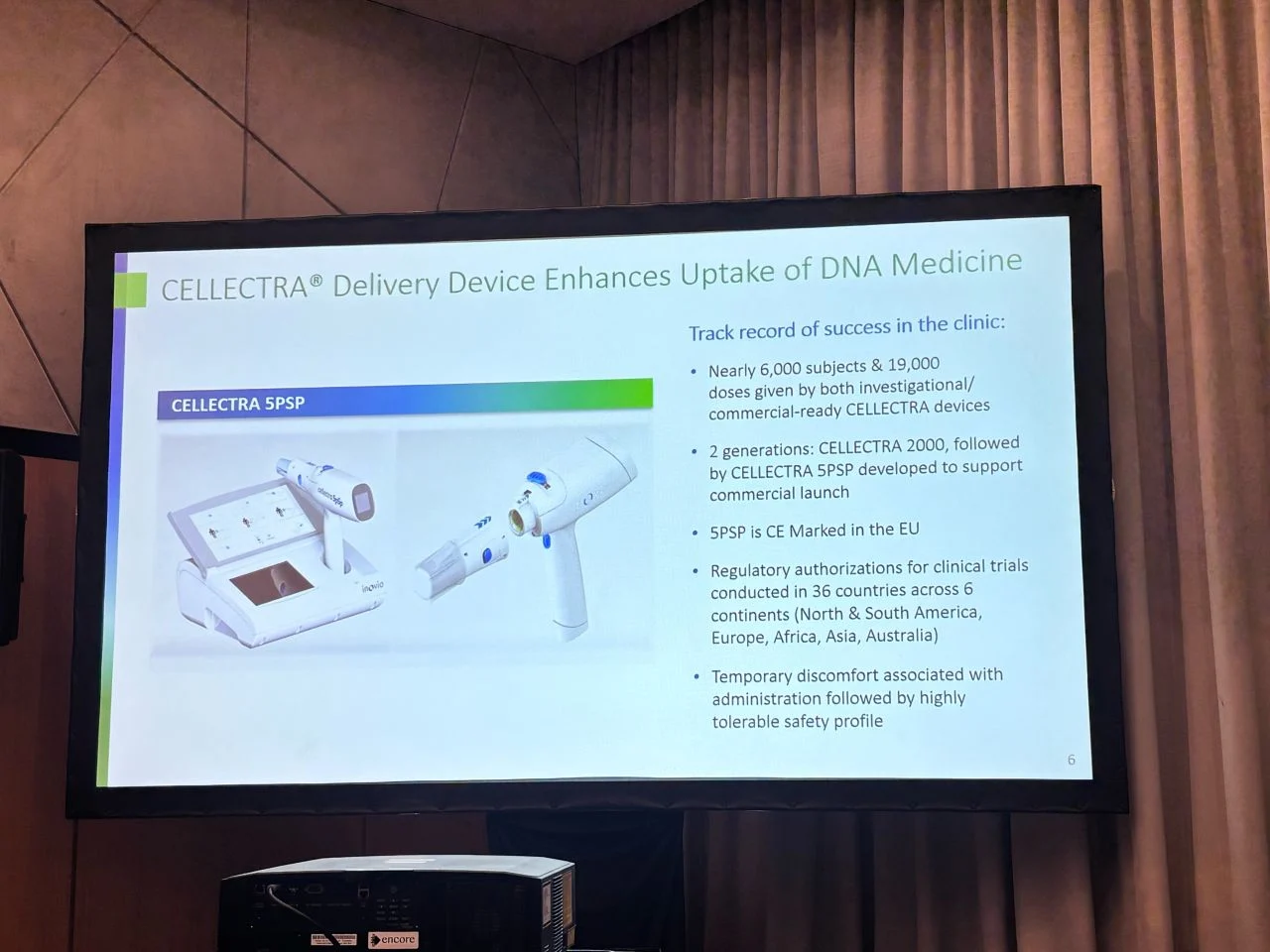
- Laurent Humeau presented INO-D001 for hemophilia A, highlighting DNA-based therapeutic strategies and electroporation-enhanced delivery.
- Jack Rychak explored ultrasound-mediated delivery of FVIII, an innovative approach with potential implications for targeted and repeatable treatment.
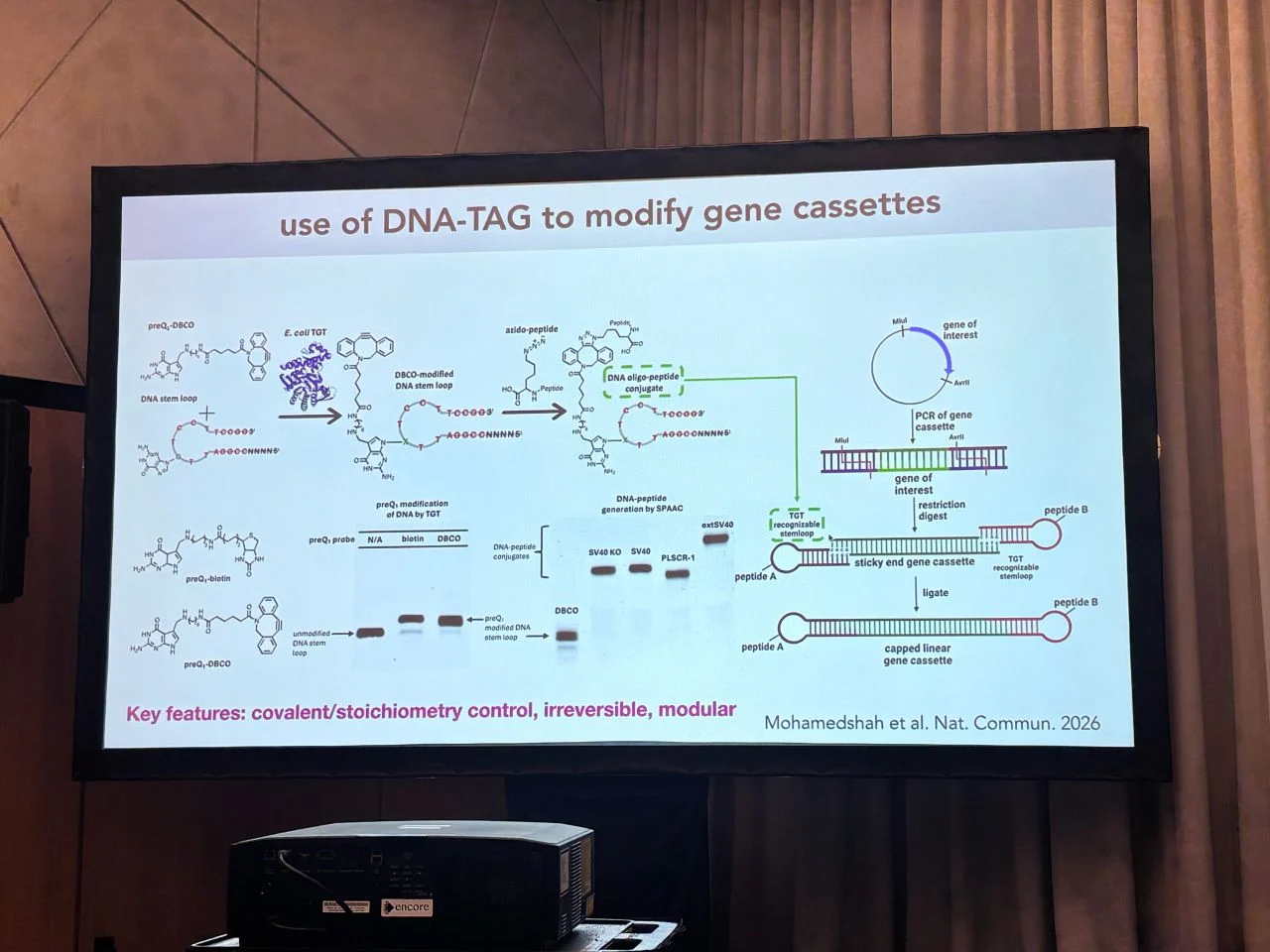
- Neal Devaraj introduced DNA–peptide conjugates designed to improve gene expression in growth-arrested cells, illustrating new possibilities in molecular delivery engineering.
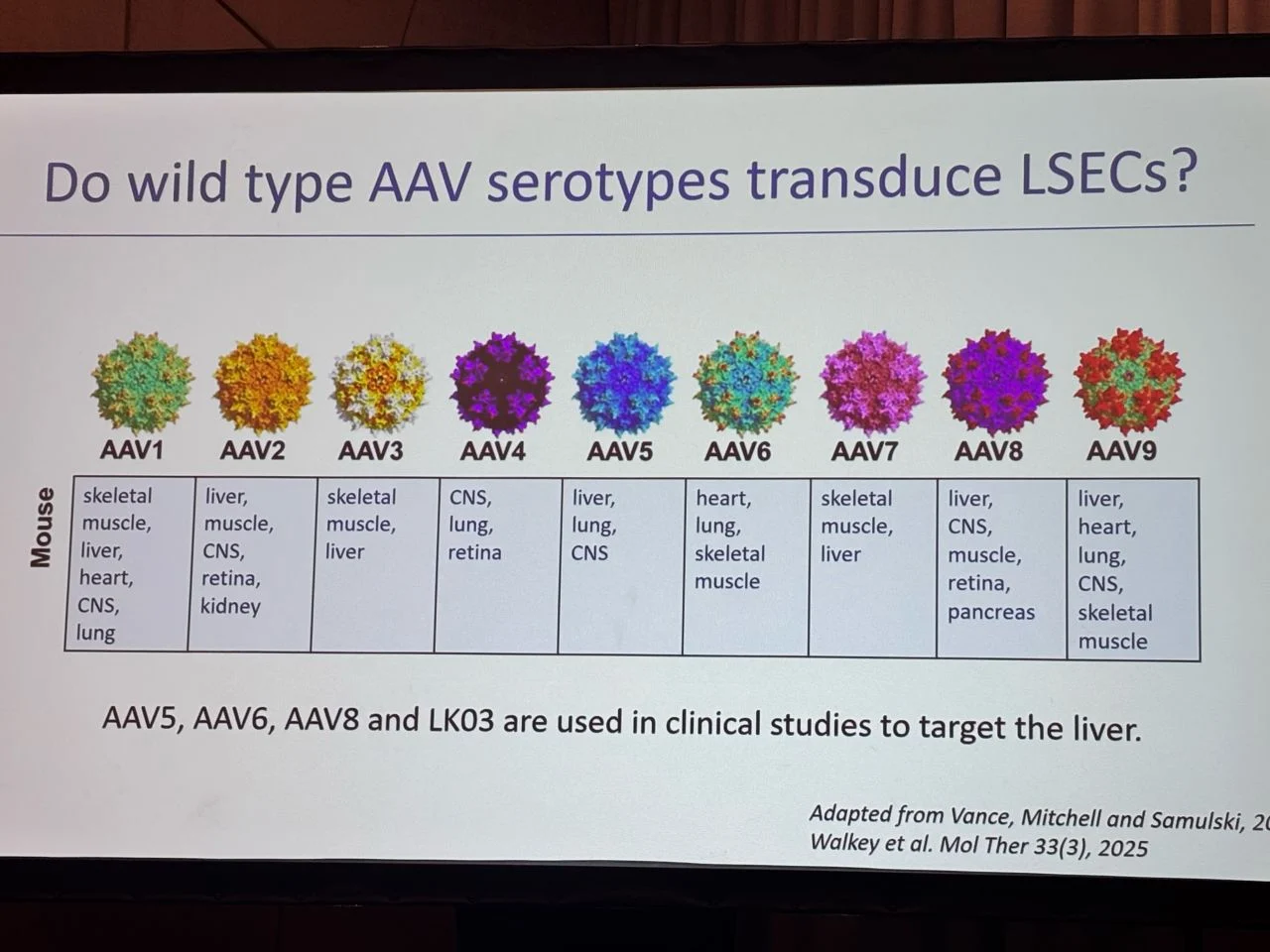
- Denise Sabatino presented bioengineered AAV capsids targeting liver sinusoidal endothelial cells (LSECs), the physiological site of FVIII synthesis, with encouraging preclinical results for improved cell-specific transduction.
The key takeaway?
The future of hemophilia gene therapy will depend not only on what we deliver, but also on how, where, and how often we can deliver it.
From non-viral platforms to targeted viral vectors, these complementary technologies may help improve the precision, durability, safety, and flexibility of future therapies.
An inspiring demonstration of the creativity and diversity of approaches driving the next generation of genetic treatments for bleeding disorders.”
Stay updated with Hemostasis Today.
-
Nov 25, 2026, 05:37Ross Baker: How a WA Health Innovation is Changing Women’s Blood Health
-
Nov 25, 2026, 02:17Ahmad G. Alzahrani: Why Iron Is Low Despite High Ferritin in Inflammatory Anemia?
-
Nov 24, 2026, 15:57100 Years of von Willebrand Disease – From VWF Structure to Clinical Management and Future Directions – Seminars in Thrombosis and Hemostasis
-
Nov 24, 2026, 15:46Matthew Hazell: Rare Blood – Connecting Science with the Patient Experience
-
Nov 24, 2026, 15:23Cold Agglutinin Disease: Beyond Hemolysis Toward Complement-Directed Treatment
-
Nov 24, 2026, 15:19Essama Telli: Recognizing Retiform Purpura as a Sign of Vascular Injury and Thrombosis
-
Nov 24, 2026, 15:11Kerstin Piayda: University Hospital Giessen Performs Europe’s First PE Procedure With Lightning Flash 3.0
-
Nov 24, 2026, 14:55Cecilia Kretz: Evaluating Aspirin-Free Antithrombotic Strategies in HeartMate 3 Patients
-
Nov 24, 2026, 14:54The Future of Global Hemophilia Care and the Impact of the World Health Assembly Resolution