


Dr. Venkatesh BS: The Enigma of Hemophagocytic Lymphohistiocytosis
Dr Venkatesh BS, Transplant Surgeon at CareVue Health, posted on LinkedIn:
”When the Immune System Turns on Itself: The Enigma of HLH
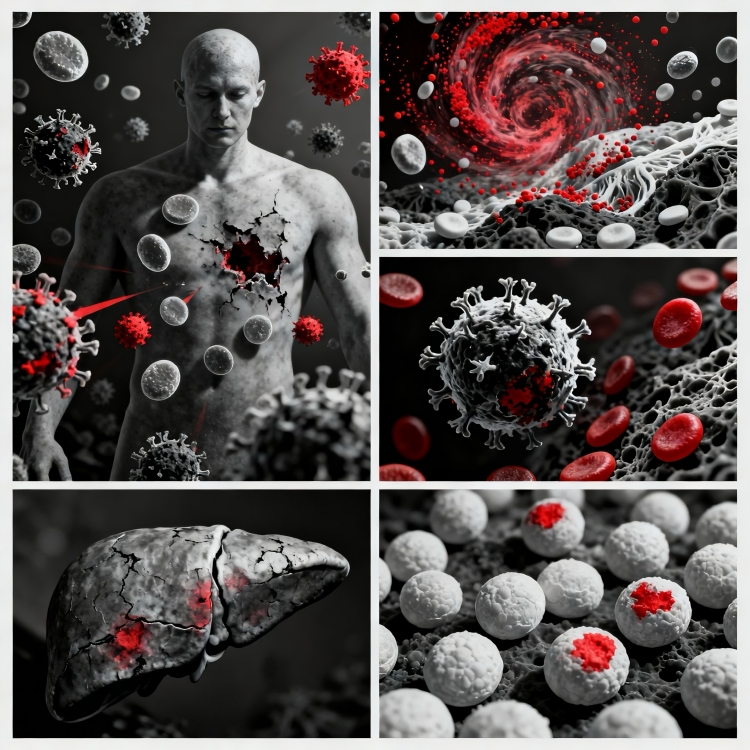
Few conditions blur the line between inflammation and devastation like Hemophagocytic Lymphohistiocytosis (HLH), a hyperinflammatory syndrome where the immune system turns upon itself.
Originally described in the 1950s as “familial hemophagocytic reticulosis,” HLH is now recognized across all ages either genetic (primary) or acquired (secondary), often triggered by viral infections, malignancies or autoimmune flares.
Cytotoxic T cells and macrophages go rogue, releasing massive amounts of cytokines (IFN-γ, IL-6, TNF-α), leading to fever, cytopenias, hyperferritinemia and multi-organ injury.
The liver is a frequent target, sometimes culminating in acute liver failure (ALF).
Clinical Presentation: When Every Organ Suffers
HLH is the great masquerader.
- Persistent high fever unresponsive to antibiotics
- Hepatosplenomegaly, cytopenias, elevated ferritin (often >10,000!)
- Transaminitis, coagulopathy, hypertriglyceridemia, hypofibrinogenemia
- Neurological symptoms or acute liver failure may occur in advanced stages
For hepatologists and transplant teams, HLH presenting as fulminant hepatic failure is a diagnostic minefield often mistaken for viral or autoimmune hepatitis.
When HLH Meets Liver Failure
HLH-associated ALF is one of the most challenging diagnostic and therapeutic dilemmas.
When unresponsive to immunosuppressive therapy (dexamethasone, etoposide, ruxolitinib), liver transplantation (LT) becomes a potential life saving bridge, provided the cytokine storm has subsided and systemic inflammation is controlled.
Liver Transplant in HLH: The Tightrope
When to Consider Liver Transplant in HLH
- Fulminant hepatic failure
- Irreversible hepatic necrosis with recovery of systemic inflammation.
- Post infection or post immune HLH where the cytokine storm has been controlled.
- Post chemotherapy hepatic failure in malignancy associated HLH.
Timing is critical!! transplant too early, and the hyperinflammatory state destroys the graft; too late, and multi-organ dysfunction sets in.
Post-transplant care demands balancing immune suppression vs immune dysregulation:
- Minimize calcineurin inhibitors early; rely on steroids or targeted cytokine blockers.
- Monitor ferritin, IL-2 receptor, and viral markers for relapse.
- Consider emapalumab or ruxolitinib if hypercytokinemia recurs.
When timed right and tailored well, LT can achieve excellent outcomes, not just organ replacement but immune recalibration.
HLH teaches us a profound lesson:
The immune system, when unrestrained, can be both healer and destroyer and the art of transplant medicine lies in restoring that delicate balance.
Have you encountered HLH presenting as acute liver failure or post transplant immune dysregulation?
Would love to hear your thoughts.”
Stay informed with Hemostasis Today.
-
Sep 23, 2026, 13:58The New B12 Diagnostic Algorithm: From Serum Cobalamin to Functional Deficiency
-
Sep 23, 2026, 13:56Noha Soror: Preparing for Hematology and Medical Oncology Board Certification
-
Sep 23, 2026, 13:46Ugochi Ogu: What Can Platelet Proteomics Reveal about Pain and Neurocognitive Vulnerability in Sickle Cell Disease?
-
Sep 23, 2026, 13:42Melissa Hollo: Connecting Obesity and Anemia for Earlier Maternal Risk Intervention
-
Sep 23, 2026, 13:16Beverley Hunt: Advances in Haemostatic Management of Postpartum Haemorrhage
-
Sep 23, 2026, 13:13Ioanna Mela: Recruiting a Research Associate on DNA nanotechnology
-
Sep 23, 2026, 13:04Ben Samelson-Jones: Do Gene Variants Drive PK Differences in FIX-Fusion and N9-GP Therapies?
-
Sep 23, 2026, 12:57Shelly Reed: Advocating for HTCs and CDC Funding with the Hemophilia Federation of America
-
Sep 23, 2026, 12:51Domenico Girelli: How Verona Hospital Transformed ED Anemia Care with Patient Blood Management