

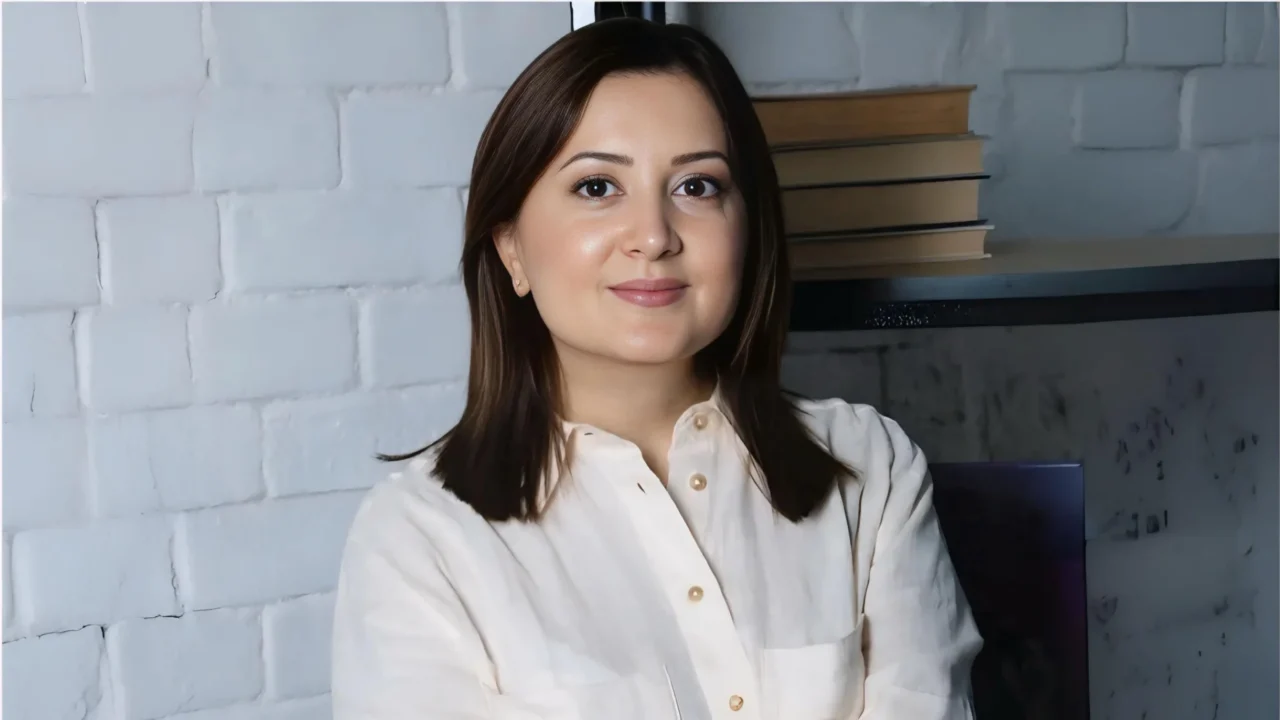
Heghine Khachatryan: From Imperial Tragedy to Modern Hemostasis – Lessons from the Romanov Case
Heghine Khachatryan, Editor-in-Chief of Hemostasis Today, Head of Hemophilia and Thrombosis Center at Yeolyan Hematology and Oncology Center, shared a post on LinkedIn:
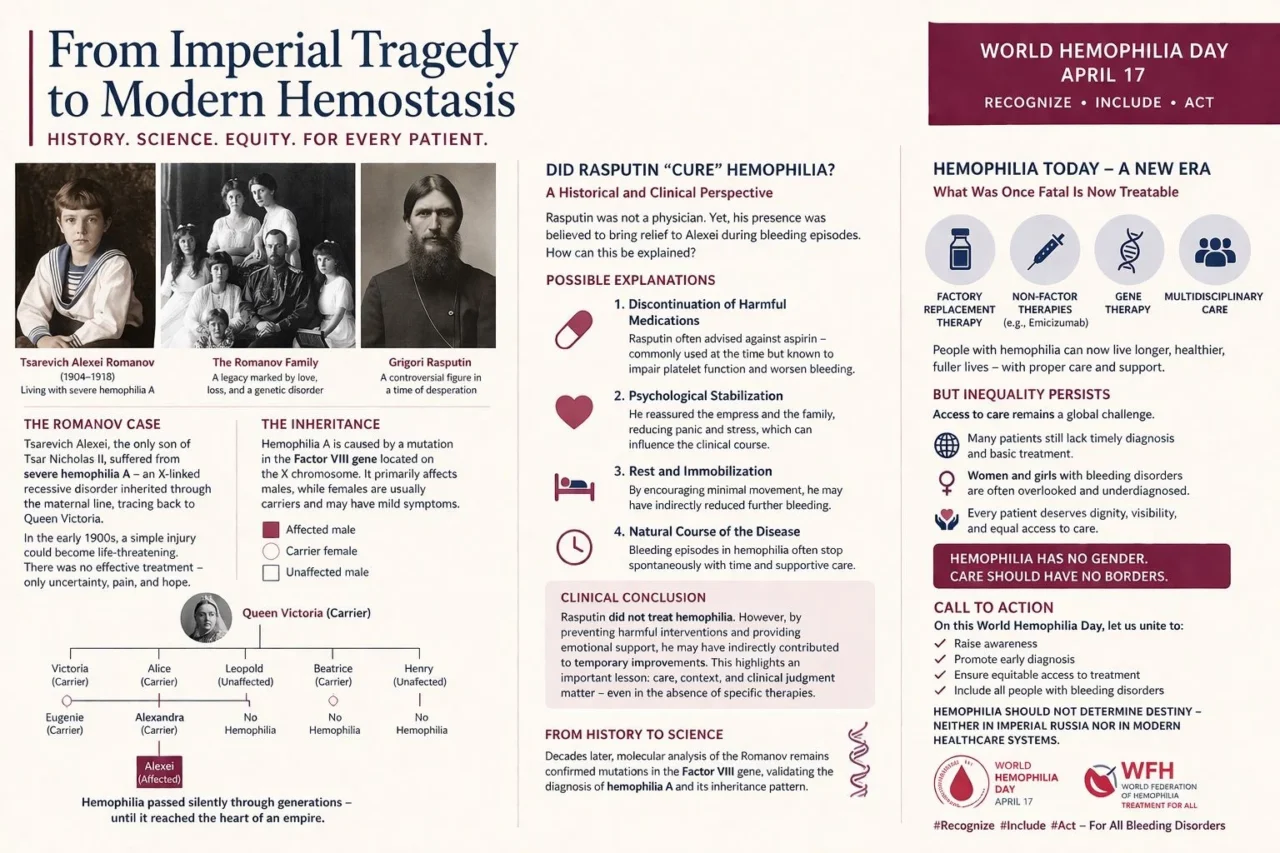
“From Imperial Tragedy to Modern Hemostasis: Lessons from the Romanov Case
The case of Tsarevich Alexei Romanov remains one of the most widely cited historical narratives in the context of inherited bleeding disorders.
As the only son of Tsar Nicholas II, Alexei suffered from severe hemophilia A – an X-linked recessive disorder transmitted through the maternal lineage, tracing back to Queen Victoria.
At the beginning of the 20th century, the absence of effective replacement therapy rendered hemophilia a life-threatening condition.
Recurrent hemarthroses, soft tissue hemorrhages, and potentially fatal bleeding episodes defined the clinical course.
Within this context, the emergence of Grigori Rasputin as a figure of perceived ‘healing’ influence has generated enduring controversy.
From a contemporary hematological perspective, there is no scientific evidence that Rasputin exerted any direct therapeutic effect on coagulation.
However, several plausible mechanisms may explain the observed clinical improvements during his involvement:
- Discontinuation of harmful medical interventions, particularly aspirin, which was commonly administered at the time and is now known to impair platelet function
- Psychological stabilization of the family environment, reducing stress-related exacerbation
- Promotion of rest and immobilization, limiting further bleeding episodes
- The natural, episodic course of hemophilia, where bleeding may cease spontaneously
Thus, Rasputin’s role can be interpreted not as that of a healer, but as an indirect modifier of clinical outcomes through behavioral and contextual influences.
Importantly, the Romanov case later contributed to the historical and genetic understanding of hemophilia.
Molecular analyses of the Romanov remains confirmed mutations in the Factor IX gene, validating the diagnosis of hemophilia B and reinforcing the well-established inheritance pattern.
A Contemporary Reflection: Hemophilia Is No Longer a Royal Disease
Today, hemophilia is no longer a mysterious or untreatable condition.
Advances in coagulation factor replacement, non-factor therapies such as emicizumab, and gene therapy have transformed patient outcomes.
Yet, a critical global inequity persists.
On this World Hemophilia Day, we must emphasize:
- Access to early and accurate diagnosis is essential
- Availability of safe and effective treatment must be universal
- Hemophilia and bleeding disorders affect not only men, but also women and girls, who remain significantly underdiagnosed
- Every patient with a bleeding disorder deserves dignity, visibility, and care
Hemophilia should not determine destiny – neither in imperial Russia nor in modern healthcare systems.
Call to Action
Equitable access to hemostasis care is not a privilege – it is a global responsibility.”
Other posts featuring Heghine Khachatryan on Hemostasis Today.
-
Sep 25, 2026, 05:59Carla Lewis: Kids Conquering Sickle Disease Joins Nemours Children’s Hospital for 2nd Annual Awareness Event
-
Sep 25, 2026, 05:47Omid Seidizadeh: Evolutionary Constraint and Population Variation Across Coagulation Genes
-
Sep 25, 2026, 05:40Gerald Bertrand: Presenting UMi-NGS Non-Invasive Foetal HPA Genotyping at DGTI 2026
-
Sep 25, 2026, 05:33Urge Congress to support the Sickle Cell Disease Comprehensive Care Act – ASH
-
Sep 25, 2026, 05:24Isabelle Mahé: Reduced-Dose Apixaban in Extended CAT Treatment
-
Sep 25, 2026, 05:15Maria Cherska: High Cholesterol Isn’t Always Diet or Lifestyle – Sometimes It’s Genetic
-
Sep 25, 2026, 05:07Nancy Braithwaite: BBTS Specialist Certificate in Transfusion Science Practice
-
Sep 24, 2026, 18:43Hugh Nguyen: Honored to Accept the Friend of Singapore Red Cross Award
-
Sep 24, 2026, 18:42Titilope Fasipe: Proud to Support American Society of Hematology’s SCD Initiative