

Heghine Khachatryan: Colombo 2026 Insights on Point-of-Care Ultrasound in Hemophilia Joint Care
Heghine Khachatryan, Editor-in-Chief of Hemostasis Today, Head of Hemophilia and Thrombosis Center at Yeolyan Hematology and Oncology Center, shared a post on LinkedIn:
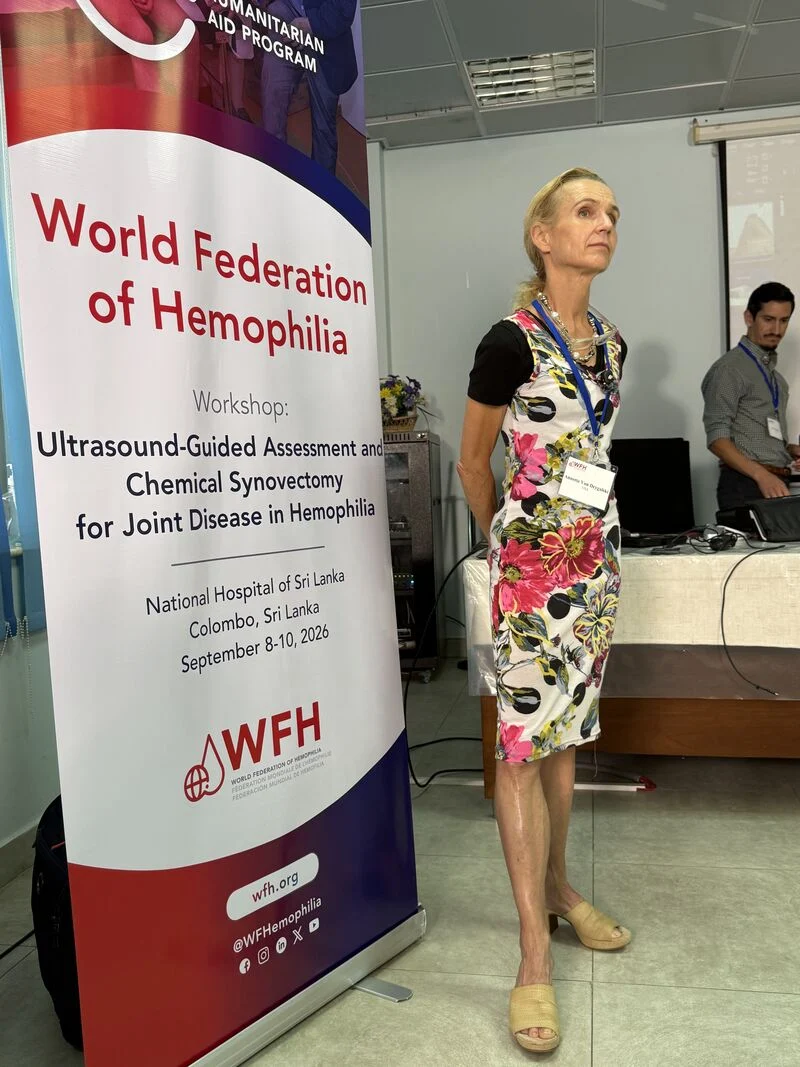
”Colombo, Sri Lanka | 8–10 September 2026
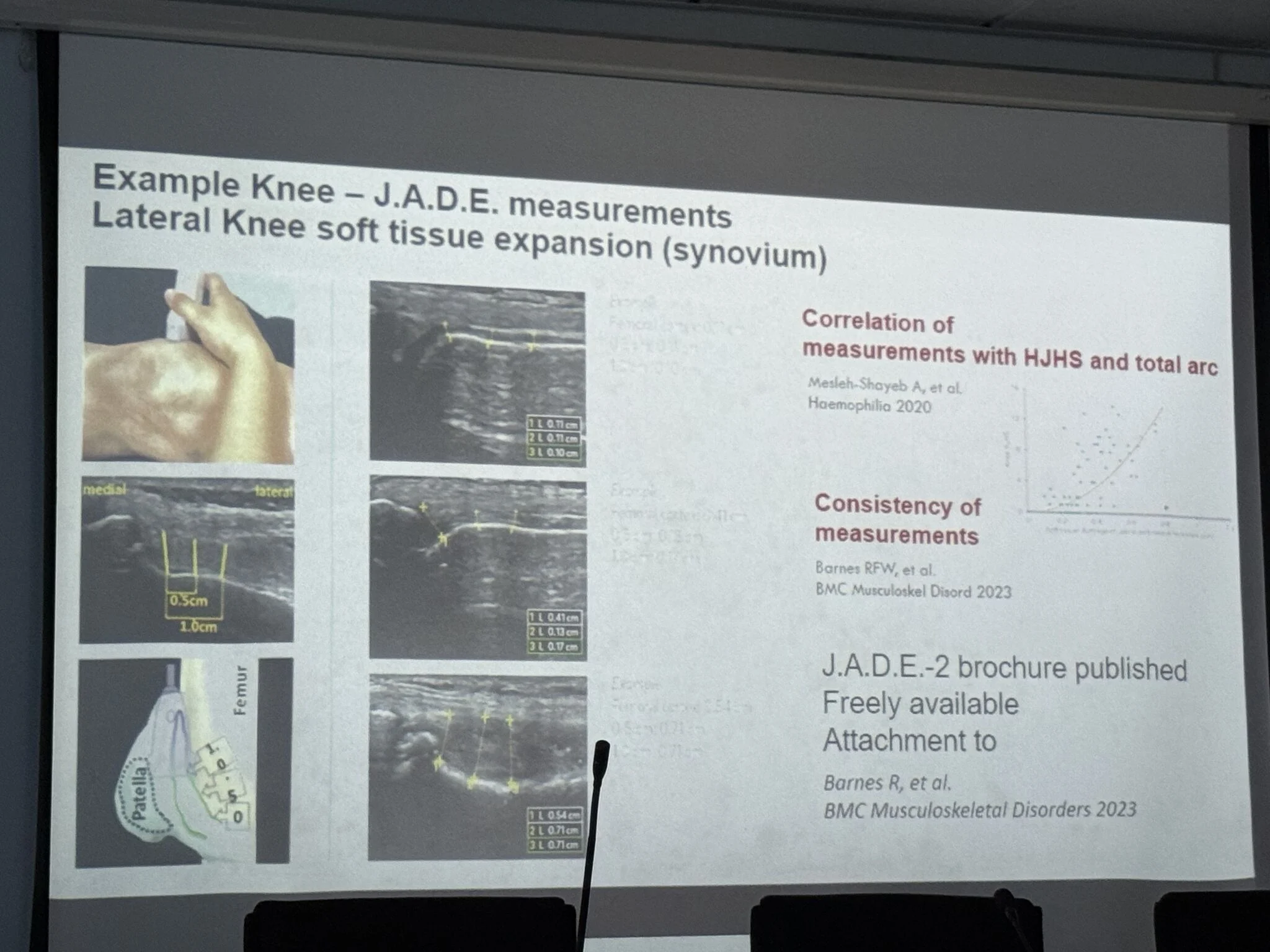
During the World Federation of Hemophilia (WFH) workshop, ‘Ultrasound-Guided Assessment and Chemical Synovectomy for Joint Disease in Hemophilia,’ Professor Annette von Drygalski delivered an insightful lecture on the integration of point-of-care musculoskeletal ultrasonography (POC MSKUS) into comprehensive hemophilia care.
A central message was that focused ultrasonography should address clearly defined clinical questions:
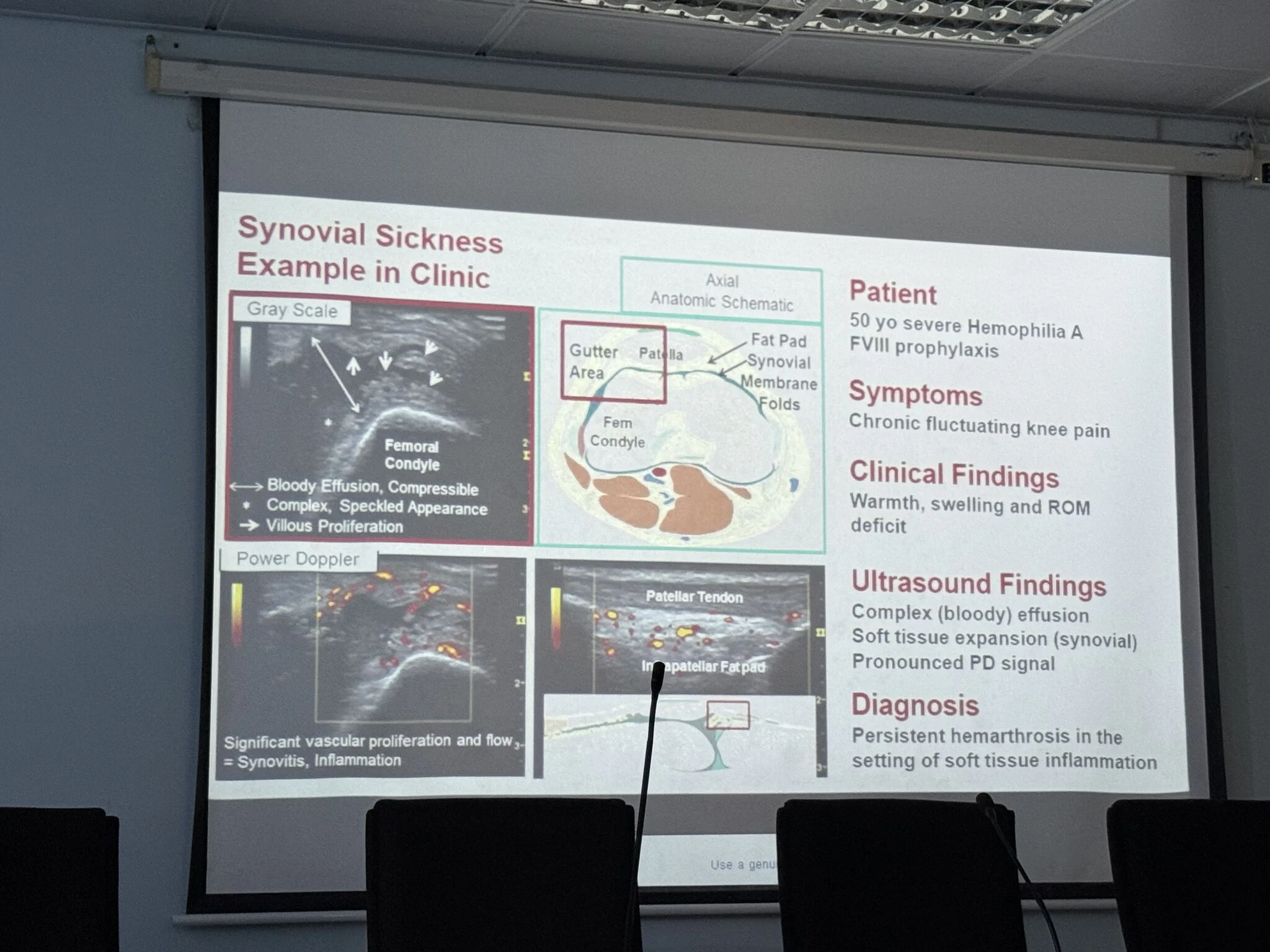
- Is a joint effusion present, and is it hemorrhagic?
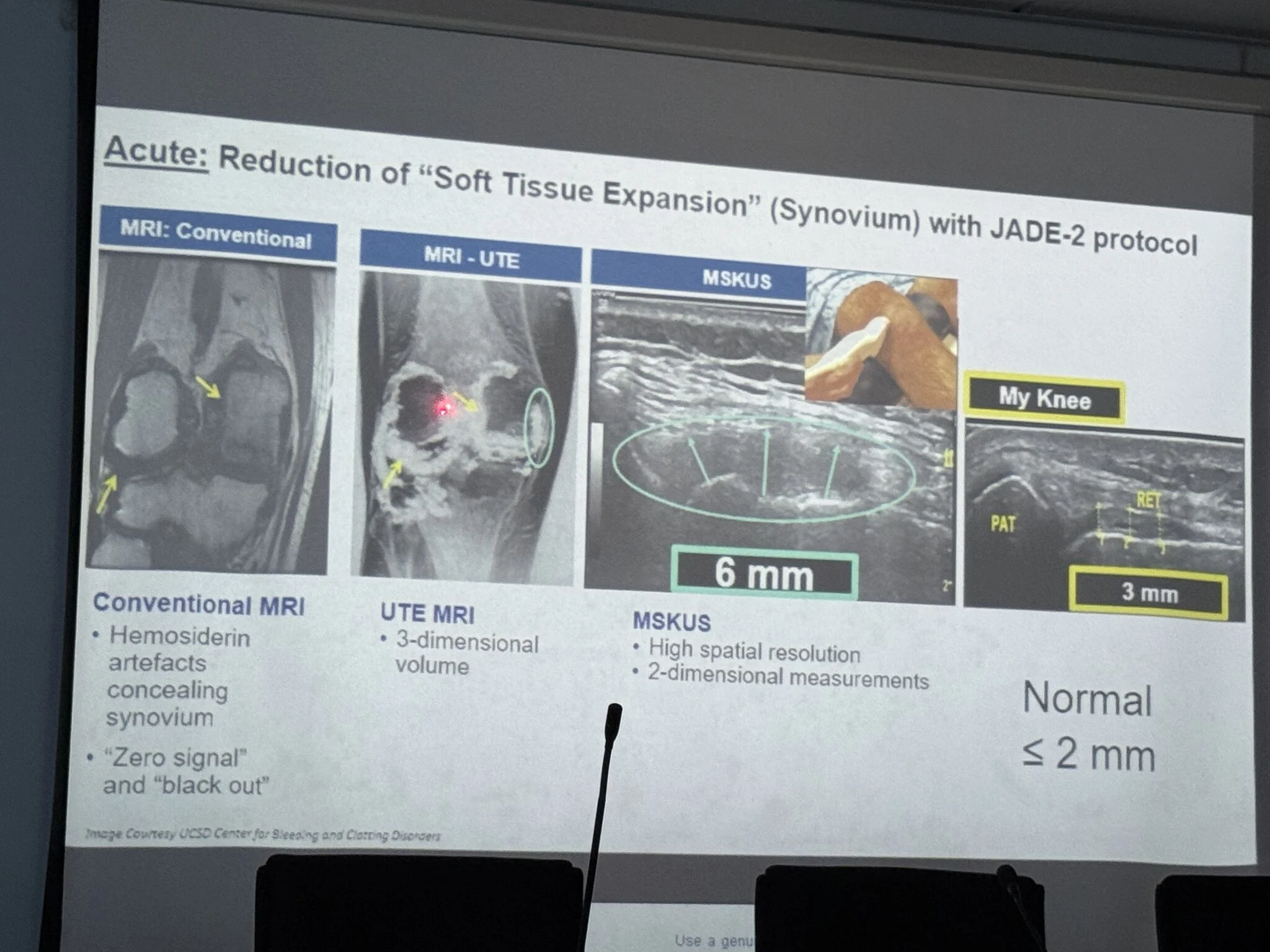
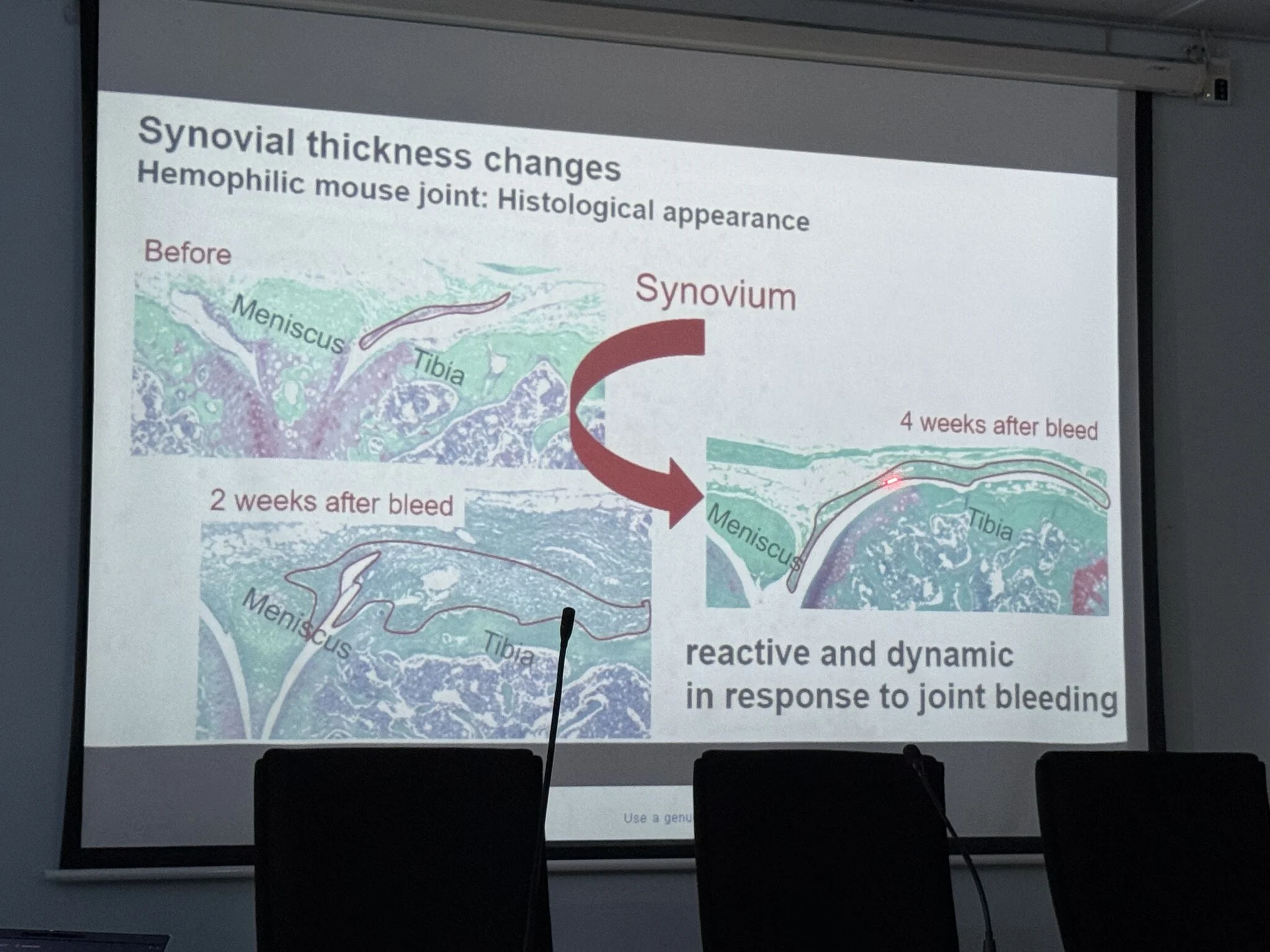
- Is there synovial hypertrophy or soft-tissue expansion?
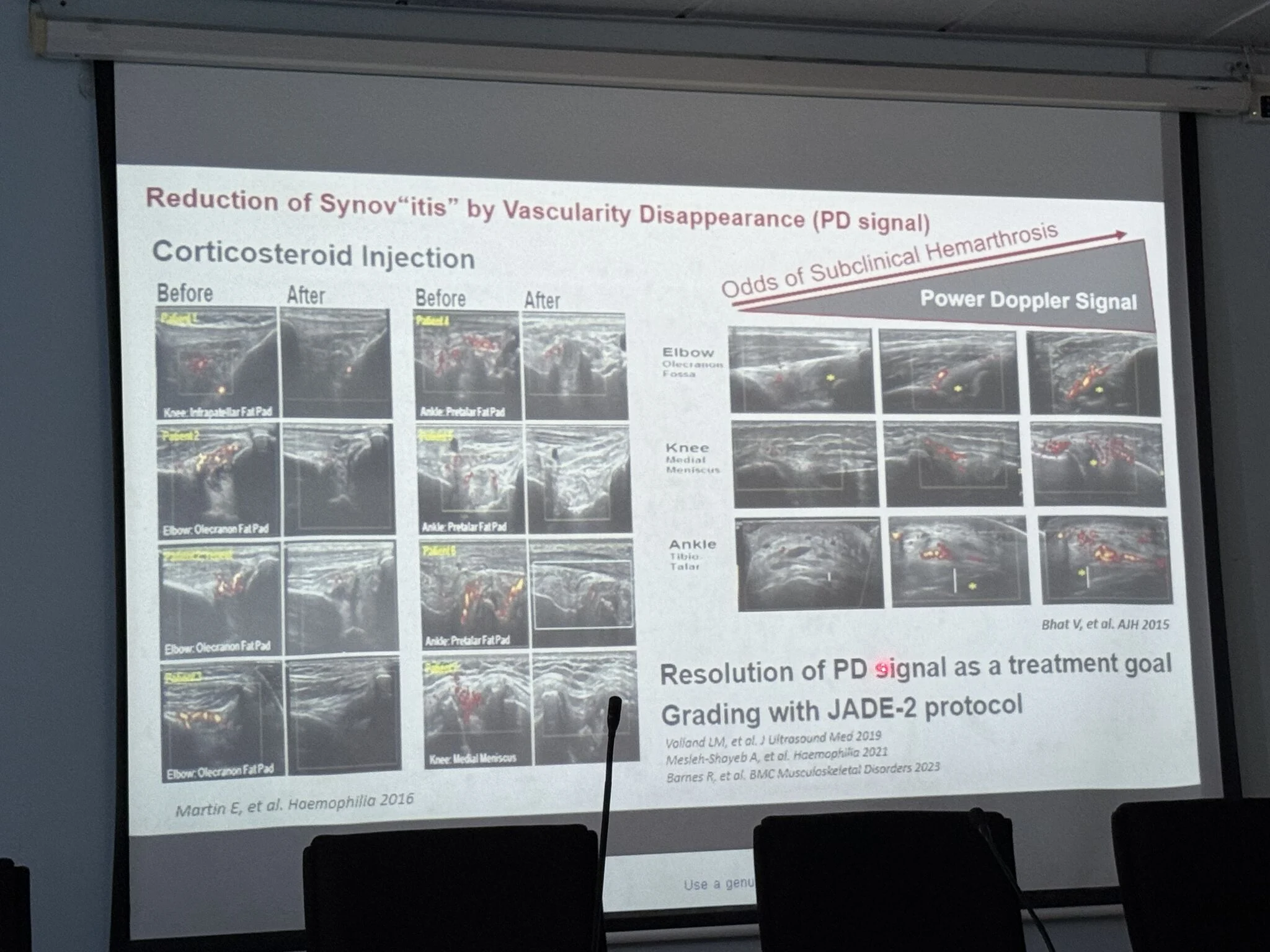
- Is active vascularity or inflammation detectable by Power Doppler?
- Are cartilage or osteochondral abnormalities present?
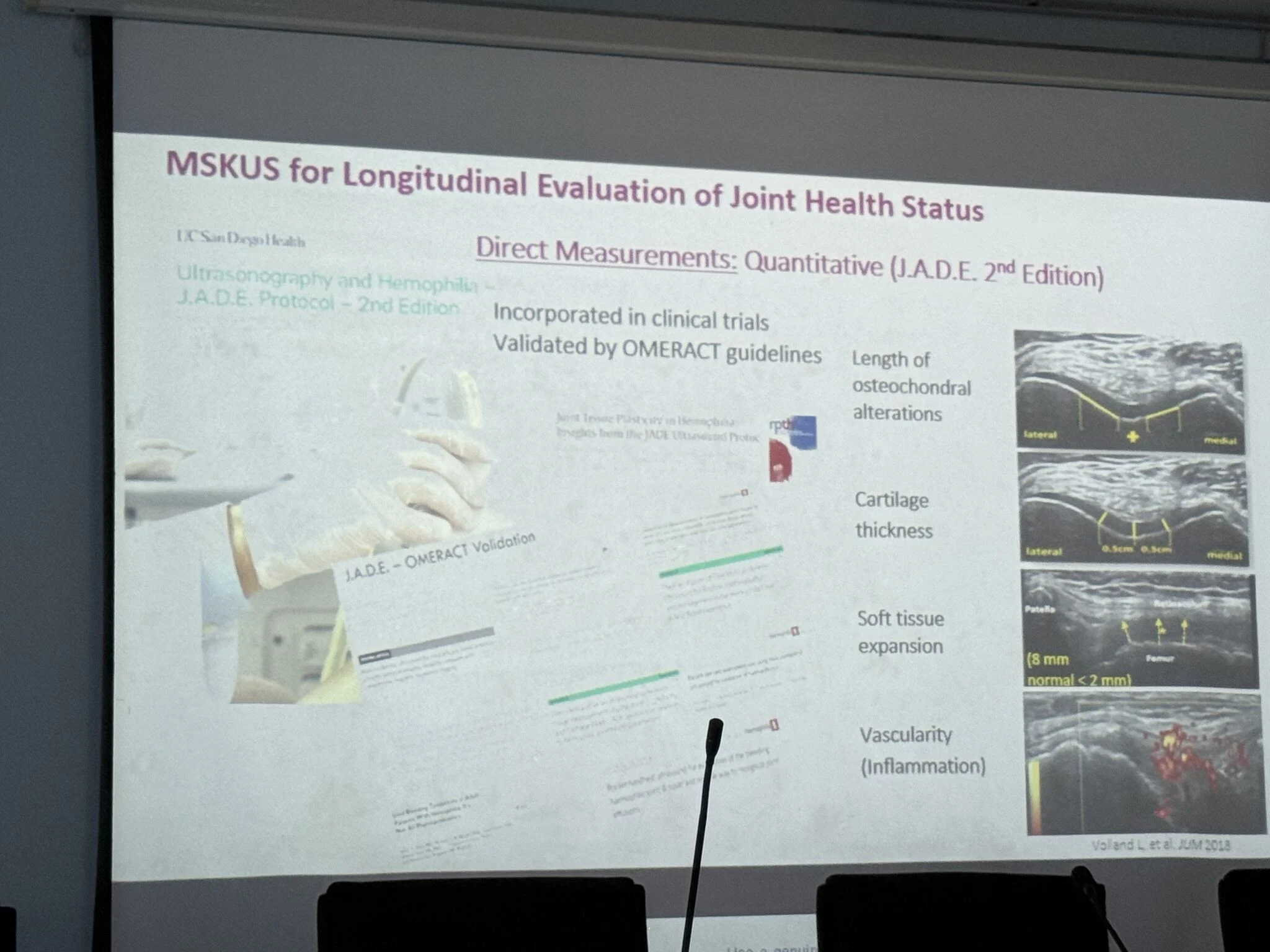
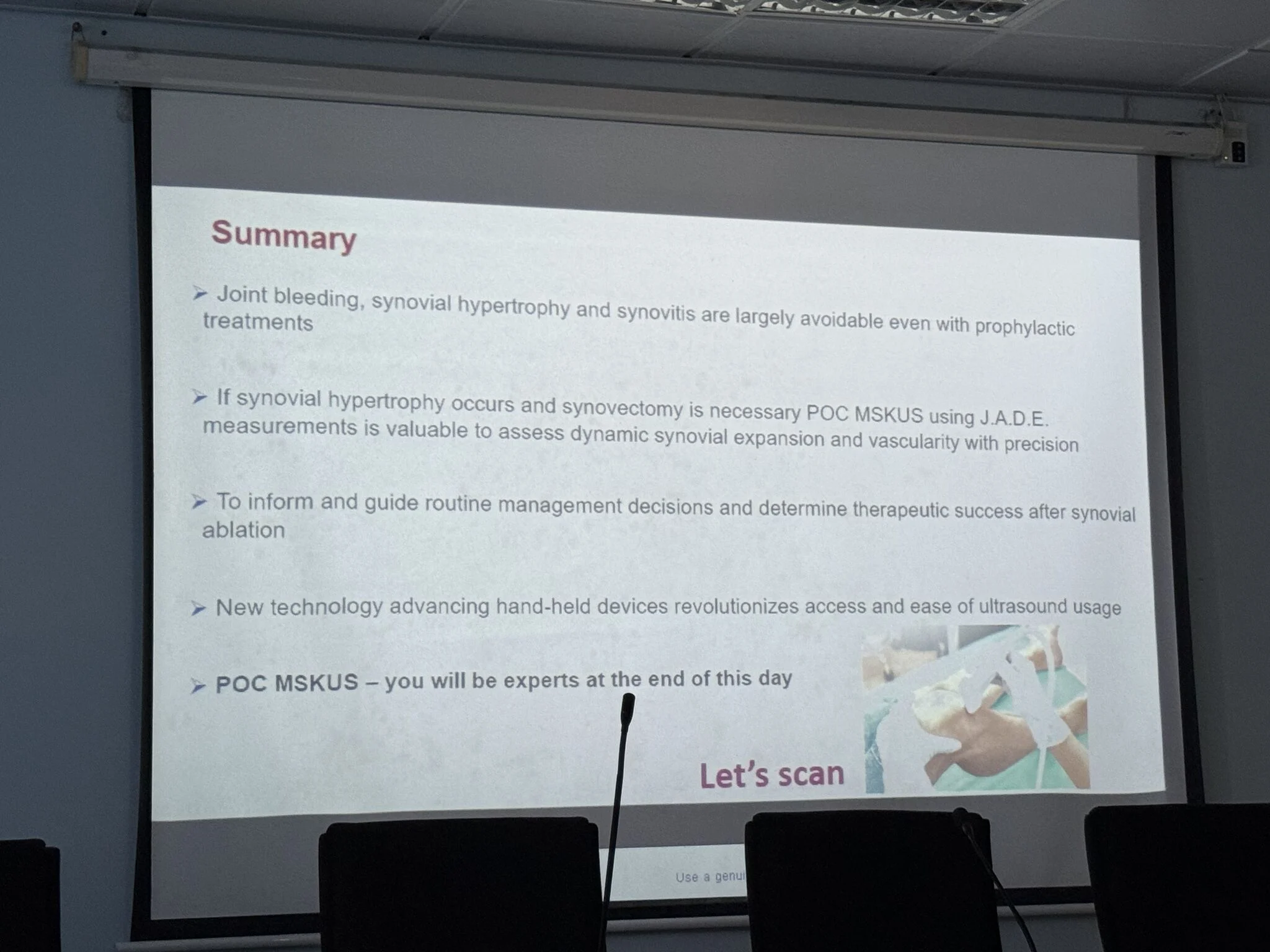
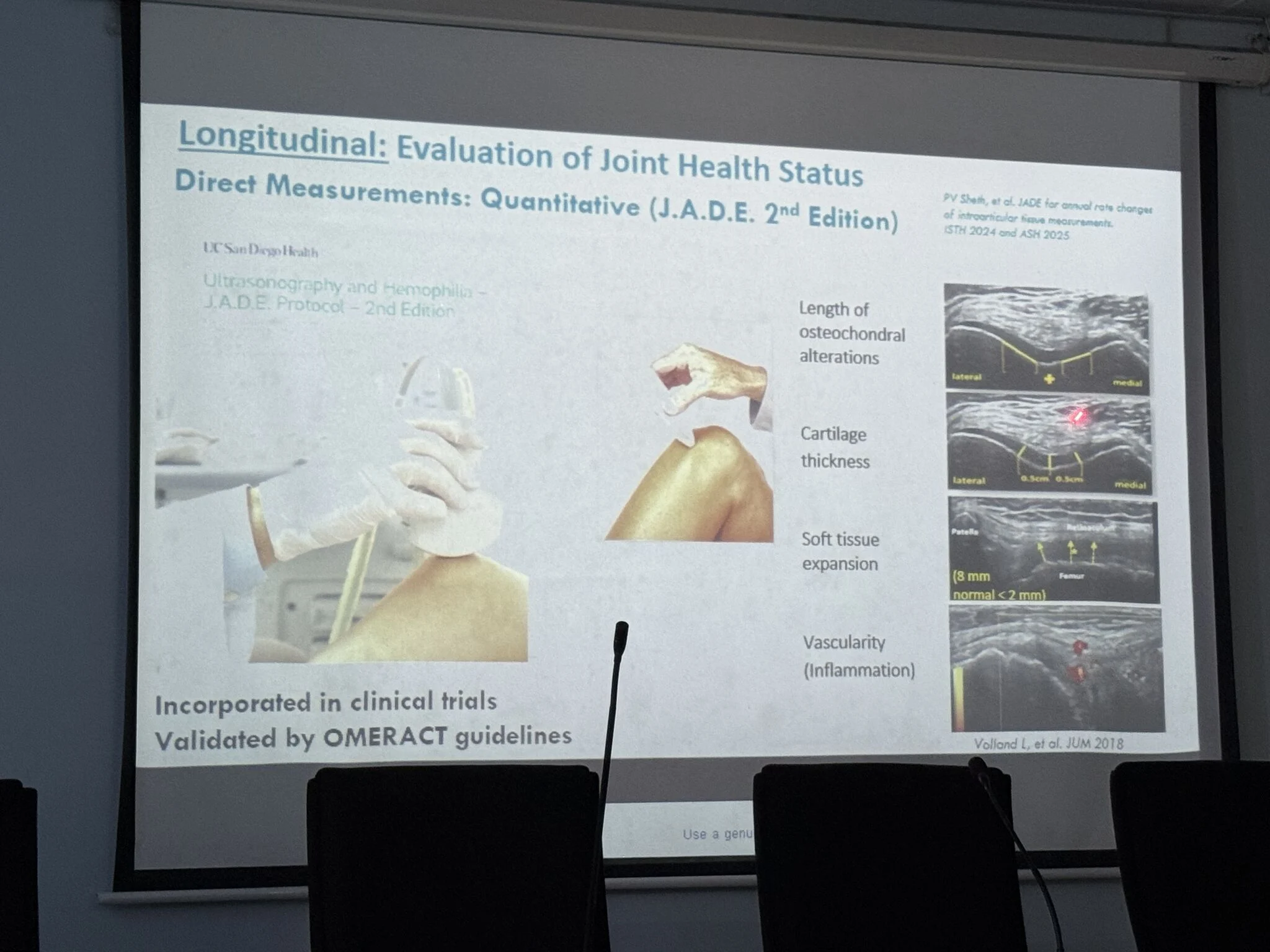
The standardized J.A.D.E.-2 protocol enables quantitative and longitudinal assessment of osteochondral alterations, cartilage thickness, synovial expansion, and vascularity. These measurements can support routine clinical decision-making and help evaluate therapeutic response following synovial ablation or chemical synovectomy.
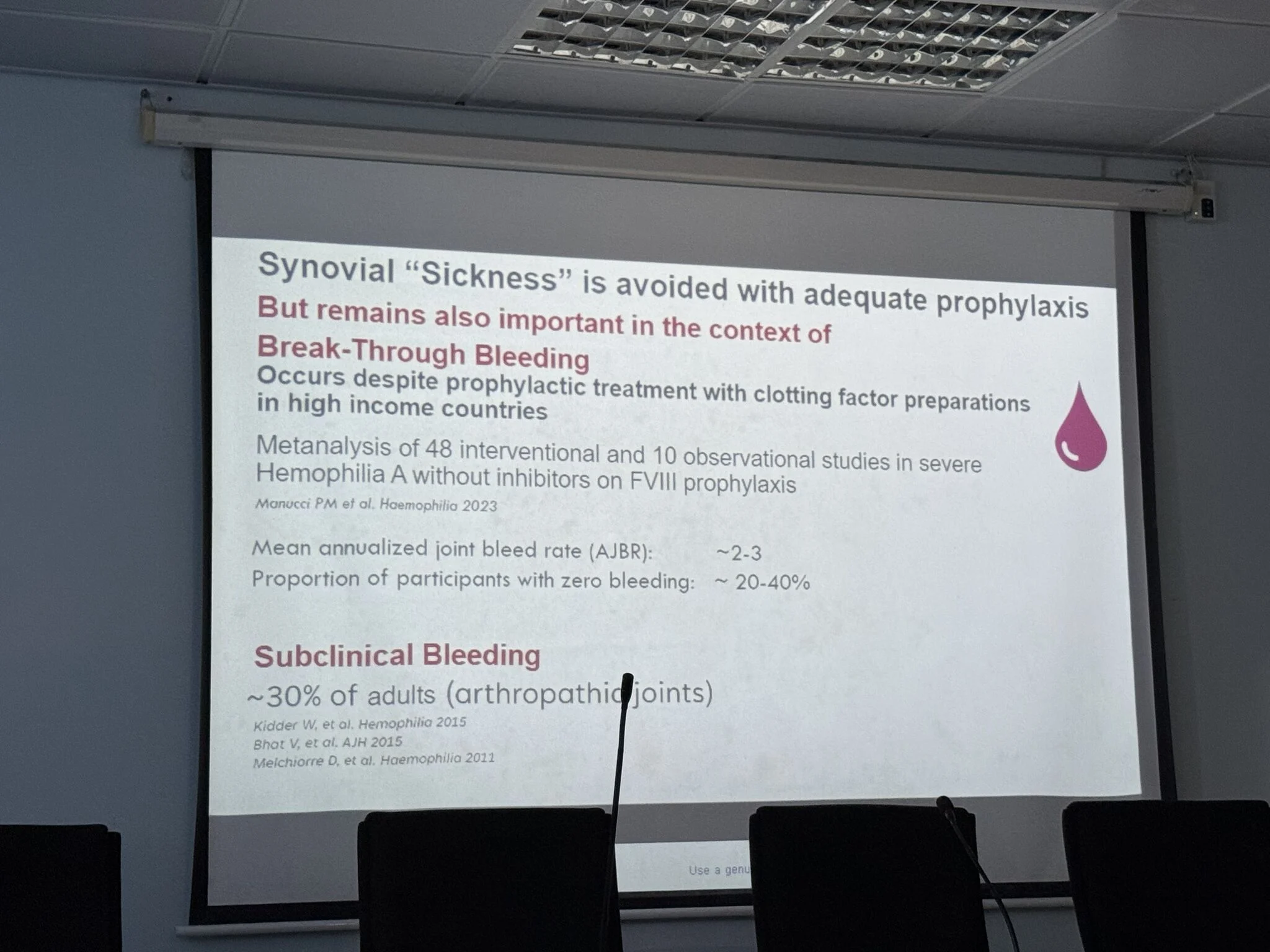
An especially important point was that breakthrough and subclinical joint bleeding may occur despite prophylactic treatment. Therefore, the absence of clinically evident bleeding does not necessarily indicate the absence of active joint pathology. Persistent complex effusion, synovial expansion, and a pronounced Power Doppler signal may reveal ongoing hemarthrosis within inflamed synovial tissue and prompt timely therapeutic intervention.
POC MSKUS does not replace comprehensive radiological assessment or MRI. However, when performed by appropriately trained clinicians within a clearly defined scope, it represents a rapid, repeatable, and clinically actionable tool for the early detection and longitudinal monitoring of hemophilic arthropathy.
Sincere appreciation to Professor Annette von Drygalski for this scientifically rigorous and highly practical lecture, and to the WFH for facilitating this valuable educational initiative.
Pleased to share these important clinical insights with the Hemostasis Today professional community, supporting continued knowledge exchange and the translation of advances in hemostasis into improved patient care.”
Other posts featuring Heghine Khachatryan on Hemostasis Today.
-
Oct 25, 2026, 02:18Dai H. Chung: Delivering Lyfgenia to Pediatric Patients With Sickle Cell Disease
-
Oct 25, 2026, 02:17Marilyn Baffoe-Bonnie: What Does It Mean to Be Cured of Sickle Cell Disease?
-
Oct 25, 2026, 02:15Tamara Stipcevic: A Hand-Powered Device for Rapid Blood Typing and Hematocrit Estimation
-
Oct 25, 2026, 02:14Rhonda Patrick: Microplastics Generate Damaging Free Radicals Simply by Contacting Water
-
Oct 25, 2026, 02:12Chokri Ben Lamine: Rilzabrutinib – Oral BTK Inhibitor for ITP
-
Oct 25, 2026, 02:12Michael H. Tomasson: Self-Experimentation That Revealed the Immune Mechanism of ITP
-
Oct 25, 2026, 02:10Nabiha Huq Saifee: Do You Help Make Platelet Transfusion Decisions Before Lumbar Puncture?
-
Oct 25, 2026, 02:09Sebastian Szmit: Congratulations to Isabelle Mahé on Her New Cardio-Oncology Paper
-
Oct 24, 2026, 16:57Pall T. Onundarson: Fiix Prothrombin Time Advancing Precision in Anticoagulation Management