


Yousma Khan: Hematology Series – Beyond RBCs, WBCs and Platelets
Yousma Khan, Content Writer, Bachelor at Minhaj University Lahore, shared a post on LinkedIn:
“Hematology Series – Day 4: Beyond RBCs, WBCs and Platelets
The part most students skip, but examiners never do.
After covering RBCs, WBCs and Platelets in 3 days, Day 4 is all about the clinical application that saves lives in the ward.
Here is my complete breakdown for Day 4:
1. Coagulation Cascade – The Core Concept
- PT – Extrinsic Pathway (Factor 7) | Monitors Warfarin
- aPTT – Intrinsic Pathway (Factor 8, 9, 11, 12) | Monitors Heparin
Hemophilia A: Factor VIII deficiency – Prolonged aPTT
Hemophilia B: Factor IX deficiency – Prolonged aPTT
Von Willebrand Disease: Most common inherited bleeding disorder – Defective platelet adhesion.
Quick differential:
- ITP: Isolated low platelets
- TTP: Low platelets, Fever, Renal failure, Neurological changes, Hemolytic anemia
- DIC: Low platelets, Prolonged PT/aPTT, Low fibrinogen
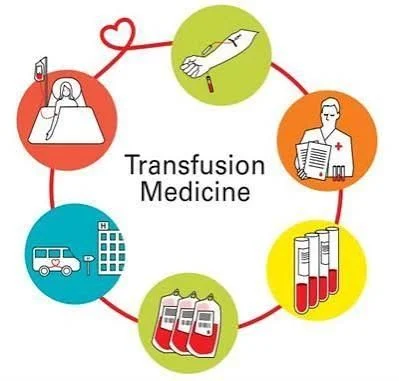
2. Blood Transfusion Medicine
When to transfuse what?
- PRBCs: Hb < 7 g/dL (or <8 with cardiac disease)
- Platelets: <10k prophylactically, <50k with bleeding/surgery
- FFP: Prolonged PT/aPTT with bleeding
- Cryoprecipitate: Low fibrinogen (<100 mg/dL)
Know your reactions: Febrile, Allergic, Acute Hemolytic, TRALI (Transfusion-Related Acute Lung Injury), TACO (Circulatory Overload).
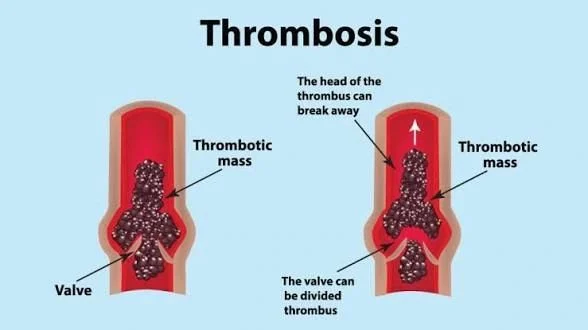
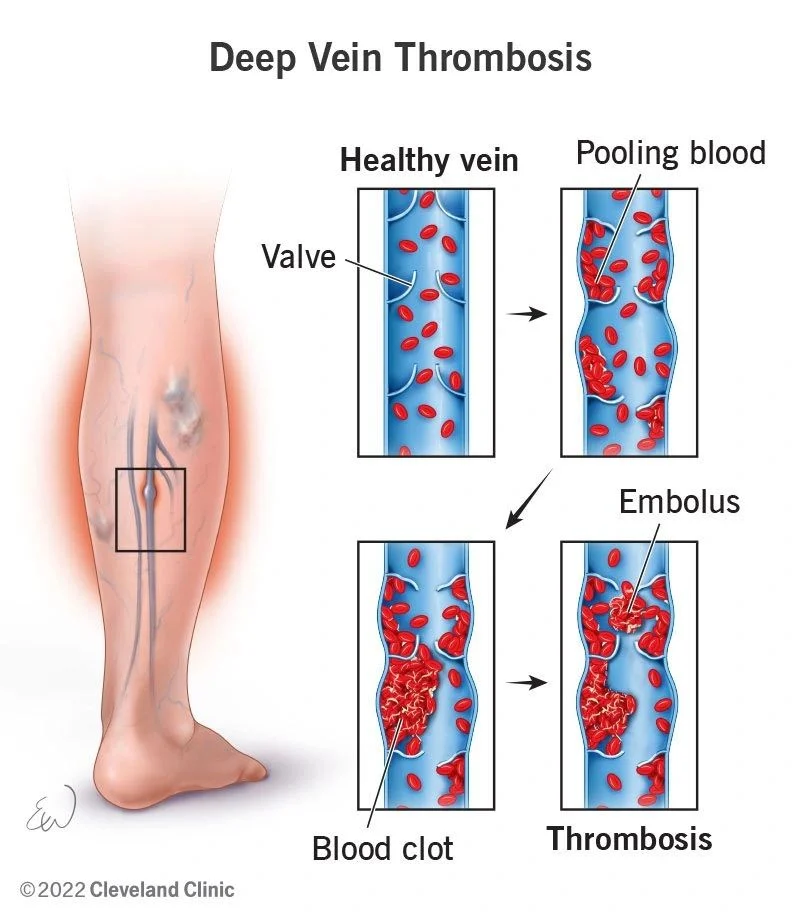
3. Thrombosis and Hypercoagualable States
Virchow’s Triad: Stasis, Endothelial injury, Hypercoagulability.
Major thrombophilias: Factor V Leiden (most common inherited), Protein C/S deficiency, Antithrombin III deficiency, Antiphospholipid Syndrome (Recurrent abortions and arterial/venous clots).
4. 5 Hematologic Emergencies You Must Know
- Febrile Neutropenia: Fever and ANC <500 – Immediate broad-spectrum antibiotics
- Sickle Cell Crisis: Hydration, Oxygen, Analgesia, Transfusion if needed
- Tumor Lysis Syndrome: Post-chemo – Hyperkalemia, Hyperuricemia, Hyperphosphatemia, Hypocalcemia
- Hyperviscosity Syndrome (Multiple Myeloma)
- Heparin-Induced Thrombocytopenia (HIT): Platelet drop >50% after heparin – Stop heparin
My takeaway: Hematology is not just about lab values, it’s about clinical decision making.”
Stay updated with Hemostasis Today.
-
Nov 24, 2026, 15:57100 Years of von Willebrand Disease – From VWF Structure to Clinical Management and Future Directions – Seminars in Thrombosis and Hemostasis
-
Nov 24, 2026, 15:46Matthew Hazell: Rare Blood – Connecting Science with the Patient Experience
-
Nov 24, 2026, 15:23Cold Agglutinin Disease: Beyond Hemolysis Toward Complement-Directed Treatment
-
Nov 24, 2026, 15:19Essama Telli: Recognizing Retiform Purpura as a Sign of Vascular Injury and Thrombosis
-
Nov 24, 2026, 15:11Kerstin Piayda: University Hospital Giessen Performs Europe’s First PE Procedure With Lightning Flash 3.0
-
Nov 24, 2026, 14:55Cecilia Kretz: Evaluating Aspirin-Free Antithrombotic Strategies in HeartMate 3 Patients
-
Nov 24, 2026, 14:54The Future of Global Hemophilia Care and the Impact of the World Health Assembly Resolution
-
Nov 24, 2026, 14:39Andrija Velevski: Why Oxygen Availability Does Not Guarantee Tissue Oxygenation
-
Nov 24, 2026, 14:27Basyouni Omran: Clinical Guidance on Antiplatelet Use in Acute Ischemic Stroke