

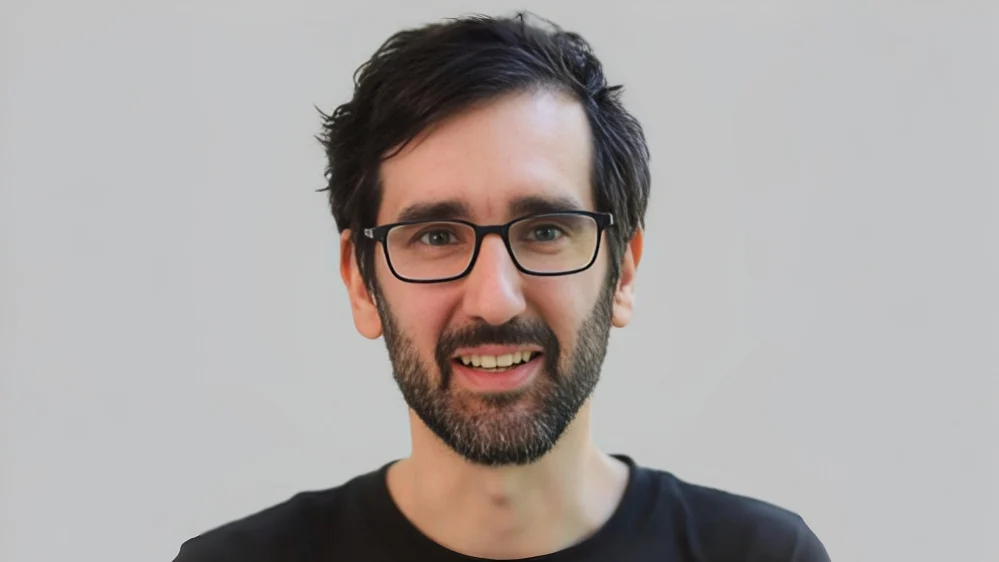
Frederik Denorme։ PhD Position in Translational Stroke Research at the University of Antwerp
Frederik Denorme, Tenure Track Assistant Professor at University of Antwerp, shared a post on LinkedIn:
”PhD Position in Translational Stroke Research
We are looking for a motivated PhD candidate to join our research group at the Laboratory of Cell Biology and Histology (CBH), University of Antwerp.
This project focuses on translational ischemic stroke research, combining innovative humanized mouse models with samples from stroke patients to understand how the detrimental interaction between thrombosis and the immune system drives brain injury and disease progression after stroke.
The successful candidate will be embedded in a dynamic and multidisciplinary research environment within the Laboratory of Cell Biology and Histology (CBH). The project will closely interact with the Antwerp Centre for Advanced Microscopy (ACAM), providing access to state-of-the-art imaging technologies.
Within the University of Antwerp, our team is also embedded in the µNEURO Research Centre of Excellence, offering a strong multidisciplinary platform for integrative and translational neuroscience research.”
Stay updated with Hemostasis Today.
-
Sep 19, 2026, 08:51Zia Ullah Shah: Advancing Early Diagnosis of Wilson Disease With AI and Biomarkers
-
Sep 19, 2026, 03:15Paulus Kirchhof: Europe’s Safe Hearts Plan to Reduce Cardiovascular Mortality
-
Sep 19, 2026, 03:10James Smith: Brain Training and Exercise for Cognitive Recovery After Stroke
-
Sep 19, 2026, 03:03Lesley Van Wyk: ASH Releases New Iron Deficiency Diagnosis Guidelines
-
Sep 19, 2026, 02:53Francisco Chacón-Lozsán: Acute Ischemic Stroke in 2026 – Expanding the Treatment Window
-
Sep 19, 2026, 01:53Thomas Dayspring: Understanding Genome and Lipid Interactions in Lipidology
-
Sep 19, 2026, 01:47Abdurrahman Tufan: Combination Targeted Therapy in Refractory Systemic Autoinflammatory Diseases
-
Sep 19, 2026, 01:44Patrick James Lynch: Mother of a Thousand Sons Premieres at BDC 2026
-
Sep 19, 2026, 01:41Genetic Fate Mapping Reveals Endothelial Cells During Venous Thrombus Resolution – RPTH Journal