


10 Posts Not to Miss This Week
This week’s highlights spotlight advances shaping the future of thrombosis and hemostasis, from expanding access to bleeding disorder care to new evidence influencing clinical decisions and patient outcomes.
Explore the latest developments in hemophilia treatment and scientific recognition, the evolving role of prothrombin complex concentrate in cardiac surgery, and the complex relationship between anticancer therapies and thrombotic complications.
Expert perspectives also examine anticoagulation strategies for unusual-site thrombosis and the growing evidence informing DOAC selection in acute venous thromboembolism.
Beyond clinical practice, this edition features a call for collaboration on tranexamic acid in traumatic brain injury, a global contribution to sickle cell disease education, and new insights into managing rare coagulation disorders around surgery.
Discover 10 posts worth your attention this week, bringing together influential research, practical clinical insights and perspectives advancing the fields of thrombosis, hemostasis, and bleeding disorders.
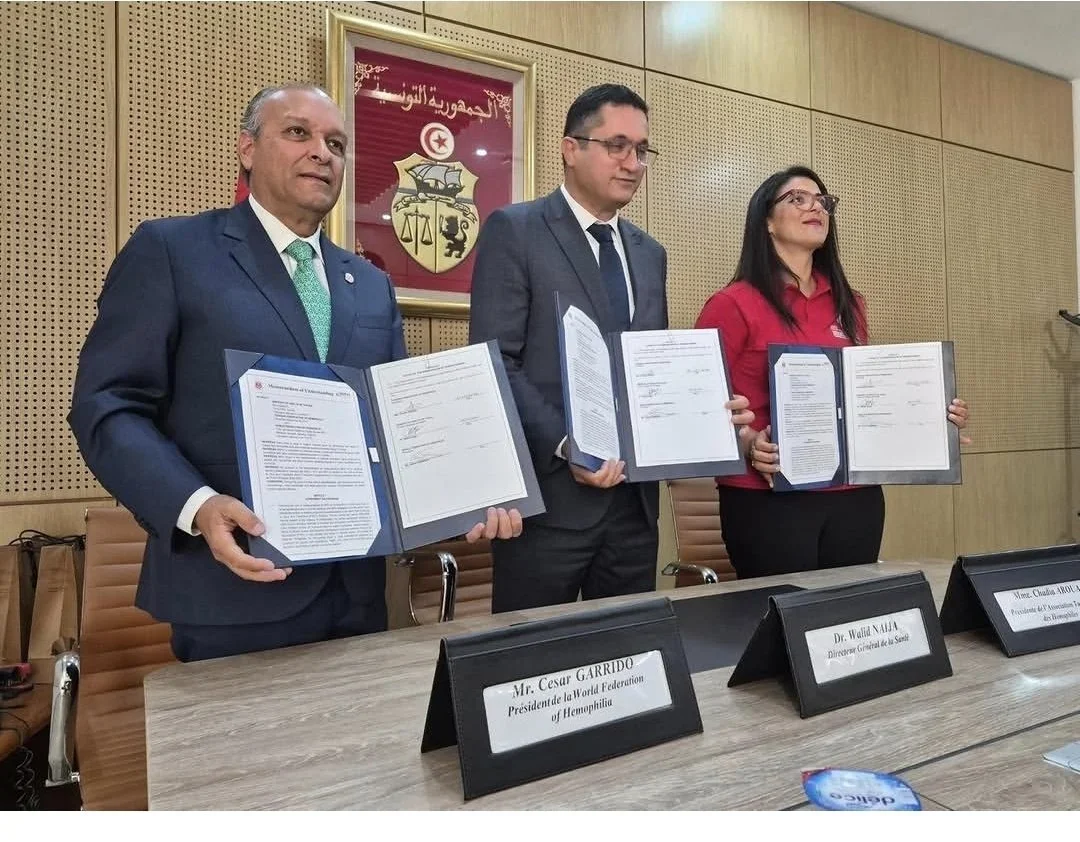
Cesar Garrido, The President of World Federation of Hemophilia:
“Our WFH has signed a MoU with the Tunisian Ministry of Health and our National Hemophilia Organization (NMO),the Tunisian Hemophilia Association,within our PACT program.
The agreements establish training and capacity building for healthcare professionals strengthen our NMO, increase diagnostics nationwide, and a commitment to optimize and increase patient access to medications and treatments, including innovative ones, regardless of gender, location,economic status, as indicated in the resolution approved by the WHO/WHA.“
Maria Carvajal Perea, Basic Life Support for Healthcare Providers (BLS) at American Heart Association:
“I am thrilled to share the publication of my first scientific article as a co-author in the Colombian Journal of Anesthesiology!
Managing coagulopathic bleeding after cardiac surgery requires rapid, evidence-based decisions. In this systematic review and meta-analysis, our team prioritized clinically relevant hemostatic outcomes rather than relying solely on surrogate laboratory markers.
Main Findings from Meta-Analysis:
- Hemostatic Control: Prothrombin complex concentrate (PCC) significantly reduced clinically relevant hemostatic failure compared to plasma strategies (RR 0.55; 95% CI 0.42–0.70).
- Renal Protection: PCC was associated with a lower risk of acute kidney injury (RR 0.57; 95% CI 0.35–0.91).
- Safety Profile: While results are promising, larger studies are still needed to more precisely define safety conclusions regarding thromboembolic events and mortality.
Being part of this inter-institutional project has been an incredibly valuable learning experience, further strengthening my commitment to research, academic medicine, and anesthesiology.
I’m very grateful to my co-authors and the entire research team for their invaluable scholarly guidance, rigorous feedback, and collaborative effort throughout this study.
Proud to see our work published.”
Christina Pohlman, CEO and Co-Founder of APS Foundation of America:
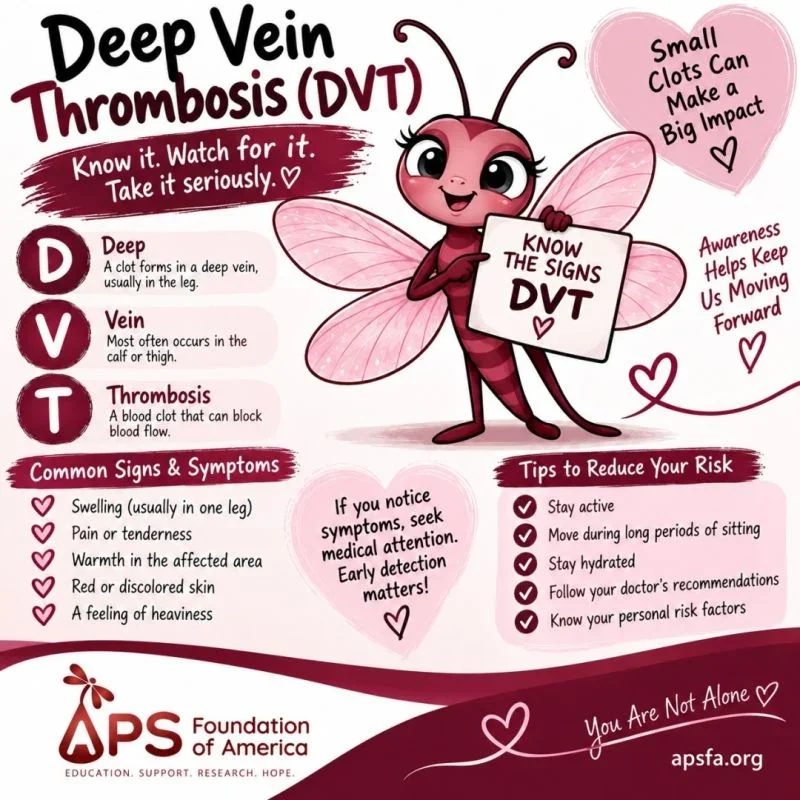
“October is a crucial month, as it marks World Thrombosis Day, an opportunity for all of us to educate ourselves about vital health issues.
One critical topic to spotlight is Deep Vein Thrombosis (DVT).
This condition occurs when a blood clot forms in a deep vein, typically in the legs, and can lead to serious complications if not addressed.
Symptoms may include swelling, pain, and warmth in the affected area, but sometimes DVT can be asymptomatic, which makes awareness even more important.
Risk factors include prolonged periods of immobility, certain medical conditions, and even lifestyle choices.
Take a moment today to learn about the signs, risks, and preventive measures for DVT.
Remember, early detection is key!
Share your knowledge with friends and family to spread awareness.
Together, we can empower each other to prioritize our health this October!“
Olfat Berro, Area Head Middle East Roche Pharmaceuticals at Roche Middle East:
“A few years ago, I sat down with the mother of a child living with haemophilia A. I remember her speaking about the uncertainty around it.
What will his life look like as he grows up? How much will haemophilia shape the choices he can make? Will we always have to plan life around it?
I never forgot those questions, because it reminded me that behind every discussion we have about scientific innovation, there are patients and families asking very human questions about their future.
Today, around 900,000 people worldwide are living with haemophilia A. And the outlook for many families is very different from what it was for generations before.
A child born with haemophilia A today can begin prophylaxis from day one. We are moving closer to a new reality where many more people may live with a mind free from haemophilia A.
Dr Kunihiro Hattori, Dr Takehisa Kitazawa and Dr Tomoyuki Igawa from our partner Chugai Pharmaceutical Co., Ltd. have received the 2026 Lasker Award for Clinical Medical Research. Their work fundamentally changed the answer to that mother’s question.
They pursued an unconventional idea: a bispecific antibody designed to replace the function of Factor VIII, which is deficient in haemophilia A. Their bold scientific thinking helped redefine what was scientifically possible, pushing beyond traditional treatment approaches and helping address unmet needs for people living with the condition.
There are years between the questions of a worried parent and a moment like today’s recognition.
Years of research. Ideas that had to be tested and refined. Questions without immediate answers. Scientists continuing to search because there was still a patient need waiting to be answered.
And this is why I feel such a deep sense of pride in our partnerships and everyday work.
Today, we celebrate three remarkable scientists and a breakthrough recognized with one of the world’s most respected scientific honors.
But I also find myself thinking about that parent. And about all the patients and families who may never know the names of the scientists behind the progress they experience, but whose lives are the true measure of what that progress means.
Scientific breakthrough changes the answer to a family’s question about what the future could look like.
Congratulations, Dr Hattori, Dr Kitazawa and Dr Igawa.“

Abdulla A. Damluji, Director of the Cardiovascular Center on Aging at Cleveland Clinic:
“Anticancer Drugs and Cancer-Associated Thrombosis:
I have done many STEMIs in patients who are on active anti-cancer therapies. Sometimes, they are difficult, specially in RCA distributions.
Venous thromboembolism is a leading cause of death in patients with cancer. Risk is up to 12 times higher than in the general population and up to 23 times higher during systemic anticancer treatment, and specific drug classes contribute to this excess.
This umbrella review searched PubMed through November 2025 and prioritized randomized trials and meta analyses. Cohort and pharmacovigilance data were added because trials often underreport thrombotic events. Included studies are listed in Table S3.
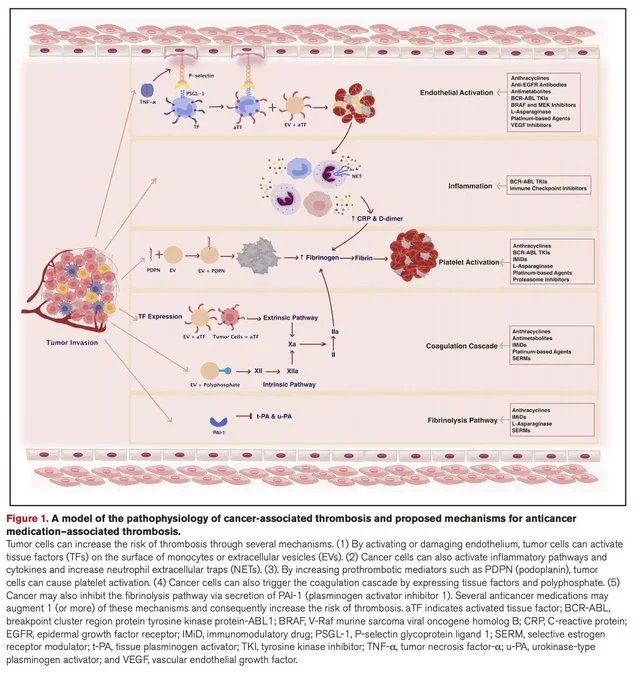
Figure 1 summarizes the biology: tumor cells shed tissue factor bearing vesicles, promote neutrophil extracellular traps, activate platelets through podoplanin, and suppress fibrinolysis through plasminogen activator inhibitor 1. Anticancer drugs can amplify these pathways.
Anthracycline use was an independent risk factor for venous thromboembolism in the COMPASS cancer associated thrombosis study (odds ratio 5.33; 95% confidence interval 2.73 to 10.41) and adds 6 points to that risk score. The excess appears smaller in breast cancer and lymphoma.
In a pooled analysis of 38 randomized trials with 8216 patients, cisplatin increased venous thromboembolism risk by 67% compared with cisplatin free regimens (relative risk 1.67; 95% confidence interval 1.25 to 2.23). Carboplatin and oxaliplatin showed lower rates (0.9% versus 7.8%).
In 17 prospective cohorts of children with acute lymphoblastic leukemia, venous thromboembolism incidence was 5.2%, rising to 9.6% when asparaginase was given for 9 or more days. In young adults receiving pegaspargase, incidence was 11.2% over a median of 64 months.
In chronic myeloid leukemia, second and third generation breakpoint cluster region ABL1 tyrosine kinase inhibitors increased arterial thrombosis compared with imatinib (odds ratio 3.32; 95% confidence interval 2.29 to 4.81), without a significant increase in venous events.
In melanoma, BRAF inhibitor monotherapy did not increase venous thromboembolism risk, but adding a MEK inhibitor did (odds ratio 3.57; 95% confidence interval 1.33 to 9.06). Pulmonary embolism risk was 4.36 times higher with combination therapy than with BRAF inhibitors alone.
In hormone receptor positive breast cancer, adding cyclin dependent kinase 4/6 inhibitors to endocrine therapy increased venous thromboembolism risk, with higher rates in real world cohorts than in trials. Abemaciclib carried higher risk than palbociclib or ribociclib (relative risk 6.77).
Cetuximab and panitumumab, epidermal growth factor receptor antibodies used in colorectal and head and neck cancers, increased venous thromboembolism in 17 randomized trials with 12870 patients (relative risk 1.46; 95% confidence interval 1.26 to 1.69).
Amivantamab, a bispecific antibody used in non small cell lung cancer, carries a large signal. In the MARIPOSA trial, venous thromboembolism occurred in 40% of patients receiving amivantamab plus lazertinib versus 10% with osimertinib. The label advises prophylaxis for the first 4 months.
Tamoxifen nearly doubled venous thromboembolism risk compared with placebo (relative risk 1.9; 95% confidence interval 1.4 to 2.6) and increased ischemic stroke (odds ratio 1.82). Aromatase inhibitors carry lower venous risk but higher myocardial infarction risk than tamoxifen (relative risk 1.20).
In prostate cancer, androgen receptor signaling inhibitors increased acute coronary syndrome and stroke but not venous thromboembolism. Across 5 cohorts with more than 400000 patients, combined androgen deprivation therapy was associated with venous thromboembolism (hazard ratio 2.55).
In multiple myeloma, thalidomide increased venous thromboembolism risk during induction (relative risk 1.53) and maintenance (relative risk 1.96). Lenalidomide regimens carried a 6% cumulative incidence despite prophylaxis, and carfilzomib carried higher risk than bortezomib.
Across 63 randomized trials, immune checkpoint inhibitors increased myocardial infarction (odds ratio 1.51) and stroke (odds ratio 1.56). Trials showed no clear venous signal, but a cohort of 10638 patients reported venous thromboembolism in 11.1% at 12 months.
Poly ADP ribose polymerase inhibitors approximately doubled venous thromboembolism risk across 8 randomized trials in prostate cancer with more than 3800 patients (odds ratio 1.98; 95% confidence interval 1.06 to 3.70). Pharmacovigilance data showed a similar signal (odds ratio 2.60).
Venous findings for vascular endothelial growth factor inhibitors are inconsistent, although cabozantinib increased risk (relative risk 3.21).
The arterial signal is stronger: bevacizumab increased acute coronary syndrome (relative risk 2.13). Table 1 grades evidence across drug classes.
For primary prevention, the Khorana score is the most widely used tool, although it omits drug type and dose (Table S4). In the AVERT and CASSINI trials, apixaban and rivaroxaban reduced venous thromboembolism in high risk outpatients. Guideline positions appear in Table 2.
Low molecular weight heparin and factor Xa inhibitors are both treatment options (Table 3); heparin is preferred in luminal gastrointestinal or urothelial cancers. In the API CAT trial, extended apixaban 2.5 mg twice daily was noninferior to 5 mg, with less bleeding (12.1% versus 15.6%).
Figure 3 maps interactions between anticancer drugs and oral anticoagulants through P glycoprotein and cytochrome P450 pathways. Attribution of risk to individual drugs remains limited by confounding from cancer type, tumor burden, and central venous catheters.”
Tzu-Fei Wang, Associate Professor at University of Ottawa, The Ottawa Hospital, and The Ottawa Hospital Research Institute:
“How should we approach anticoagulation in patients with cancer-associated gonadal and renal vein thrombosis?
These unusual-site venous thromboembolic events present important clinical challenges, and evidence to guide anticoagulation decisions and quantify the risks of recurrent VTE and bleeding remains limited.
Canada and Italy collaborations
N=138, 81.7% started on AC
6 and 12-mo recurrent VTE 3.8%, MB 2.5%.“
Edward Lee Carter, Clinical Pharmacist Practitioner at U.S. Department of Veterans Affairs:
“COBRRA settled one question.
It opened a harder one:
When should a safer choice become the default – and when should patient circumstances override it?
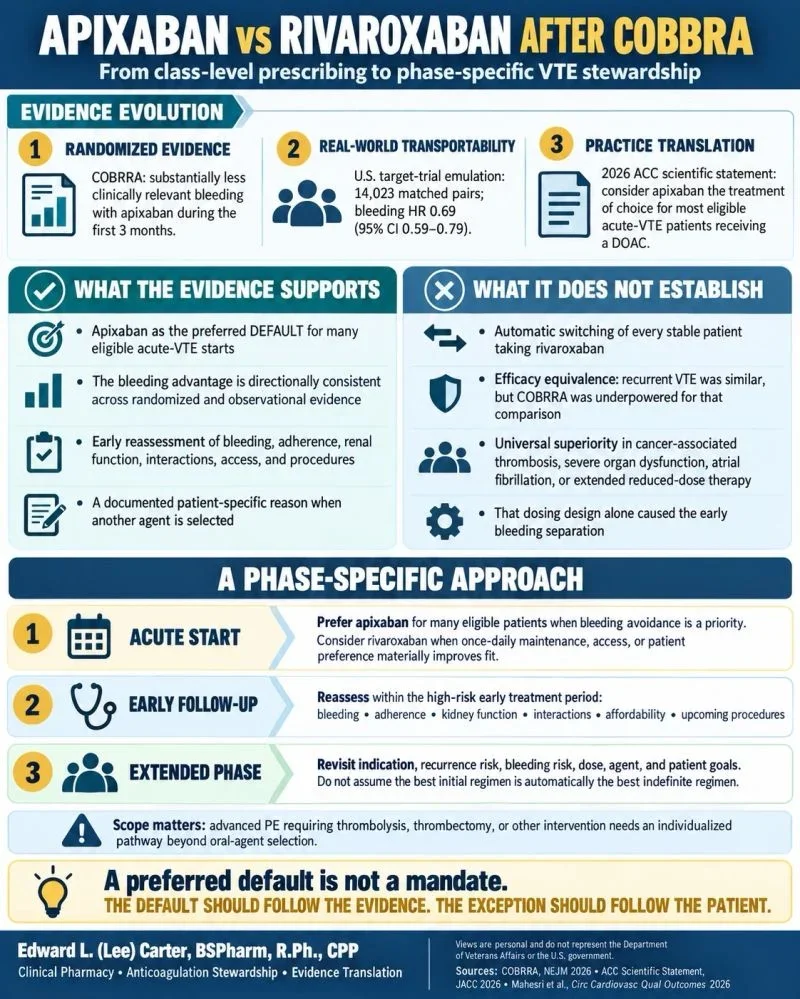
COBRRA found substantially less clinically relevant bleeding with apixaban than rivaroxaban during the first three months of acute VTE treatment. The evidence has continued to evolve.
A U.S. target-trial emulation of more than 14,000 matched pairs found a directionally consistent, although smaller, bleeding advantage with apixaban.
A subsequent American College of Cardiology scientific statement identified apixaban as the preferred choice for many eligible patients beginning DOAC treatment for acute VTE.
Post-publication correspondence highlighted lower complete adherence with twice-daily apixaban. That does not negate the safety finding, but regimen simplicity can influence real-world effectiveness.
Together, these reports address three questions:
1. Is the effect likely causal?
COBRRA’s randomized design strengthens that conclusion for bleeding.
2.Does it extend beyond the trial?
The real-world analysis supports the direction of effect, although not necessarily its full magnitude.
3.How should practice change?
That requires more judgment than naming a winning drug.
For many eligible patients beginning treatment for acute proximal DVT or segmental-or-more-proximal PE, apixaban can now be defended as the preferred default when bleeding avoidance is a priority.
But a preferred default is not a mandate – or a reason to convert every stable patient taking rivaroxaban.
Rivaroxaban may remain reasonable when once-daily maintenance improves adherence, access favors it, or the patient is stable and tolerating therapy.
Important boundaries remain. COBRRA did not establish efficacy equivalence: recurrent VTE was similar, but the trial was underpowered for that comparison. Its findings should not be automatically extrapolated to cancer-associated thrombosis, severe organ dysfunction, atrial fibrillation, extended reduced-dose therapy, or acute PE requiring advanced intervention.
The stewardship opportunity is to build phase-specific pathways:
- Prefer apixaban for many eligible acute-VTE starts
- Document why another agent better fits the patient
- Reassess bleeding, adherence, renal function, interactions and access early
- Avoid disrupting successful long-term therapy without a patient-specific reason
- Revisit agent and dose in the extended phase
- Much of the bleeding separation emerged early, while the drugs use different intensified regimens. That timing matters, although it does not prove that dosing design alone caused the difference.
Antithrombotic stewardship should move beyond ‘use a DOAC’ toward a defensible choice of agent, dose, phase and follow-up.
The default should follow the evidence. The exception should follow the patient.
Views are my own and do not represent the Department of Veterans Affairs or the U.S. government.“
Maha Othman, Co-Chairman SSC on Disseminated intravascular coagulopathy at International Society on Thrombosis and Haemostasis:
“Looking for an Umbrella Review expert to collaborate on a new manuscript on TXA and TBI
We are conducting an ‘Umbrella Review’ to evaluate the existing systematic reviews/meta-analyses, including their methodological quality, overlap in the primary RCTs, and where their conclusions agree or disagree.
We would like to answer this question:
‘What does the highest tier of evidence concluding in all systematic-reviews / clinical trials show about the efficacy and safety of TXA in TBI?
We would like to define where is the rock-solid consensus on TXA, and where the evidence remains muddy in this area.
Objectives: Compile all systematic reviews/ metanalyses on TXA in acute TBI (evaluating TXA dose/regimens, mortality, functional outcomes, and safety risks), critique review quality and quantify primary trial overlap and mapp out the exact reasons for conflicting conclusions in the literature.
This is being led by one of my brilliant mentees Drew Foster and is in collaboration with Dr. Gordon Boyd; critical care medicine specialist at Kingston Health Sciences Centre.
If you have experience with umbrella review methodologies, CCA calculations, or AMSTAR 2 appraisals—and want to help shape a highly publishable piece of evidence synthesis, drop a comment below or send me a DM.”
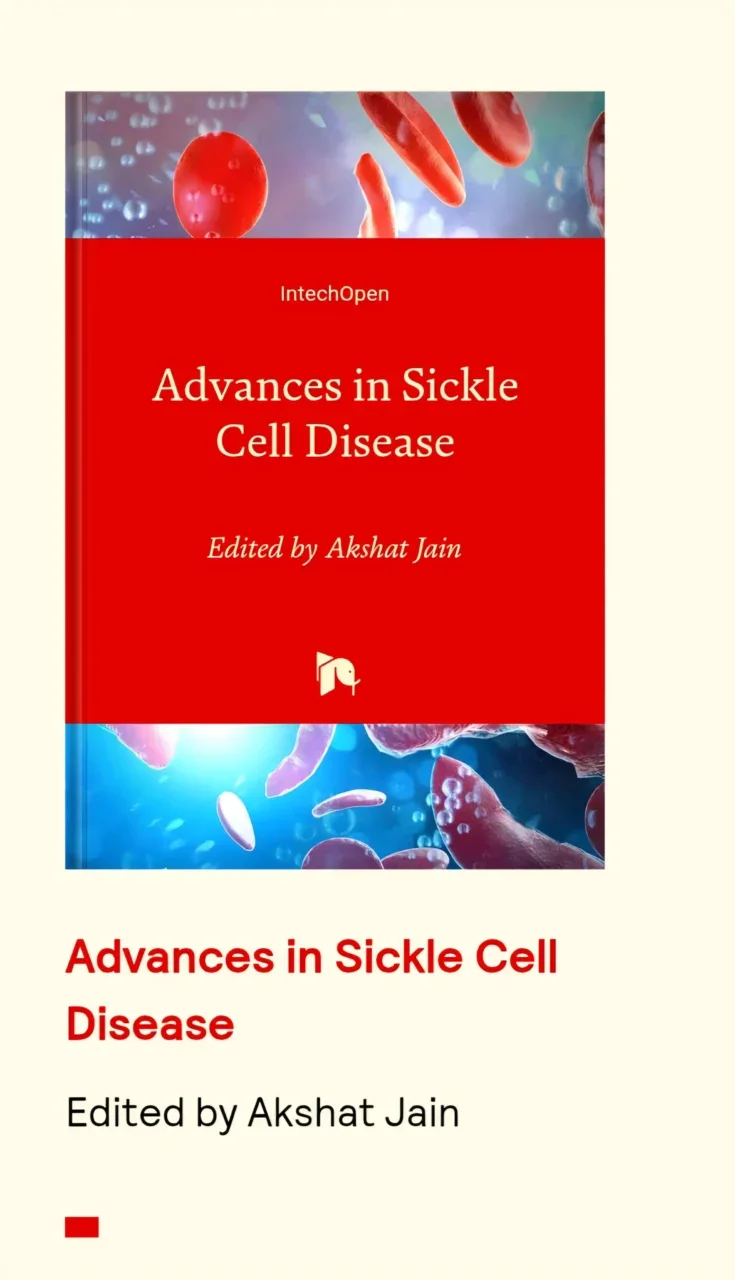
Akshat Jain, Hematology Pediatric Workforce Task Force at American Society of Hematology:
“Happy yo share my new text book on Sickle Cell Anemia.
This medical textbook is a truly global work that shares insights on current state of affairs for the disease globally.
Representation from all regions of the world in one academic work !“
Johannes Gratz, Professor and Deputy Head of the Department of Anesthesiology and Intensive Care Medicine at Campus Benjamin Franklin:
“Now published open access in Thrombosis Research: How do we manage congenital factor VII deficiency in the perioperative setting at Charité – Berlin University Medical Center?
The condition is rare, and robust evidence to guide perioperative care is equally scarce.
The key takeaway: While treatment decisions were primarily driven by FVII activity levels, bleeding events clustered in patients with mild deficiency undergoing high-risk procedures.
As so often, we should treat patients, not numbers.
Perioperative risk assessment should consider both the patients individual bleeding phenotype and the bleeding risk associated with the procedure.”
Stay updated with Hemostasis Today.
-
Oct 11, 2026, 14:38Vandana Puri: Heme Next Showcases the Future of Hematology
-
Oct 11, 2026, 14:29Mohamed Magdy: Essential Thrombocythemia Summary
-
Oct 11, 2026, 14:28Mavis Agnes Kisakye: Expanding Access to Life-Saving Treatment for Bleeding Disorders
-
Oct 11, 2026, 14:18Amber Paratore Sanchez: A Novel Double-Draw Approach to Apheresis Access
-
Oct 11, 2026, 14:09Joseph Sci Borg: The Haemoglobin Switch as a Programmable Biological Transition
-
Oct 11, 2026, 14:07Robert Sidonio։ Bleeding Care for Women and Girls With Hemophilia
-
Oct 11, 2026, 13:58Jose M. Adrover: Postdoctoral Fellowship on Neutrophils and Cancer-Associated Thrombosis
-
Oct 11, 2026, 13:42Natalie Arnold։ Uncovering Hidden Cardiovascular Risk in Apparently Low-Risk Individuals
-
Oct 11, 2026, 12:11Carmine Siniscalchi: Could LDL Cholesterol Help Us Better Predict Bleeding Risk in Patients with VTE?