


Antoine Francis: Albumin – The Donor Patient Equation
Antoine Francis, Founder of Global Plasma Supply LTD, has shared on LinkedIn:
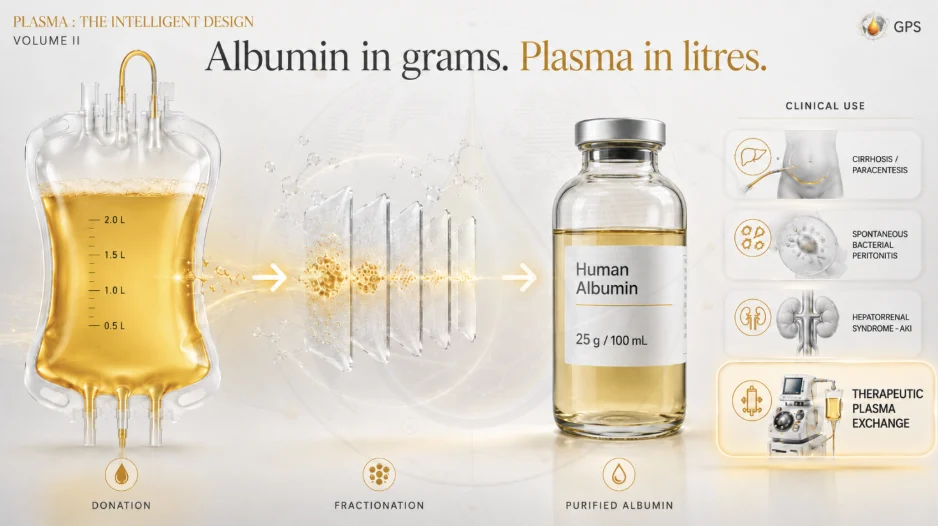
“Albumin is prescribed in grams. Plasma is donated in litres. This issue connects the two.
Human albumin occupies an unusual place in medicine. It is simultaneously a highly purified plasma-derived medicinal product, a familiar fluid in intensive care, hepatology, nephrology, cardiac surgery and apheresis, and a finite biological resource whose production ultimately depends on human plasma donation. Yet the clinical evidence supporting albumin is far more selective than its broad historical use or regulatory labeling might suggest.
The 2024 International Collaboration for Transfusion Medicine Guidelines (ICTMG) evaluated 14 common albumin-use scenarios; only large-volume paracentesis in cirrhosis and spontaneous bacterial peritonitis received conditional recommendations favoring albumin, while routine albumin was not supported across most other evaluated indications.
That distinction has become even sharper since the previous generation of critical-care guidance.
The 2026 Surviving Sepsis Campaign now suggests crystalloids alone over crystalloids plus supplemental albumin for routine fluid resuscitation in adults with sepsis or septic shock, although it notes that supplemental albumin may still be appropriate after large crystalloid volumes or when cirrhosis provides a separate indication. The recommendation is conditional with moderate certainty.
The 2026 ARISS randomized trial is directionally consistent: targeting serum albumin 3.0 g/dL or higher with 20% albumin did not significantly improve 90-day survival compared with standard fluid therapy, although the trial stopped early and was underpowered.
The strongest contemporary clinical case remains concentrated in decompensated cirrhosis: albumin after large-volume paracentesis, albumin with antibiotics for spontaneous bacterial peritonitis, and albumin as part of vasoconstrictor-based treatment for hepatorenal syndrome–acute kidney injury.
AASLD recommends approximately 6–8 g of albumin per litre of ascites removed when more than 5 L is removed, and the FDA-labeled regimen is 8 g/L. SBP commonly uses 1.5 g/kg on day 1 plus 1.0 g/kg on day 3. HRS-AKI treatment with vasoconstrictor therapy commonly begins with approximately 1 g/kg on day 1 followed by 40–50 g/day, with careful avoidance of fluid overload.
The other major albumin consumer is not a disease-specific infusion at all: therapeutic plasma exchange.
ASFA guidance supports TPE across numerous neurologic, renal, hematologic and immunologic disorders, and approximately 1–1.5 plasma volumes are commonly exchanged per session. When 5% albumin is the replacement fluid, a representative 3-L exchange contains about 150 g of albumin.
A five-exchange course therefore consumes about 750 g—several times the albumin required for one episode of SBP. Plasma, rather than albumin, remains necessary when the procedure must replace specific plasma factors, as in thrombotic thrombocytopenic purpura.
How many source-plasma donation-equivalents stand behind each clinical treatment?
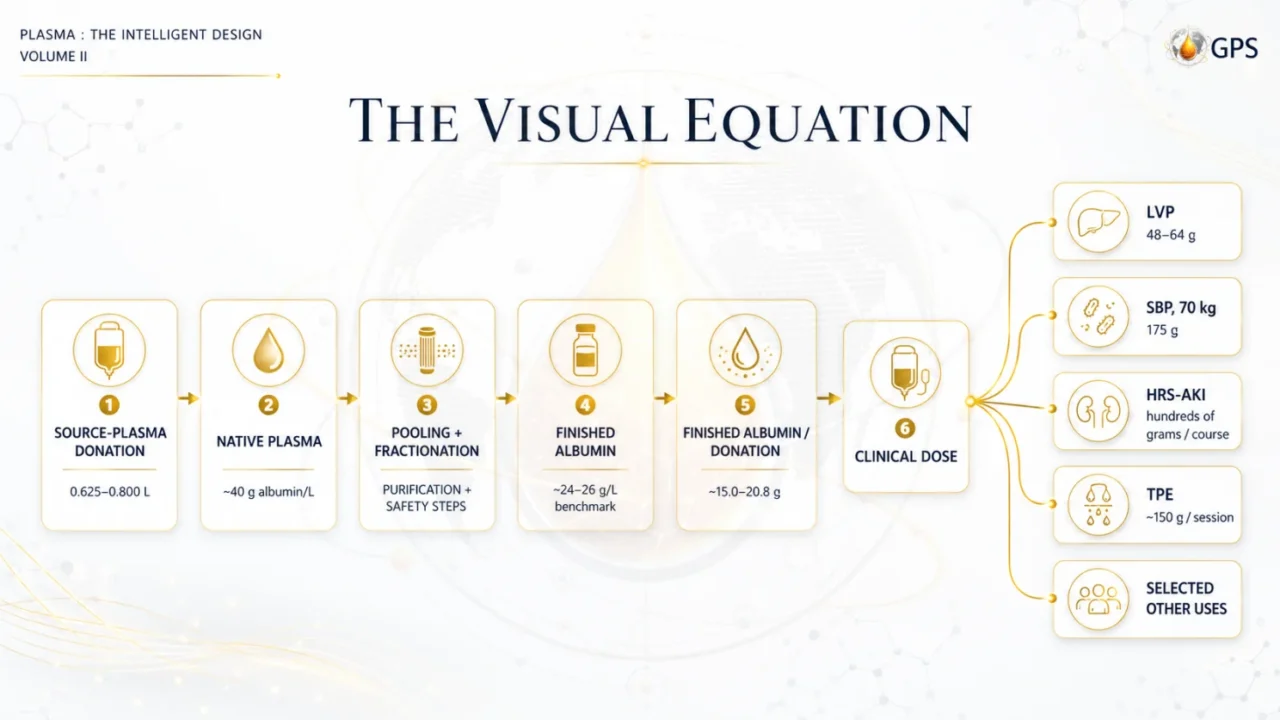
For this issue, the base-case model assumes 0.75 L of pure source plasma per donation and a finished albumin output of approximately 25 g/L of plasma, producing 18.75 g of finished albumin per source-plasma donation-equivalent.
The FDA’s classic simplified source-plasma nomogram spans approximately 625–800 mL of plasma depending on donor weight, while technical fractionation literature places modern finished albumin yields in the mid-20-g/L range; a primary alternative manufacturing study produced 21 g/L.
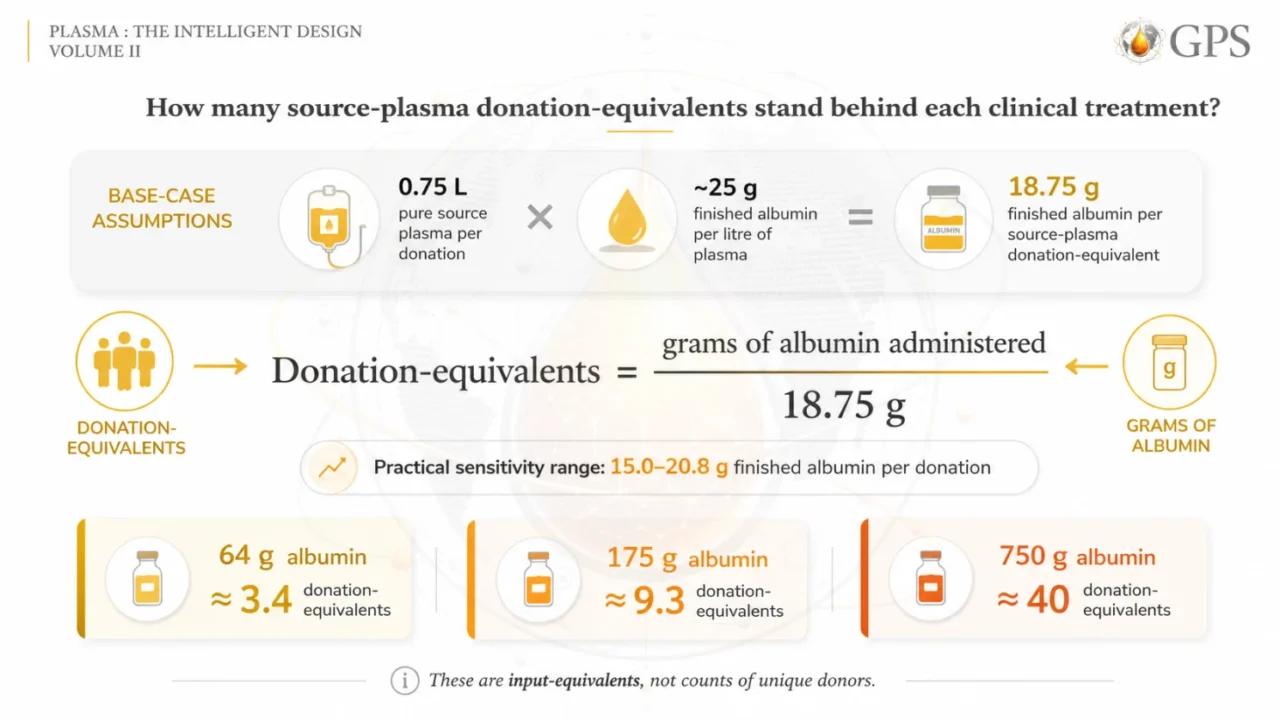
Using a practical base-case sensitivity range of 15.0–20.8 g of finished albumin per donation, a 70-kg patient treated for SBP with 175 g represents approximately 9.3 source-plasma donation-equivalents, with a base-case range of 8.4–11.7.
A representative 8-L paracentesis using 64 g represents 3.4 donation-equivalents; a five-session TPE course using 750 g represents approximately 40 donation-equivalents.
These are input-equivalents, not counts of unique donors: commercial fractionation occurs in large pools, individual donors may donate repeatedly, and albumin can also originate from recovered plasma rather than source plasma.
The most important stewardship lesson is therefore not that every listed indication ‘needs donors.’
It is almost the opposite:
Every clinically justified gram of albumin has a donor cost—and every unnecessary gram consumes the same finite donor resource without delivering proven patient benefit.
The Donor–Patient Equation
From one donation to one clinical dose
A source-plasma donation contains albumin before the plasma ever enters a fractionation plant. WHO technical material describes circulating albumin at roughly 40 mg/mL, or about 40 g/L, although actual donor-plasma concentrations vary biologically.
During industrial fractionation, albumin is separated from immunoglobulins, coagulation proteins and other plasma constituents, purified, formulated, stabilized, virus-safety processed and filled into finished medicinal product. Consequently, the amount of therapeutic albumin recovered is lower than the raw albumin mass originally present.
Published technical estimates describe current mean industrial albumin yields around 24–26 g/L of fractionated plasma; a primary study evaluating an alternative heat-based preparation produced 21 g/L, and a national plasma-sufficiency analysis used 23 g/L as its planning yield.
These differences are exactly why a we should not present a single ‘donations per treatment’ number as a biological constant.
The most defensible approach is a base case plus sensitivity range.
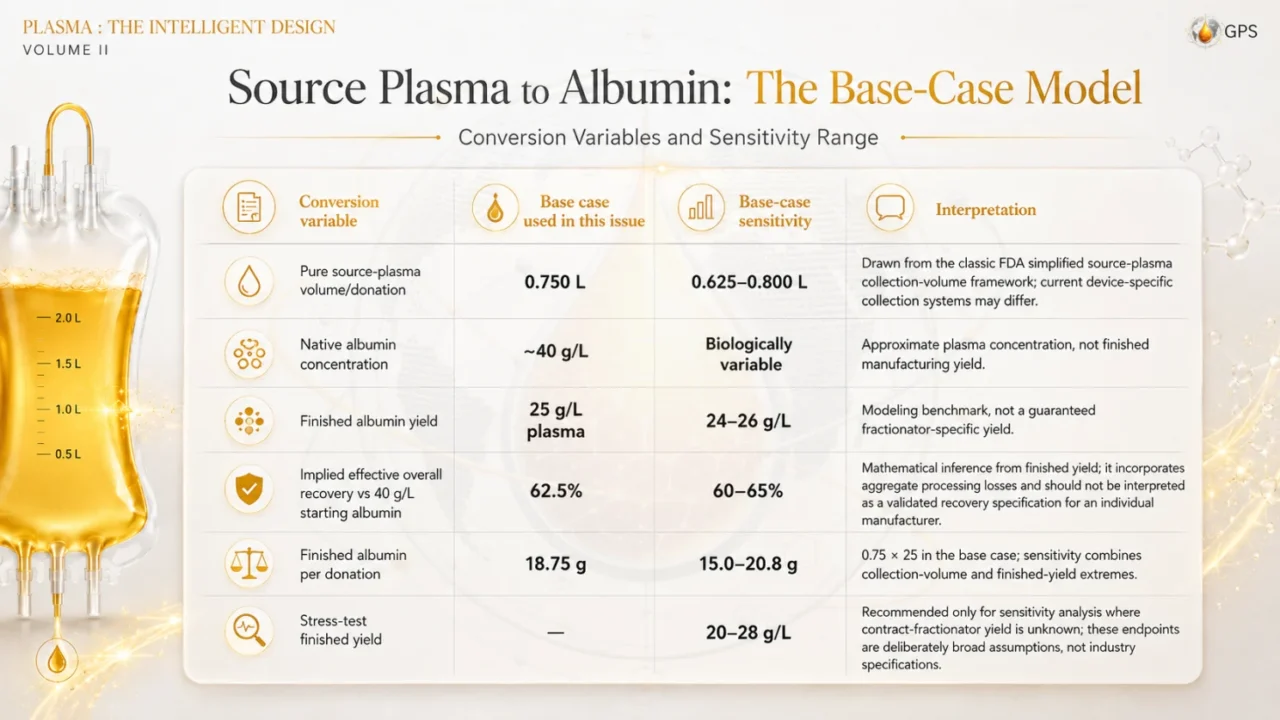
A wider stress test—20–28 g finished albumin/L combined with 0.625–0.800 L donation volumes—would produce approximately 12.5–22.4 g per donation-equivalent.
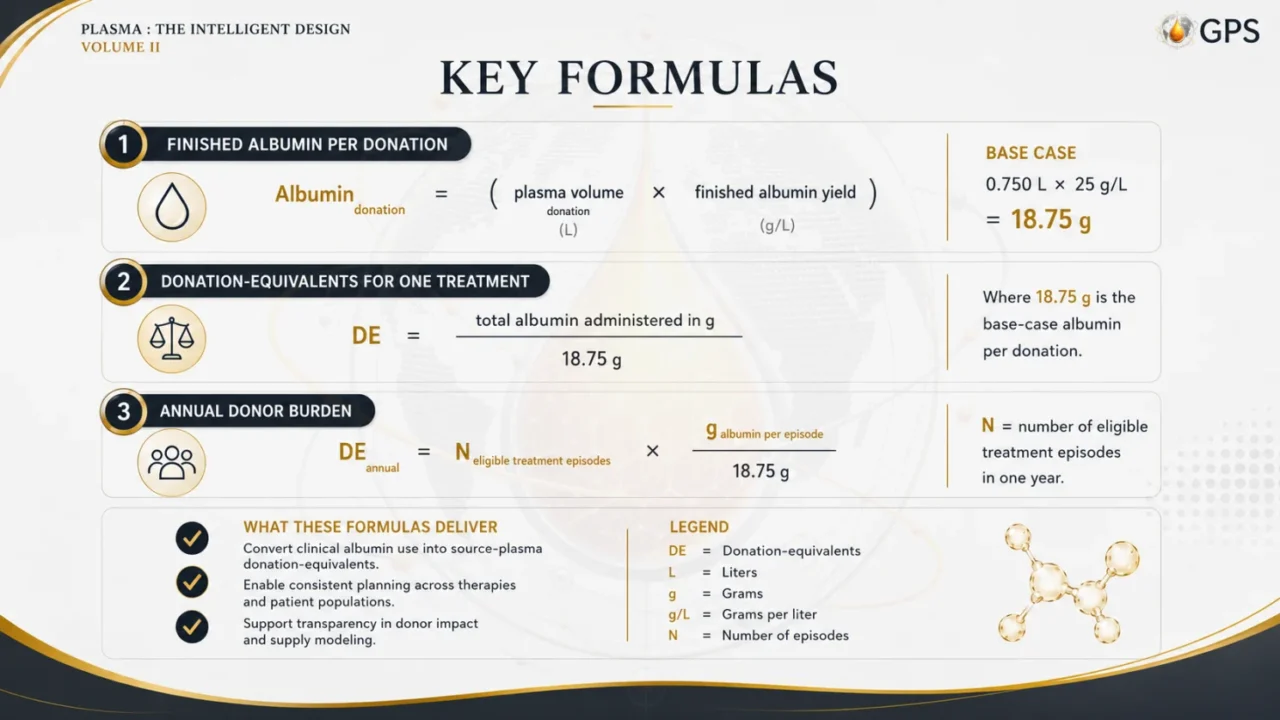
The last equation in the equation table is preferable to multiplying general disease prevalence by a dose. Not every patient with cirrhosis undergoes paracentesis, not every septic patient receives albumin, and not every nephrotic patient has diuretic-resistant edema.
Eligible treatment episodes, not disease prevalence, are the meaningful plasma-supply denominator. AASLD, for example, estimates that roughly 5–10% of people with compensated cirrhosis develop ascites annually, but that does not tell us how many will progress to repeated more than 5-L paracenteses.
Translate vials into grams before translating grams into donors
Albumin concentration frequently obscures the true amount consumed. A 5% solution contains 5 g/100 mL or 50 g/L, while a 20% solution contains 20 g/100 mL or 200 g/L and a 25% solution contains 25 g/100 mL or 250 g/L.
The FDA Albuminex label illustrates why clinical discussion should be expressed in grams rather than ‘bottles’: the same number of grams can be delivered using very different infusion volumes.
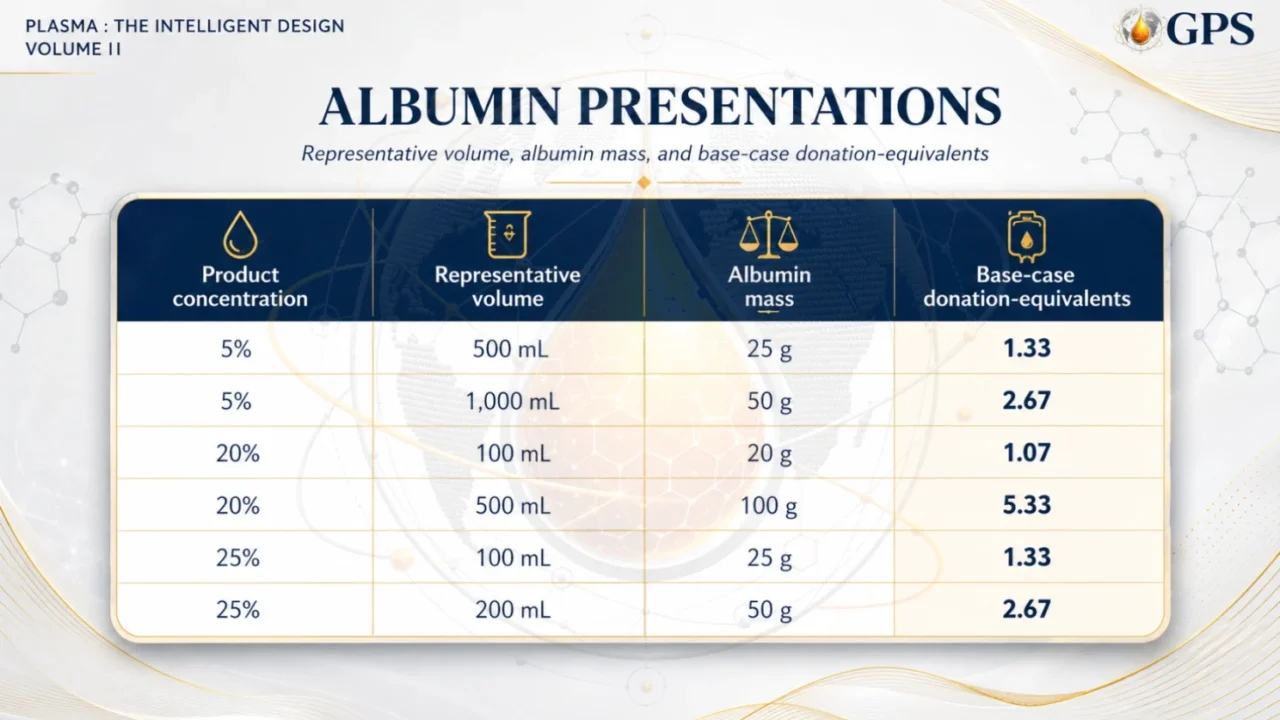
The vial is the final container. The donation-equivalent is the biological input behind it.
Albumin’s Strongest Clinical Footing
Cirrhosis with large-volume paracentesis
Clinical rationale. Removing a large volume of ascitic fluid can worsen effective arterial underfilling and precipitate paracentesis-induced circulatory dysfunction, hyponatremia and renal dysfunction. Albumin is used as a plasma expander to mitigate that circulatory disturbance rather than merely to replace protein lost into the drained ascitic fluid.
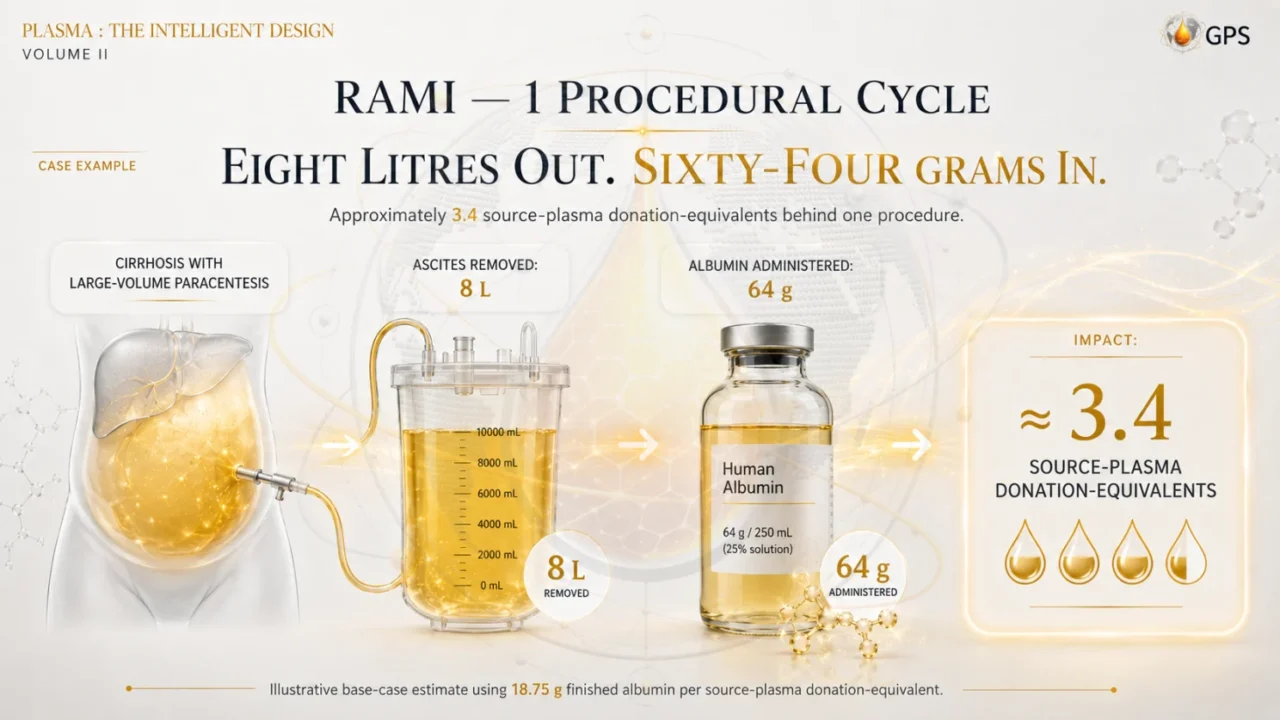
AASLD guidance uses approximately 6–8 g/L of ascites removed for large-volume paracentesis, while the FDA-labeled Albuminex regimen is 8 g for each litre removed. ICTMG conditionally supports albumin when morre than 5 L is removed, although the certainty of evidence was rated very low.
For an 8-L paracentesis, 6–8 g/L equals 48–64 g albumin, corresponding to 2.6–3.4 base-case donation-equivalents. Incorporating manufacturing/donation-volume sensitivity gives an approximate range of 2.3–4.3 donation-equivalents. At 10 L and 8 g/L, 80 g represents about 4.3 donation-equivalents, or approximately 3.8–5.3 across the base sensitivity model.
Patient lens — ‘Rami‘ arrives with a tense abdomen and leaves several hours later eight litres lighter. The 64 g of albumin protecting his circulation after that procedure represents roughly 3.4 source-plasma donation-equivalents—and if the same 8-L procedure were needed monthly, his albumin requirement alone would approach 768 g, or about 41 donation-equivalents in one year.
Spontaneous bacterial peritonitis
SBP is one of the clearest outcome-oriented albumin indications. In cirrhosis, infection can intensify systemic vasodilation and effective hypovolemia, leading to renal dysfunction. Albumin given with antibiotics reduces the risk of renal impairment and mortality in the populations on which the practice was established.
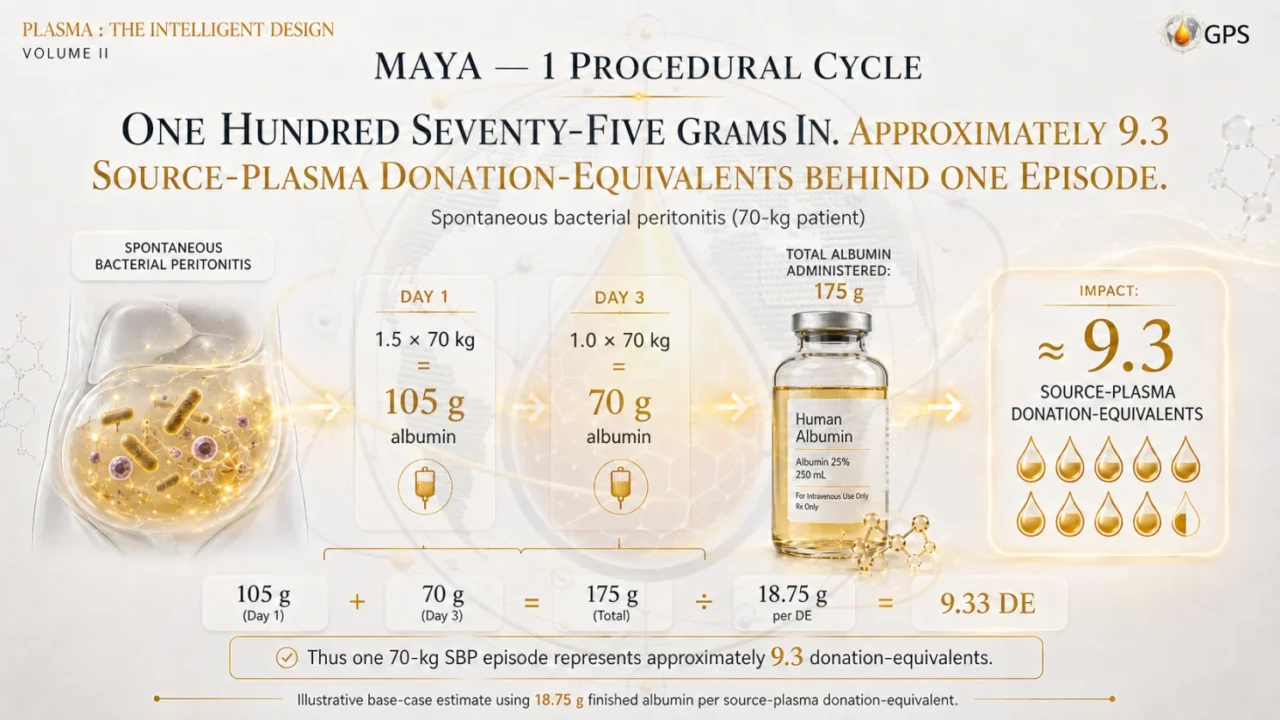
AASLD’s standard regimen is 1.5 g/kg on day 1 and 1.0 g/kg on day 3, and ICTMG conditionally recommends albumin for SBP with low-certainty evidence.
For a 70-kg patient:
- 1.5 times 70 equals 105,g
- 1.0 times 70 equals 70,g
- 105 plus 70 equals 175,g
- 175 divided by 18.75 equals 9.33,DE
Thus one 70-kg SBP episode represents approximately 9.3 donation-equivalents, with a base sensitivity range of 8.4–11.7. For a 60–80 kg adult, the standard two-dose course requires 150–200 g, equivalent to about 8.0–10.7 donation-equivalents under the central model.
Patient lens — ‘Maya‘ is admitted with fever, abdominal discomfort and infected ascitic fluid. Her antibiotics attack the infection; the albumin protects a circulation and kidney system threatened by the physiologic consequences of that infection—and at 70 kg, her standard two-dose course represents approximately nine source-plasma donation-equivalents.
Hepatorenal syndrome–acute kidney injury
HRS-AKI is not simply ‘low albumin.’ It reflects severe circulatory dysfunction in advanced liver disease. Modern treatment couples plasma-volume support with vasoconstriction, preferably terlipressin where appropriate and available, to improve effective arterial filling and renal perfusion.
AASLD guidance uses an albumin challenge in the diagnostic or initial management process and recommends albumin with vasoconstrictor therapy; commonly cited treatment regimens use approximately 1 g/kg on day 1 followed by 40–50 g/day.
In the United States, the FDA terlipressin label permits treatment until HRS reversal criteria are met or for a maximum of 14 days.
Importantly, both FDA or EMA safety communications and contemporary practice emphasize careful volume assessment: terlipressin plus albumin can contribute to pulmonary edema or respiratory failure in susceptible patients, and EMA specifically advises considering reduction of albumin if fluid overload or respiratory symptoms emerge.
70-kg patient, using 70 g on day 1 followed by a midpoint of 45 g/day:
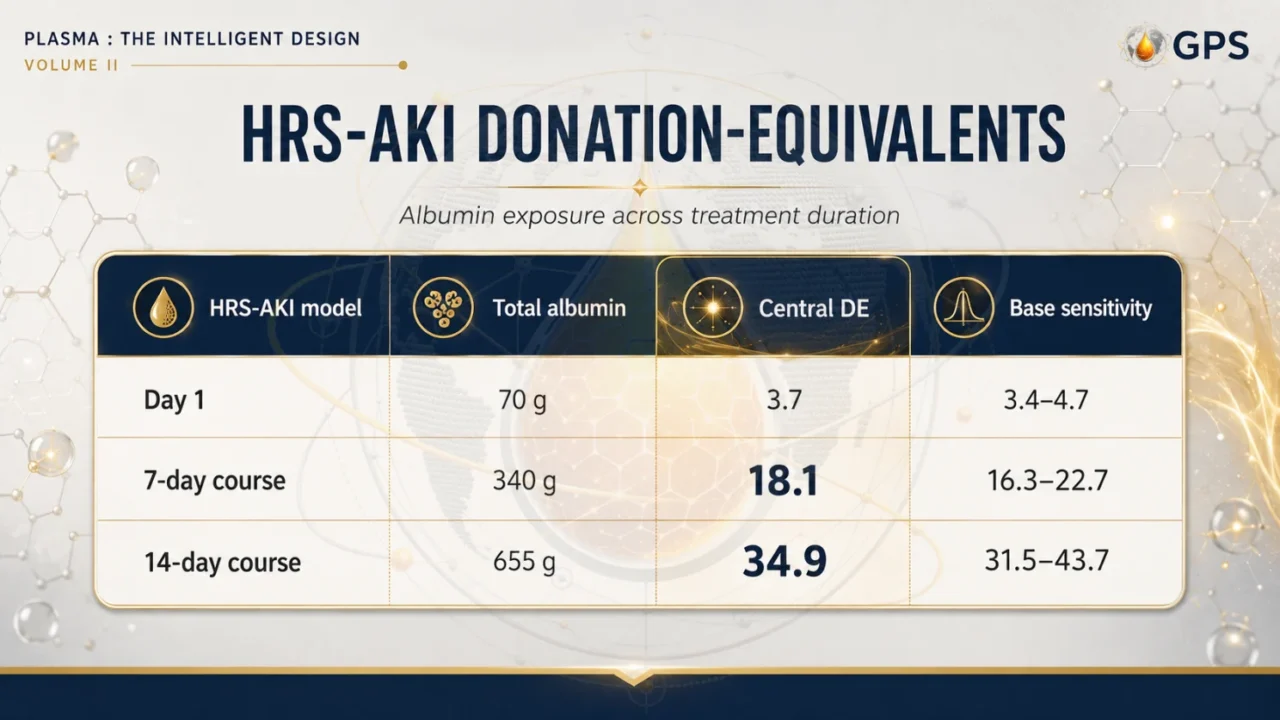
Albumin is titrated to clinical status, and treatment may finish before day 14. The albumin-specific contribution is also difficult to isolate from the vasoconstrictor because modern pivotal HRS trials generally study the treatment package rather than albumin versus no albumin.
Guideline-supported combination therapy, with indirect albumin-specific evidence. The biological and clinical rationale is strong enough for standard practice, but one should not assign the entirety of the terlipressin-plus-albumin RCT effect to albumin itself.
Patient lens — ‘Joseph’s‘ creatinine is climbing as advanced cirrhosis collapses his effective circulation. His albumin requirement can move from tens into hundreds of grams over a treatment course; a seven-day illustrative regimen already represents about 18 donation-equivalents, making HRS-AKI one of albumin’s most plasma-intensive acute indications.
Where Albumin Is Selective, Contested, or Usually Avoided
The critical editorial distinction for this section is regulatory indication versus evidence-based routine use. The U.S. Albuminex label contains broad indications including hypovolemia, burns, acute nephrosis, ARDS and cardiopulmonary bypass, with explicit dosing instructions.
The 2024 ICTMG evidence-based guideline is substantially more restrictive across many of those same settings. Both facts can be true: regulatory labeling establishes an authorized use; it does not guarantee that modern comparative evidence supports routine use in every eligible patient.
Sepsis, septic shock and general critical care
Albumin has attractive physiology: oncotic pressure, ligand binding, antioxidant activity and a smaller infused volume for a given colloid effect. But those biological properties have not translated into a consistent survival advantage in unselected critically ill patients.
SAFE found similar overall outcomes with albumin and saline, ALBIOS did not demonstrate an overall mortality benefit from targeting albumin in severe sepsis or septic shock, and the new ARISS trial found 90-day mortality of 43.3% with albumin versus 45.9% with standard therapy, a nonsignificant difference.
This evidence is reflected in the 2026 Surviving Sepsis Campaign: use crystalloids first, and conditionally prefer crystalloids alone to crystalloids plus supplemental albumin for routine resuscitation. Albumin can remain an individualized option after large crystalloid exposure or when the patient has another albumin-responsive condition such as cirrhosis.
ARISS provides a useful resource-exposure example, not a recommended regimen: the intervention used a 60-g loading dose, followed by 40–80 g/day when necessary to keep serum albumin 3.0 g/dL or higher. The 60-g loading dose alone equals 3.2 donation-equivalents; each additional 40–80 g represents another 2.1–4.3 donation-equivalents/day under our central model.
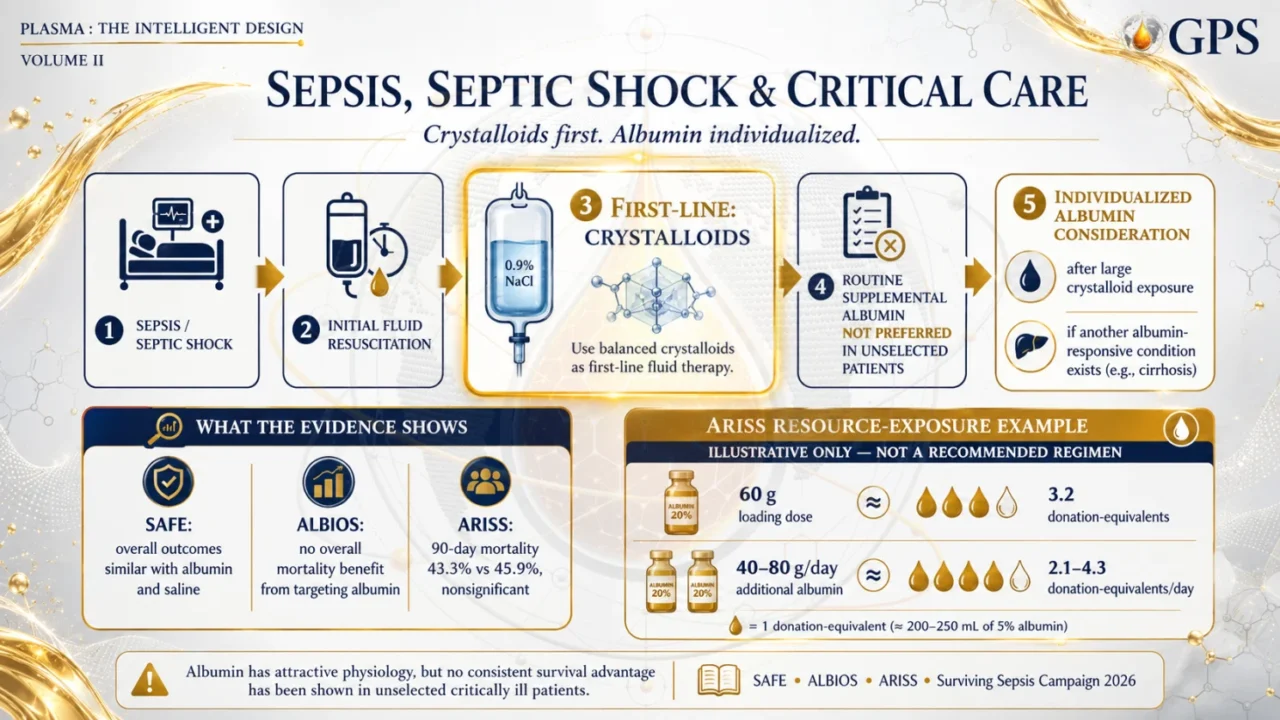
Patient lens — ‘David‘ arrives in septic shock, and the first litres restoring his circulation are crystalloids—not albumin. If his team later decides that concentrated colloid is appropriate after extensive resuscitation, every 60-g albumin exposure represents about three donation-equivalents.
Traumatic brain injury
Albumin deserves its own warning within critical care. In the SAFE traumatic-brain-injury subgroup, albumin resuscitation was associated with worse long-term mortality than saline, and the 2026 SSC explicitly advises avoiding supplemental albumin in patients with traumatic brain injury.
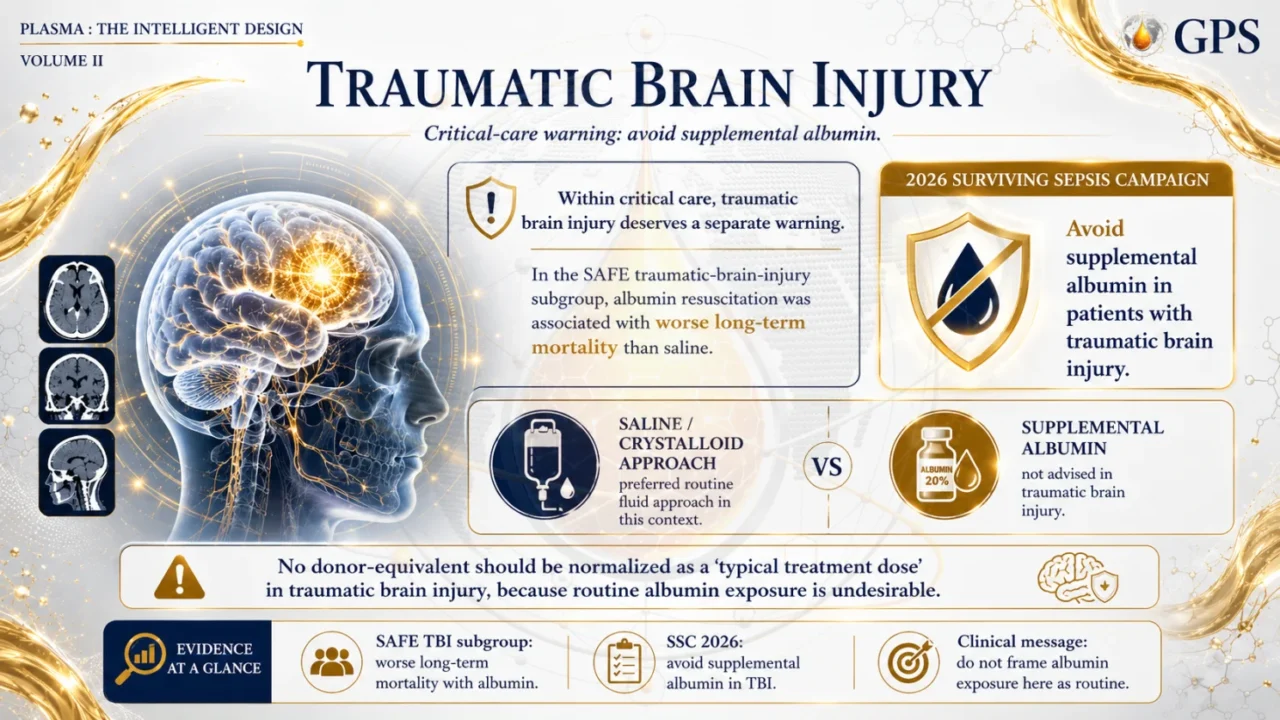
No donor-equivalent should be normalized as a ‘typical treatment dose’ because this is a setting in which routine albumin exposure is undesirable.
Patient lens — ‘Alex‘ needs rapid resuscitation after a severe head injury. Here donor stewardship means not using albumin simply because it is available: the safer evidence-based choice preserves both the patient and the plasma-derived medicine for patients who are more likely to benefit.
Severe burns
The burn literature illustrates how two recommendations can appear contradictory but actually address different questions.
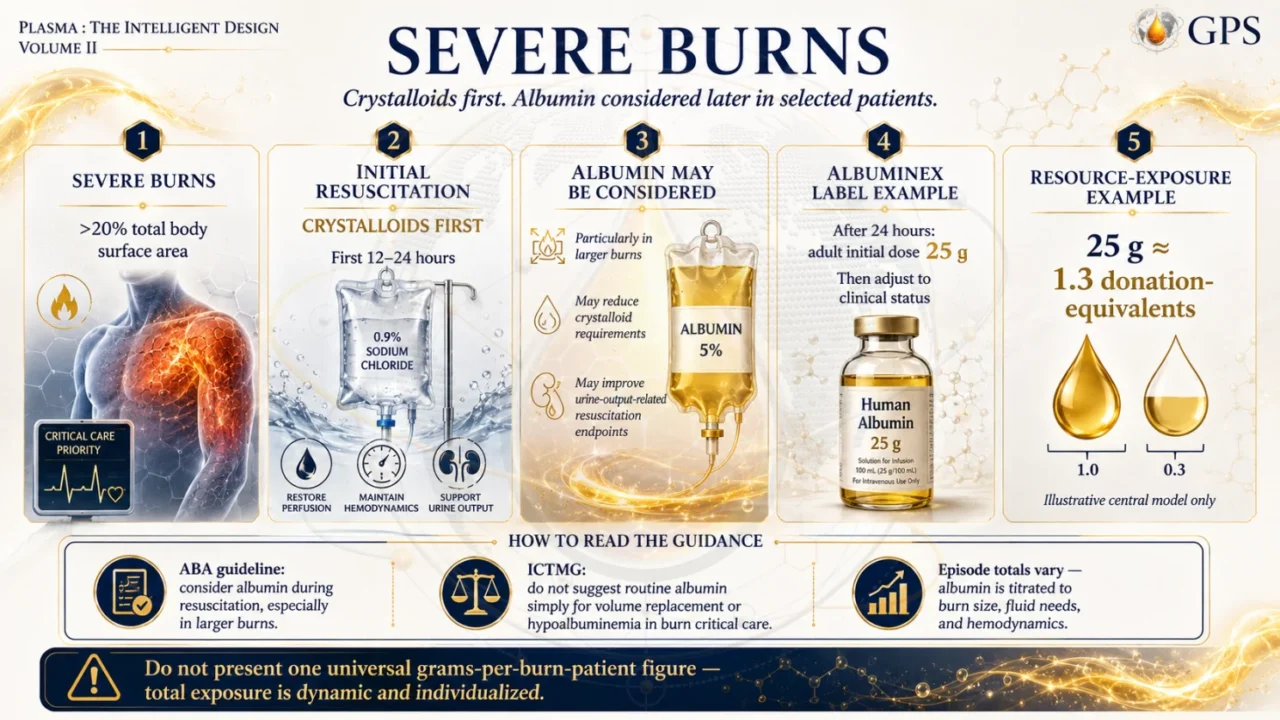
The 2024 American Burn Association guideline supports considering albumin during resuscitation, particularly in larger burns, to reduce crystalloid requirements and improve urine-output-related resuscitation endpoints, while ICTMG does not suggest routine albumin simply for volume replacement or correction of hypoalbuminemia in critically ill burn patients because outcome evidence remains very uncertain.
The U.S. Albuminex label specifies severe burns more than 20% total body surface area but emphasizes that initial resuscitation should be with crystalloids and that albumin generally begins after the first 12–24 hours; the labeled adult initial dose after 24 hours is 25 g, adjusted thereafter according to clinical status.
Twenty-five grams corresponds to 1.3 donation-equivalents. The true episode total can be substantially higher because albumin use is dynamically titrated to burn size, fluid requirements and hemodynamics; therefore a single universal ‘grams per burn patient’ would be scientifically misleading.
Patient lens — ‘Nadia‘ has a major thermal injury and receives aggressive crystalloid resuscitation first. If albumin is later introduced to control escalating fluid requirements, her donor dependency is determined not by one fixed burn dose, but by how much albumin is required to achieve safe resuscitation without unnecessary exposure.
Do Not Mistake ‘Not the Driver’ for ‘Not Needed’
After plasma exchange, cirrhosis, sepsis, traumatic brain injury, and severe burns, we are still not halfway through exploring the importance of this PDMP.
Albumin is selective. The evidence is sometimes uncertain. Modern guidelines are often more restrictive than historical practice. And unlike immunoglobulin, albumin may not be the molecule driving the global demand for plasma.
But do not make the mistake of confusing ‘not the driver’ with ‘not needed.’
Because medicine is not practiced at the level of market averages.
It is practiced at the bedside.
And to the patient whose circulation is collapsing in hepatorenal syndrome, to the patient whose plasma must be replaced during therapeutic plasma exchange, to the patient with spontaneous bacterial peritonitis whose kidneys are suddenly at risk, or to the extensively burned patient in whom the resuscitation strategy has become increasingly difficult…
Albumin is not a secondary product.
In that moment, it is the product that matters.
That distinction should weigh on us.
A plasma system built only around the molecule that drives demand can still fail the patient who needs the molecule that does not.
And this is precisely why plasma stewardship has two responsibilities that cannot be separated:
We must protect albumin from unnecessary use. We must also protect patients from unnecessary scarcity.
Every unjustified gram consumes a finite human gift.
But every justified gram that is unavailable represents something else entirely:
A donor gift that never reached the patient who needed it.
And we are not finished with albumin. In fact, the story is about to become considerably more uncomfortable.
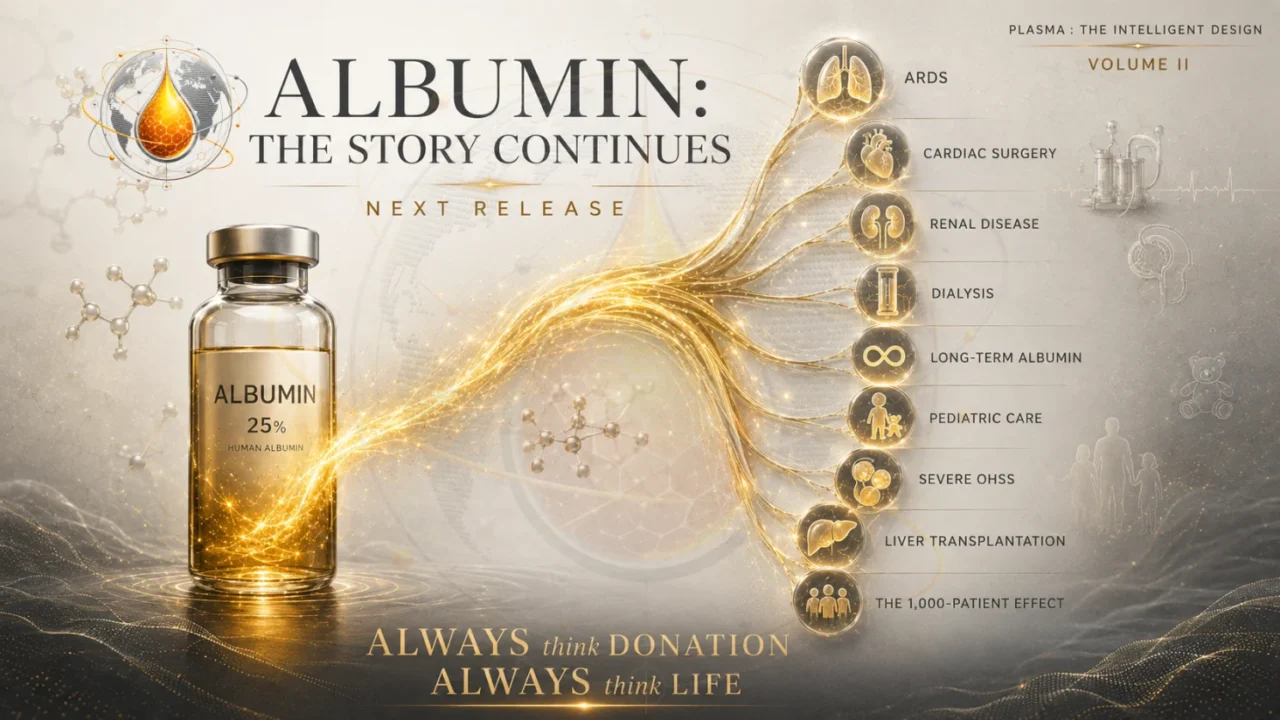
Because beyond severe burns lie indications where regulatory approval, physiological logic, randomized evidence and modern guidelines begin to pull in different directions. We will enter ARDS, cardiac surgery, renal disease and dialysis. We will ask whether a low albumin concentration should ever be treated simply because it is low.
We will examine long-term albumin, where the exposure can move from grams to kilograms for a single patient. And we will follow albumin into pediatrics, obstetrics, transplantation and some of the most complex fluid-management decisions in medicine.
Then we will do something even more important. We will stop looking at one vial. We will stop looking at one patient.
And we will ask what happens when these decisions are multiplied across hundreds—and then thousands—of eligible treatment episodes.
Albumin may not be the molecule that commands the plasma economy. But it is unquestionably one of the molecules the plasma economy must be capable of delivering.
So keep that thought with you:
Not every plasma protein has to drive demand to justify its place in the donor chair. Some only have to be desperately needed by the right patient, at the right moment.
And the albumin story is far from over.
Sources:
- Callum J, et al. Use of intravenous albumin: a guideline from the International Collaboration for Transfusion Medicine Guidelines. Chest. 2024;166(2):321-338. doi:10.1016/j.chest.2024.02.049.
- Biggins SW, Angeli P, Garcia-Tsao G, Ginès P, Ling SC, Nadim MK, et al. Diagnosis, evaluation, and management of ascites, spontaneous bacterial peritonitis and hepatorenal syndrome in cirrhosis: 2021 practice guidance by the American Association for the Study of Liver Diseases. Hepatology. 2021;74(2):1014-1048. AASLD lists this as its current practice guidance for ascites, SBP and HRS.
- U.S. Food and Drug Administration. ALBUMINEX 5% (albumin [human]) prescribing information. Indications include hypovolemia, ascites/LVP, HRS, SBP, burns, acute nephrosis, ARDS and cardiopulmonary bypass; the label contains the dosing schedules reproduced in this issue.
- U.S. Food and Drug Administration. Volume Limits for Automated Collection of Source Plasma. FDA simplified nomogram specifying approximately 625, 750 and 800 mL pure plasma collection volumes by donor-weight category.
- World Health Organization. Plasma Fractionation Programmes for Developing Countries: Technical Aspects and Infrastructural Requirements. WHO Regional Publications; 1999. WHO material describes plasma albumin at approximately 40 mg/mL.
- Aghaie A, et al. Preparation of albumin from human plasma by heat denaturation. Vox Sang. 2012. The investigated process produced >99% purity and approximately 21 g albumin/L plasma.
- Burnouf T. Modern plasma fractionation. Transfus Med Rev. 2007;21(2):101-117. Modern technical estimates reported mean albumin yields of approximately 24–26 g/L plasma.
- Sort P, Navasa M, Arroyo V, Aldeguer X, Planas R, Ruiz-del-Arbol L, et al. Effect of intravenous albumin on renal impairment and mortality in patients with cirrhosis and spontaneous bacterial peritonitis. N Engl J Med. 1999;341(6):403-409. The trial forms part of the evidence base underlying contemporary SBP guidance. [2]
- Wong F, Pappas SC, Curry MP, Reddy KR, Rubin RA, Porayko MK, et al. Terlipressin plus albumin for the treatment of type 1 hepatorenal syndrome. N Engl J Med. 2021;384(9):818-828. doi:10.1056/NEJMoa2008290.
- U.S. Food and Drug Administration. TERLIVAZ (terlipressin) prescribing information. U.S. approval 2022; treatment continues until response criteria or a maximum of 14 days.
- European Medicines Agency. Terlipressin-containing medicinal products indicated in the treatment of hepatorenal syndrome: safety recommendations. EMA emphasizes respiratory-failure/fluid-overload risk and consideration of reducing albumin when clinically appropriate.
- Caraceni P, Riggio O, Angeli P, Alessandria C, Neri S, Foschi FG, et al; ANSWER Study Investigators. Long-term albumin administration in decompensated cirrhosis (ANSWER): an open-label randomised trial. Lancet. 2018;391(10138):2417-2429. The regimen was 40 g twice weekly for two weeks followed by 40 g weekly for up to 18 months.
- China L, Freemantle N, Forrest E, et al. A randomized trial of albumin infusions in hospitalized patients with cirrhosis. N Engl J Med. 2021;384:808-817. doi:10.1056/NEJMoa2022166. ATTIRE tested targeted albumin infusion to achieve serum albumin 30 g/L or higher.
- Surviving Sepsis Campaign. International Guidelines for Management of Sepsis and Septic Shock 2026. Society of Critical Care Medicine; 2026. The current adult guideline recommends crystalloids first-line and conditionally suggests crystalloids alone over crystalloids plus supplemental albumin.
- Sakr Y, et al. Albumin replacement therapy in septic shock: a randomized clinical trial. JAMA Netw Open. 2026. The ARISS trial randomized 440 adults; 90-day mortality was 43.3% with protocolized albumin versus 45.9% with standard therapy, without a significant difference.
- SAFE Study Investigators. A comparison of albumin and saline for fluid resuscitation in the intensive care unit. N Engl J Med. 2004;350:2247-2256. The SAFE trial enrolled 6,997 critically ill patients and found no overall outcome advantage for albumin. The trial is summarized in the contemporary ARISS report.
- Myburgh J, Cooper DJ, Finfer S, et al; SAFE Study Investigators. Saline or albumin for fluid resuscitation in patients with traumatic brain injury. N Engl J Med. 2007;357:874-884. Contemporary SSC guidance consequently advises avoiding supplemental albumin in TBI.
- American Burn Association. Clinical practice guidelines on burn shock resuscitation. J Burn Care Res. 2024. The guideline supports considering human albumin, particularly in larger burns, for fluid-sparing resuscitation objectives while acknowledging limitations in evidence.
- Pesonen E, et al. Effect of 4% albumin solution vs Ringer acetate on major adverse events in patients undergoing cardiac surgery with cardiopulmonary bypass: the ALBICS randomized clinical trial. JAMA. 2022. Among 1,386 patients, albumin did not significantly reduce major adverse events.
- Shehabi Y, et al. Postoperative 20% albumin infusion and acute kidney injury in high-risk cardiac surgery patients: the ALBICS-AKI randomized clinical trial. 2025. A 300-mL 20% albumin infusion increased the adjusted risk of postoperative AKI and did not support routine hyperoncotic albumin use.
- Connelly-Smith L, Alquist CR, Aqui NA, Hofmann JC, Klingel R, Onwuemene OA, et al. Guidelines on the use of therapeutic apheresis in clinical practice—evidence-based approach from the Writing Committee of the American Society for Apheresis: the ninth special issue. J Clin Apher. 2023;38(2):77-278. doi:10.1002/jca.22043.
- Cervantes CE, et al. Therapeutic plasma exchange: Core Curriculum 2023. Am J Kidney Dis. 2023. Contemporary TPE practice commonly uses approximately 1–1.5 plasma-volume exchanges, with albumin or plasma chosen according to the therapeutic objective.
- Kidney Disease: Improving Global Outcomes Glomerular Diseases Work Group. KDIGO 2021 clinical practice guideline for the management of glomerular diseases. Kidney Int. 2021;100(4S):S1-S276.
- Surviving Sepsis Campaign. International guidelines for the management of septic shock and sepsis-associated organ dysfunction in children. Society of Critical Care Medicine. The guideline suggests crystalloids rather than albumin for initial pediatric resuscitation, with moderate certainty.
- Hamoda H, Drakeley AJ, Brian K, Evbuomwan IO, Mathur R; Royal College of Obstetricians and Gynaecologists. The management of ovarian hyperstimulation syndrome: Green-top Guideline No. 5. BJOG. 2026;133(7):50-69. doi:10.1111/1471-0528.70195. The guideline permits 20% albumin 50–100 g for selected severe OHSS with persistent intravascular depletion; evidence level 4/grade D.
- Society of Critical Care Medicine. Guidelines for the management of adult acute and acute-on-chronic liver failure. SCCM; 2023. The guideline conditionally suggests albumin over crystalloid for intraoperative volume replacement in liver-transplant recipients, with low-quality evidence, and strongly recommends albumin in critically ill ACLF patients with SBP.
- Caironi P, Tognoni G, Masson S, et al; ALBIOS Study Investigators. Albumin replacement in patients with severe sepsis or septic shock. N Engl J Med. 2014;370:1412-1421. The trial is reviewed in the contemporary ARISS report and did not demonstrate an overall mortality benefit from albumin targeting.
- Ghasemi Z, et al. Streaming towards plasma self-sufficiency. Iran J Blood Cancer. 2024;16(1). The national planning analysis used an average albumin fractionation yield of approximately 23 g/L plasma, illustrating real-world variation around industrial yield assumptions.”
More posts featuring Antoine Francis on Hemostasis Today.
-
Sep 6, 2026, 14:15Listening to One Another Drives Innovation and Better Therapies in Hemophilia Care – Global Hemophilia Report
-
Sep 6, 2026, 14:12Filippo Crea: Exploring the Role of PAR4 in Platelet Hyperactivation in Hypertension
-
Sep 6, 2026, 14:10PALOP Coalition in Action: Practical Haemophilia Training in Angola – NNHF
-
Sep 6, 2026, 14:07Webinar on the Global Prevalence and Ethnic Diversity of von Willebrand Disease – EHC
-
Sep 6, 2026, 14:04Fatima Jamali: Advancements and Real-World Insights in Cell and Gene Therapy at MENA Rare Diseases 2026
-
Sep 6, 2026, 12:5810 Posts Not to Miss This Week
-
Sep 6, 2026, 12:38Parveen Yograj: Atrial Fibrillation More Than an Irregular Heartbeat
-
Sep 6, 2026, 12:38Marsha McLeod: The Safety Question Behind Canada’s High-Frequency Plasma Donations
-
Sep 6, 2026, 12:27Alan Nurden: Inherited GPIV (CD36) Deficiency Linked to Bleeding for the First Time