

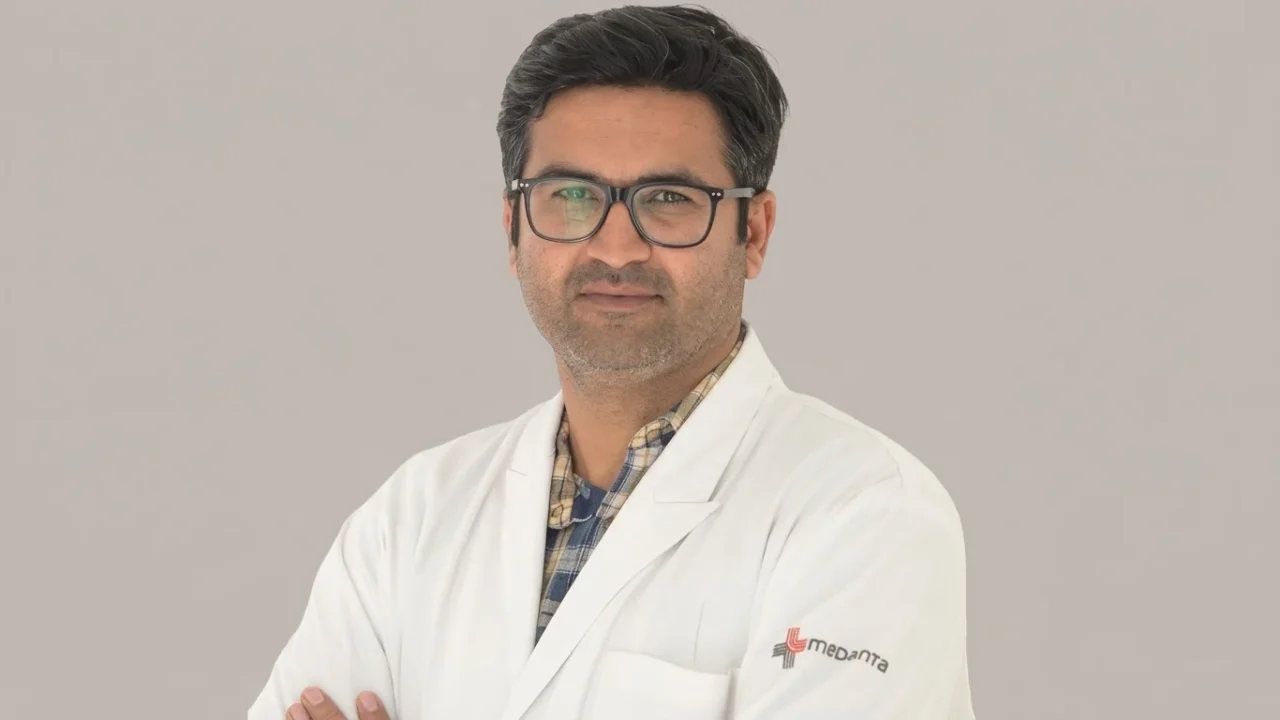
Gajendra Singh Sandhu: Essential Brain Health Tips to Prevent Stroke
Gajendra Singh Sandhu, Senior Consultant at Max Super Speciality Hospital, Vaishali Max Healthcare, shared on LinkedIn:
”Stroke is one of the most serious health conditions affecting millions of people worldwide, but many cases can be prevented through awareness and healthy lifestyle choices.
In this article, we discuss the importance of maintaining brain health and share practical tips that can help reduce the risk of stroke.
From managing blood pressure and maintaining a balanced diet to staying physically active and recognizing early warning signs, the blog highlights key steps individuals can take to protect their brain and overall well-being.
Understanding Stroke and Its Impact
A stroke occurs when the blood supply to a part of the brain is interrupted or reduced, preventing brain tissue from receiving oxygen and nutrients.
Within minutes, brain cells begin to die, which can lead to severe neurological damage, loss of mobility, speech difficulties, or even life-threatening complications.
There are two main types of stroke:
- Ischemic Stroke: Caused by a blockage in the blood vessels supplying the brain.
- Hemorrhagic Stroke: Occurs when a blood vessel in the brain ruptures and causes bleeding.
Both types require immediate medical attention, and early treatment plays a crucial role in recovery.
Key Risk Factors to Watch
Certain factors increase the likelihood of stroke. Some of these are lifestyle-related and can be controlled, while others may require medical supervision.
Common risk factors include:
- High blood pressure
- Diabetes
- High cholesterol levels
- Smoking and tobacco use
- Obesity and sedentary lifestyle
- Excessive alcohol consumption
- Stress and poor sleep patterns
Regular medical check-ups and early diagnosis of these conditions can significantly lower the chances of developing a stroke.
Essential Tips to Maintain Brain Health
Protecting brain health does not require drastic changes.
Simple daily habits can have a powerful impact on reducing stroke risk.
Maintain a Healthy Diet
A balanced diet rich in fruits, vegetables, whole grains, and healthy fats supports brain function and cardiovascular health.
Reducing salt, processed foods, and unhealthy fats helps manage blood pressure and cholesterol levels.
Stay Physically Active
Regular exercise improves blood circulation, strengthens the heart, and helps maintain a healthy weight.
Activities such as walking, cycling, yoga, or swimming for at least 30 minutes a day can significantly reduce stroke risk.
Control Blood Pressure
High blood pressure is one of the biggest risk factors for stroke.
Monitoring it regularly and following medical advice can prevent serious complications.
Manage Stress Effectively
Chronic stress can negatively affect both physical and mental health.
Practices such as meditation, deep breathing, and spending time outdoors can help maintain emotional balance and support brain health.
Avoid Smoking and Limit Alcohol
Smoking damages blood vessels and increases the risk of stroke.
Reducing or eliminating tobacco use and limiting alcohol intake are important steps toward better brain health.
Prioritize Quality Sleep
Sleep plays a vital role in brain recovery and overall health. Adults should aim for 7–8 hours of quality sleep each night to support optimal brain function.
Recognizing Early Warning Signs
Knowing the early symptoms of stroke can save lives.
Immediate medical attention is critical if someone experiences:
- Sudden weakness or numbness in the face, arm, or leg
- Difficulty speaking or understanding speech
- Sudden confusion
- Severe headache without known cause
- Loss of balance or coordination
- Blurred or double vision
Seeking medical help within the first few hours can significantly improve recovery outcomes.
Conclusion
Preventing stroke begins with awareness, healthy habits, and timely medical care.
While certain risk factors cannot be changed, many lifestyle choices play a significant role in protecting brain health.
Small steps such as eating well, staying active, managing stress, and monitoring health conditions can greatly reduce the risk of stroke and improve overall quality of life.
Brain health is a lifelong commitment, and early prevention is always better than treatment.
If you or a loved one are experiencing symptoms related to neurological health or want to assess your risk for stroke, consulting an experienced specialist can make a crucial difference.”
Stay updated with Hemostasis Today.
-
Sep 30, 2026, 11:16Christina Pohlman: Could aPL Levels Help Predict Stroke Recurrence?
-
Sep 30, 2026, 10:55Rana Al Hrout: Diagnostic Approach to Hypochromic Microcytic Anemia
-
Sep 30, 2026, 01:52Javed Anees: DADA2 – When a Young Stroke Is More Than a Stroke
-
Sep 30, 2026, 01:51How a Venous Thrombus Becomes Revascularized – ISTH
-
Sep 29, 2026, 22:45Victor Agunyego: Paracetamol – The Most Common Drug We Underestimate
-
Sep 29, 2026, 22:42Nova Sinclair: Advancing the Future of Hematology – Meet Our 2027 Organizing Committee
-
Sep 29, 2026, 22:41Lorenz Räber: Intracoronary Imaging in PCI – Why, When, How, and Which Modality?
-
Sep 29, 2026, 22:31Selma Turkovic: Pleased to Deliver the Opening Presentation at Kingston Hospital
-
Sep 29, 2026, 22:31Miguel Teran: Ultrasound and Simulation in Arterial Blood Sampling