


Heghine Khachatryan: Homocysteine – A Small Molecule with Big Clinical Consequences
Heghine Khachatryan, Editor-in-Chief of Hemostasis Today, Head of Hemophilia and Thrombosis Center at Yeolyan Hematology and Oncology Center, shared a post on LinkedIn:
“Homocysteine: a small molecule with big clinical consequences
Homocysteine is an amino acid formed during the metabolism of methionine, which we obtain from protein-rich foods (eggs, meat, fish, cheese, rice, soy, etc.). On its way through metabolic pathways, homocysteine should either be converted to glutathione – our key intracellular antioxidant – or to SAMe (S-adenosylmethionine), a universal methyl donor involved in hundreds of reactions.
Both pathways depend on adequate levels of specific cofactors:
- For homocysteine → glutathione: vitamins B2, B6 and zinc
- For homocysteine → SAMe: vitamins B2, B6, B9, B12, zinc, magnesium and trimethylglycine (TMG, betaine)
When these cofactors are deficient, the reactions slow down, homocysteine accumulates, and we face hyperhomocysteinaemia. In addition to nutritional deficiency, functionally significant variants of the MTHFR gene can impair conversion of folic acid to methylfolate and further disturb homocysteine metabolism.
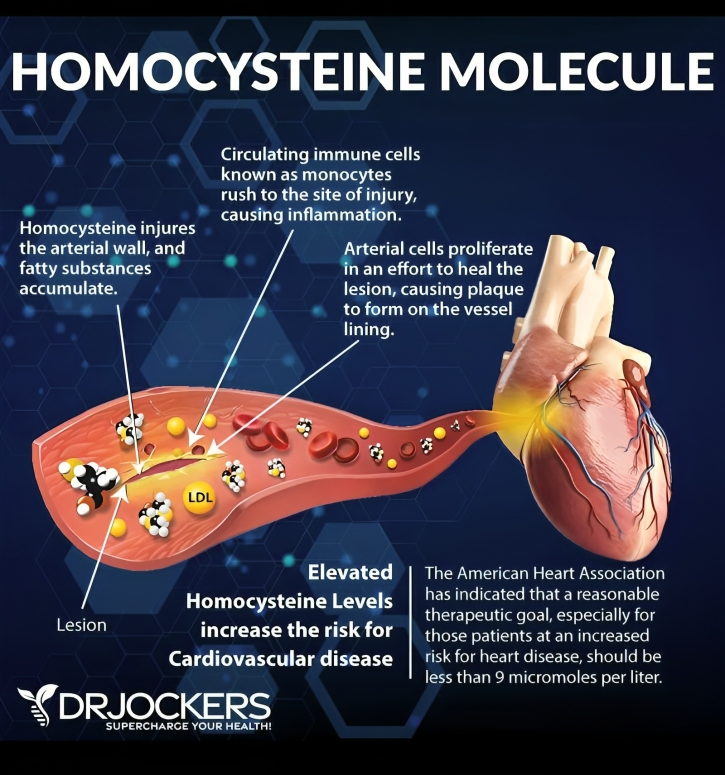
From a clinical perspective, persistently elevated homocysteine (ideally we aim for <8–9 µmol/L; >20 µmol/L is considered high risk) is associated with:
- Ischaemic stroke
- Alzheimer’s and other dementias
- Parkinson’s disease
- Schizophrenia and other neuropsychiatric disorders
- Atherosclerosis and cardiovascular disease
- Osteoporosis
- Adverse pregnancy outcomes
What can we do in practice?
- Measure homocysteine in appropriate risk groups.
- Assess and correct deficiencies of B-group vitamins, zinc and magnesium (through diet and, when necessary, supplementation).
- Consider the impact of smoking, chronic stress and polypharmacy on micronutrient status.
- In selected cases, evaluate for MTHFR variants and adapt folate therapy (e.g. methylfolate) accordingly.
Homocysteine is a simple marker that sits at the intersection of nutrition, genetics and vascular risk. It deserves more attention both in routine clinical practice and in patient education.”
Stay informed with Hemostasis Today.
-
Sep 16, 2026, 08:20Heghine Khachatryan: Arterial and Venous Thrombosis May Require Different Approaches in Neonates
-
Sep 16, 2026, 07:57Tammuella Chrisentery-Singleton: Standing on the Shoulders of Giants in Hemophilia Care
-
Sep 16, 2026, 07:33Jakob Werner Hansen: Nordic VEX AZA Trial Reaches an Important Milestone
-
Sep 16, 2026, 06:54Jonathan Furniss: The Platelet Response That Helps Drive Tissue Repair
-
Sep 16, 2026, 05:25Paul Armstrong: Honoured to Take the Lead at The Platelet Society
-
Sep 16, 2026, 05:05Alejandro González Veliz: Why Heart Attacks in Women Can Be More Complex Than a Simple Blockage
-
Sep 16, 2026, 04:58Thomas Dayspring – Your LDL Is Normal – But Are You Really Safe?
-
Sep 16, 2026, 04:50Seema Dawood: Why Some Red Cells Break While Others Survive?
-
Sep 16, 2026, 04:42GNE-Related Thrombocytopenia – Novel Findings – JTH