


Carmen’s Recovery From Spontaneous Coronary Artery Dissection – American Heart Association
American Heart Association shared a post on LinkedIn:
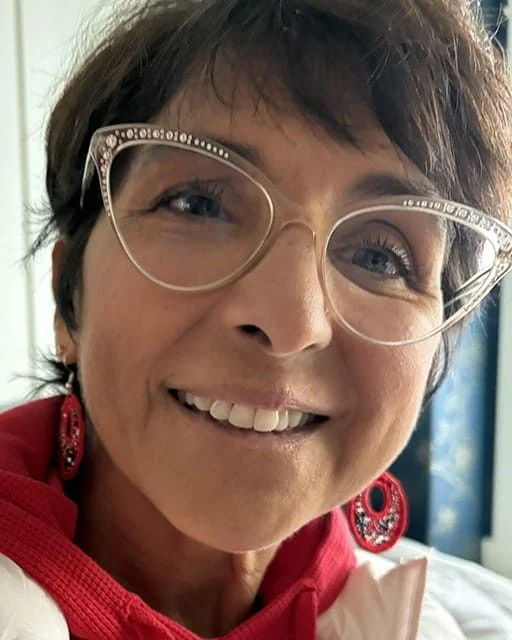
“Carmen Scott was driving home from the grocery store when she doubled over at the wheel with intense stomach cramps. She was sweating. Her head pounded. She thought she might vomit, black out – or both.
Carmen pulled over and called her husband to come pick her up. She feared she had a really bad stomach bug and spent the rest of the day resting.
The next morning, the stomach pain had migrated to her chest. She still wasn’t convinced it was an emergency. She was 58, exercised, and her blood pressure and cholesterol were under control.
So Carmen sipped a ginger ale in hopes it would settle her stomach and started cleaning up the house. When she became so exhausted that she had to sit down, she knew something was very wrong.
In the emergency room, tests showed she’d had a heart attack caused by spontaneous coronary artery dissection, or SCAD.
SCAD happens when the wall of an artery that supplies blood to the heart suddenly tears. It most often affects women, and many people who experience it have few or no typical risk factors for heart disease.
Carmen’s doctor compared her artery tear to the width of a strand of hair. She didn’t need a stent or other procedure, just medicine and time to heal.
Three weeks later, Carmen was walking and doing light yoga. She is continuing her cardiac rehabilitation. Because people who have had SCAD are at high risk of a recurrence, it’s important for her to know the warning signs of a heart attack and to call 911 right away if they happen.
Almost a year later, Carmen still wonders if the artery is tearing more. ‘But at the same time I tell myself, ‘You’re strong.’
Carmen is grateful doctors identified SCAD and treated her before her small tear got any worse.
‘I’m very lucky, and I have a lot of people in my corner to thank,’ she said. ‘You have to listen to your body, especially us moms and grandmas. We want to take care of everybody, and then we forget that, oh, this little pain in my chest, it might be something.'”
Stay updated with Hemostasis Today.


-
Nov 12, 2026, 22:34What’s Next in Comprehensive Care for Hemophilia and Other Bleeding Disorders? – WFH
-
Nov 12, 2026, 22:33Sanjay Ahuja: Presenting on Artificial Intelligence in Hematology Learning and Practice at ASH 2026
-
Nov 12, 2026, 16:35Mohamed Hesham Gamal: Intravenous Thrombolysis Shows Strong Safety Profile in Stroke Mimics
-
Nov 12, 2026, 14:35Mokhtar Tazik: Connecting Clinical Demand with Plasma Collection and Fractionation Capacity
-
Nov 12, 2026, 14:25Kim Phelan: Celebrating Dr. Marilyn Manco-Johnson as a Recipient of the 2026 Eternal Spirit Award
-
Nov 12, 2026, 14:20Shailesh Kucha: Ensuring Transfusion Safety Through Biochemical Assessment of Stored Red Cells
-
Nov 12, 2026, 14:20Akshat Jain: Wonderful Time Presenting at the ATHN 2026
-
Nov 12, 2026, 14:08Elisa Gabinaud: The Evolving Science of Megakaryocyte Development
-
Nov 12, 2026, 13:57Seyed Mohammad Sadegh Pezeshki: When Microcytosis Reveals a Complex Hemoglobinopathy