

Factor I Deficiency and Its Impact on Blood Clot Formation – EHC
EHC – European Haemophilia Consortium shared a post on LinkedIn:
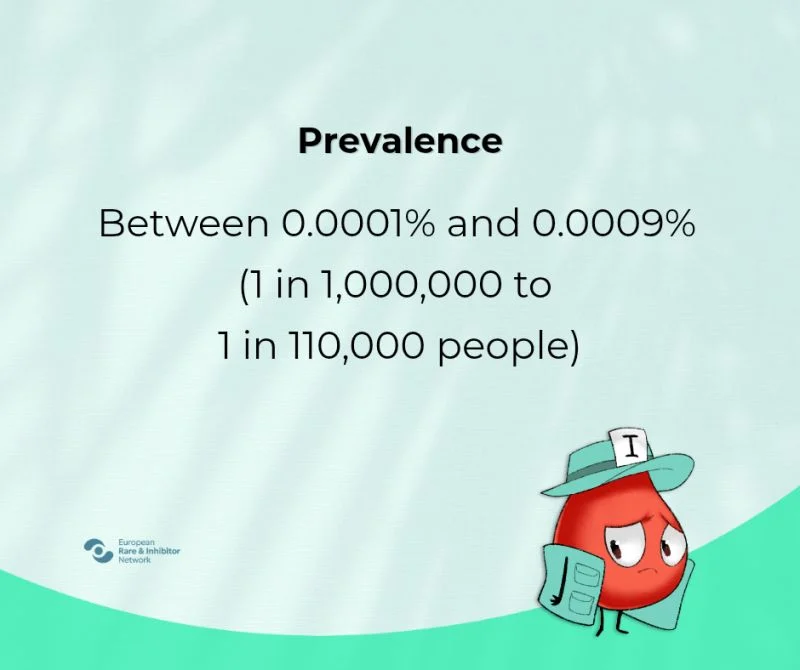
“Extremely Rare Bleeding Disorder of the Month: Factor I Deficiency (Fibrinogen Deficiency)
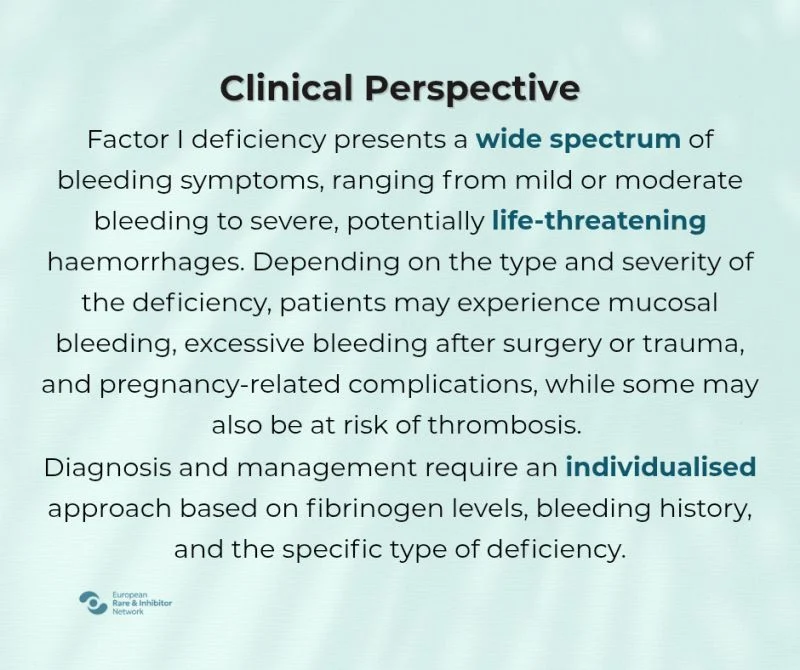
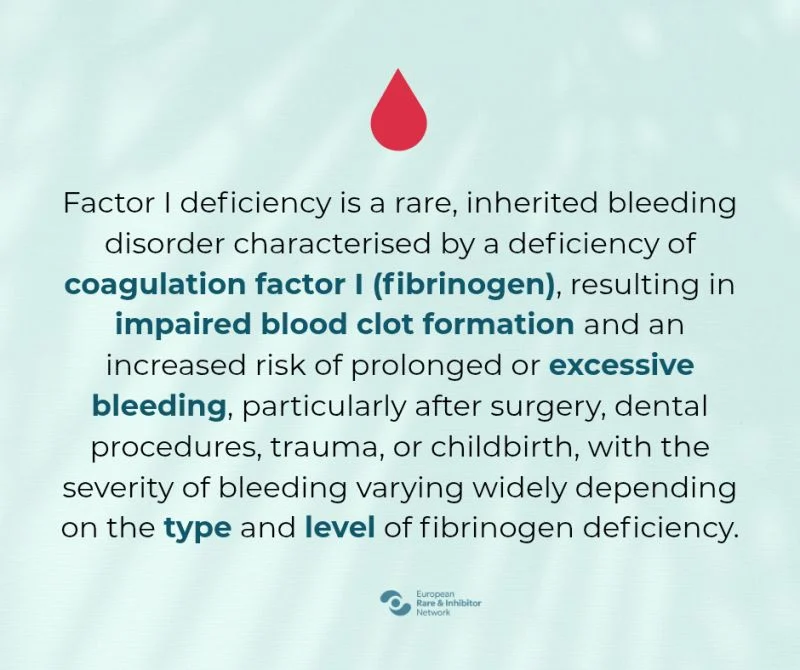
Fibrinogen is the raw material of a blood clot: the protein that gets woven into the mesh that stops bleeding.
In Factor I deficiency, there is too little of it, or it doesn’t work properly, so the body struggles to form stable clots and bleeding can be prolonged or excessive.
What this can look like:
- Easy bruising and nosebleeds
- Bleeding from the gums
- Prolonged bleeding after injuries or medical procedures
- Excessive bleeding after childbirth
- In some cases, joint or muscle bleeding, and pregnancy-related complications
One thing to know: Factor I deficiency has three main types (afibrinogenaemia, hypofibrinogenaemia, and dysfibrinogenaemia), and severity varies widely depending on the type and degree of deficiency.
In certain forms, there can even be an increased risk of thrombosis, so the condition isn’t only about bleeding.
Because it is extremely rare and so variable, diagnosis is often delayed. It requires specialised laboratory tests of fibrinogen levels and function, alongside a detailed personal and family bleeding history.
Care is personalised, based on the type of deficiency and the severity of symptoms.
Treatment may include fibrinogen replacement therapy and careful planning before surgery, invasive procedures or childbirth. Where thrombosis is a risk, ongoing monitoring is particularly important.
Want to learn more?
Visit the ERIN Focus Area on the EHC Community website for webinars, podcasts, and publications on extremely rare bleeding disorders.”
More posts featuring EHC on Hemostasis Today.
-
Nov 27, 2026, 22:54Early Prophylaxis in Children With Severe Hemophilia A – RPTH Journal
-
Nov 27, 2026, 22:52Abubaker Ibnouf: ITP After Solid Organ Transplantation and Treatment Outcomes
-
Nov 27, 2026, 22:43Gene Therapy for Severe Hemophilia A and Its Impact on Quality of Life – Haemophilia Foundation Australia
-
Nov 27, 2026, 14:30Sumita Pandey: Advancing Thalassemia Research Through Scientific Exchange
-
Nov 27, 2026, 14:23Shamee Shastry: Beyond Blood Groups – The Expanding Role of Immunohaematology
-
Nov 27, 2026, 14:15Alejandro González: Inclisiran – From LDL-C Reduction to Cardiovascular Outcomes
-
Nov 27, 2026, 14:07Christina Pohlman: Improving Care for Pregnant Individuals With APS
-
Nov 27, 2026, 13:59Thirunavukkarasu Angappan: One Swollen Knee – Hemaphillia A Treatment Ladder
-
Nov 27, 2026, 13:52David McIntosh: A Call for More Blood Donations