

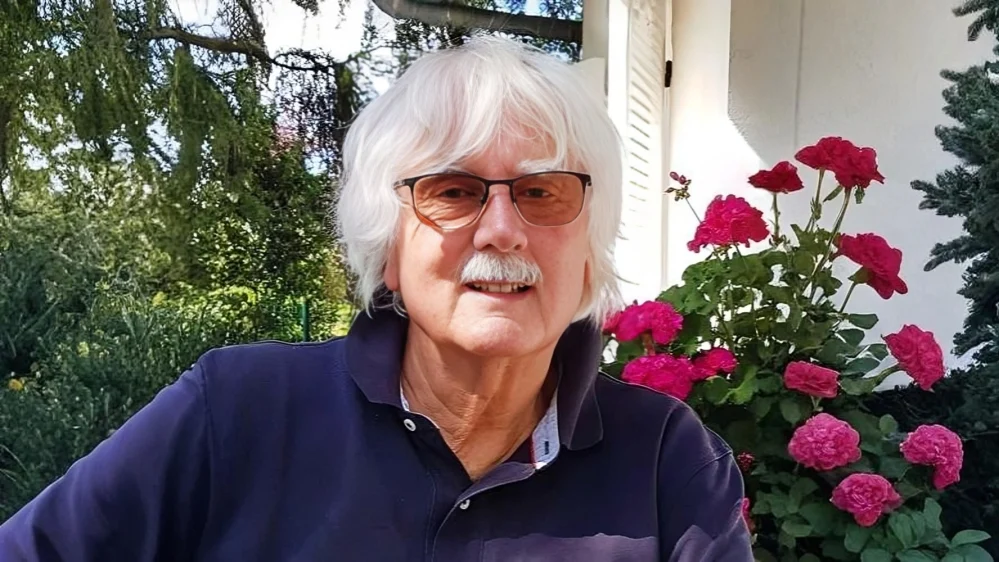
Alan Nurden: How Procoagulant Platelets Relate to Microparticle Release?
Alan Nurden, Emeritus Research Director at CNRS, Co-Founder of the French National Reference Centre for Inherited Platelet Disorders (CRPP), shared a post on LinkedIn about a recent article by Stefano Navarro et al. published in Blood Vessels, Thrombosis and Hemostasis, adding:
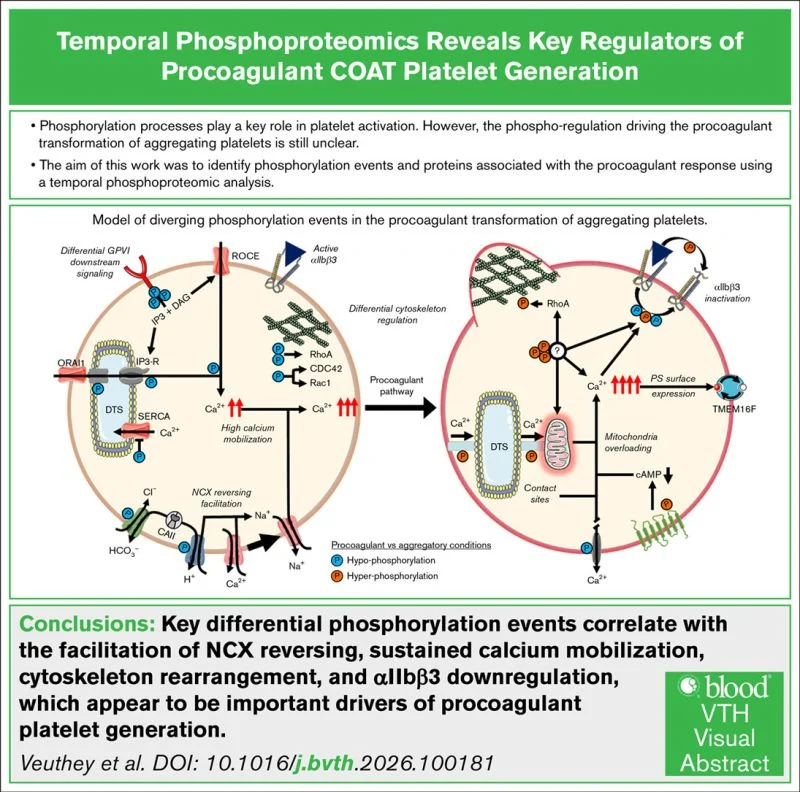
“This a high quality manuscript that presents in detail the signaling events that accompany the formation of procoagulant platelets and in particular COAT platelets as initially described by George Dale and which express surface bound proteins secreted from alpha-granules.
But one question, how do the authors separate these events from the production of microparticles liberated in large quantities from the procoagulant platelets?”
Title: Temporal phosphoproteomics reveals key regulators of procoagulant COAT platelet generation
Authors: Lucas Veuthey, Manfredo Quadroni, Maxime Jan, Debora Bertaggia Calderara, Cindy Pereira Portela, Lucas A. Gautier, Durre Shehwar, Alessandro Aliotta, Lorenzo Alberio
Find more posts featuring Alan Nurden on Hemostasis Today.
-
Nov 8, 2026, 18:56Denis Oduor: Strengthening the Regulation and Delivery of Blood Transfusion and Transplantation Services
-
Nov 8, 2026, 18:28Raghavendra Rao: A Narrative Review on Chronic Venous Disease during Pregnancy
-
Nov 8, 2026, 17:57Dhiren Patel: PLD1-Derived Phospholipids Regulate NAD Kinase and ROS Production in Neutrophils
-
Nov 8, 2026, 17:48Andra T.: What Causes Antiphospholipid Syndrome? – Four Steps, not One Cause
-
Nov 8, 2026, 17:38Nasrin Samadi: Can a Normal Clotting Test Be Misleading?
-
Nov 8, 2026, 17:36Paschalis Evangelidis: The Multifactorial Nature of Cardiovascular Risk in People With Hemophilia
-
Nov 8, 2026, 17:32Evangelos Panagiotopoulos: Apixaban Reduces Stroke and Major Bleeding Risk in Secondary Stroke Prevention
-
Nov 8, 2026, 17:27Danny Gaskin: Applications Open for the BBTS Specialist Certificate in Clinical Transfusion Practice
-
Nov 8, 2026, 16:54James P. Crowley: DOAC Testing Under 50 ng/mL Safely Expedites Urgent Hip Fracture Surgery