


Dirk Sibbing on Antithrombotic Drugs for ACS in Women
Dirk Sibbing, Professor, Cardiologist and Angiologist at Lauterbacher Mill Private Clinic and LMU Munich, reposted from Women As One on LinkedIn:
”Important contribution to the field of tailored treatment in cardiovascular disease…
Gender matters when it comes to antithrombotic treatment in ACS patients”
Qutoing Women As One‘s post:
”Analysis highlights how women with acute coronary syndromes (ACS) experience distinct benefits and risks from antithrombotic therapy, signaling an urgent need for sex-specific treatment strategies.
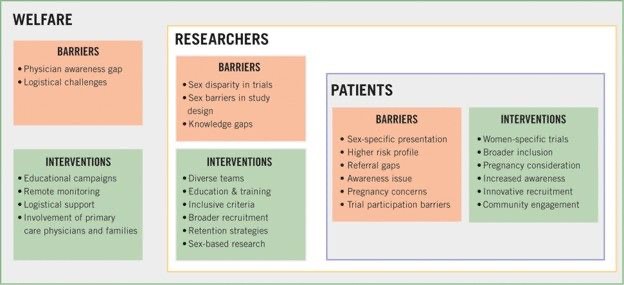
Published in the European Heart Journal, the paper led by Dr. Valeria Paradies and Jolanta Siller-Matula, explores the current barriers and potential interventions to improve the recruitment of women in cardiovascular trials.
Key Insights:
- Women show different bleeding and thrombotic risk profiles compared to men.
- Standard ACS guidelines, historically based on male-dominant data, may misestimate risks in women.
- The study reinforces the importance of representative clinical trials designed to capture these sex-related nuances.
This study underscores why clinical trials must include adequate numbers of women to uncover critical sex-based treatment effects, and findings should feed into female-specific clinical guidance and decision-making in daily practice.
We need continued advocacy for awareness, funding, and research that reflects real-world diversity.”
Read the full article here.
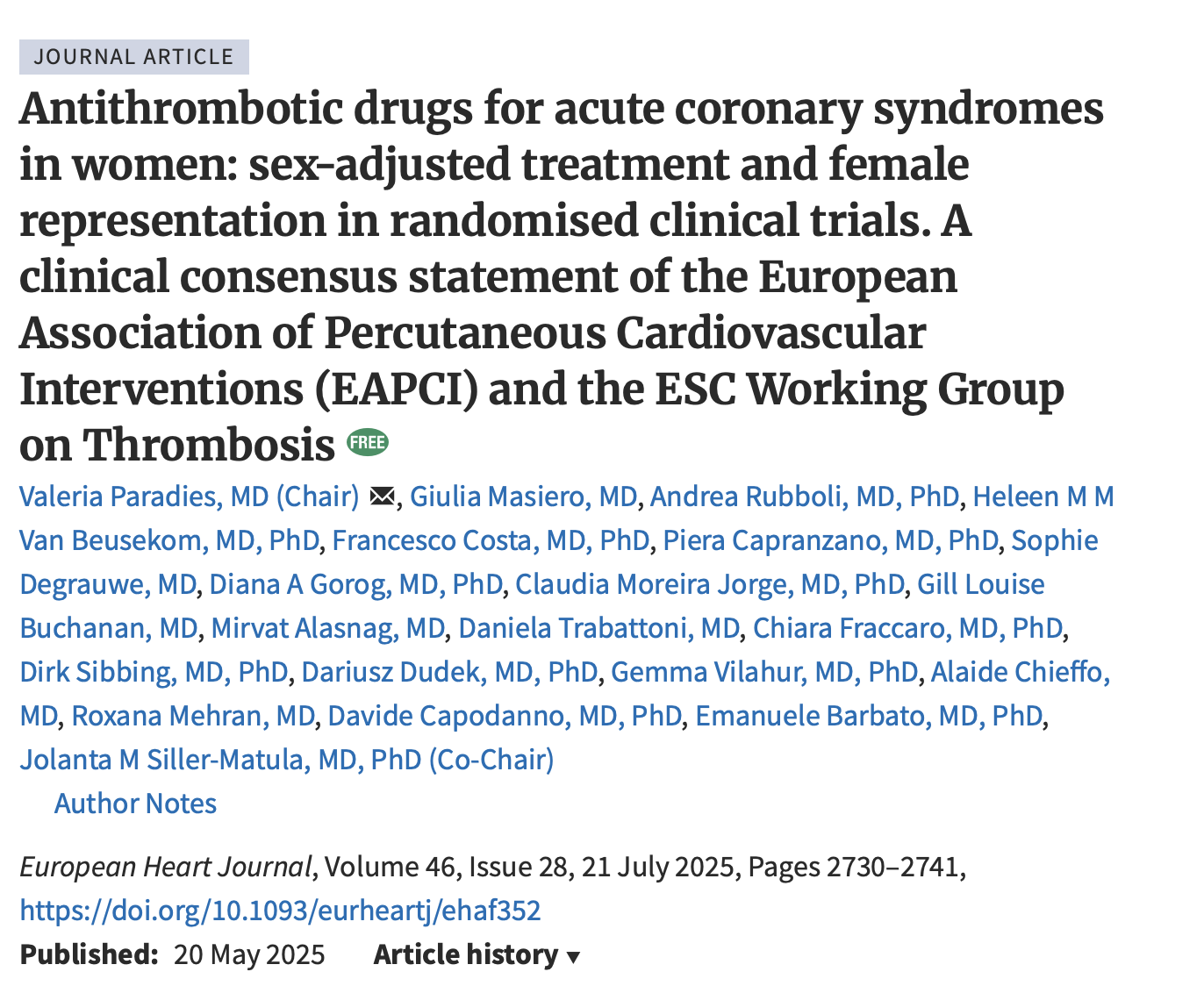
Article: Antithrombotic drugs for acute coronary syndromes in women: sex-adjusted treatment and female representation in randomised clinical trials. A clinical consensus statement of the European Association of Percutaneous Cardiovascular Interventions (EAPCI) and the ESC Working Group on Thrombosi
Authors: Valeria Paradies, Giulia Masiero, Andrea Rubboli, Heleen M M Van Beusekom, Francesco Costa, Piera Capranzano, Sophie Degrauwe, Diana A Gorog, Claudia Moreira Jorge, Gill Louise Buchanan, Mirvat Alasnag, Daniela Trabattoni, Chiara Fraccaro, Dirk Sibbing, Dariusz Dudek, Gemma Vilahur, Alaide Chieffo, Roxana Mehran, Davide Capodanno, Emanuele Barbato, Jolanta M Siller-Matula
Stay updated on all scientific advances with Hemostasis Today.
-
Sep 30, 2026, 15:58Bernhard Merget: New Frontiers in Thrombosis and Stroke Research
-
Sep 30, 2026, 15:39Ifeanyichukwu Ifechidere: The Molecular Orchestra of Primary Hemostasis
-
Sep 30, 2026, 15:28Reassessing the Benefit–Risk Balance of Extended Anticoagulation in Cancer Patients – ESC Working Group on Cardiovascular Pharmacotherapy
-
Sep 30, 2026, 15:07Chiranjeev Sharma: Targeting Factor XIa with the Synthetic Inhibitor SB-01
-
Sep 30, 2026, 14:41Bruna Gigante: Balancing Thrombosis and Bleeding in Cardiovascular Care
-
Sep 30, 2026, 14:13Ashok Choudhury: Portal Vein Thrombosis and Outcomes in Cirrhosis
-
Sep 30, 2026, 13:57Leslye Conde Bazán: When Conventional Imaging Is Not Enough – The Role of IVUS
-
Sep 30, 2026, 13:41Huda Salah Eldin: The Challenge of Balancing Antithrombotic Therapy After PCI
-
Sep 30, 2026, 13:29Abdus Salam: What Can CT Venography Reveal About the Veins?