


Erwin Loh: Higher-Than-Recommended Physical Activity Levels Linked to Greater Reduction in Heart Attack and Stroke Risk
Erwin Loh, President of Royal Australasian College of Medical Administrators, shared a post on LinkedIn about a recent article by Zhide Li ang et al., published in British Journal of Sports Medicine, adding:
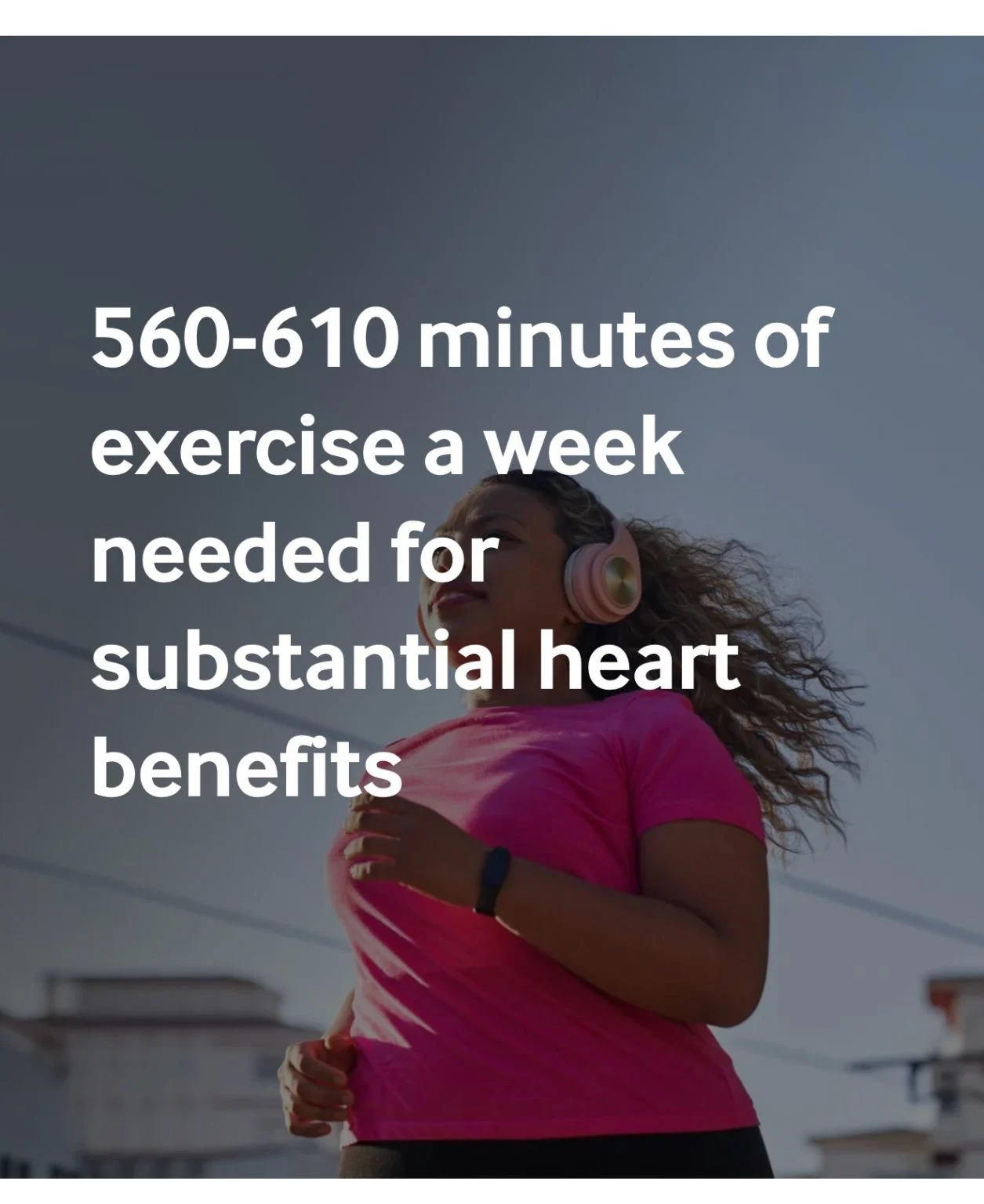
”Adults should aim to do between 560 and 610 minutes a week of moderate to vigorous physical activity to achieve a substantial reduction in the risk of heart attacks and stroke, suggest the findings of an observational study published online in the British Journal of Sports Medicine.
This is between 3-4 times higher than the current public health recommendation that adults do at least 150 minutes a week of moderate to vigorous physical exercise such as brisk walking, running or cycling.
People who are less fit need to do slightly more exercise than those who are very fit to get the same cardiovascular benefits, the study suggests.”
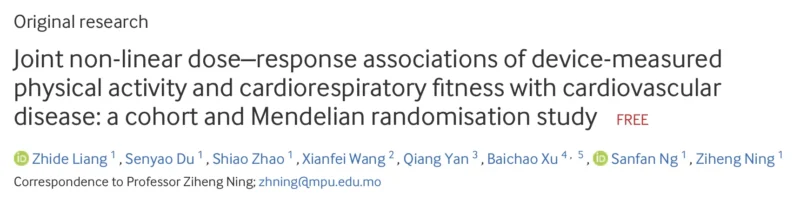
Title: Joint non-linear dose–response associations of device-measured physical activity and cardiorespiratory fitness with cardiovascular disease: a cohort and Mendelian randomisation study FREE
Authors: Zhide Liang, Senyao Du, Shiao Zhao, Xianfei Wang, Qiang Yan, Baichao Xu, Sanfan Ng, Ziheng Ning
Stay updated on all scientific advances with Hemostasis Today.
-
Nov 19, 2026, 09:34Dahlia R.: Immature Platelet Fraction Understanding the Cause of Low Platelet Counts
-
Nov 19, 2026, 07:00Rucha Patil: Highlights in Science and Collaboration at Haematocon 2026
-
Nov 19, 2026, 06:20Suvro Sankha Datta: AABB Releases the 8th Edition of Molecular Testing Standards
-
Nov 19, 2026, 05:54Global Collaboration in Hemostasis – ISTH
-
Nov 19, 2026, 05:40Pete Stibbs: Advancing Treatment Strategies in Venous Disease
-
Nov 19, 2026, 05:31Lance Reed: One Donation, Multiple Lives
-
Nov 19, 2026, 05:20ZPI Silencing as a Novel Non-Factor Therapy for Rare Bleeding Disorders – HITh
-
Nov 19, 2026, 04:48Antiphospholipid Antibodies and Stroke Management – RPTH
-
Nov 18, 2026, 20:58Uma Vaidyanathan: When Hemoglobin Does Not Respond to Iron Therapy, Look Beyond Iron Deficiency