


Hugo Antonio Romo Rubio: A New Paradigm in Treatment for Hemophilia A from FRONTIERS2 Phase 3 Study
Hugo Antonio Romo Rubio, Pediatric Oncologist and Faculty Member at Nuevo Hospital Civil Court of Guadalajara, Presided over by Dr. Juan I. Menchaca, shared on LinkedIn about a recent article by Maria Elisa Mancuso et al, published in NEJM:
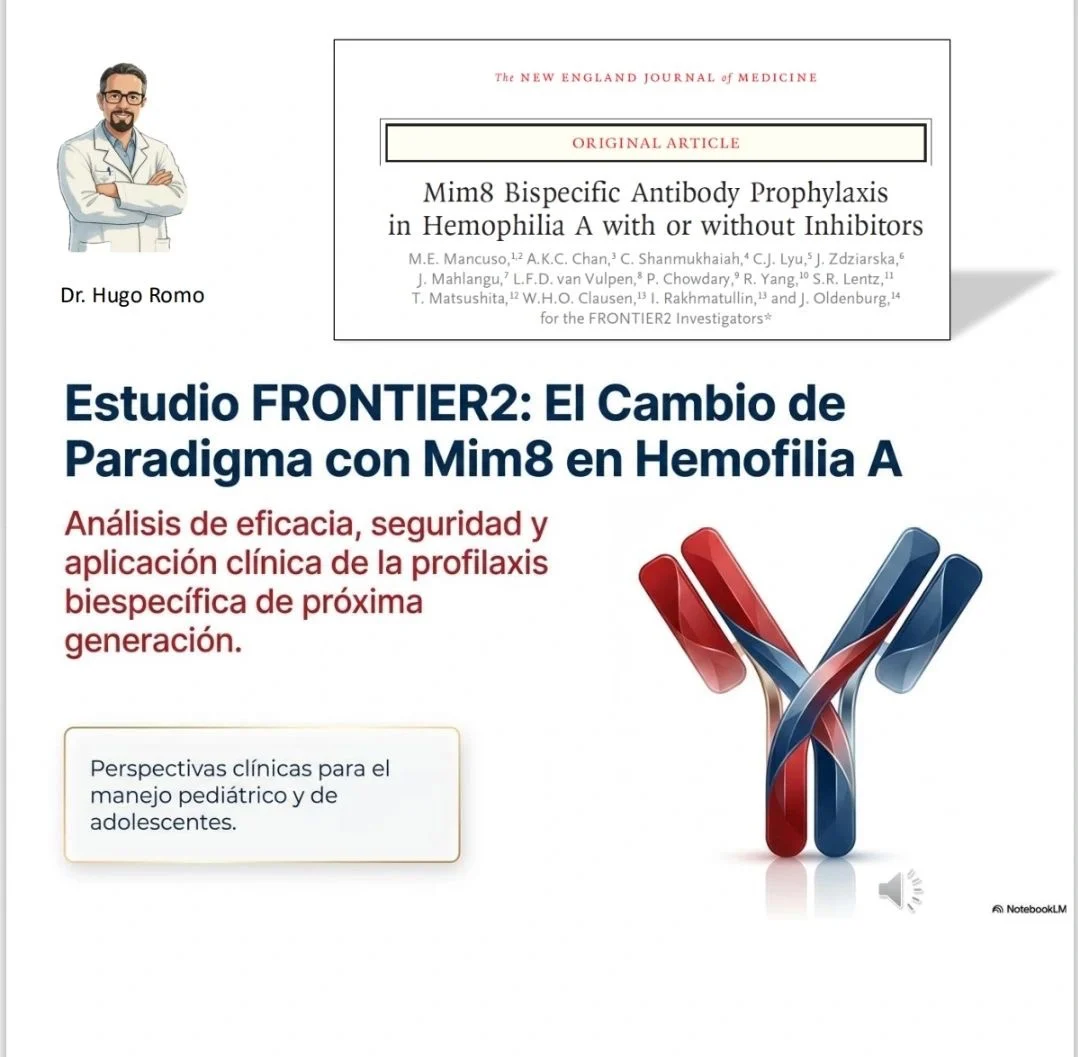
”Hemophilia A: The FRONTIERS2 Phase 3 Study. Mim8 (Denecimig) Prophylaxis – A New Paradigm in Treatment.
The landscape of Hemophilia A management is evolving.
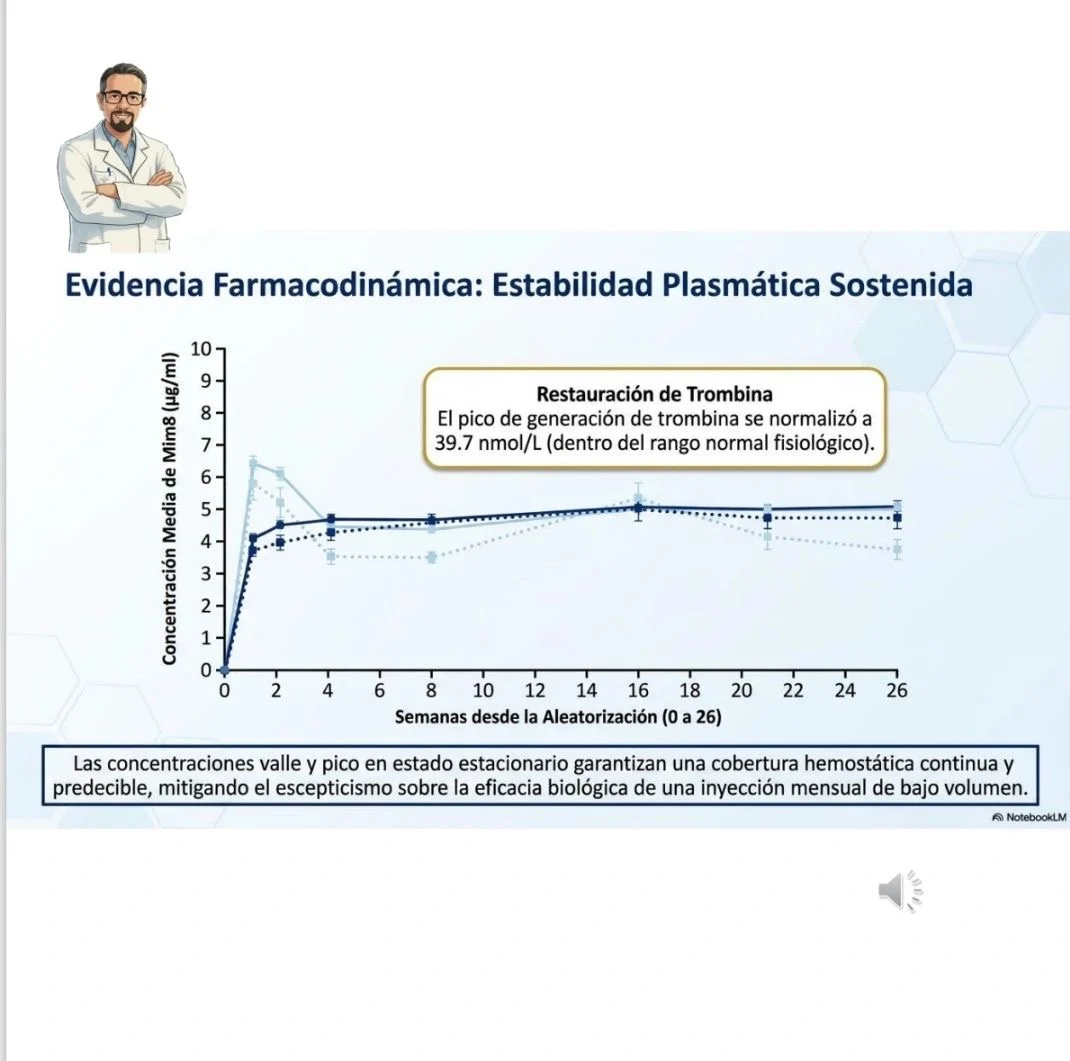
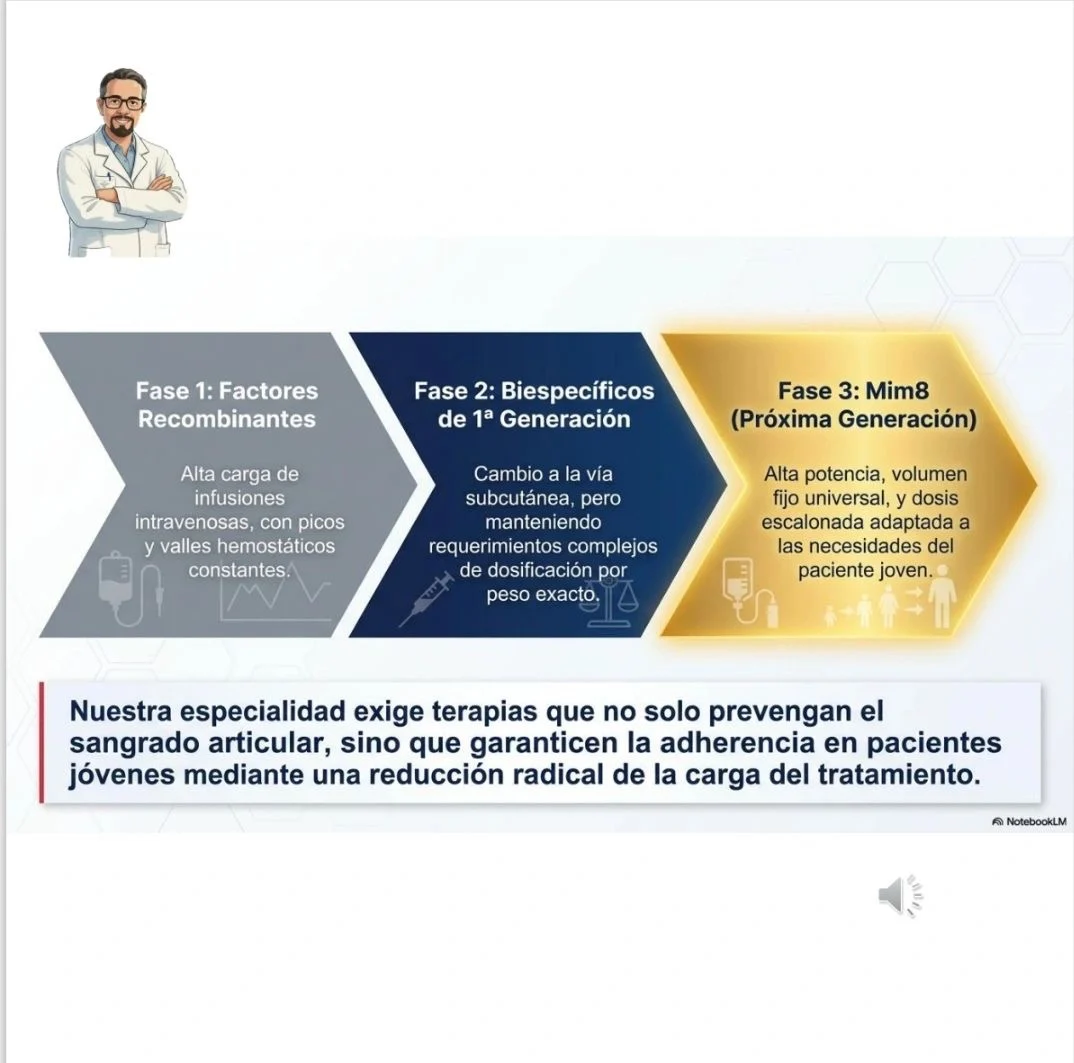
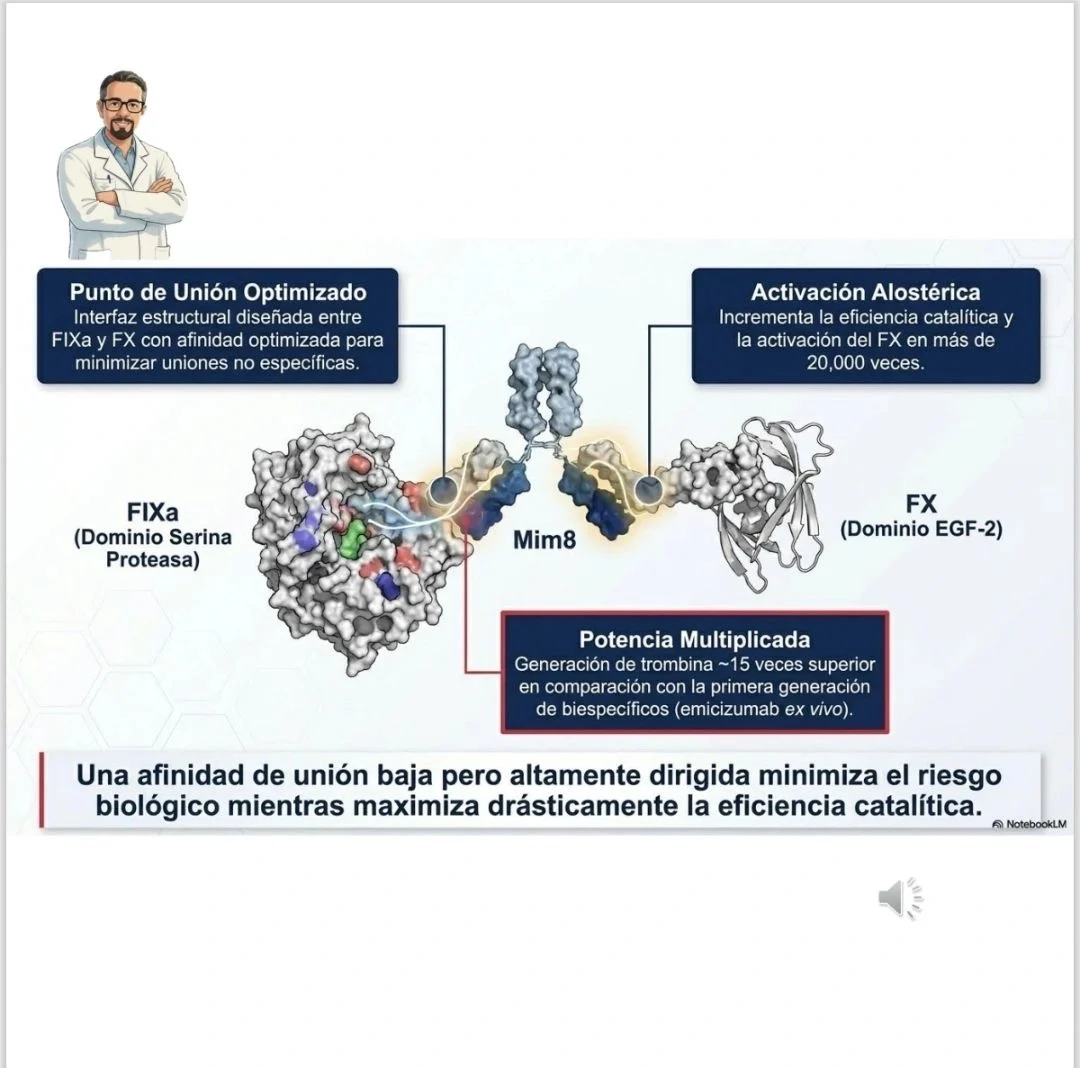
Results from the ‘FRONTIERS2 Phase 3 trial’ highlight the transformative potential of ‘Mim8 (denecimig)‘, a next-generation bispecific antibody, as a cornerstone for prophylactic care.
Key Highlights from the Study:
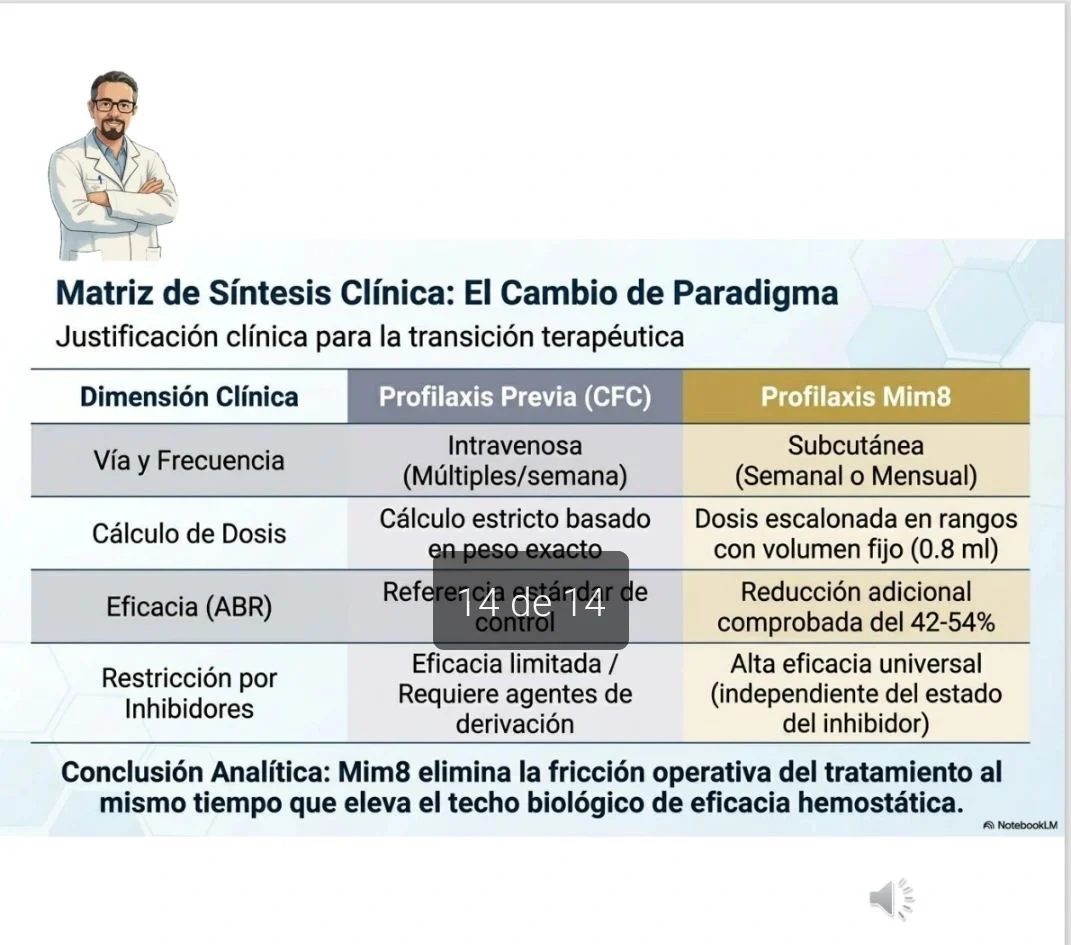
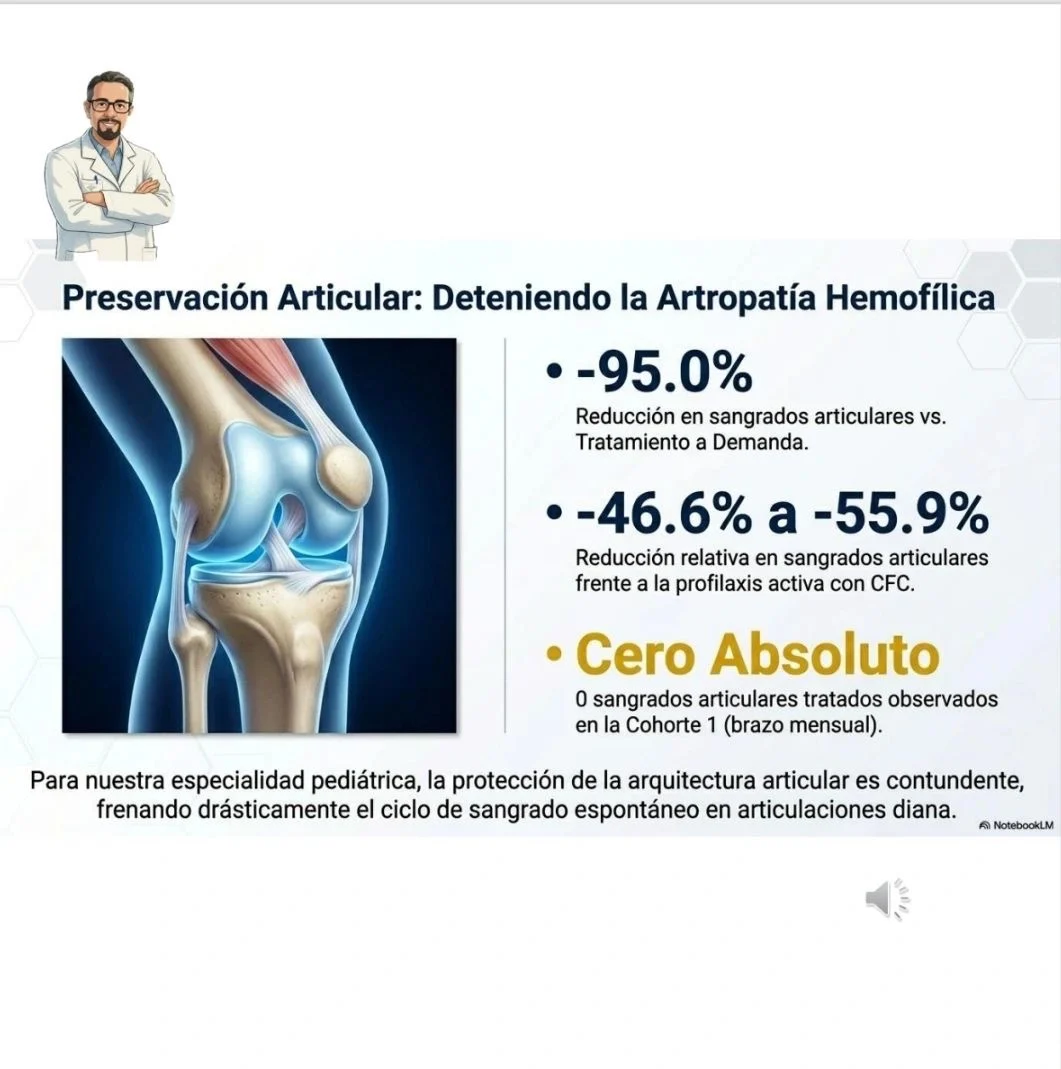
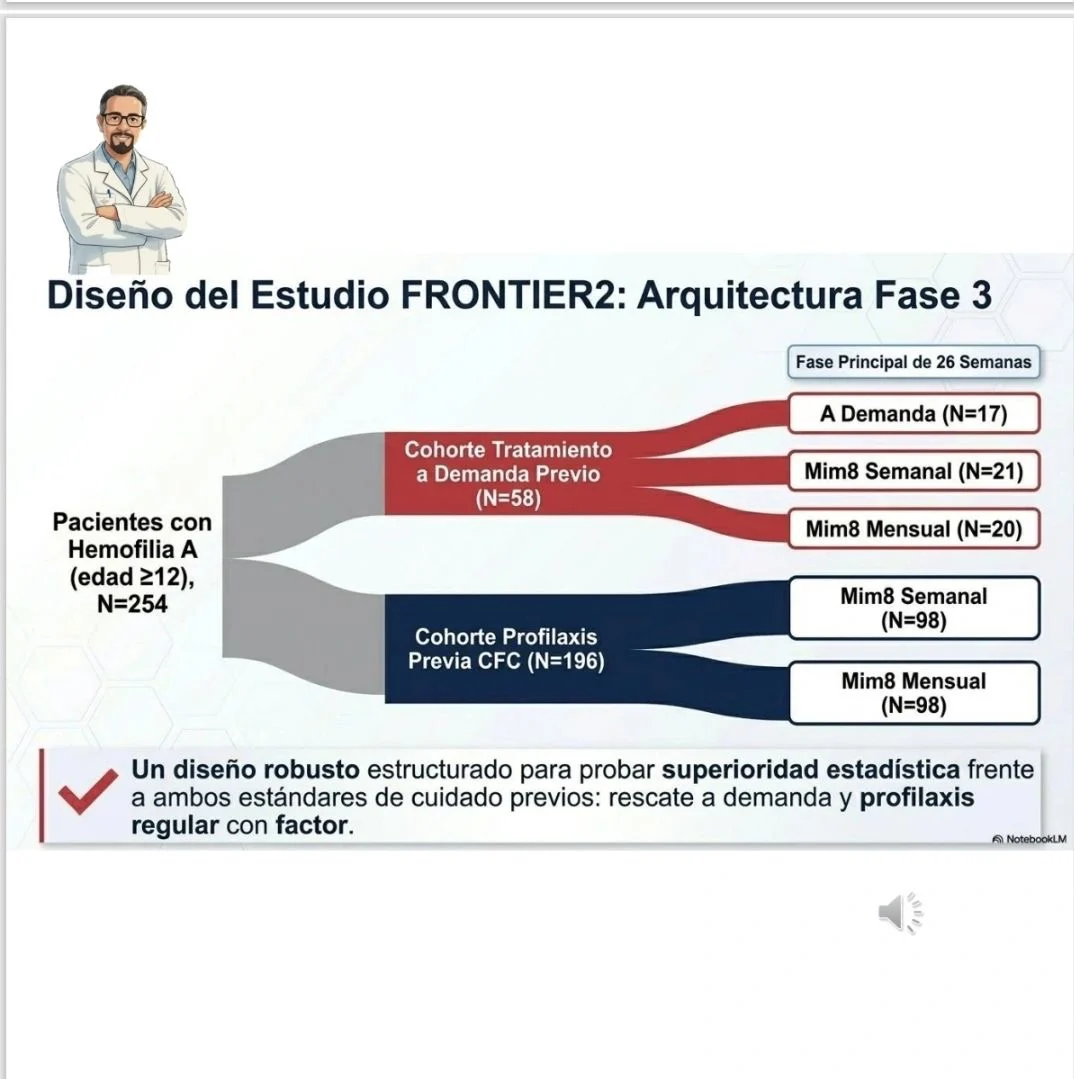
- Superior Efficacy: Mim8 prophylaxis demonstrated clear superiority in reducing bleeding episodes compared to both on-demand treatment and prior prophylaxis with coagulation factor concentrates.
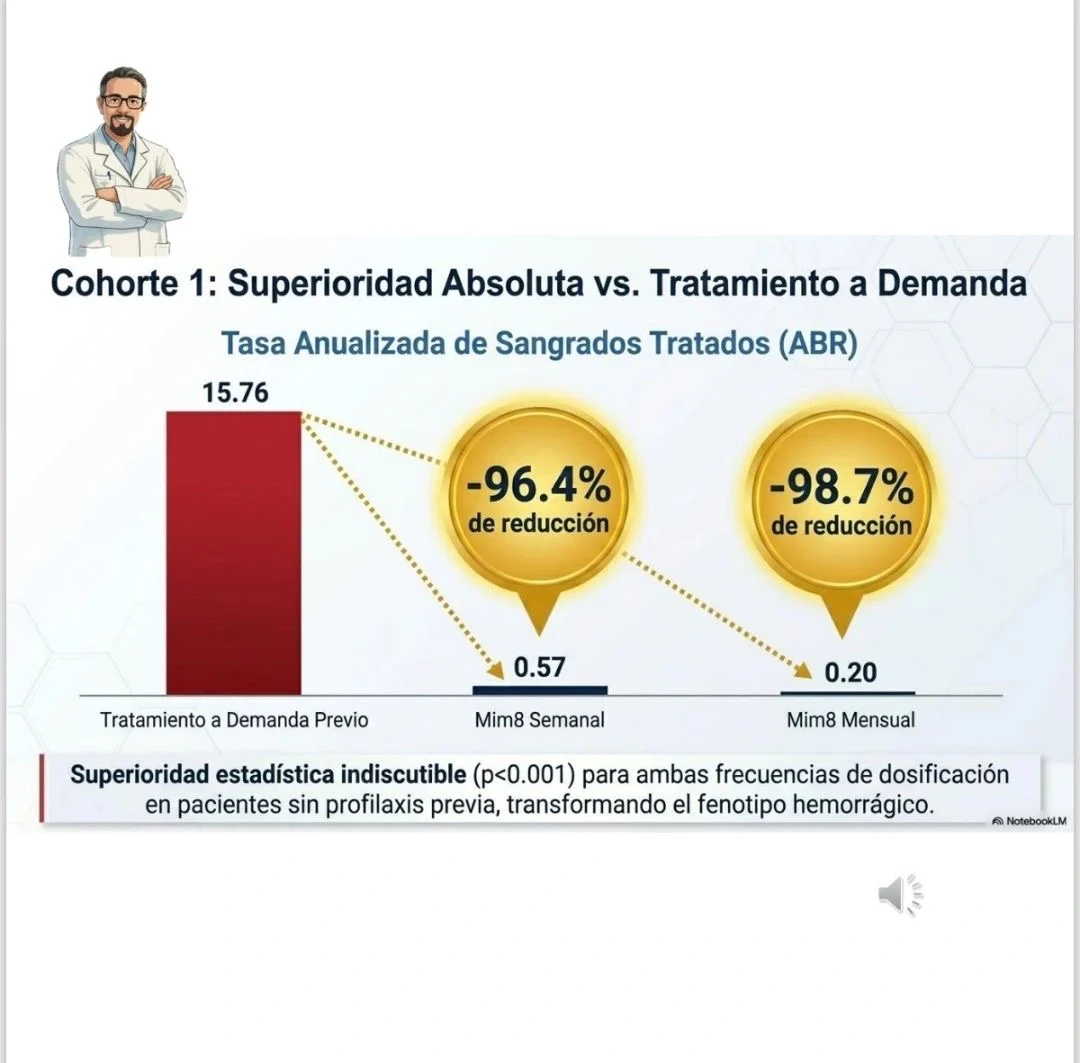
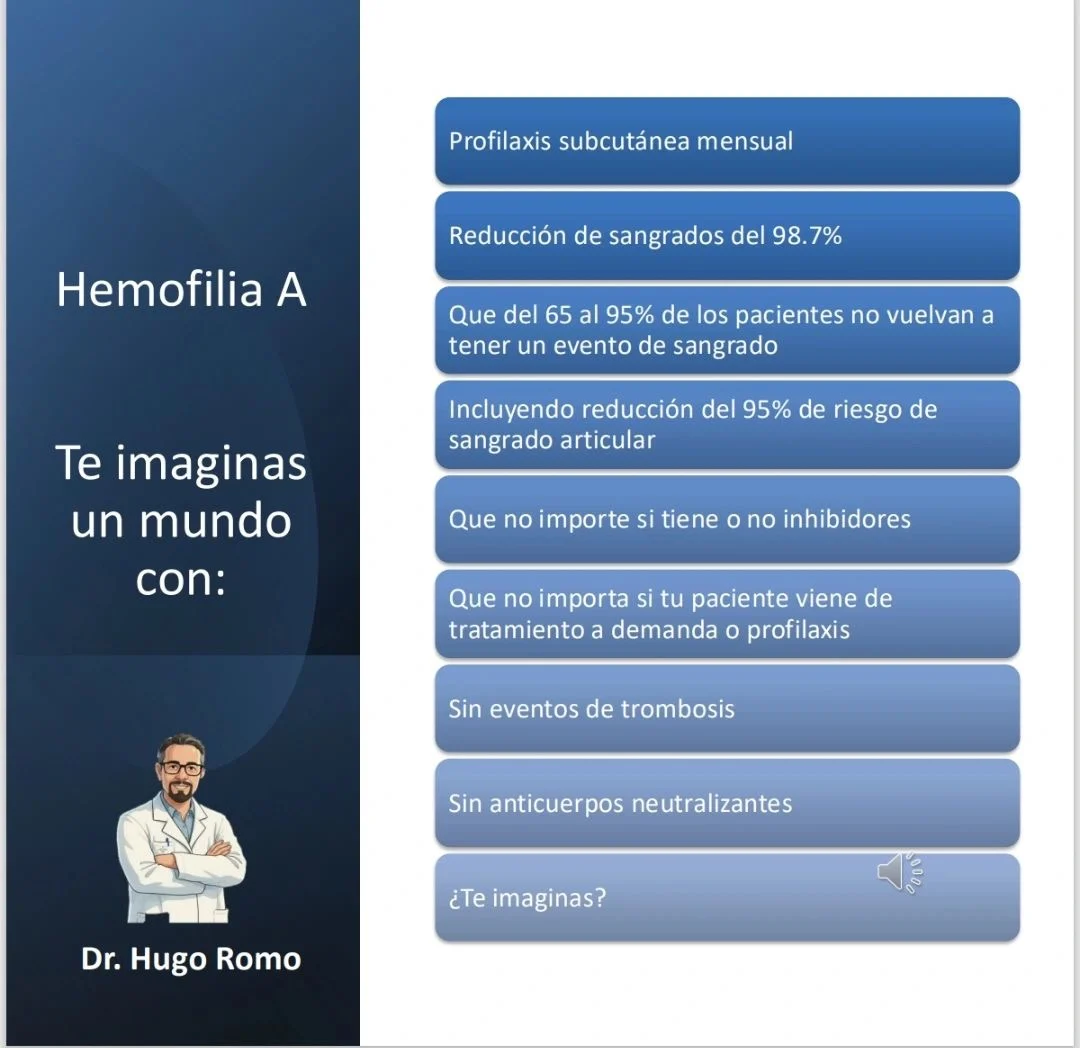
- Drastic Reduction in ABR: Patients treated with Mim8 experienced up to a 98.7% reduction in the Annualized Bleeding Rate (ABR) for treated bleeds when compared to the on-demand group.
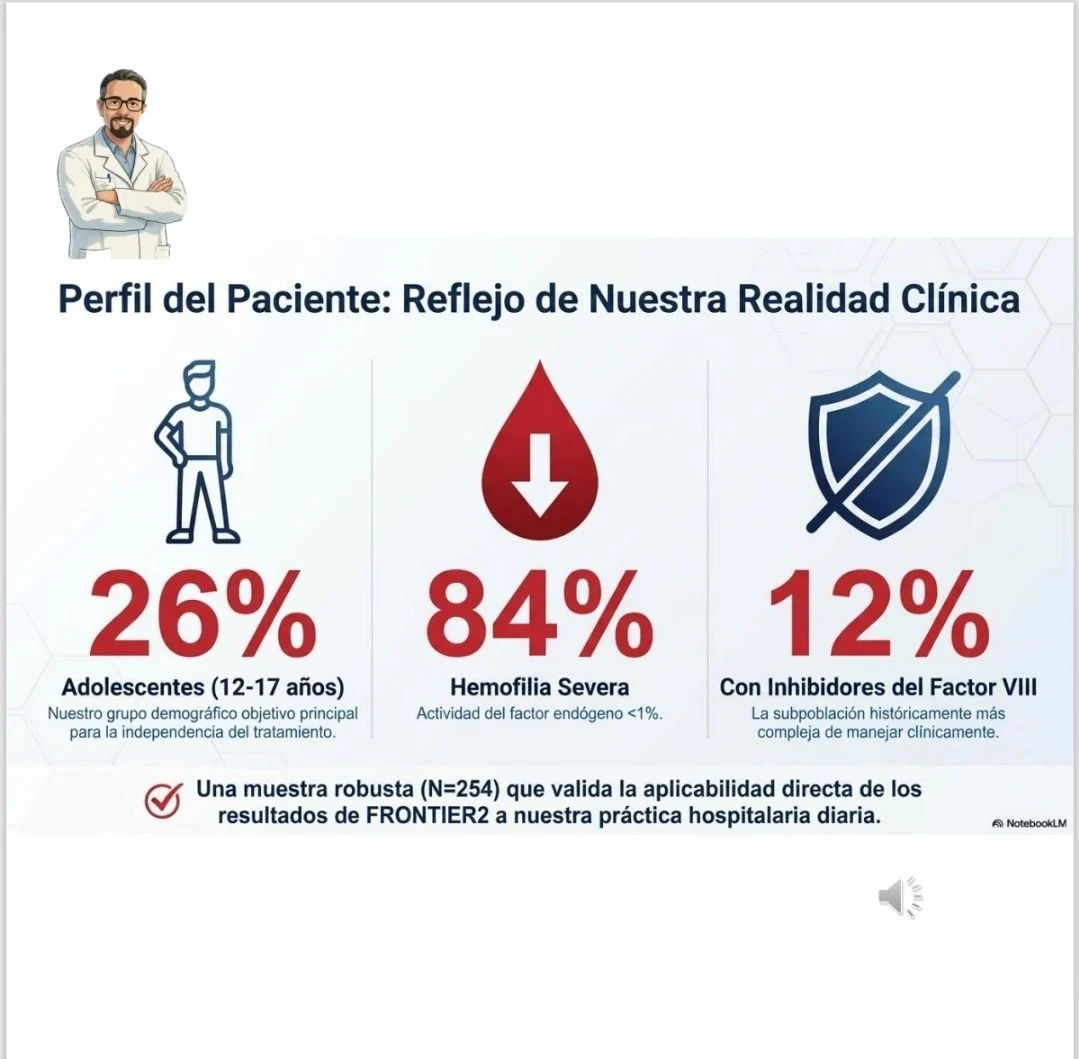
- Broad Clinical Utility: The drug proved effective across the board, including patients with and without inhibitors, as well as across varying degrees of Hemophilia A severity.
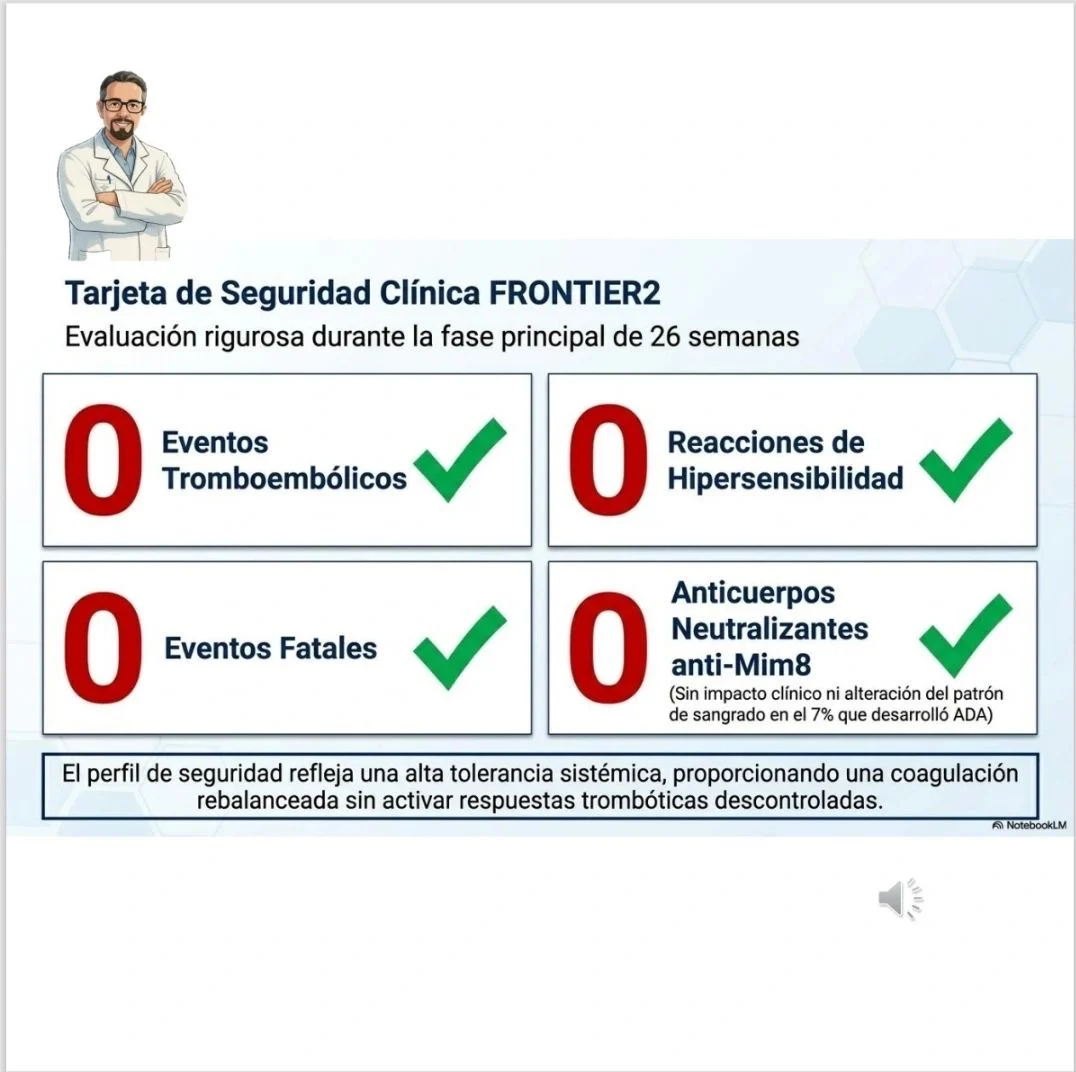
- Robust Safety Profile: Mim8 maintained a favorable safety profile throughout the study, with no reported thromboembolic events, deaths, or neutralizing antibodies.
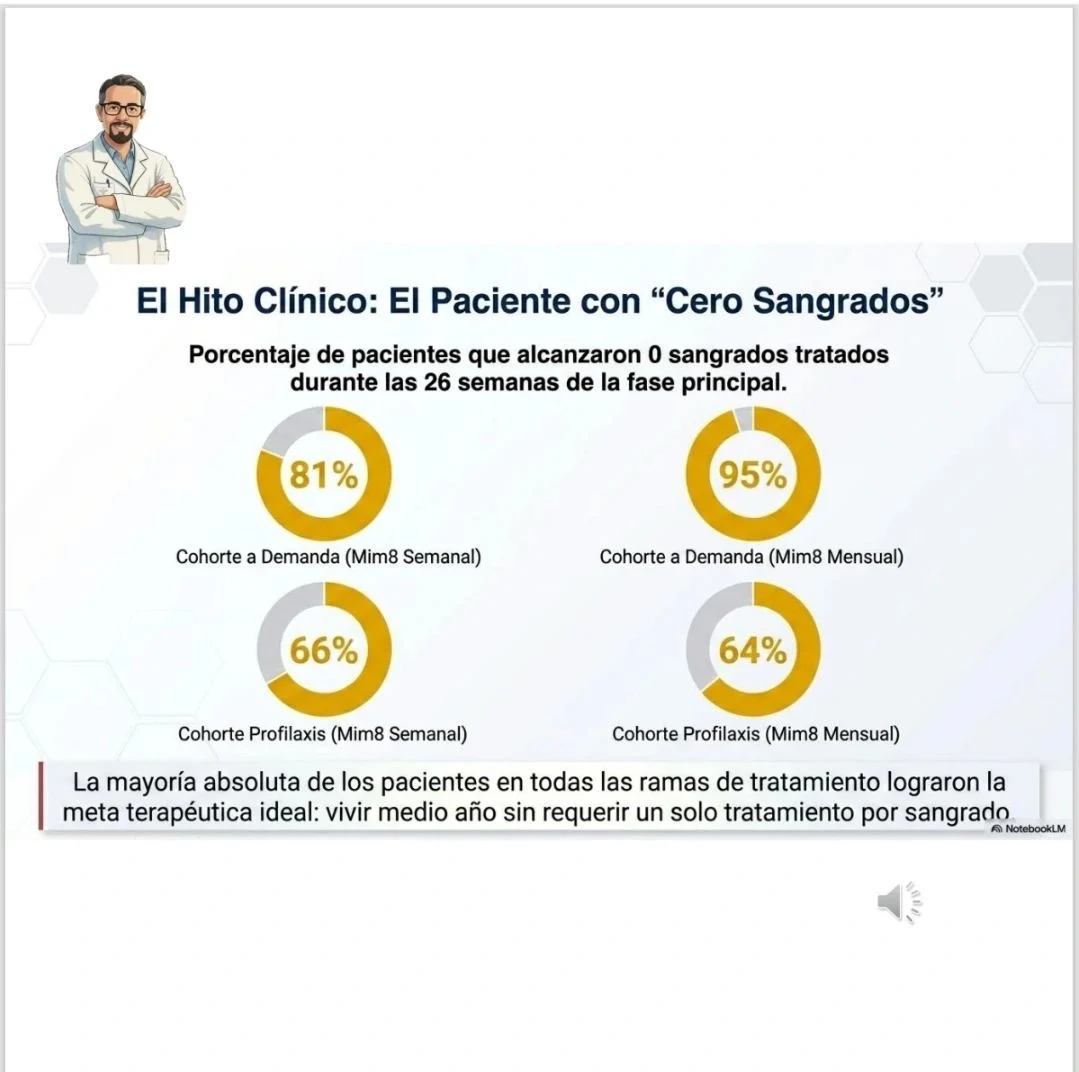
- Superior Bleed Control: An impressive majority of participants – ranging from 64% to 95% – remained entirely free of treated bleeds during the 26-week trial period.
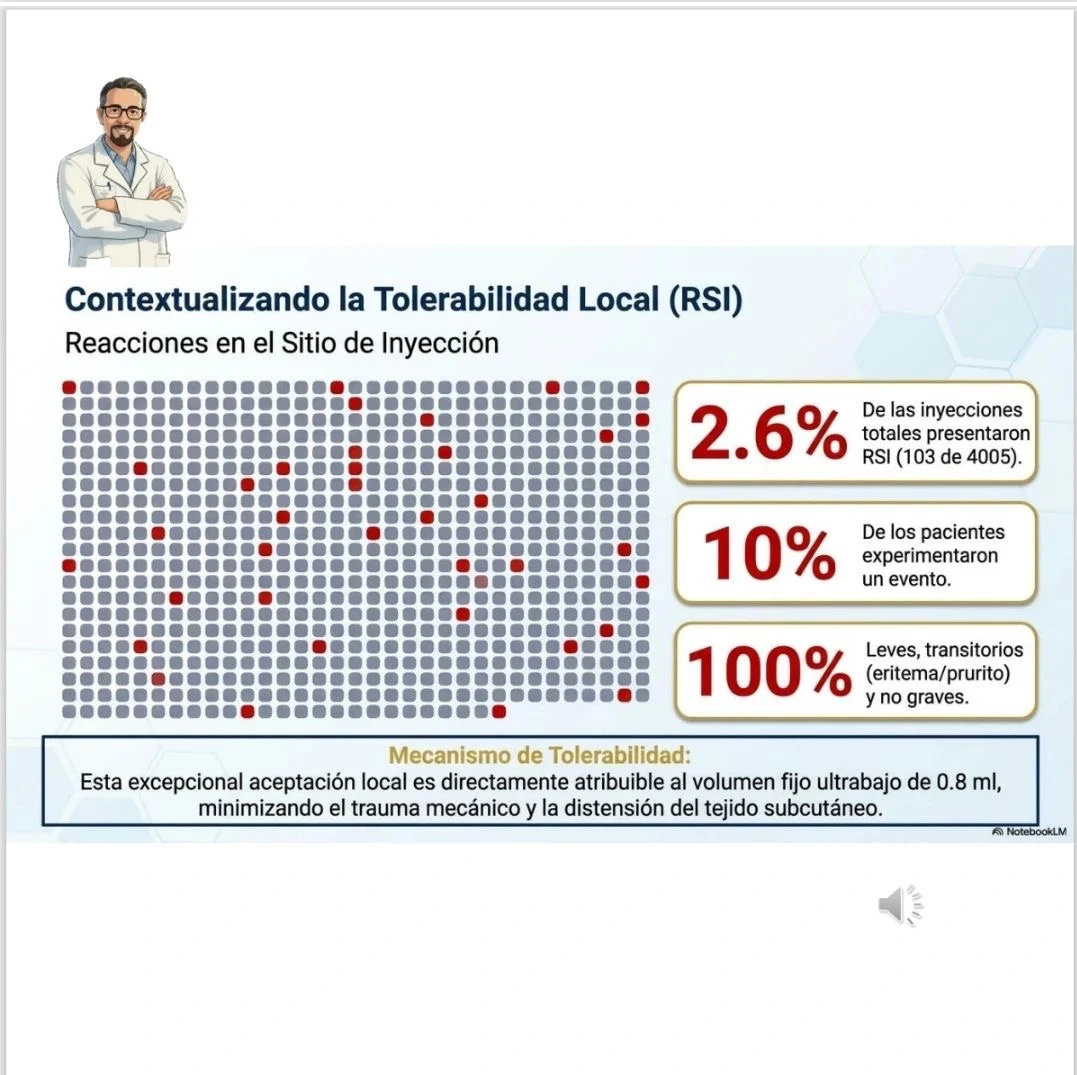
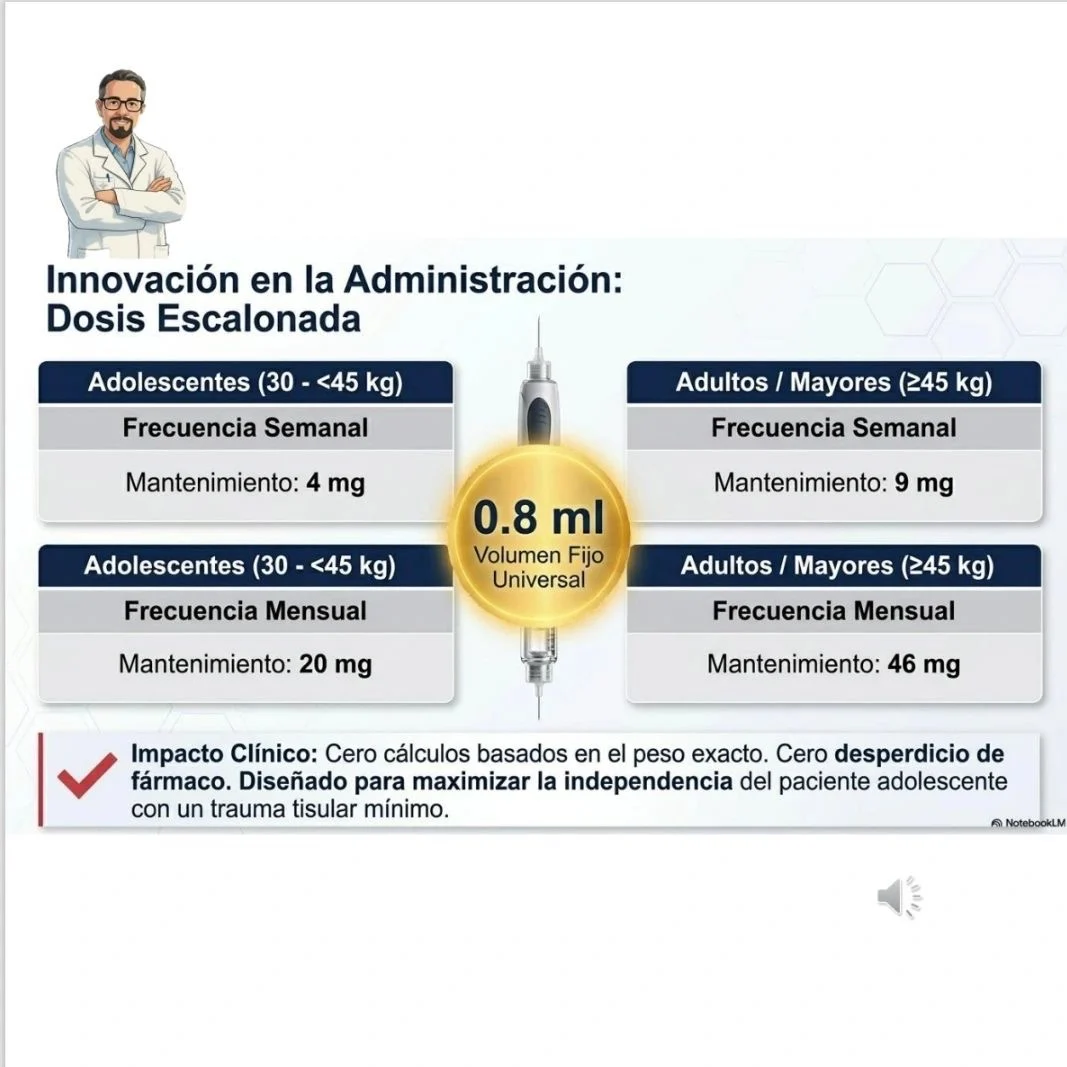
- Optimized Dosing Regimen: The tiered dosing model simplifies administration through low-volume subcutaneous injections. With weekly or monthly frequency options, it significantly reduces the overall treatment burden for patients.
This data reinforces Mim8’s potential to redefine the standard of care, offering patients a more flexible and highly effective path toward a zero-bleed reality.”
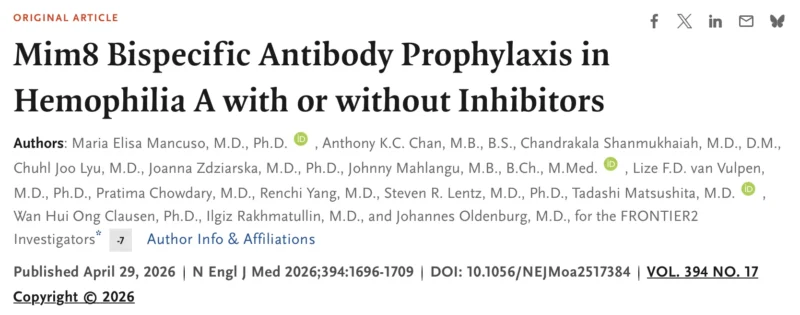
Title: Mim8 Bispecific Antibody Prophylaxis in Hemophilia A with or without Inhibitors
Authors: Maria Elisa Mancuso, Anthony K.C. Chan, Chandrakala Shanmukhaiah, Chuhl Joo Lyu, Joanna Zdziarska, Johnny Mahlangu, Lize F.D. van Vulpen, Pratima Chowdary, Renchi Yang, Steven R. Lentz, Tadashi Matsushita, Wan Hui Ong Clausen, Ilgiz Rakhmatullin, Johannes Oldenburg for the FRONTIER2 Investigators
Stay updated on all scientific advances with Hemostasis Today.
-
Sep 20, 2026, 13:29Factor XI Deficiency and the Challenge of Unpredictable Bleeding – EHC
-
Sep 20, 2026, 13:18Cindy Howry: FDA Approves First Treatment for Ataxia-Telangiectasia
-
Sep 20, 2026, 13:08Mohammad Salar Amoli: When Routine Coagulation Tests Miss von Willebrand Disease
-
Sep 20, 2026, 12:55Stelios Andreadis։ Human Salivary Gland Organoids Offer New Potential for Regenerative Medicine
-
Sep 20, 2026, 12:43Obi Light Ogbonnia: The Power of Lived Experience in Sickle Cell Care
-
Sep 20, 2026, 12:34Sabrine Mekni: Advancing HSCT for Children With Fanconi Anemia
-
Sep 20, 2026, 12:11Giacomo Buso: Silent Atherosclerosis Begins Earlier Than Expected
-
Sep 20, 2026, 12:0310 Posts Not to Miss This Week
-
Sep 20, 2026, 11:27Edward Lee Carter: Prasugrel Dosing Matters in P2Y12 Inhibitor Comparisons After PCI