


Jan Sloves: Venous Phasicity and the Role of IVC Mechanics
Jan Sloves, President and Consultant at Vascular Imaging Professionals LLC, shared a post on LinkedIn about a recent article by Seshadri Raju et al, adding:
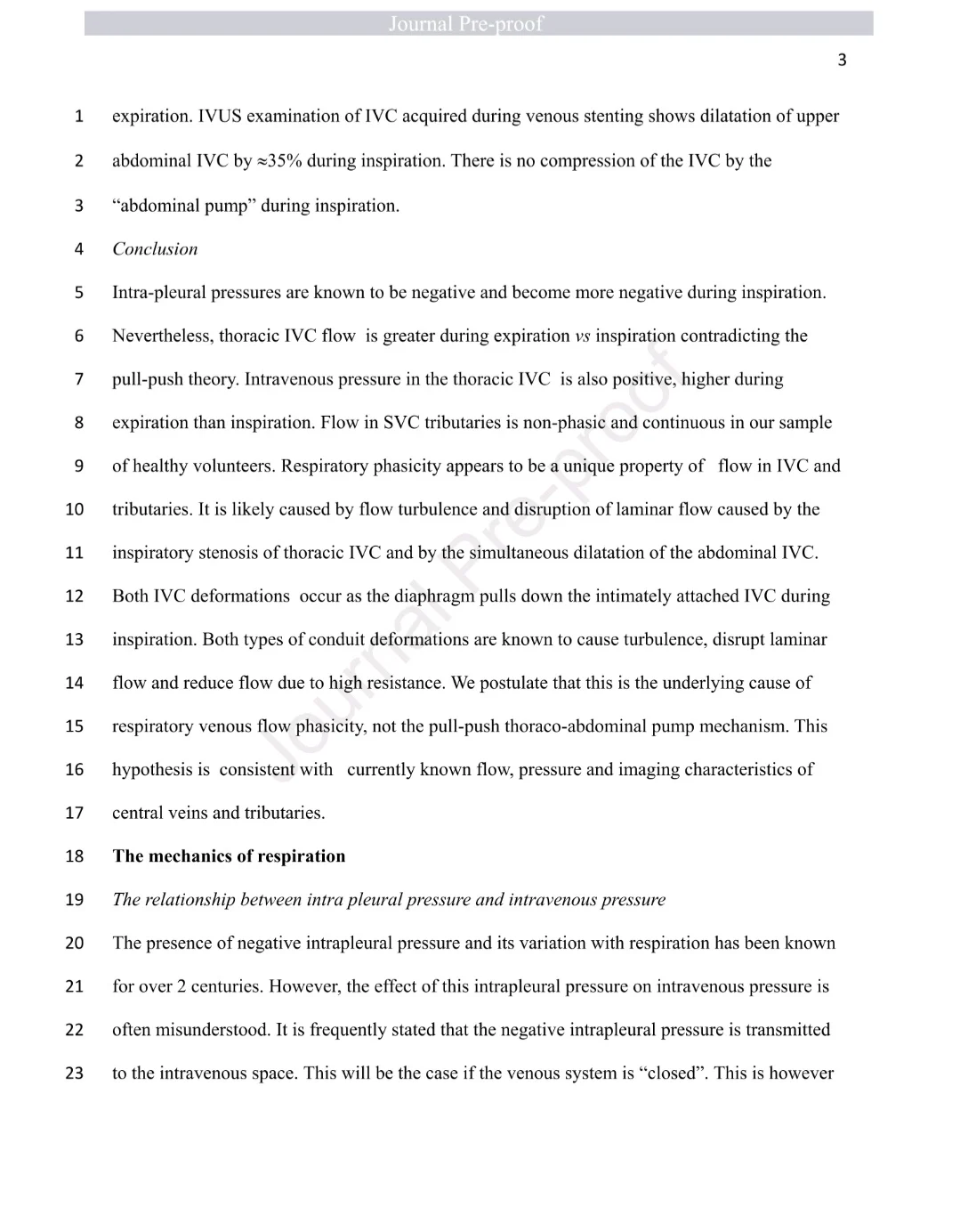
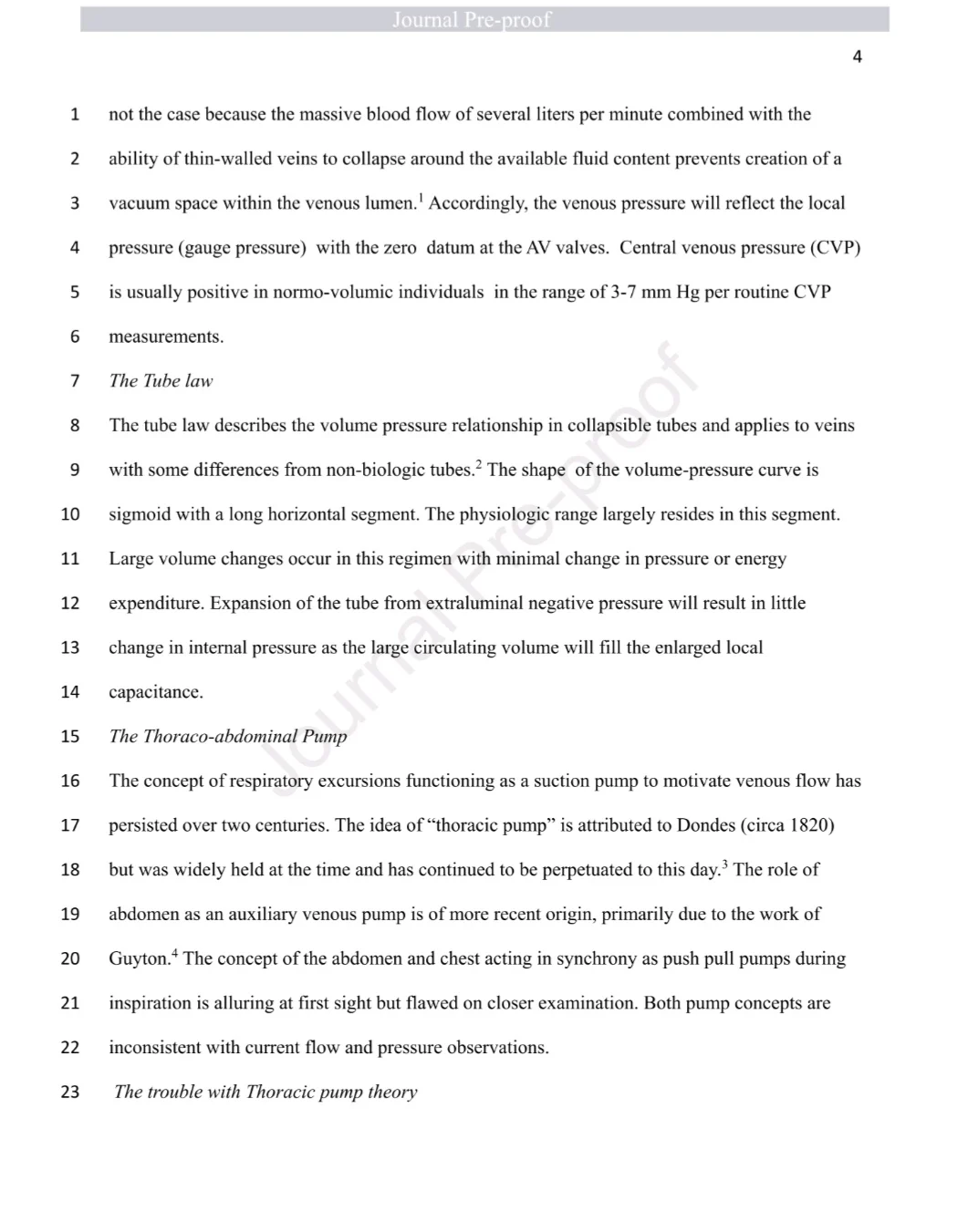
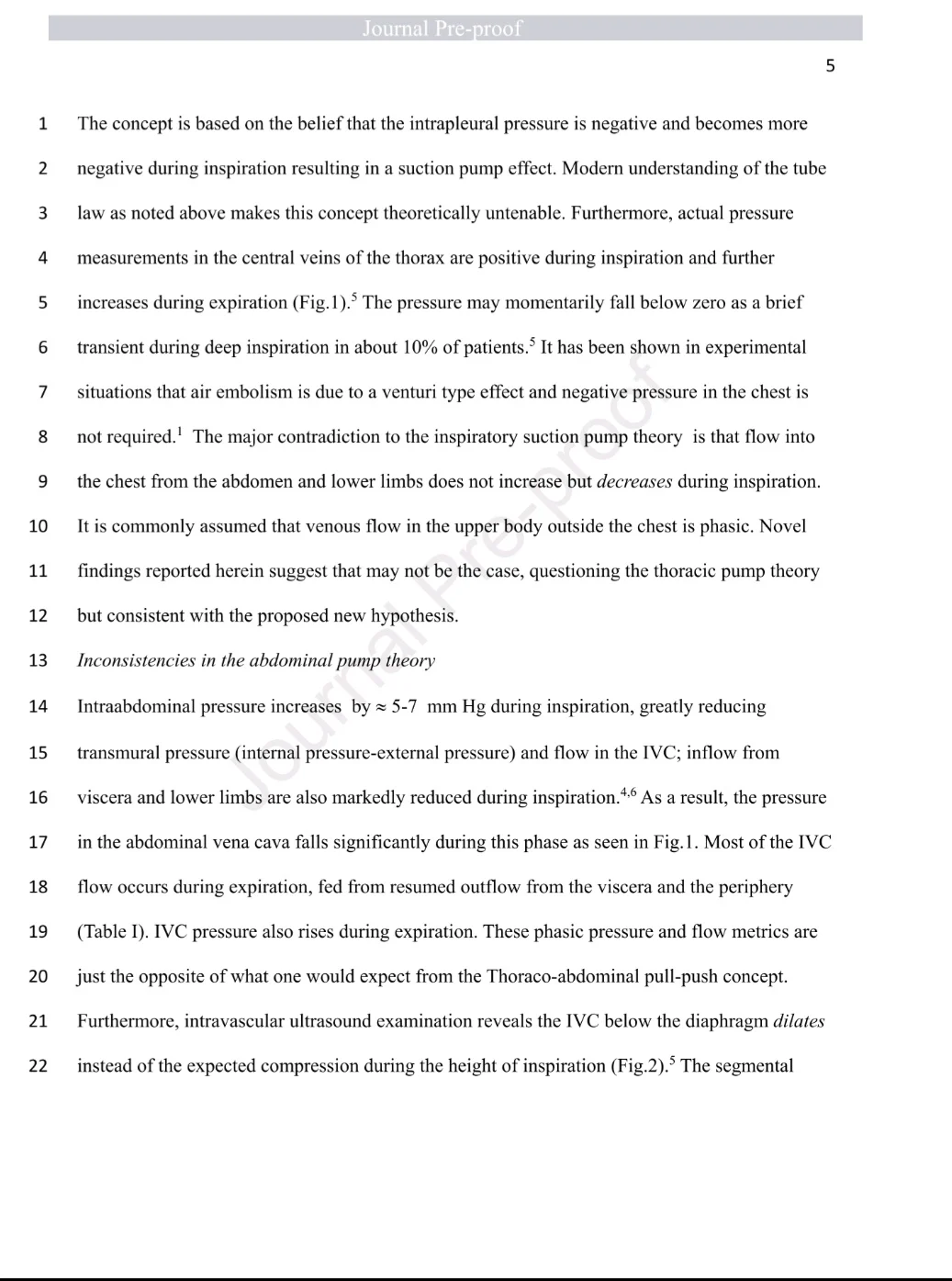
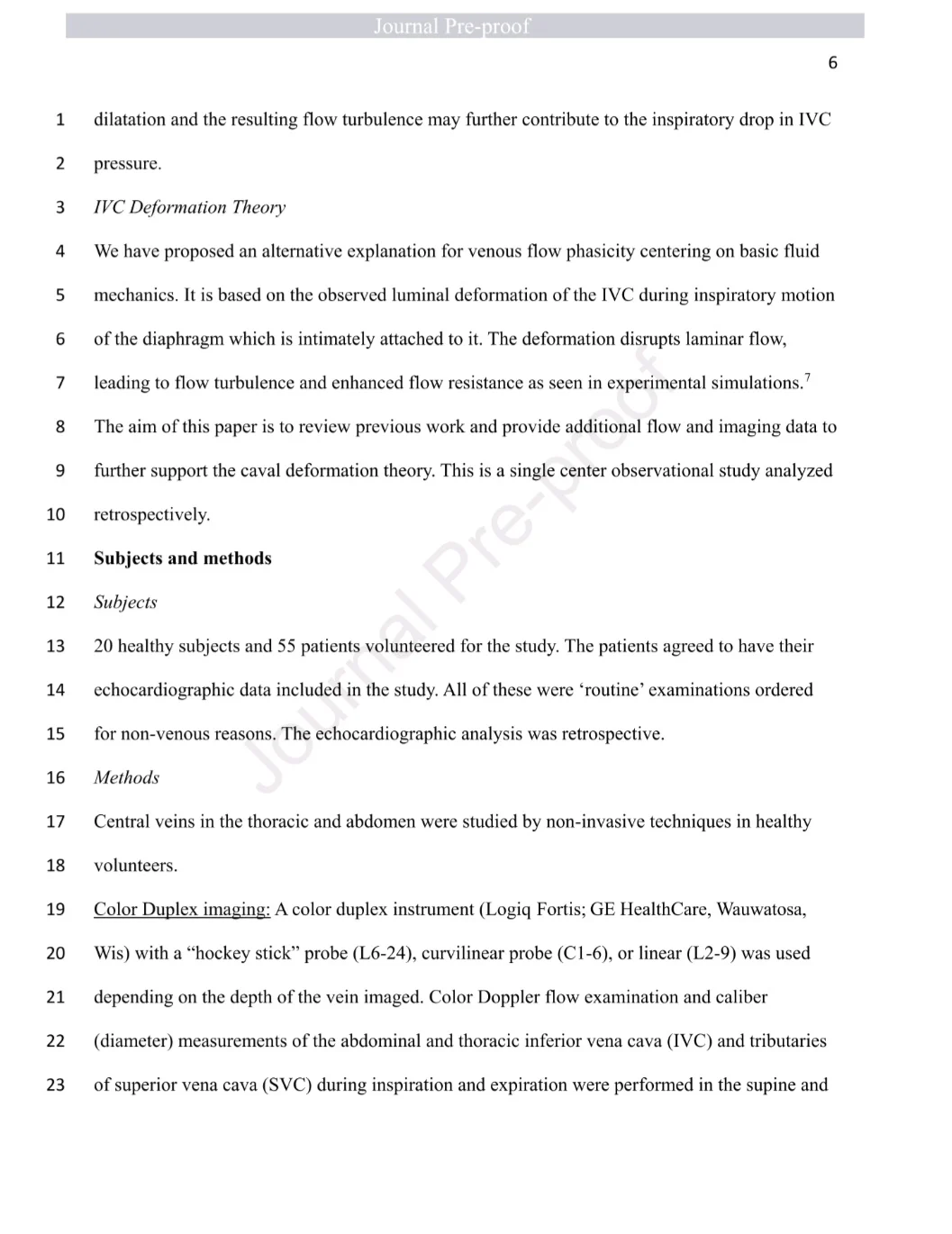
“We were all taught that venous phasicity comes from the thoraco‑abdominal pump: negative intrathoracic pressure ‘pulls,’ rising intra‑abdominal pressure ‘pushes.’
Raju et al’s new JVSVL 2026 paper makes a strong case that this story is incomplete
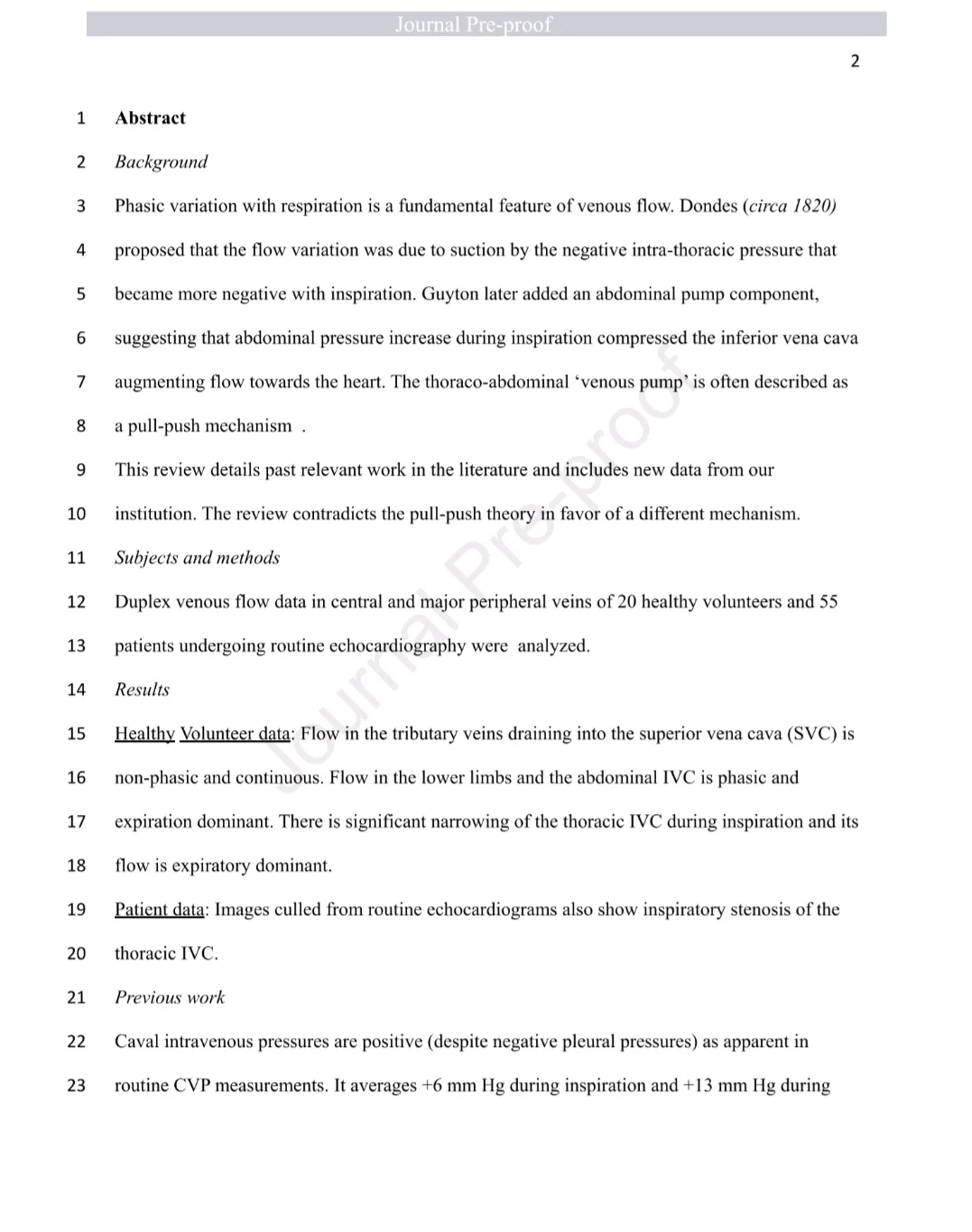
In 20 healthy volunteers plus 55 routine echo patients, they show:
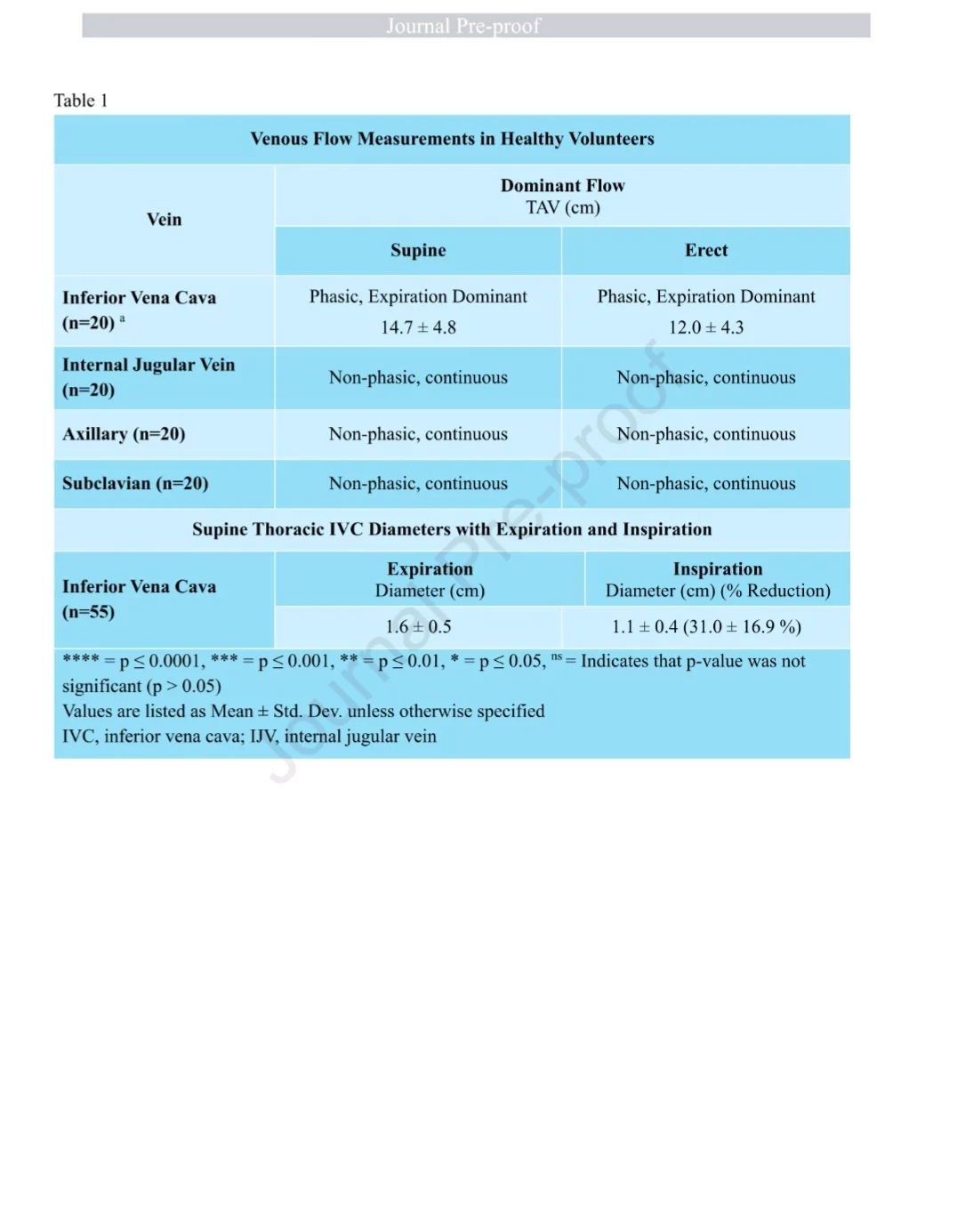
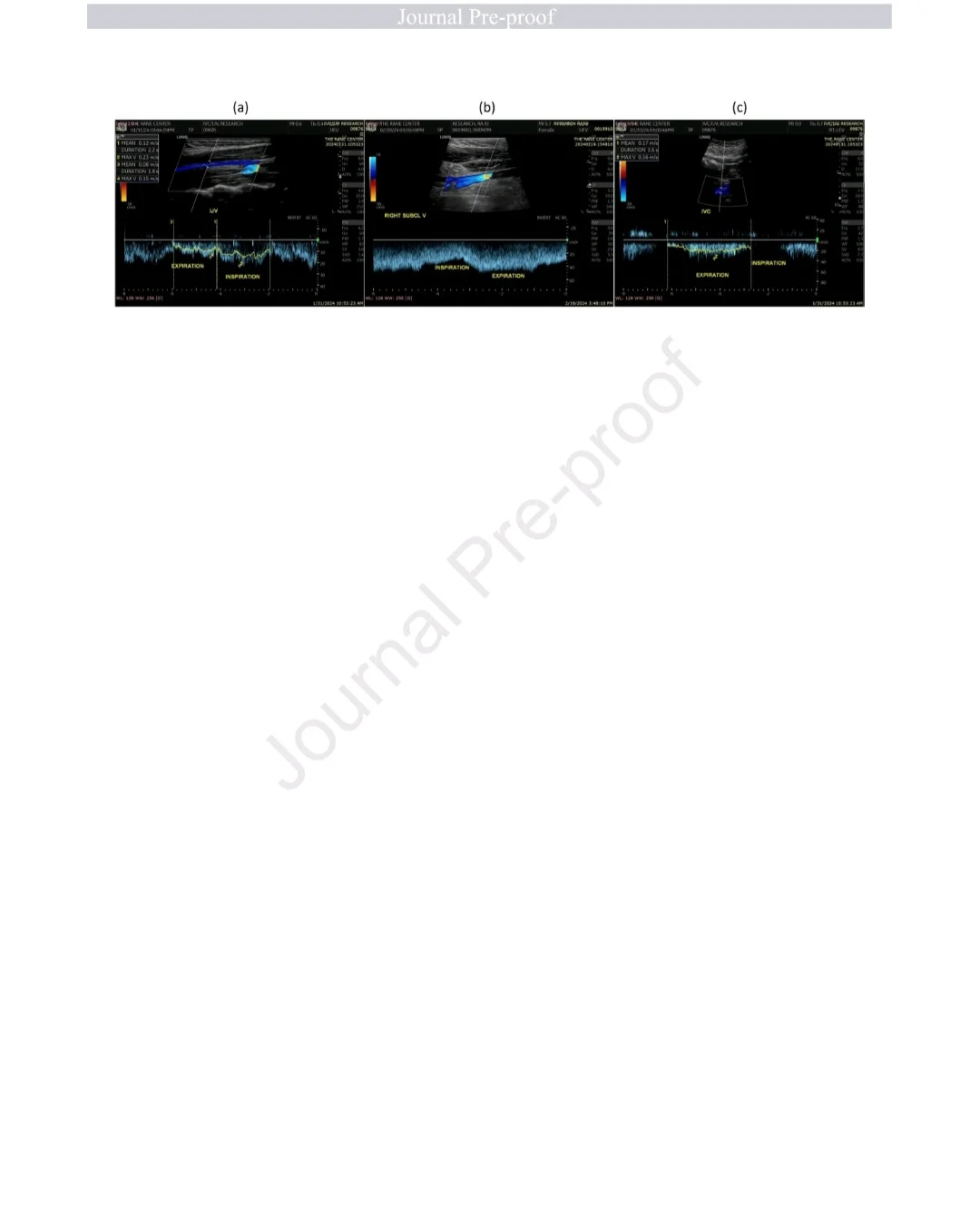
- Superior vena cava territory (IJV, subclavian, axillary) has continuous, non‑phasic flow throughout respiration
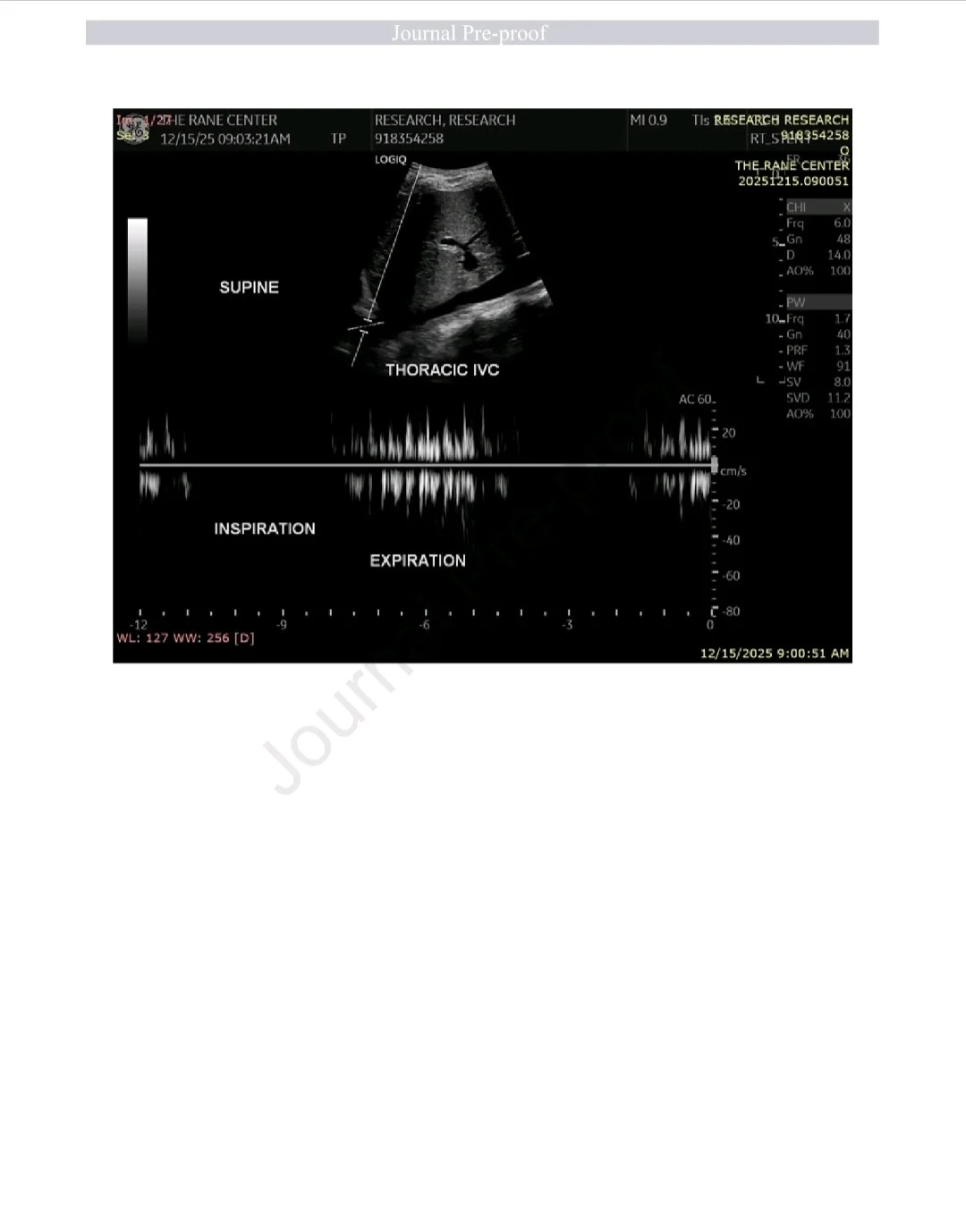
- Inferior vena cava territory (IVC and lower limb tributaries) shows expiratory‑dominant phasic flow, often with minimal or absent inspiratory flow
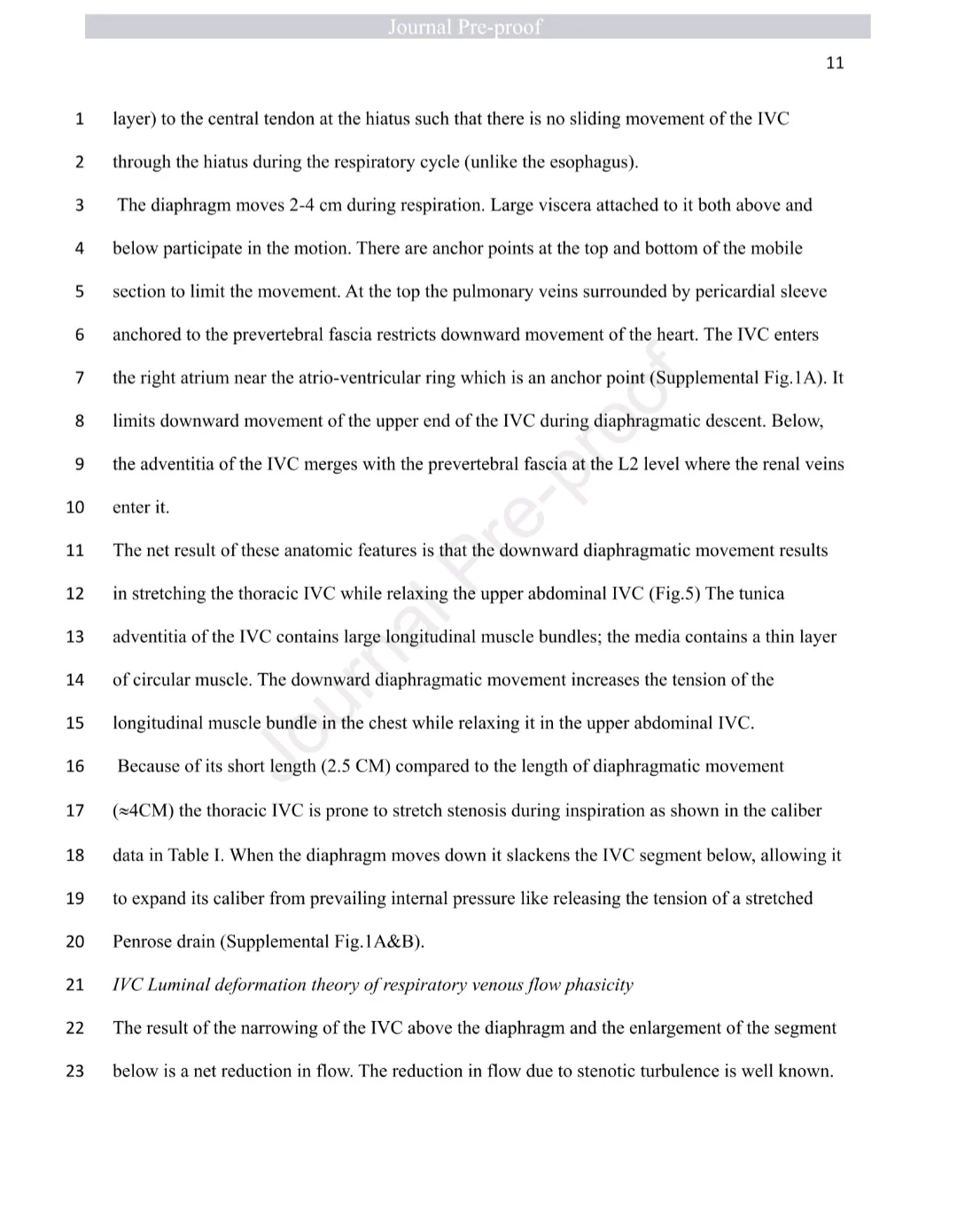
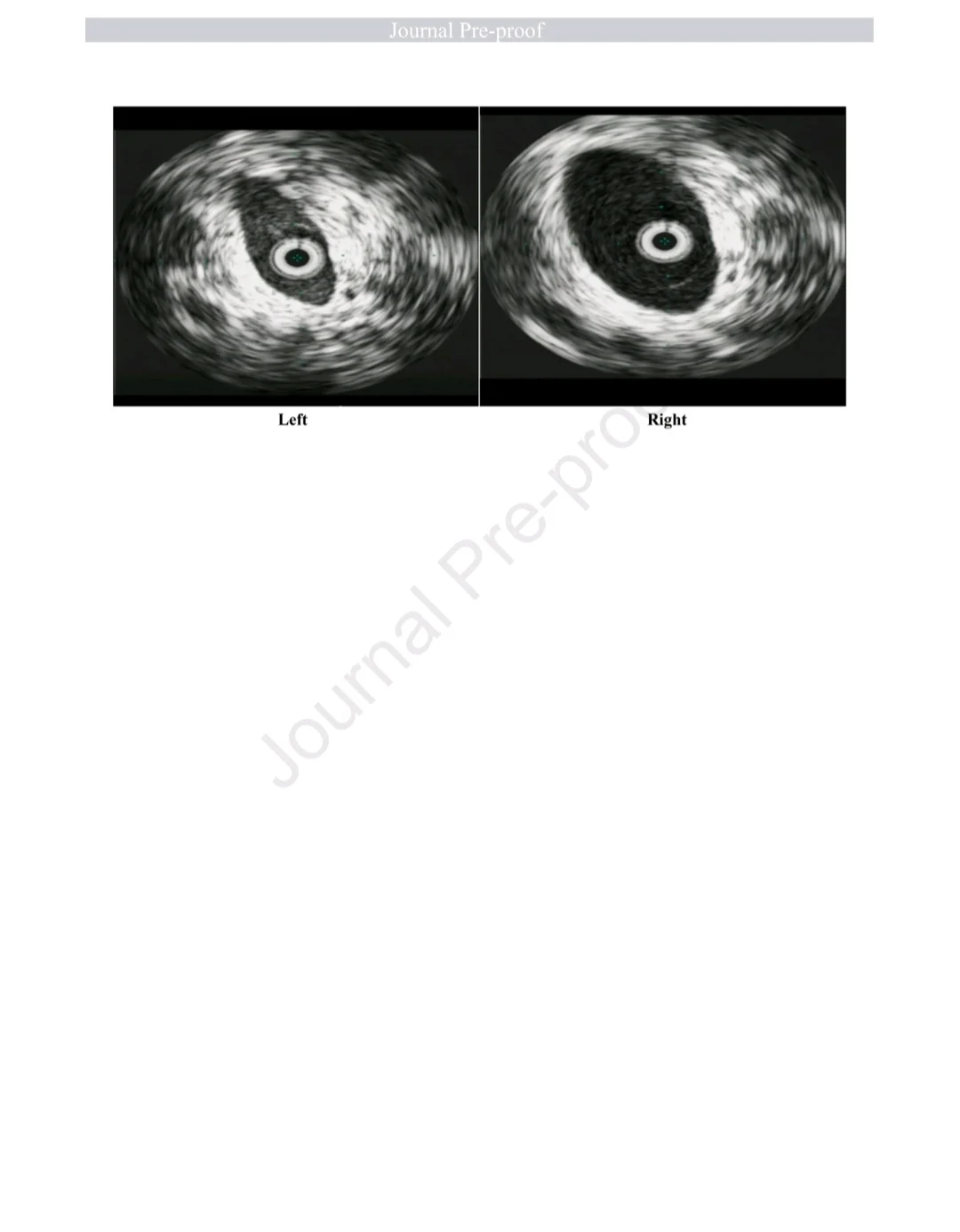
- The short thoracic IVC stenoses with inspiration (approximately 30% diameter reduction, sometimes near‑collapse), while the suprarenal abdominal IVC dilates by approximately 35% on IVUS – so much for the classic ‘abdominal pump’
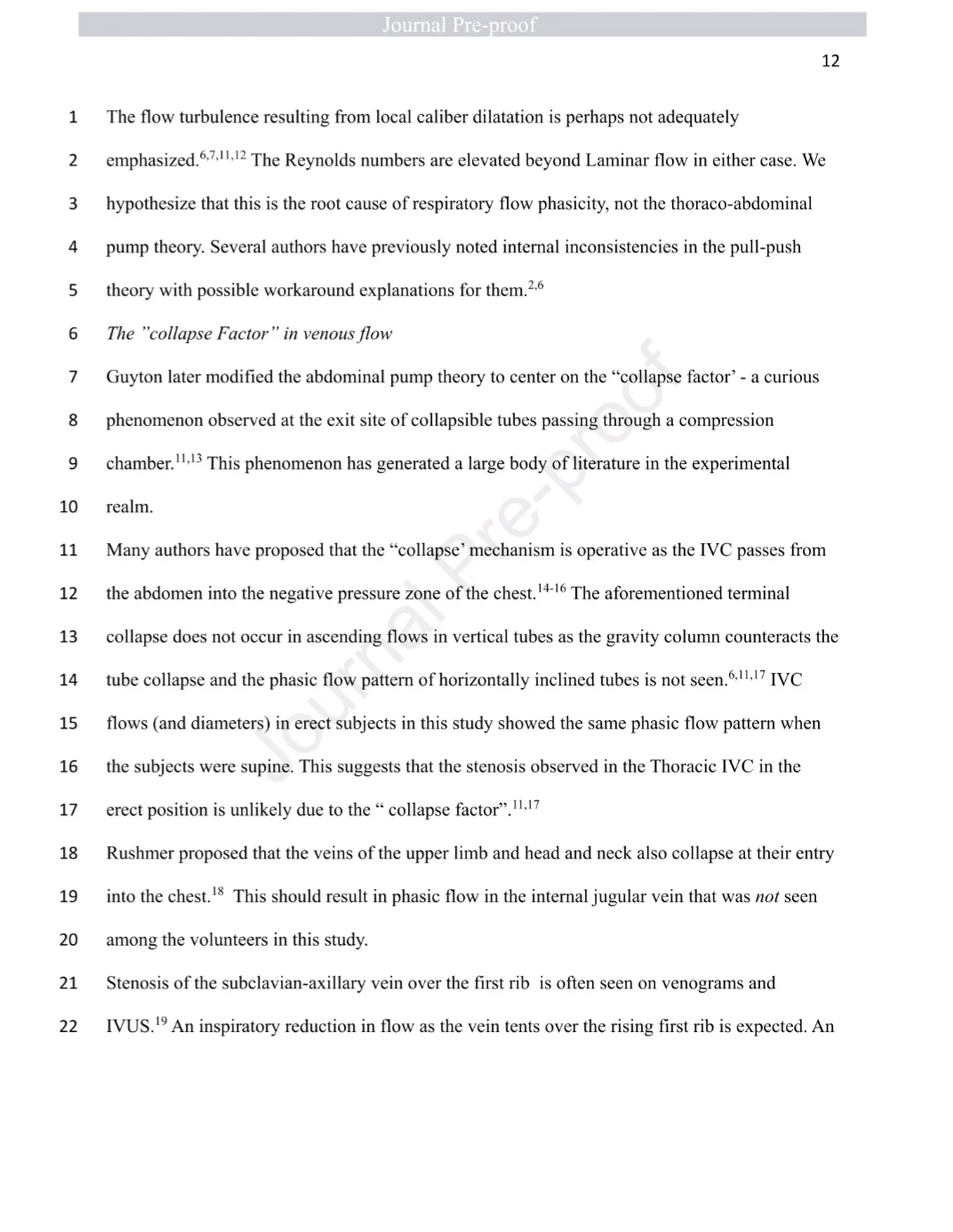
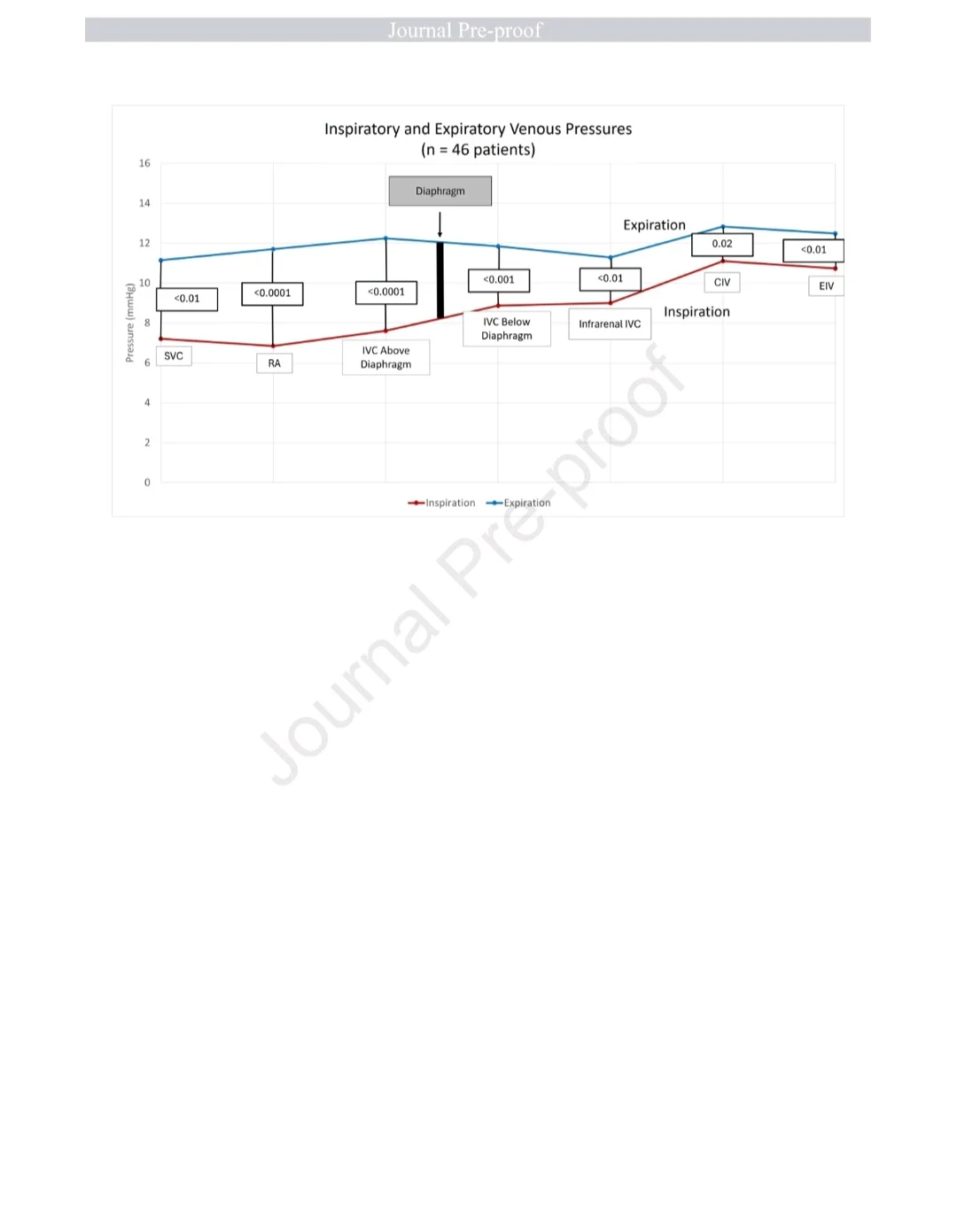
Central venous pressures in the IVC/SVC remain positive in both inspiration and expiration and are higher during expiration, which does not fit a simple inspiratory suction‑pump model
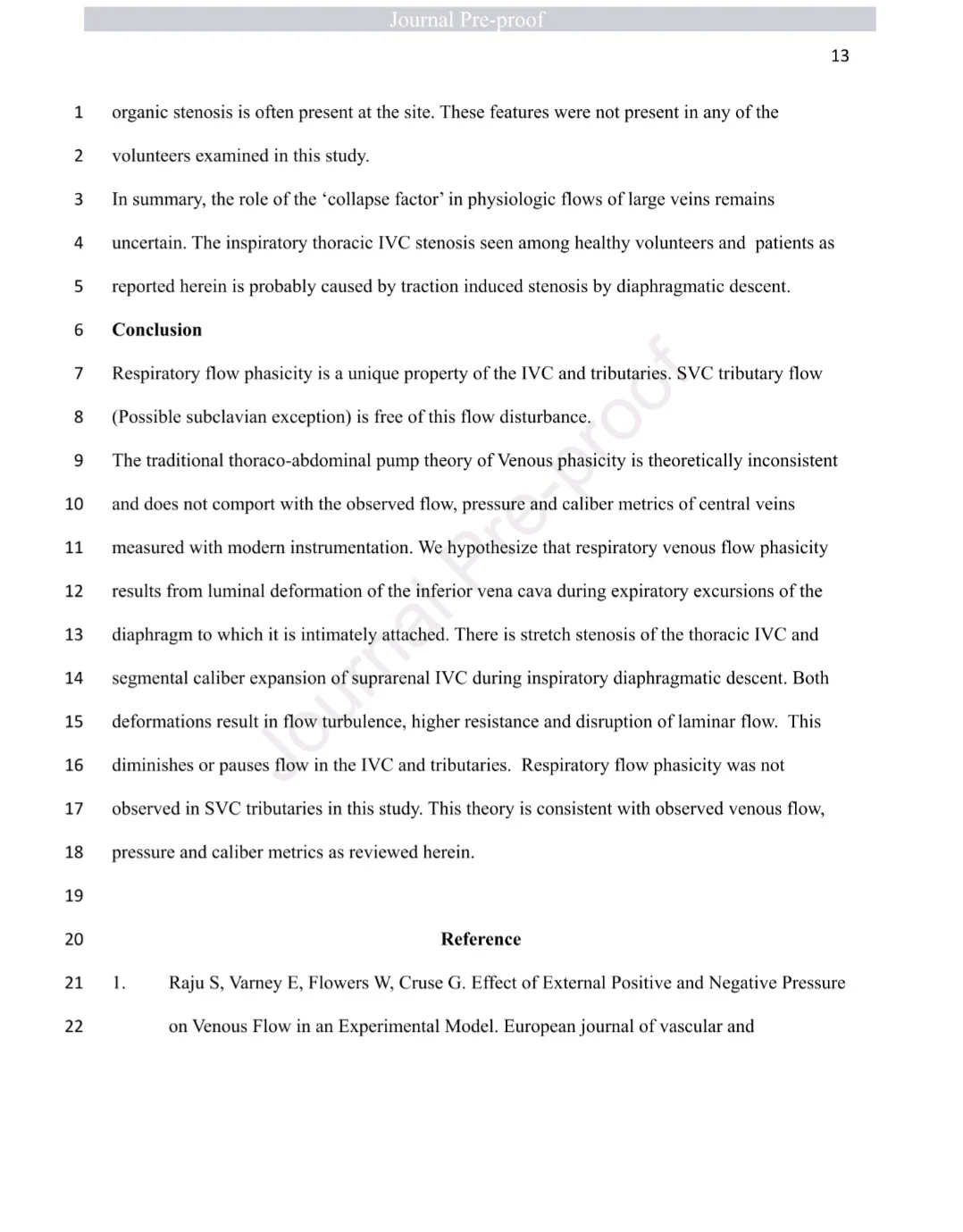
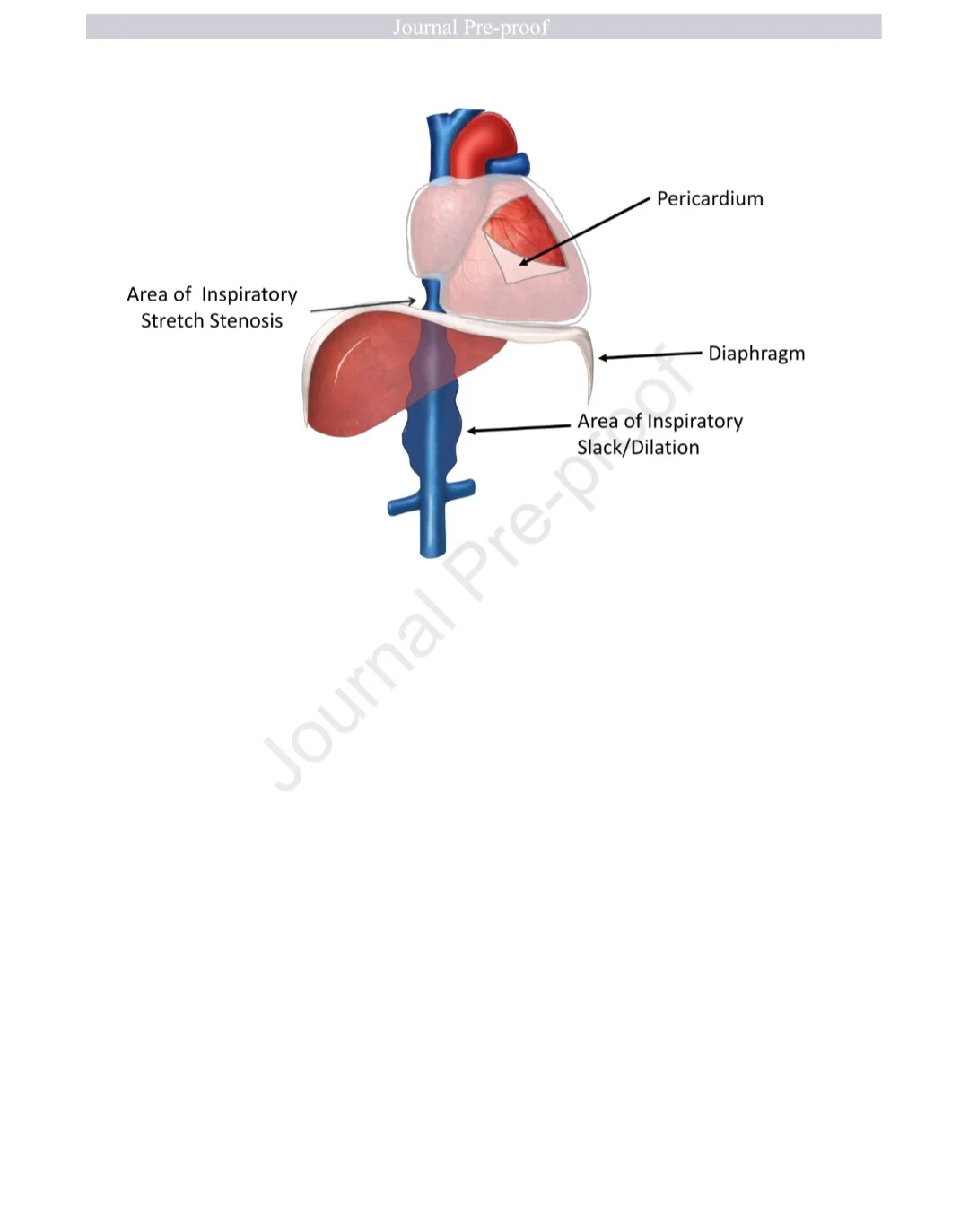
The authors argue this is really an IVC deformation phenomenon.
As the diaphragm descends, it traction‑stenoses the thoracic IVC and lets the upper abdominal IVC balloon.
Both deformities create turbulence, disrupt laminar flow, and transiently reduce IVC flow – hence the expiratory – dominant phasic signal we rely on in the lab
Bottom line: phasicity looks like a unique mechanical behavior of the IVC and its tributaries, not a global thoraco‑abdominal pump.
SVC tributaries stay mostly clean.
Interesting paper – what are your thoughts?”
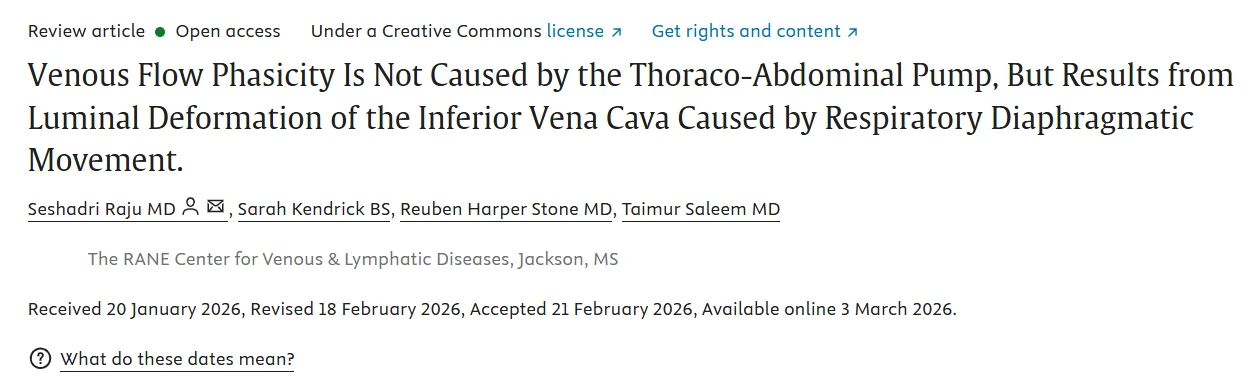
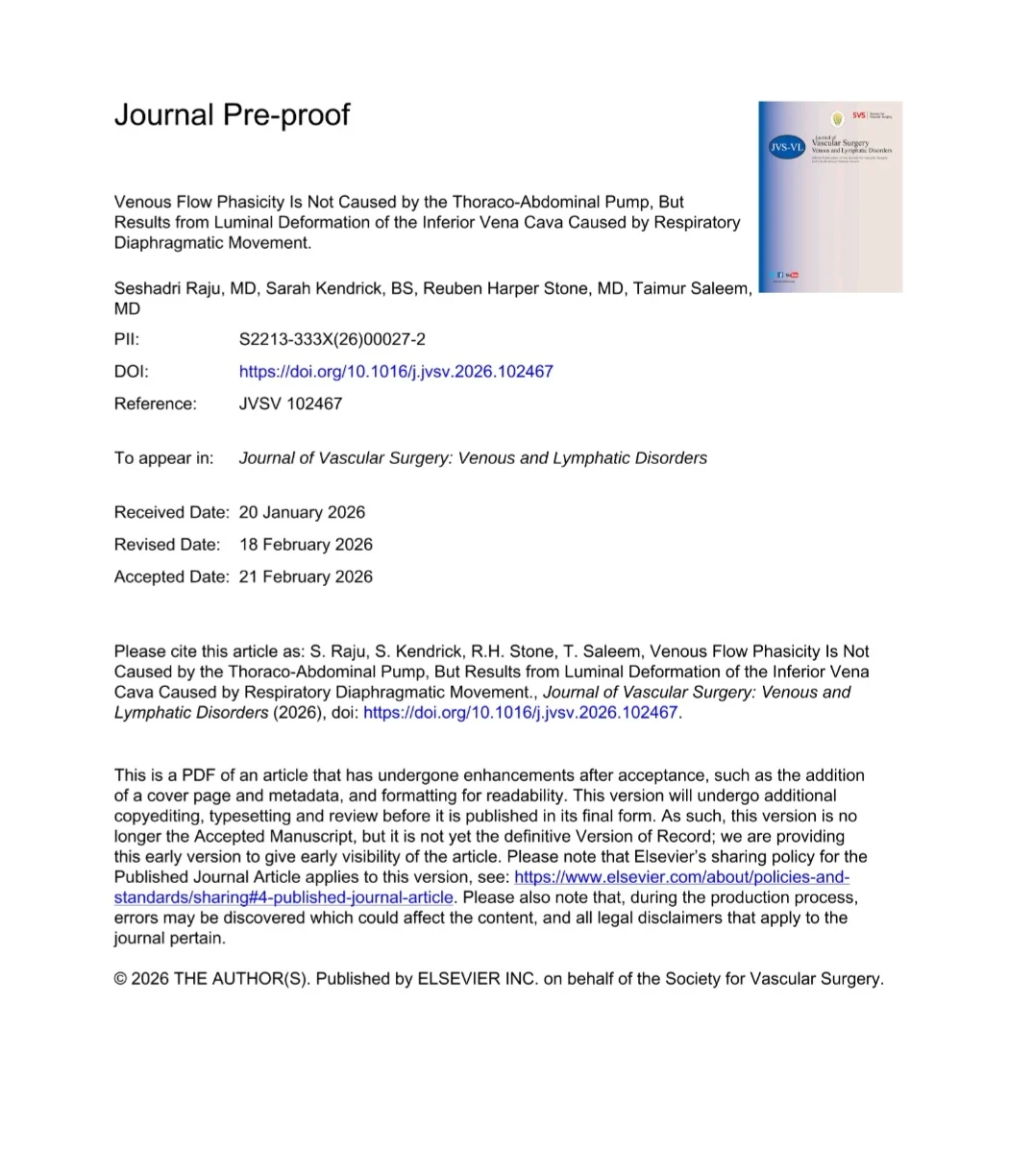
Title: Venous Flow Phasicity Is Not Caused by the Thoraco-Abdominal Pump, But Results from Luminal Deformation of the Inferior Vena Cava Caused by Respiratory Diaphragmatic Movement.
Authors: Seshadri Raju, Sarah Kendrick, Reuben Harper Stone, Taimur Saleem
Read the Full Article on Journal of Vascular Surgery: Venous and Lymphatic Disorders
Other articles featuring Jan Sloves on Hemostasis Today.

-
Sep 26, 2026, 16:41Matthew Smeds: Management of Thoracic Endograft Thrombosis and Mesenteric Embolization
-
Sep 26, 2026, 16:04Isabelle Feldhaus: What the New ASH Iron Deficiency Guidance Means for Care
-
Sep 26, 2026, 15:55Francesca Palandri: The R-NAT Score Developed in Ruxolitinib-Treated MF Patients
-
Sep 26, 2026, 15:49Alex Ehsan: Antiphospholipid Syndrome A Practical Guide
-
Sep 26, 2026, 15:42Michael Tadao Inouye: The Next Frontier in Genomic Population Health
-
Sep 26, 2026, 15:32Katariina Öörni: Familial Hypercholesterolaemia in Children Why Early Diagnosis Matters
-
Sep 26, 2026, 15:30P-Selectin as a Therapeutic Target in Thrombosis
-
Sep 26, 2026, 15:27Berkan Kurt: The Role of Biomarkers in Cardiovascular Prevention
-
Sep 26, 2026, 15:21Consuela A. Albright: Five Concrete Ways Steps to Advocate for Sickle Cell Disease