

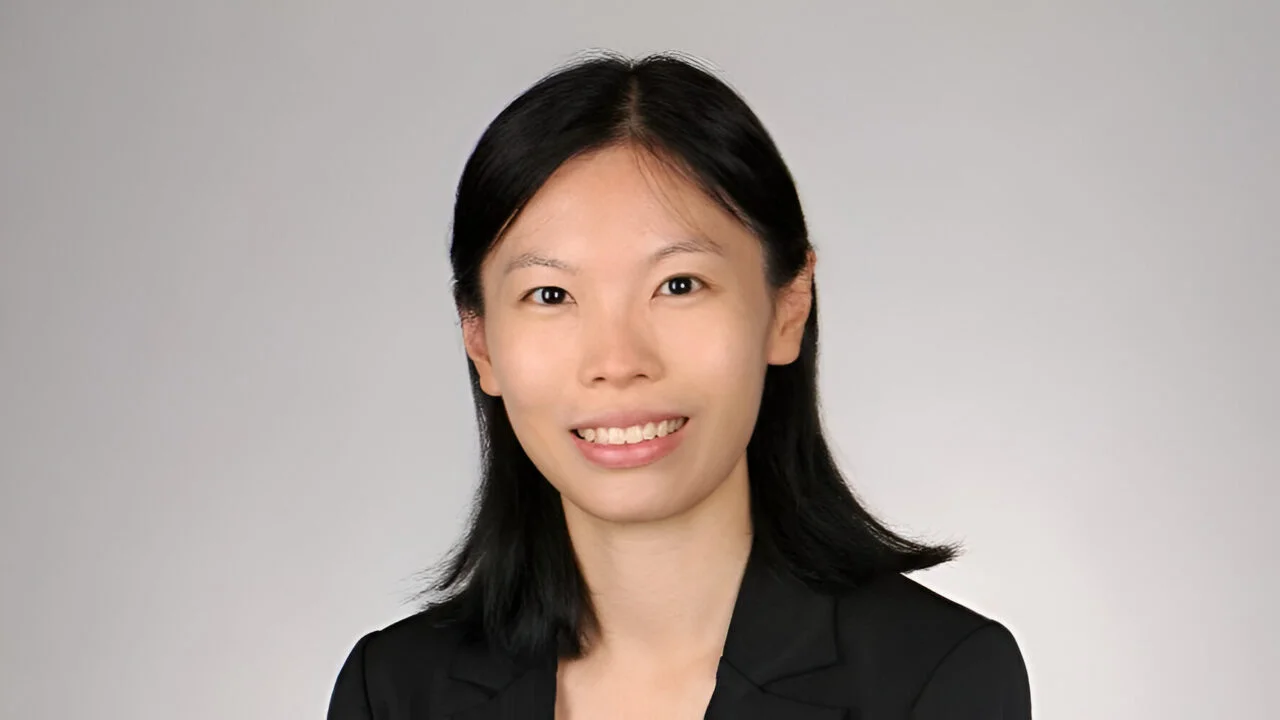
Ming Lim With Team Highlights The Importance of Identifying NSHA Patients
Ming Lim, Clinical Associate Professor at University of Utah, shared on LinkedIn:
“Using the My Life Our Future Research Repository, we analyzed the largest known cohort of individuals with non-severe hemophilia A (NSHA) who developed inhibitors (n=142). We identified 70 distinct F8 gene variants where inhibitor development occurred in a multiethnic cohort. These findings highlight the importance of identifying NSHA patients at-risk for inhibitors to improve clinical management and outcomes.
This study took years in the making, and would not have been possible without the support of the HTRS Mentored Research Award, Nigel Key, Jill Johnsen, Kristy Lee, American Thrombosis and Hemostasis Network (ATHN) and Tammuella Chrisentery-Singleton, and the My Life Our Future Research Repository.”
Title: F8 Variants and Inhibitor Development in a Multiethnic Cohort of Nonsevere Haemophilia A
Authors: Ming Y. Lim, Kristy Lee, Jill M. Johnsen, Nigel S. Key
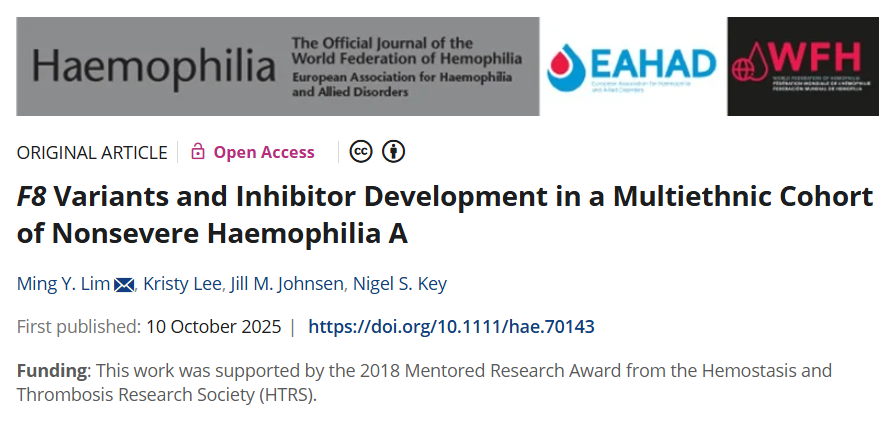
Read full article here.
Stay updated about latest Haemophilia A news with Hemostasis Today.
-
Sep 11, 2026, 17:41Khaled Musallam: Earlier Recognition, Better Outcomes in NTDT
-
Sep 11, 2026, 17:29Reyhan Kose Cobanoglu: APS ACTION Registry Study Published in Lupus
-
Sep 11, 2026, 17:14Obi Light Ogbonnia: From Kenya to Global Sickle Cell Advocacy
-
Sep 11, 2026, 17:01EAHAD 2027 Marks 20 Years
-
Sep 11, 2026, 16:54Denise Braendgaard: Reimagining Health Systems Through Collective Action
-
Sep 11, 2026, 16:47Jehad Khamaysa: Budd-Chiari Syndrome as the Initial Presentation of Behçet’s Disease in a 16-Year-Old
-
Sep 11, 2026, 16:44Mostafa Faisal Mohammed Saleh: From HLA Biology to Curative Therapy
-
Sep 11, 2026, 16:38Jim Kaveney: Class I, Level A – Lifestyle is Now the Official Standard in AFib Care
-
Sep 11, 2026, 16:31George Touma: Do We Really Need to Implant Metal in Every High-Bleeding-Risk Patient?