

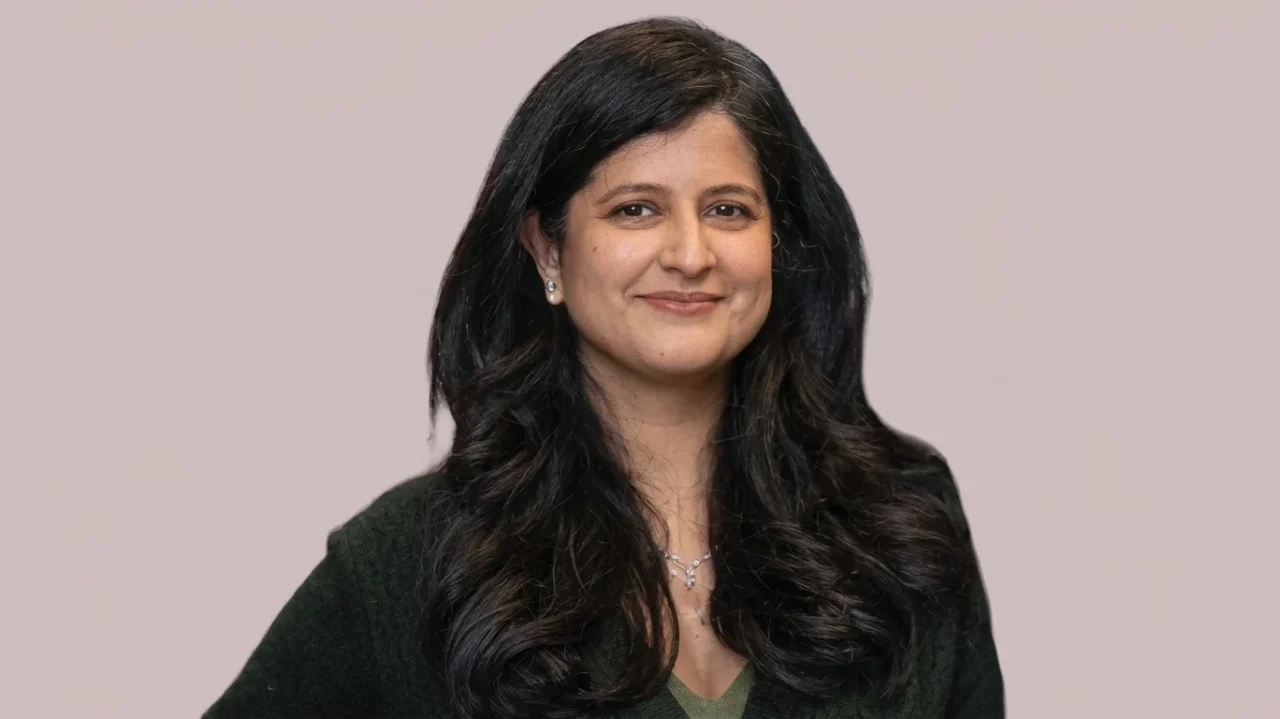
Mital Jhaveri: Do Heart Failure Patients on Anticoagulants Still Need Aspirin?
Mital Jhaveri, Clinical Anticoagulation, Heart Failure Pharmacist at NYC HHC Queens Hospital Center, shared a post on LinkedIn about a recent article by Gilles Lemesle et al., published in NEJM, adding:
“A common question encountered in clinical practice is: ‘For my patient with chronic coronary syndrome, a stent, and heart failure who is on an anticoagulant, should I also continue aspirin?’
While the instinct may be to provide additional protection, recent evidence prompts a reevaluation.
The American Heart Association has referenced a significant trial published in the 2025 NEJM, which was halted early due to safety concerns.
This study involved nearly 900 adults with chronic coronary syndrome and stents, comparing those taking 100 mg of aspirin daily alongside prescribed anticoagulants to those on anticoagulants alone.
The findings were notable.
The addition of aspirin increased the risk of cardiovascular death, heart attack, stroke, systemic embolism, acute limb ischemia, and the need for coronary revascularization.
Furthermore, patients in the aspirin group experienced higher rates of major bleeding and mortality from any cause.
This research adds to the accumulating evidence that individuals taking aspirin in conjunction with anticoagulants face increased risks of cardiovascular events and major bleeding compared to those on anticoagulants alone.
The key takeaway for managing heart failure patients is clear: for individuals already on therapeutic anticoagulation, routinely adding aspirin may pose more risks than benefits, especially in heart failure contexts where bleeding risk is heightened.
The approach is shifting towards precision-duration, minimalist antithrombotic therapy rather than automatically combining agents.
Individualizing treatment to balance ischemic and bleeding risks is essential.
Let the data inform our discussions.”
Title: Aspirin in Patients with Chronic Coronary Syndrome Receiving Oral Anticoagulation
Authors: Gilles Lemesle, Romain Didier, Philippe Gabriel Steg, Tabassome Simon, Gilles Montalescot, Nicolas Danchin, Christophe Bauters, Didier Blanchard, Claire Bouleti, Denis Angoulvant, Stéphane Andrieu, Gérald Vanzetto, Mathieu Kerneis, Véronique Decalf, Etienne Puymirat, Dominique Mottier, Abdourahmane Diallo, Eric Vicaut, Martine Gilard, Guillaume Cayla

Stay updated on all scientific advances with Hemostasis Today.

-
Nov 20, 2026, 17:27Adam Bryant: Great Science, Valuable Connections and a Wonderful Haematology Community at Blood 2026
-
Nov 20, 2026, 17:25Gurpreet Kaurr: Scientific Discussions, New Perspectives and Inspiration at HAEMATOCON 2026
-
Nov 20, 2026, 17:24Bispecific FVIIIa-Mimetic Antibodies in Haemophilia A – CRH French Reference Center for Hemophilia Lyon
-
Nov 20, 2026, 17:23Khalid Rehman: Psychosocial Burden Among Caregivers of Patients with Beta-Thalassemia Major in Pakistan
-
Nov 20, 2026, 17:20Dhinesh Selvaraju: Caplacizumab Becomes the First FDA-Approved Treatment for Pediatric aTTP
-
Nov 20, 2026, 17:19Paris Margaritis: Presenting Preclinical Data on GENV-HEM at the WFH Workshop
-
Nov 20, 2026, 17:18WFH Opens Public Comment on Draft Guidelines for Hemostatic Agents and Prophylaxis
-
Nov 20, 2026, 17:18Ketan Asawale: Consensus on the Management of Cancer-Associated Thrombosis in India
-
Nov 20, 2026, 17:16Ajay Samkaria: The Evolution of Hemostasis Diagnostics with the ACL TOP 70 Series