

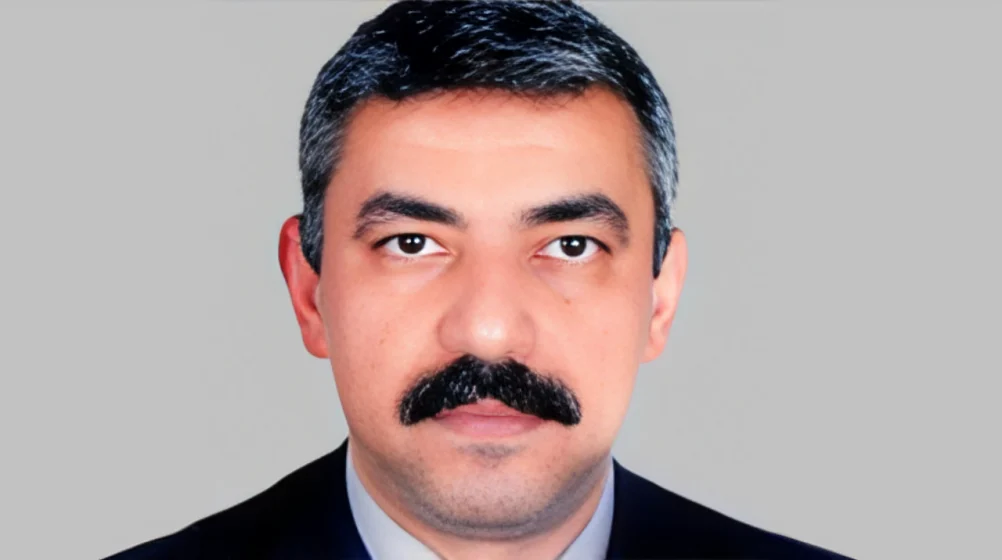
Moustafa Abdou: Ehlers-Danlos Syndrome – Why Collagen Matters for Hemostasis
Moustafa Abdou, Author and Founder of AskHematologist.com, shared a post on LinkedIn:
“Ehlers-Danlos Syndrome (EDS)
Normal lab results don’t always mean normal hemostasis.
When a patient presents with extensive bruising but their platelet count and coagulation screens are completely normal, the culprit is often structural, not circulating.
In Ehlers-Danlos Syndrome (EDS), easy bruising occurs due to increased fragility of dermal blood capillaries and poor structural integrity of the skin, rather than a clotting abnormality.
Mutations affecting collagen synthesis or its modifying enzymes leave blood vessel walls without their vital connective tissue support.
While classic and hypermobility types cause troublesome capillary bleeding, recognizing the rarer types—like Vascular EDS—is critical, as tissue weakness can lead to life-threatening arterial or organ rupture.
A solid grasp of vascular bleeding disorders prevents unnecessary hematologic testing and ensures appropriate clinical management.
Read the Full Clinical Breakdown.”
Other posts featuring Moustafa Abdou on Hemostasis Today.
-
Sep 20, 2026, 03:58Salih Ehsan: The Complexities of HbF and HbA2
-
Sep 20, 2026, 03:22The Voices of People Living With Bleeding Disorders – EHC
-
Sep 20, 2026, 01:18Sebastian Mafeld: Has 2026 Changed How We Treat Pulmonary Embolism?
-
Sep 20, 2026, 01:16Pall T. Onundarson: DOACs – Monitoring, Tailoring Dose and Identifying Problems
-
Sep 20, 2026, 01:15Thierry Fumeaux: From Efficacy to Effectiveness – The Value of Real-World Evidence
-
Sep 20, 2026, 01:14Said El Shamieh: VEGFA Genetic Variants and Bleeding Risk During Warfarin Therapy
-
Sep 20, 2026, 01:04Omar Danoun: Levetiracetam May Increase Thromboembolic Risk With DOACs
-
Sep 20, 2026, 01:02Mohamed Abo-Aly: Which Antiseizure Medication is Safest for Patients on DOACs?
-
Sep 20, 2026, 00:58Hamza Rafiq: How Does a Deep Vein Thrombosis Become a PE?