

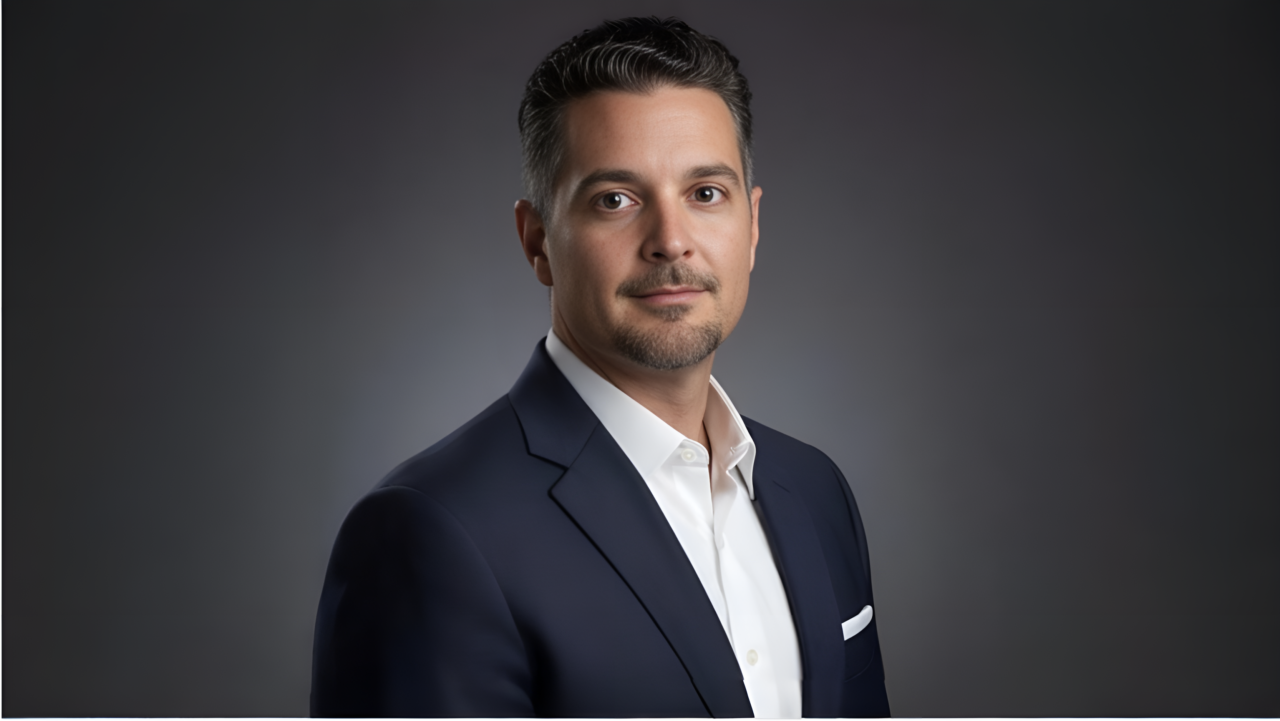
Pedro Perez: PE Recovery – From Acute Treatment to Long-Term Follow-Up
Pedro Perez, Southeast Vascular Sales Manager at Argon Medical Devices, shared a post on LinkedIn about a recent article by Mark A. Creager et al., published in Circulation, adding:
“The pulmonary embolism is treated. But what happens when the patient still can’t breathe normally three months later?
We often measure PE treatment success through clot reduction, right ventricular recovery, and hemodynamic stabilization.
But long-term recovery deserves equal attention.
The 2026 AHA/ACC multisociety PE guideline highlights an important clinical reality: up to half of patients may experience persistent shortness of breath or functional limitations after three months of therapeutic anticoagulation.
Two important takeaways:
1. Persistent symptoms warrant investigation. Patients experiencing ongoing dyspnea or exercise intolerance after at least three months of treatment should be evaluated for chronic thromboembolic pulmonary disease (CTEPD), including chronic thromboembolic pulmonary hypertension (CTEPH).
2. Follow-up is part of treatment. The guideline recommends assessing PE-related symptoms and functional limitations at every visit for at least one year.
The bigger picture: Successfully treating an acute PE is only one part of restoring a patient’s health. Recognizing long-term complications and helping patients regain their functional capacity are equally important.
Should standardized 3-, 6-, and 12-month follow-up become a routine part of every hospital’s PE care pathway?”
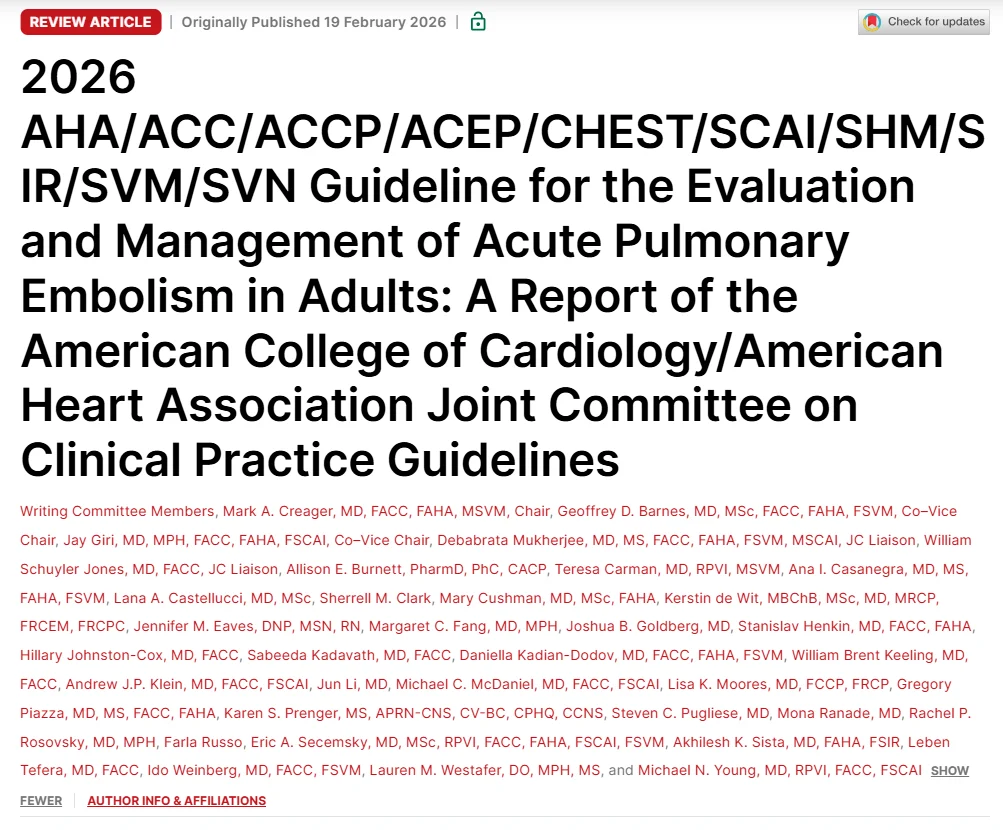
Title: 2026 AHA/ACC/ACCP/ACEP/CHEST/SCAI/SHM/SIR/SVM/SVN Guideline for the Evaluation and Management of Acute Pulmonary Embolism in Adults: A Report of the American College of Cardiology/American Heart Association Joint Committee on Clinical Practice Guidelines
Authors: Mark A. Creager, Geoffrey D. Barnes, Jay Giri, Debabrata Mukherjee, William Schuyler Jones, Allison E. Burnett, Teresa Carman, Ana I. Casanegra, Lana A. Castellucci, Sherrell M. Clark, Mary Cushman, Kerstin de Wit, Jennifer M. Eaves, Margaret C. Fang, Joshua B. Goldberg, Stanislav Henkin, Hillary Johnston-Cox, Sabeeda Kadavath, Daniella Kadian-Dodov, William Brent Keeling, Andrew J.P. Klein, Jun Li, Michael C. McDaniel, Lisa K. Moores, Gregory Piazza, Karen S. Prenger, Steven C. Pugliese, Mona Ranade, Rachel P. Rosovsky, Farla Russo, Eric A. Secemsky, Akhilesh K. Sista, Leben Tefera, Ido Weinberg, Lauren M. Westafer, Michael N. Young
More posts featuring Pedro Perez on Hemostasis Today.
-
Nov 19, 2026, 12:34Edward Lee Carter: Are We Ready for FXIa Inhibitors?
-
Nov 19, 2026, 12:19Essama Telli: When a Bruise Doesn’t Heal – Recognising the Warning Signs
-
Nov 19, 2026, 11:51Wolfgang Miesbach: Beyond Episomal Gene Therapy in Haemophilia B
-
Nov 19, 2026, 11:18A First Look at WFH CCS 2027
-
Nov 19, 2026, 10:58Does a Higher Measured Factor Level Always Mean Better Protection Against Joint Bleeds? – Global Hemophilia Report
-
Nov 19, 2026, 10:43Strengthening Plasma Management and Patient Access Across Eastern Europe – ISBT
-
Nov 19, 2026, 10:32Rana Al-Hrout: The Hemodilution Trap – Accurate Blast Assessment in Bone Marrow Biopsies
-
Nov 19, 2026, 10:29Maria Panagiota Terzi: Presenting Research on Coagulation Biomarkers in Acute Myocardial Infarction
-
Nov 19, 2026, 10:21Paola Ranalli: Hemophilia and von Willebrand Disease Advancing Care Through Multidisciplinary Collaboration