

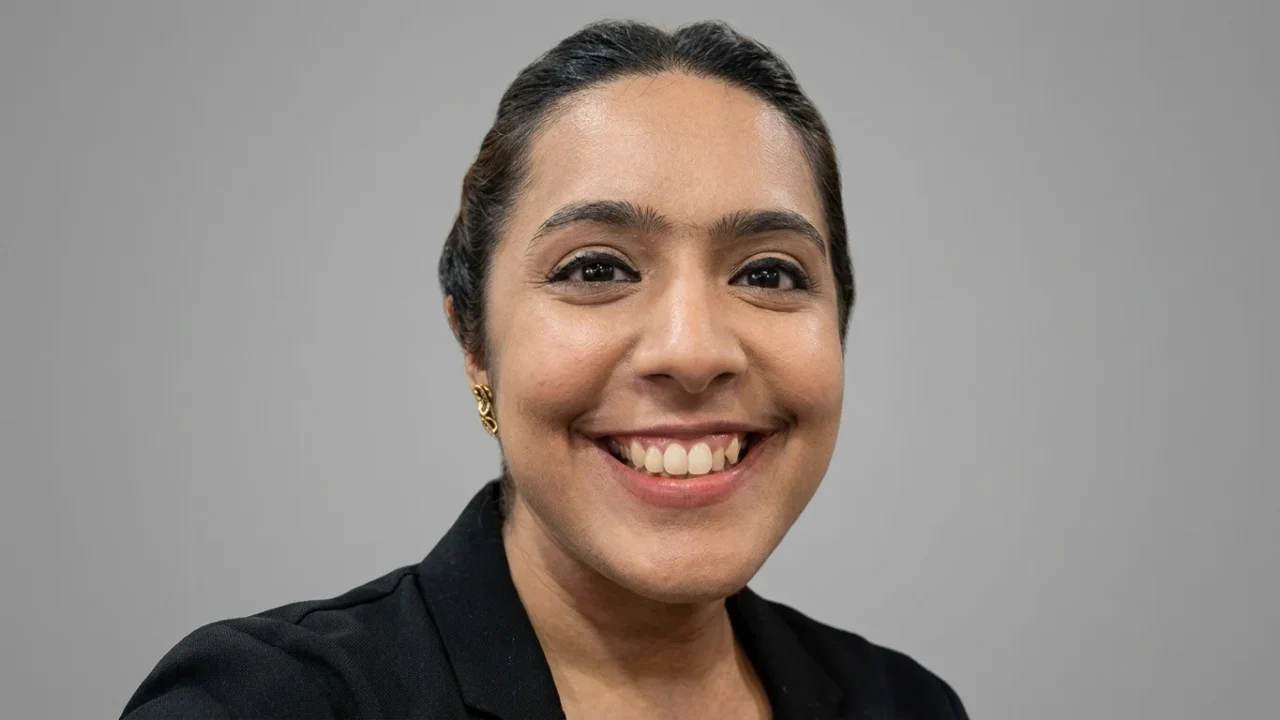
Mehak Trehan: ASH 2026 Benign Hematology – Ten Abstracts Through an Indian Lens
Mehak Trehan, Subject Matter Expert at DailyRounds, shared a post on X:
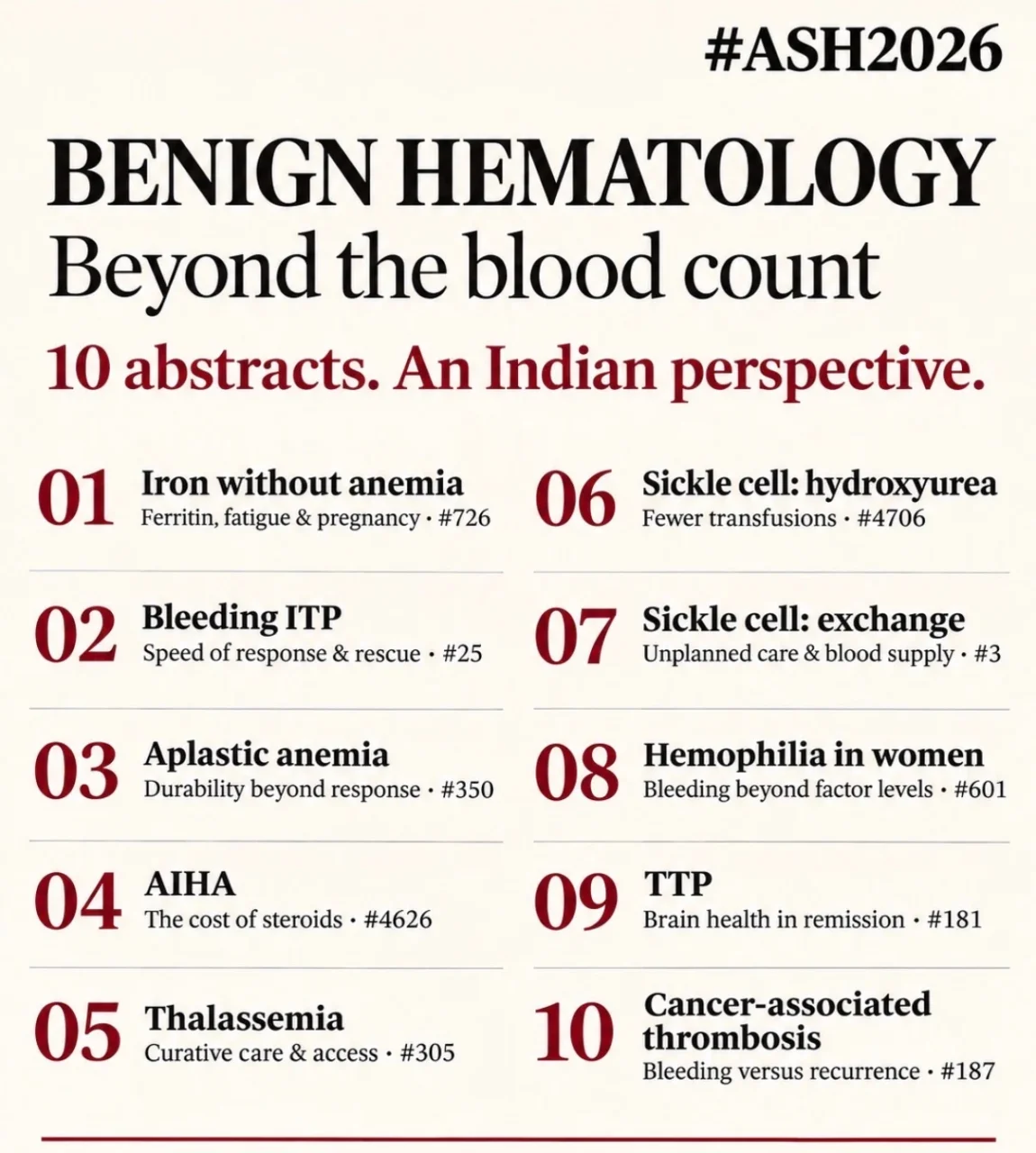
“ASH 2026, Benign Hematology
Beyond the blood count: what outcomes should we be watching?
Ten abstracts through an Indian lens.
Fewer bleeds. Fewer transfusions. Preserved organs. Less treatment burden. These are the outcomes I’m watching.
1. Iron deficiency without anemia – 726
In 200 pregnant women in a US cohort, 64% had iron deficiency without anemia. An observational signal to study ferritin, fatigue and treatment benefit in Indian pregnancy care.
2. Bleeding ITP: IVIORDEX – 25
Day-5 response: 72.1% with dexamethasone vs 84.4% with IVIG or prednisone; non-inferiority was not met. Rescue needs matter when IVIG is expensive. Life-threatening bleeding was excluded.
3. Aplastic anemia: RACE follow-up – 350
Five-year DFS: 43% vs 30% with horse ATG or CsA plus eltrombopag vs without; no significant OS difference. Durability, relapse and clonal evolution matter alongside early response.
4. AIHA: the steroid burden– 4626
TRUTH, a 510-patient UK audit, recorded infections requiring admission in 20.7% during steroid treatment. Cumulative exposure, bone health and infection prevention deserve an audit here too.
5. Thalassemia: an Indian access model – 305
An analysis of 1,004 transplants under Thalassemia Bal Sewa Yojana reports estimated 2-year OS of 91%. Funding and donor access belong in the discussion about making curative therapy attainable.
6. Sickle cell: hydroxyurea – 4706
ADAPT: transfusion rates fell from 2.3 to 0.9 units/person-year in 106 Ugandan children. Before-and-after data, with an endpoint worth auditing in Indian programmes.
7. Sickle cell: SCD-CARRE – 3
In high-risk adults, monthly automated exchange reduced the unplanned-care/death composite (rate ratio 0.66), without a demonstrated survival benefit. Blood supply and alloimmunisation remain central.
8. Hemophilia in women– 601
FVIII 40% or more did not exclude abnormal bleeding. Bleeding history and genotype add information that a reassuring factor level can miss: relevant to menstrual and procedural care.
9. TTP: recovery beyond platelets– 181
24% of scans during ADAMTS13 remission were abnormal in a selected MRI cohort. Long-term brain health deserves study; these data do not establish universal MRI screening.
10. Thrombosis: ASTER – 187
Cancer-associated VTE recurrence: 7.7% with abelacimab vs 2.7% with apixaban, despite less bleeding; the trial stopped early. Safety and antithrombotic efficacy must be read together.
For India, I’m watching both clinical benefit and the systems needed to deliver it.”
Stay updated with Hemostasis Today.
-
Nov 14, 2026, 23:57Jamie S. Y. Ho: Exploring the Mechanisms of Arterial Thrombosis and the Evolution of Antithrombotic Therapy
-
Nov 14, 2026, 23:53Jacopo Imberti: The Past, Present and Future of Arterial Thrombosis Research
-
Nov 14, 2026, 23:48Shrouk Ramadan: Joining the Editorial Review Board of Clinical and Applied Thrombosis and Hemostasis
-
Nov 14, 2026, 23:46Habib Bennaceur: Moving Towards Fewer Limitations for People Living With Haemophilia
-
Nov 14, 2026, 23:44Paul Healy: EU Approves Frehemgo for Haemophilia A
-
Nov 14, 2026, 23:33Felipe Magalhaes Furtado: Artificial Intelligence Advances PNH Clone Detection Through Machine Learning
-
Nov 14, 2026, 23:33Mona Alfaraj: International Pathology Day Promotes Education in Hemoglobinopathy Diagnostics
-
Nov 14, 2026, 23:33Alexandros Makis: Exploring Vascular Mechanisms and Therapeutic Targets in β-Thalassemia
-
Nov 14, 2026, 23:32Kalyan Roy: Asundexian Approval Marks a Milestone in Targeted Anticoagulation