

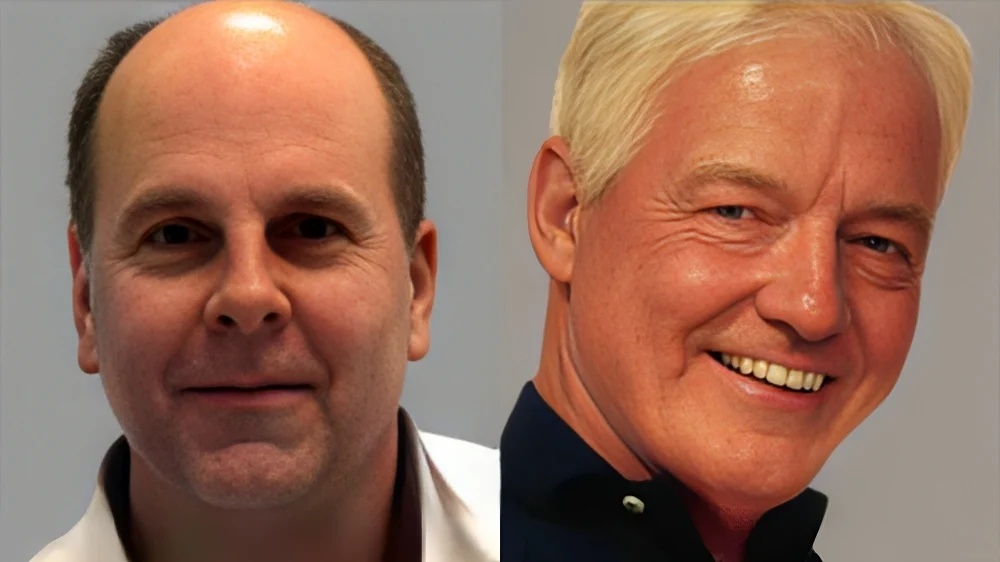
Jim Hoffman: Could Blood Purification Change the Fight Against Cancer?
Jim Hoffman, Former Technical Advisor at Cygnus Technologies, LLC, shared James P. Crowley‘s post on LinkedIn about a recent article by Umesh Kumar Dhawan et al., published in Circulation Research, adding:
“Extracorporeal blood purification designed to specifically remove excess circulating levels of extracellular chromatin from the blood, may prove to be better than systemic administration of drugs at reversing impaired efferocytosis self-sufficiency and improving innate macrophage-mediated metabolism of unwanted dying and no longer useful dysfunctional cells.
Periodic blood maintenance therapy to reduce elevated levels of extracellular chromatin may help improve the ability of the innate immune system to reduce the threat from both atherosclerotic plaque progression and also help the innate immune system to better phagocytize and metabolize tumors as part of anticancer treatment.
Poor efferocytosis self-sufficiency causes a rise in circulating blood levels of extracellular chromatin/NETs that helps to facilitate experimental tumor growth, cancer-associated thrombosis, and cancer metastasis.
Digesting extracellular chromatin with DNase has been demonstrated to improve the efficacy of existing anti-cancer therapies in tumor models and is going to be co-administered and trialed for human cancer.
See also the research by Subramanian et al. 2025: linking poor extracellular chromatin/NET clearance to impaired efferocytosis self-sufficiency, and the likely contribution of this undigested nuclear chromatin to progressive atherogenesis and life-threatening atheroma formation.”
James P. Crowley, Professor of Medicine emeritus at Brown University, shared a post on LinkedIn:
“Were the drugs close to succeeding, just barely missing a statistically significant benefit? Or were there at least subgroups of patients who were helped?
Now the answers are in. There was not a shred of evidence that the drugs helped anyone. By every measure, they were no better than placebos.
The results, Dr. Watson noted, ‘are about as neutral as they can be.’
The full data were presented on Saturday morning at the annual meeting of the American Heart Association and in simultaneous publications in The New England Journal of Medicine.
One drug, pelacarsen, by Novartis, is known to make levels of the Lp(a) blood protein plunge. The protein is widely believed to cause heart attacks and strokes.
The other, ziltivekimab, by Novo Nordisk, stops inflammation by reducing CRP and IL 6 is thought to be a major cause of plaques in arteries.
Neither drug made a dent in heart disease outcomes during these clinical trials.
The best explanation for why these drugs failed to reduce heart attacks and strokes is that unlike simple fatty streaks caused solely by standard cholesterol-which can sometimes stabilize or regress – streaks once heavily loaded with Lp(a) carry a higher risk of progressing into complex, dangerous plaques.
Just intervening late in patients with severe, entrenched Lpa initiated inflammatory disease evidently cannot undo decades of damage.
Studies that involve treating younger people from families with a family history of a high frequency of cardiovascular disease with these agents are needed at this point.”
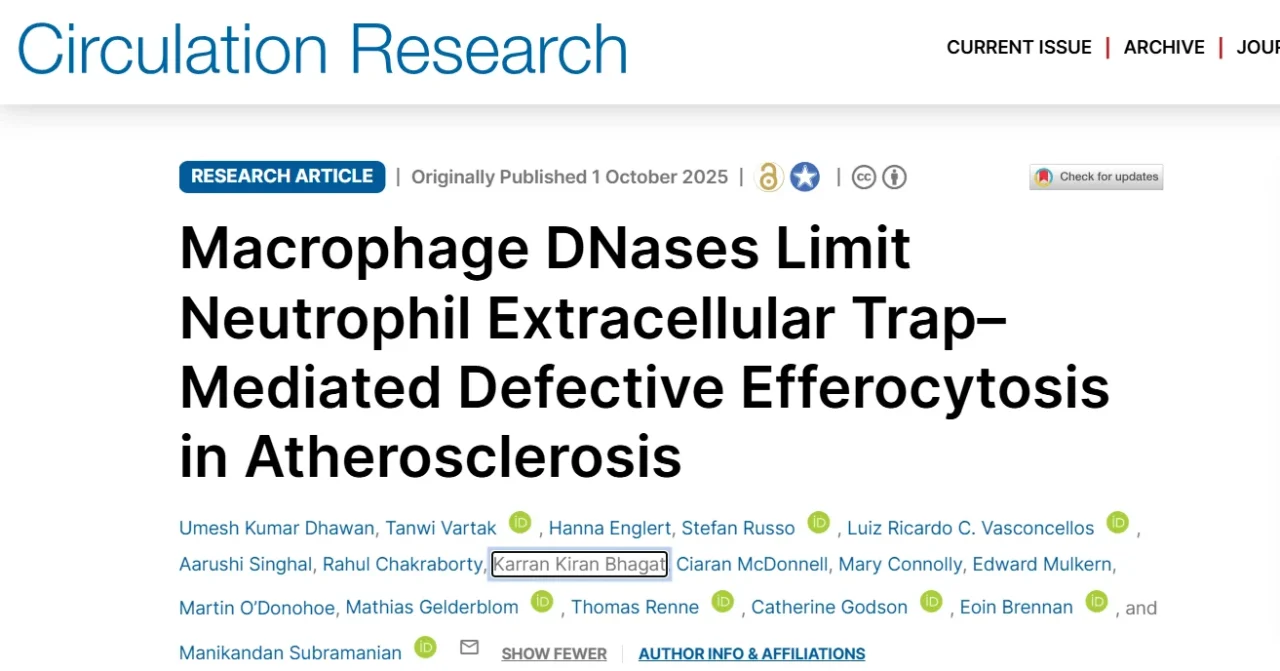
Title: Macrophage DNases Limit Neutrophil Extracellular Trap-Mediated Defective Efferocytosis in Atherosclerosis
Authors: Umesh Kumar Dhawan, Tanwi Vartak, Hanna Englert, Stefan Russo, Luiz Ricardo C. Vasconcellos, Aarushi Singhal, Rahul Chakraborty, Karran Kiran Bhagat, Ciaran McDonnell, Mary Connolly, Edward Mulkern, Martin O’Donohoe, Mathias Gelderblom, Thomas Renne, Catherine Godson, Eoin Brennan, Manikandan Subramanian
Stay updated on all scientific advances with Hemostasis Today.
-
Nov 16, 2026, 15:16How Do Artificial Hearts Affect Platelet Function? – Platelets Journal
-
Nov 16, 2026, 15:10Assessing Coagulation Activation in DOAC – Treated Patients – JTH
-
Nov 16, 2026, 15:00Davide Antonio Mei: Should Anticoagulation Continue After AF Ablation?
-
Nov 16, 2026, 14:55Danielle Boyle: Beyond Platelet Counts – Why Patient Stories Matter
-
Nov 16, 2026, 14:28Jan Sloves: The Future of Vascular Ultrasound
-
Nov 16, 2026, 13:49Bahman Rasouli: A Rare Vascular Manifestation of Recurrent Papillary Thyroid Carcinoma
-
Nov 16, 2026, 13:28Muhammad Danyal: Platelet Patterns in Hepatitis B and C
-
Nov 16, 2026, 12:52Frank Nocken: Alzheimer’s Research Expands Beyond Amyloid-Based Treatments
-
Nov 16, 2026, 12:44Stefan Prendić: How Intronic Variants Affect Rh Blood Group Antigen Expression