


Maria Elisa Mancuso: Advancing AAV Gene Therapy Toward Safe and Durable Cures
Maria Elisa Mancuso, Professor of Medicine at Frankfurt University Hospital, Medical Specialist at Humanitas Research Hospital, shared a post on LinkedIn:
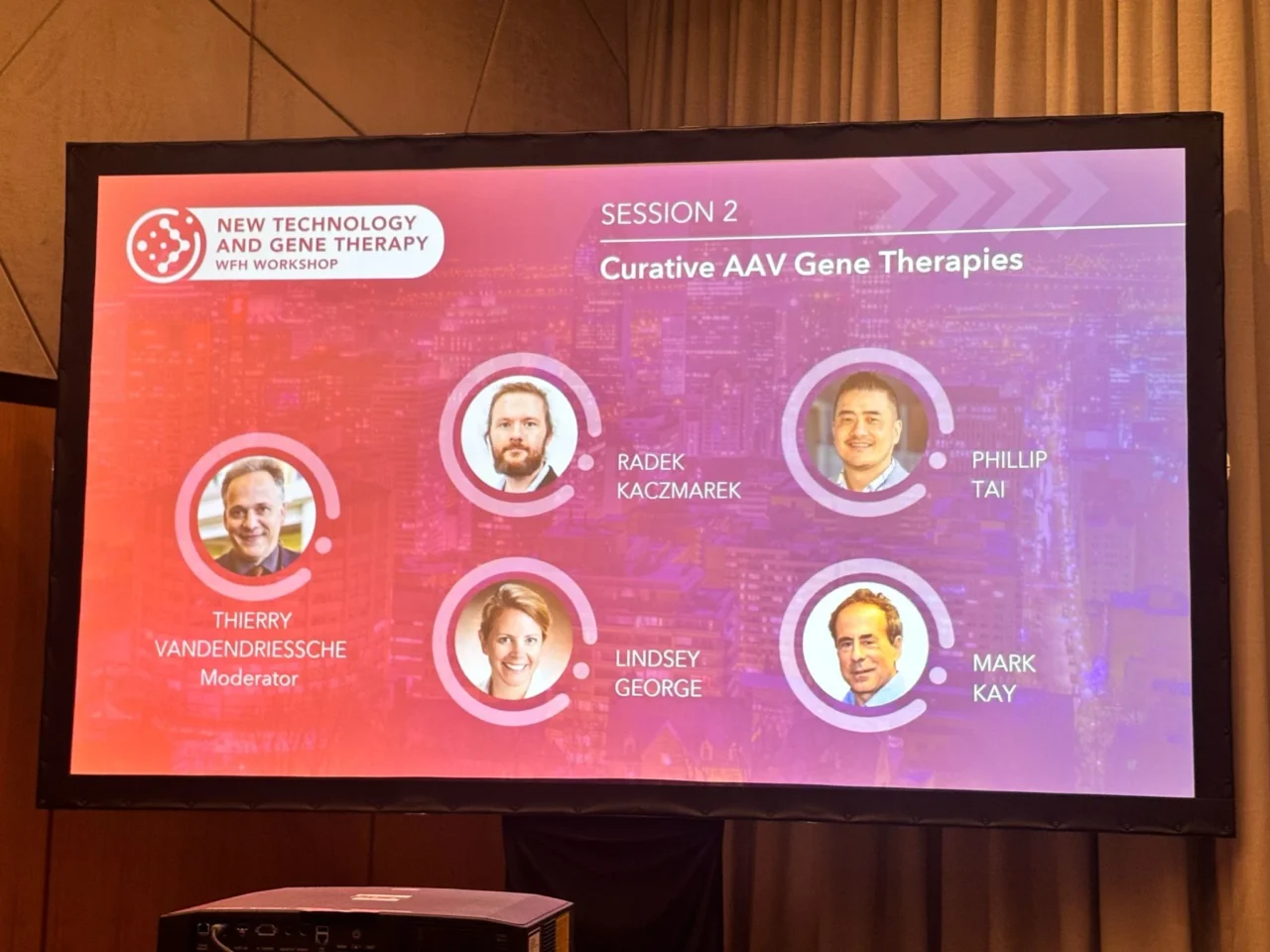
“WFH New Technology and Gene Therapy Workshop 2026 | Session 2 – Curative AAV Gene Therapies
Learning from experience: understanding the challenges of AAV gene therapy to shape the next generation of potentially curative treatments.
A particularly thought-provoking session, moderated by Thierry Vandendriessche, providing a critical assessment of the achievements, limitations, and unresolved questions surrounding AAV-based gene therapy.
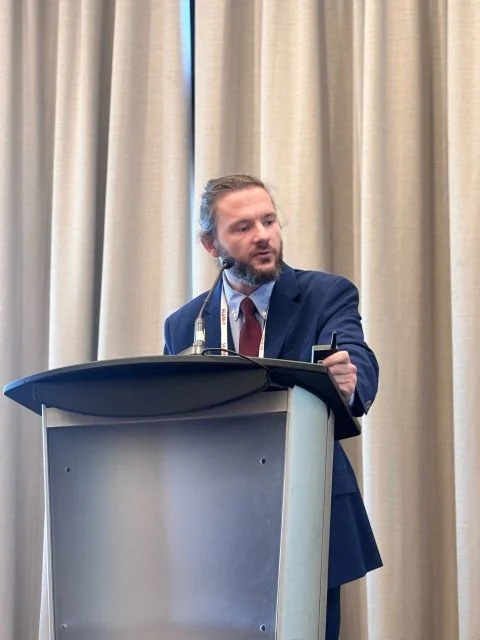
- Radoslaw (Radek) Kaczmarek reviewed lessons learned from discontinued and unsuccessful gene therapy programs, highlighting how understanding previous setbacks is essential to improving future development strategies.
- Phillip Tai addressed the importance of AAV vector quality control, emphasizing the role of vector characterization and manufacturing consistency in ensuring the safety and reliability of gene therapy products.
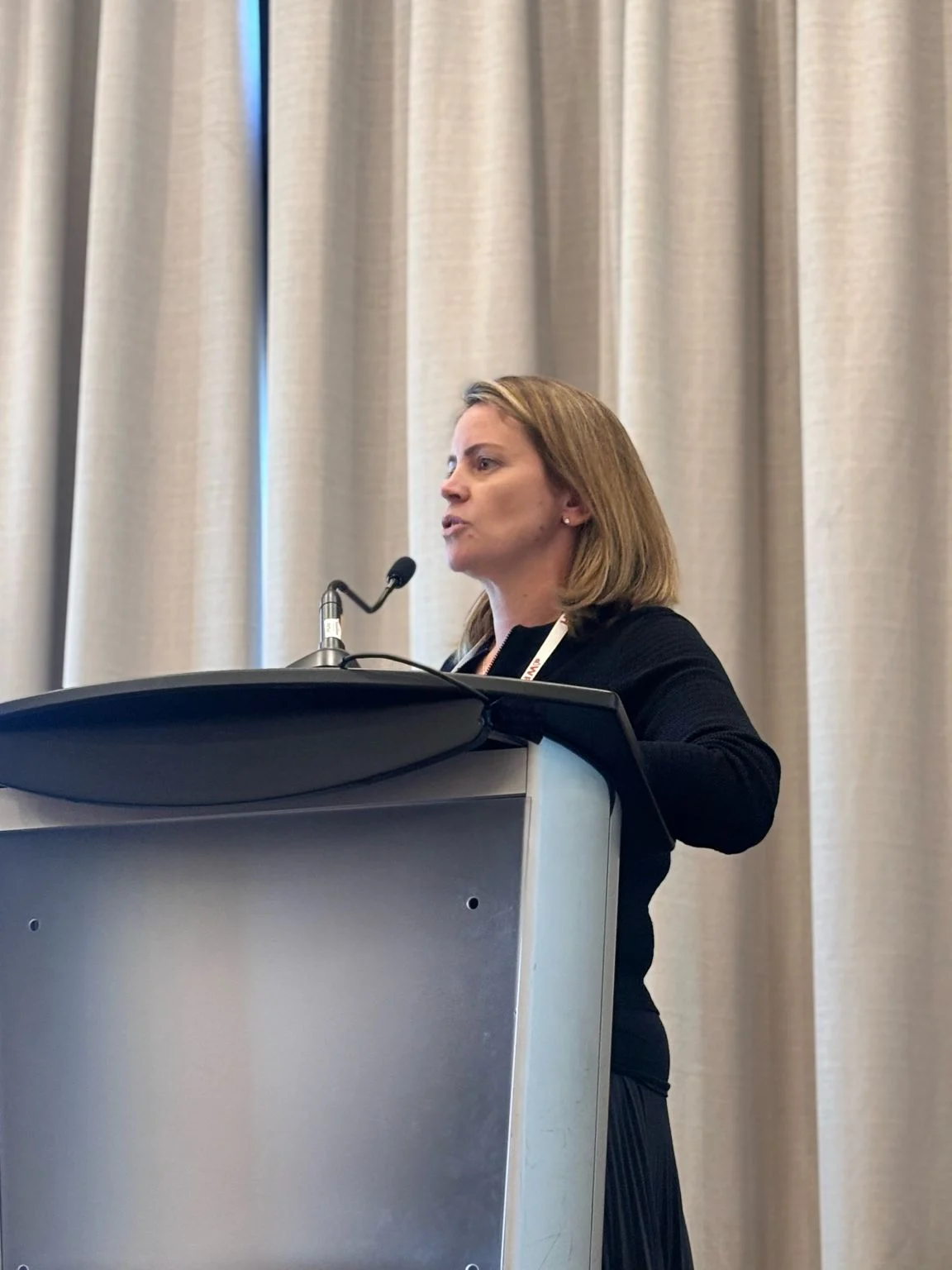
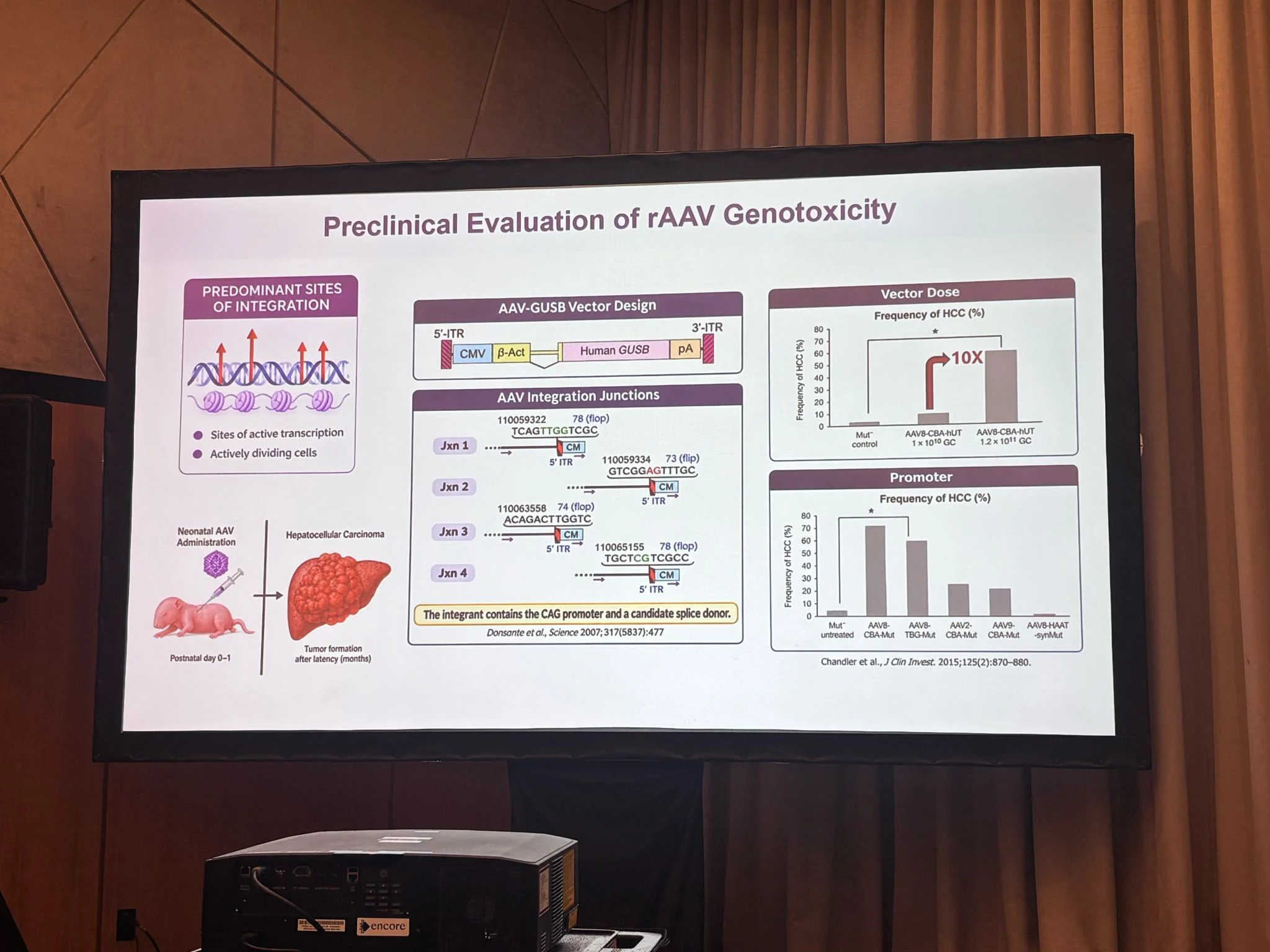
- Lindsey George, explored the consequences of AAV vector integration, focusing on potential genotoxicity and the importance of distinguishing integration events from evidence of a causal relationship with tumorigenesis.
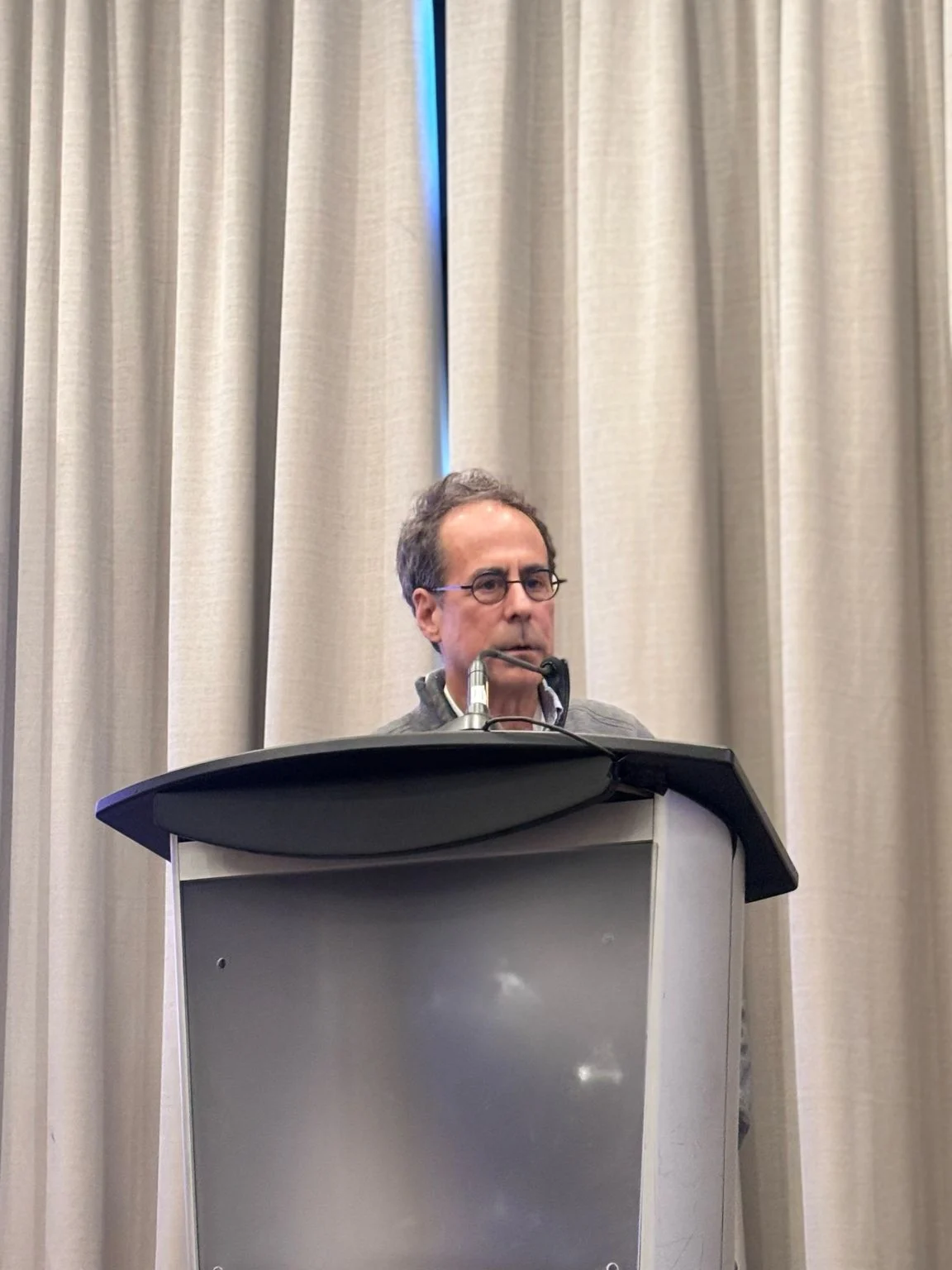
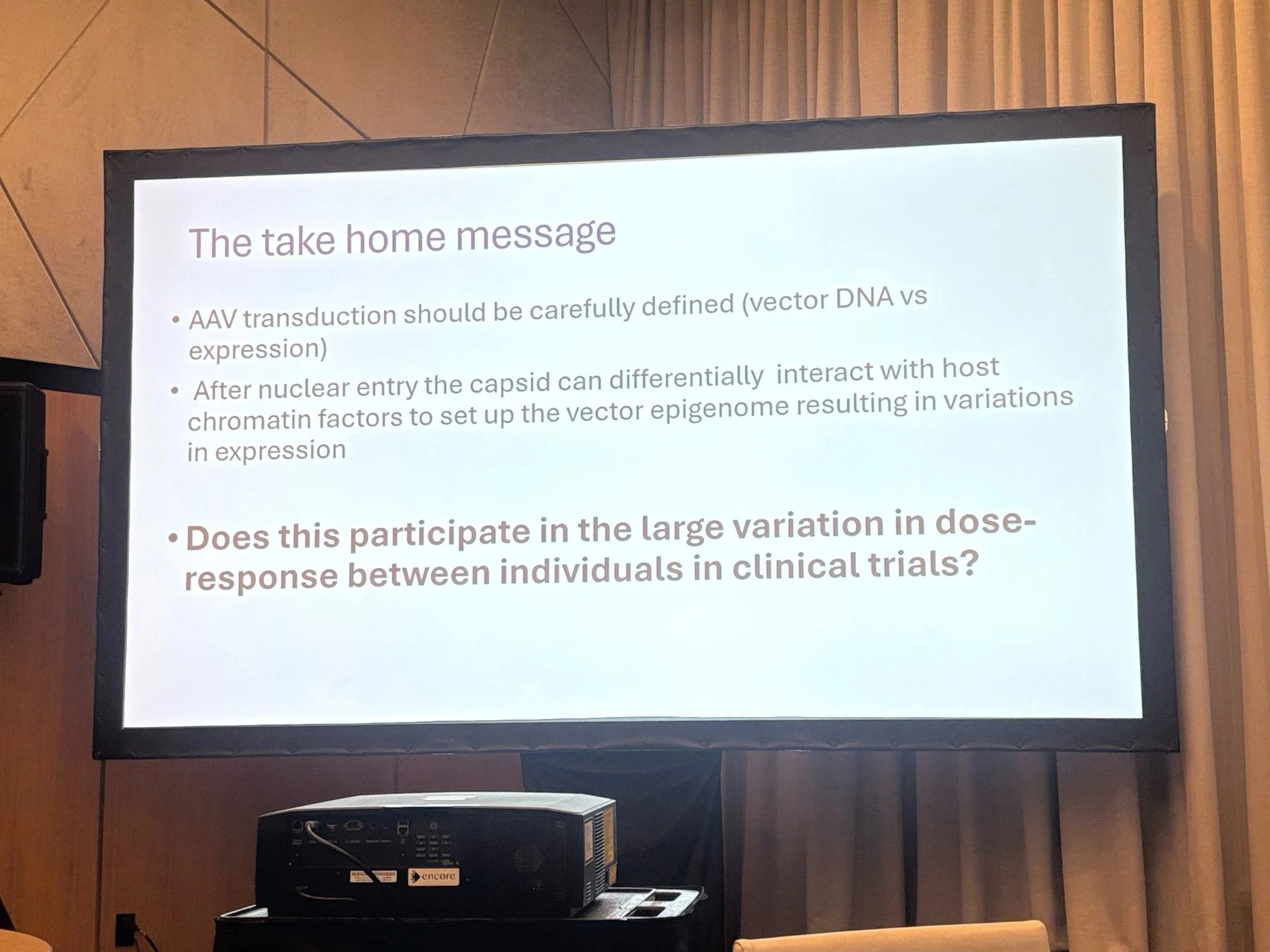
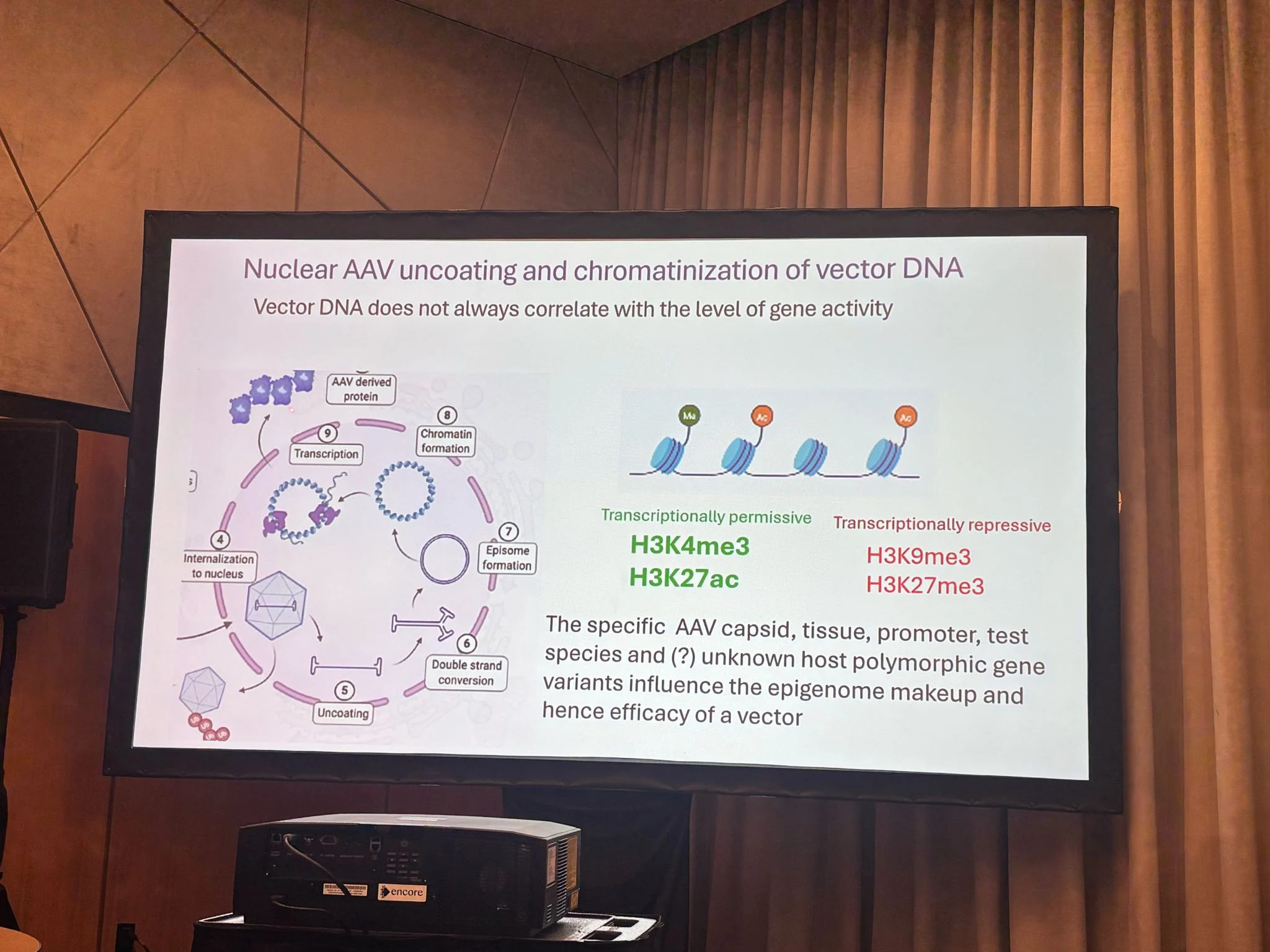
- Mark A. Kay provided fascinating mechanistic insights into differential AAV capsid transduction, highlighting how capsid biology, intracellular processing, and chromatin-related mechanisms may influence transgene expression and contribute to variability in treatment responses.
The key takeaway? Achieving safe and durable gene therapy requires much more than efficient gene transfer.
A deeper understanding of vector biology, genomic integration, transgene regulation, and long-term safety is essential to overcoming current limitations and improving the predictability of clinical outcomes.
An excellent session reminding us that scientific progress depends not only on celebrating successes, but also on critically learning from challenges and unanswered questions.”
See more in the gallery.
Stay updated with Hemostasis Today.
-
Nov 23, 2026, 08:24Michael Graham: Red Blood Cell Margination and Endothelial Dysfunction in Hematological Disorders
-
Nov 23, 2026, 08:21David McIntosh: Plasma Donation and Access to Life-Saving Medicines
-
Nov 23, 2026, 08:10Omar Almutairi: Is Blood Compatibility Really Just About ABO and Rh?
-
Nov 23, 2026, 07:27Andreas Calatzis: The Origins of Thromboelastography and Its Role in Coagulation Research
-
Nov 23, 2026, 06:31Chaza Alaji: Beyond Donor Blood Exploring Artificial Blood Alternatives and Advanced Red Cell Therapies
-
Nov 23, 2026, 04:09Rucha Patil: HEMSETU 2026 – Bridging Scientific Advances and Clinical Practice in Haemophilia Care
-
Nov 23, 2026, 02:42Courtney Lawrence: Expanding Prehospital Blood Programs to Improve Emergency Care and Reduce Blood Waste
-
Nov 23, 2026, 00:52Vijay Anand Ismavel: New Findings on Anemia and Iron Status in Maternal Acute Heart Failure
-
Nov 23, 2026, 00:49Eue-Keun Choi: Where Europe and Asia-Pacific Converge and Diverge in AF Management