

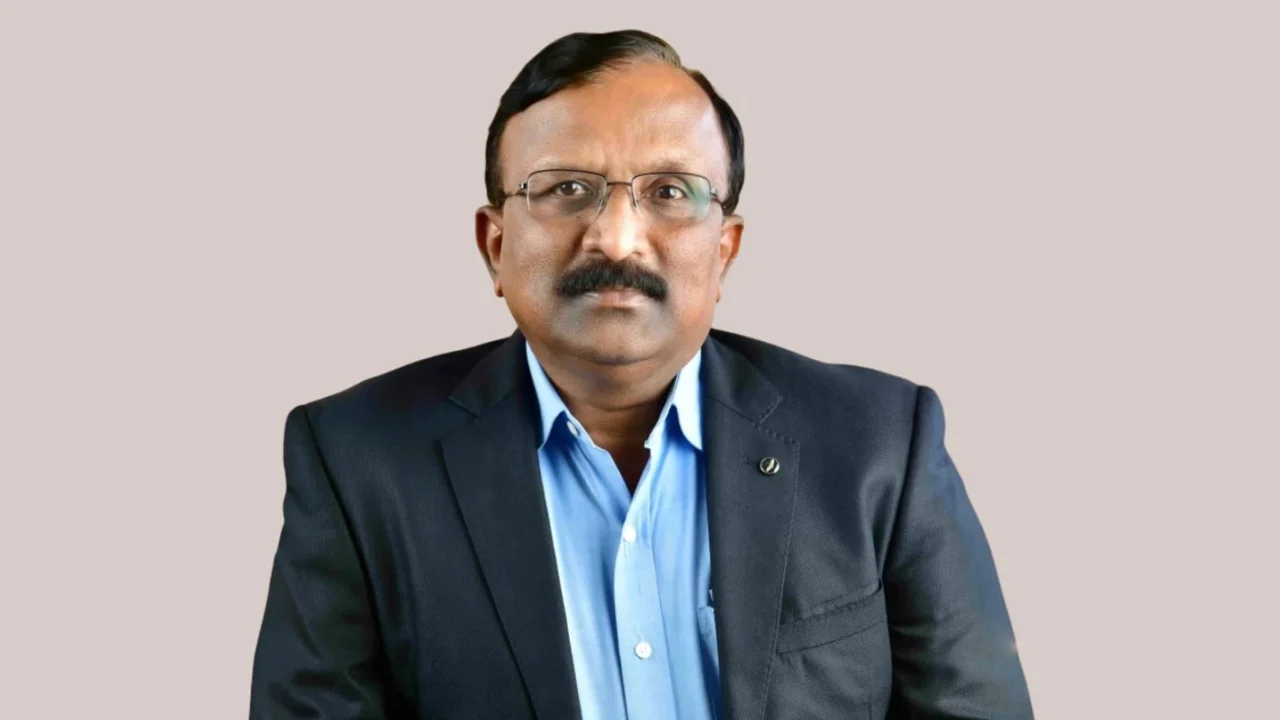
Suresh S: Making Every Blood Donation Count
Suresh S, Founder and Managing Director at Intelur Pharma Science Private Limited, shared a post on LinkedIn:
“Blood donation in india: are we making full use of what people donate?
Ask a blood donor why they donate, and the answer is often simple: to save a life.
We usually think of surgery, trauma, childbirth or patients needing repeated transfusions. And rightly so.
But there is another dimension we rarely discuss.
Plasma that is not required for transfusion and meets stringent quality standards, can be used to manufacture plasma derived medicines: human albumin, immunoglobulins and certain clotting factors.
For patients with antibody deficiencies who need regular immunoglobulin therapy, reliable access to these medicines matters enormously.
What does the Indian evidence tell us?
A national study in PLOS ONE estimated annual clinical demand at about 14.6 million whole blood units, with an estimated shortfall of around one million units (Mammen et al., 2022).
These are historical estimates of need, not today’s collection figures.
India also has a National Plasma Policy, introduced in 2014, to encourage better use of surplus plasma and domestic production of plasma derived medicines.
There is evidence that implementation can work.
A 2024 study at one Indian tertiary care blood bank reported that plasma supplied for fractionation rose from 1,051 to 2,368 litres after implementation of the policy (Bansal et al., 2024).
One centre cannot represent the whole country, but it shows what organised systems can achieve.
In my view, India needs to work on three connected priorities:
Build a stronger base of regular, voluntary donors, with donor health and transfusion needs always coming first.
Improve component separation, screening, freezing, traceability and cold chain links so that eligible surplus plasma reaches licensed fractionators.
Strengthen domestic fractionation capacity, regulatory oversight and equitable access to the finished medicines.
We should also publish better national data on what is collected, transfused, supplied for fractionation and discarded.
Without those numbers, it is too easy to confuse opportunity with actual availability.
And we should learn from international plasma systems without automatically adopting paid donation models. Donor protection and Indian regulatory requirements are fundamental.
A blood donation can save a life through transfusion.
Suitable surplus plasma can also become the starting material for a medicine a patient may depend on for years.
The real challenge is building a system that respects both possibilities.
What is the biggest missing link in India today: donor awareness, plasma logistics or fractionation capacity?”
Stay updated with Hemostasis Today.
-
Nov 24, 2026, 02:27Josephine Olunaike: Professional Expertise and Lived Experience in Sickle Cell Disease Care
-
Nov 24, 2026, 01:33Kazuhiko Kido: Oral Selexipag Sustains Prostacyclin Therapy Following Treprostinil-Induced Thrombocytopenia in PAH
-
Nov 24, 2026, 01:22Johan Duchêne: 10 Year Effort Yields Commercially Available Validated Mouse ACKR1 Antibody Clone 6B7
-
Nov 24, 2026, 01:12Cynthia Dalveren: John Hay Students Partner with American Red Cross to Support Sickle Cell Patients
-
Nov 24, 2026, 00:59Htar Wai Shan: How the Reticulocyte Count Measures Bone Marrow Red Blood Cell Production
-
Nov 24, 2026, 00:49Sadik Kükrer: New ASH Thresholds and a Critical Look at the Latest IV Iron Meta-Analysis
-
Nov 23, 2026, 19:11Svetislav Matic: Optimizing Perioperative Patient Outcomes Through PBM and Sample Volume Management
-
Nov 23, 2026, 19:10Subhadip Misra: TRANSMEDCON 2026 – Where Science Met Conversations, Collaboration and Purpose
-
Nov 23, 2026, 18:51Anirban Sen Gupta: Platelet-Inspired Nanoparticles for Targeted Drug Delivery at Vascular Disease Sites