


Samwel Mikaye/LinkedIn
Oct 5, 2025, 11:51
Samwel Mikaye About Blood Culture and Why is It Important
Samwel Mikaye, Chief Executive Officer at Samik Medical Center, shared in the Laboratory Professionals International group on LinkedIn:
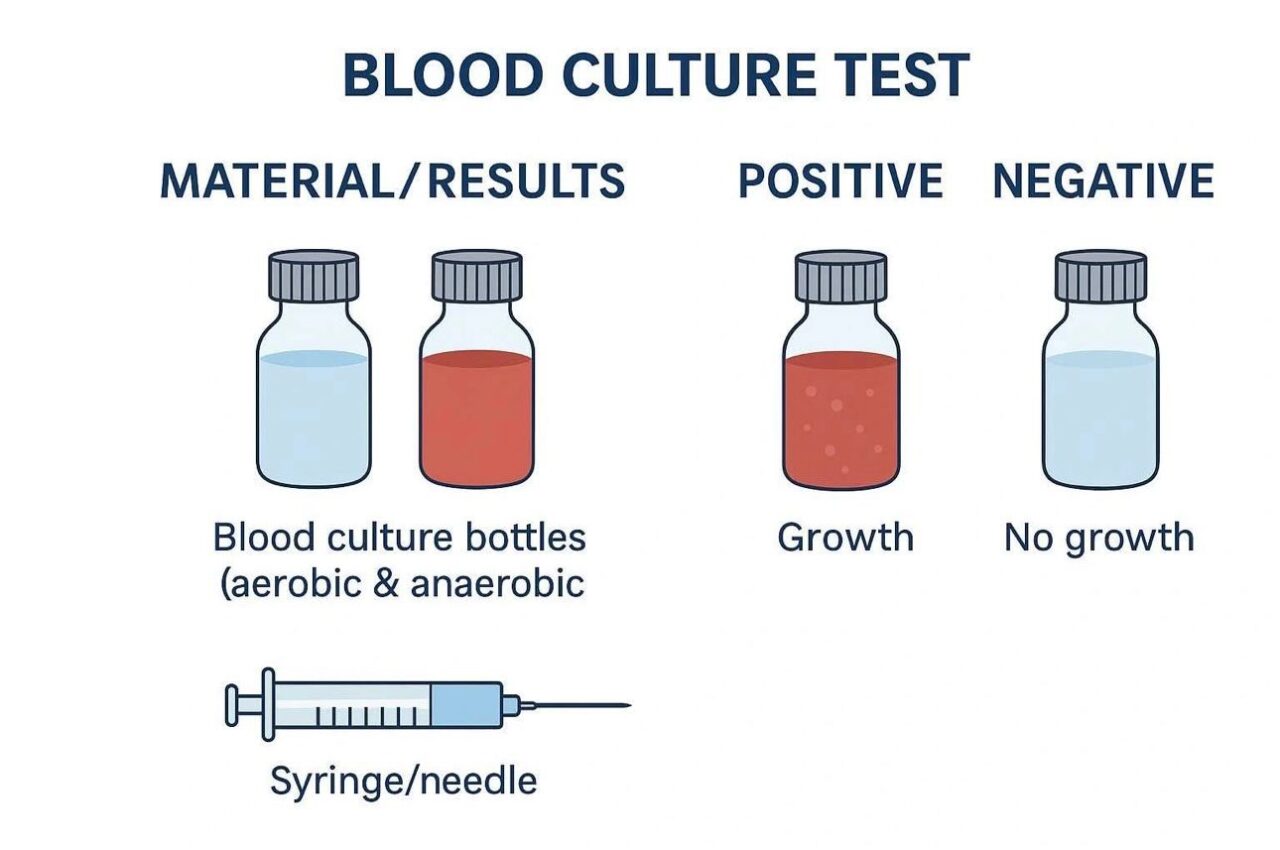
“A blood culture is a laboratory test used to detect the presence of bacteria or fungi in the bloodstream. It is primarily used to diagnose septicemia (bloodstream infections), which can be life-threatening if not treated promptly.
When is a Blood Culture Done?
It is ordered when a patient shows signs of systemic infection, such as:
- High fever or chills
- Low blood pressure
- Rapid heart rate or breathing
- Confusion or weakness
- Suspected sepsis or endocarditis
How the Test Is Performed
- Sample Collection
• Blood is drawn from two or more different sites to improve accuracy and reduce contamination.
• Collected into special culture bottles — one for aerobic organisms and one for anaerobic organisms. - Incubation
• The bottles are placed in an automated incubator to allow microorganisms to grow. - Detection and Identification
• If growth is detected, the organism is identified using laboratory techniques. - Antibiotic Sensitivity Testing
• The isolated organism is tested against various antibiotics to determine the most effective treatment.
Interpretation of Results
- No growth → No bloodstream infection or organism not detectable within the incubation time.
- Positive growth → Confirmed bloodstream infection.
- Contaminants (e.g., skin bacteria like Staphylococcus epidermidis) must be distinguished from true pathogens.
Common Organisms Detected
- Staphylococcus aureus (including MRSA)
- Streptococcus species
- Gram-negative bacteria such as E. coli, Klebsiella, Pseudomonas
- Yeasts such as Candida (in immunocompromised or catheterized patients)
Importance of Blood Culture
- Essential for early diagnosis of sepsis
- Helps guide targeted antibiotic therapy
- Reduces risk of organ damage and death”
Stay updated with Hemostasis Today.
-
Oct 21, 2026, 18:13Wolfgang Miesbach: Hereditary Hemorrhagic Telangiectasia An Overlooked Bleeding Disorder
-
Oct 21, 2026, 17:55Gayatri Kotwal։ New Review on Anemia, Pain, and Nutritional Deficiencies in Cancer Patients
-
Oct 21, 2026, 17:40Tetsuzan Ron: Iron Deficiency Without Anemia Clinical Impact and Management
-
Oct 21, 2026, 17:29Amir Hossien Esfandiari։ The Association Between Viral Infections and Aplastic Anemia
-
Oct 21, 2026, 17:16Melissa Hollo: A Meaningful Step Forward for Women’s Health
-
Oct 21, 2026, 17:09Chipili Ng’onga: Have You Ever Seen a Result That Just Didn’t Make Sense?
-
Oct 21, 2026, 16:57Fabrice Cognasse: Celebrating the Next Generation of Platelet Research and Transfusion Medicine
-
Oct 21, 2026, 16:47Christabel Odeta: Treating Pediatric Cancer in Children With Sickle Cell Disease
-
Oct 21, 2026, 16:36Sharlene Haywood: Bringing Multidisciplinary Learning Into Nursing Practice