

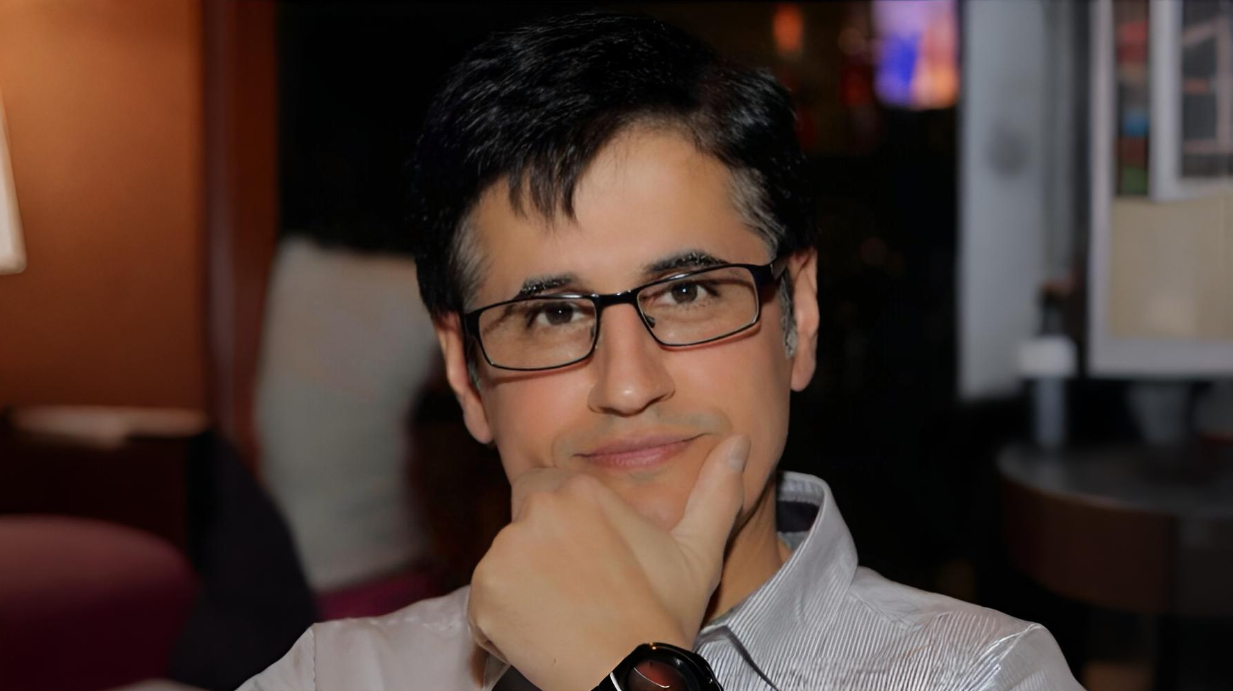
Ardeshir Khademi: A Clinical Lesson on Thrombophilia, Silent Infarcts, and Asking the Right Questions
Ardeshir Khademi, Founder and Medical Director at Countryside Neurology, posted on LinkedIn:
” ‘Did you have stroke in the past ?’
‘No, never’
Today, I saw a woman in her 50s whose MRI showed two old cortical infarcts — not tiny lacunes, but clear evidence of past strokes.
When I asked if she’d ever had a stroke, she said:
‘No’
She truly didn’t know. No documented event. No hospitalization. Just silent damage, revealed years later.
She mentioned being Factor V Leiden positive, which usually causes venous clots — not the arterial ones that lead to stroke.
That inconsistency made me ask more questions.
Then came the key detail:
Her sister had antiphospholipid antibody syndrome (APS) — a condition that can cause arterial thrombosis and stroke.
Lesson:
Not all thrombophilias (clotting disorders) are created equal.
• Factor V Leiden → venous
• Antiphospholipid syndrome → arterial ± venous
And sometimes, the brain quietly records a history the patient never knew.
Have you ever found “silent” strokes that rewrote a patient’s story?

— Ardeshir Khademi
Neurology | Brain Health
Countryside Neurology | NeuroVista Insights”
Stay informed with Hemostasis Today.
-
Oct 19, 2026, 03:54Jennifer Trowbridge: How Mutant Blood Stem Cells Use Inflammation to Drive Their Own Expansion
-
Oct 19, 2026, 03:39Wyenona Hicks: Catching Up With Old Friends and New Colleagues at AABB 2026
-
Oct 19, 2026, 03:33Developing a Non-Invasive Treatment for Life-Threatening PE – University of Michigan College of Engineering
-
Oct 19, 2026, 03:28Jim Hoffman: How NETs Contribute to Gallstone Formation and Growth
-
Oct 19, 2026, 03:28Nicolas Hubacz: The Organized Chaos of Mitochondria
-
Oct 19, 2026, 03:02Neda Horvacki: Using ROTEM to Refine Transfusion Decisions in Acute Trauma
-
Oct 19, 2026, 02:45Diego Escarraman Martinez: MATTERs Study – When a Cohort Gave Us Major Clues about TXA in Trauma
-
Oct 19, 2026, 02:35Brian O Mahony: Promoting Physical Activity and Sport in Haemophilia Care
-
Oct 19, 2026, 02:35Malusi Mtetwa: Tranexamic Acid – What Does the Evidence Tell Us?