


Dr. Tareq Abadl: What If Blood Matching Went Deeper than Just ABO and Rh?
Dr. Tareq Abadl, Medical Laboratory Specialist and Director of the Blood Bank at Dr. Abdelkader Al-Mutawakkil Hospital, shared a post on LinkedIn:
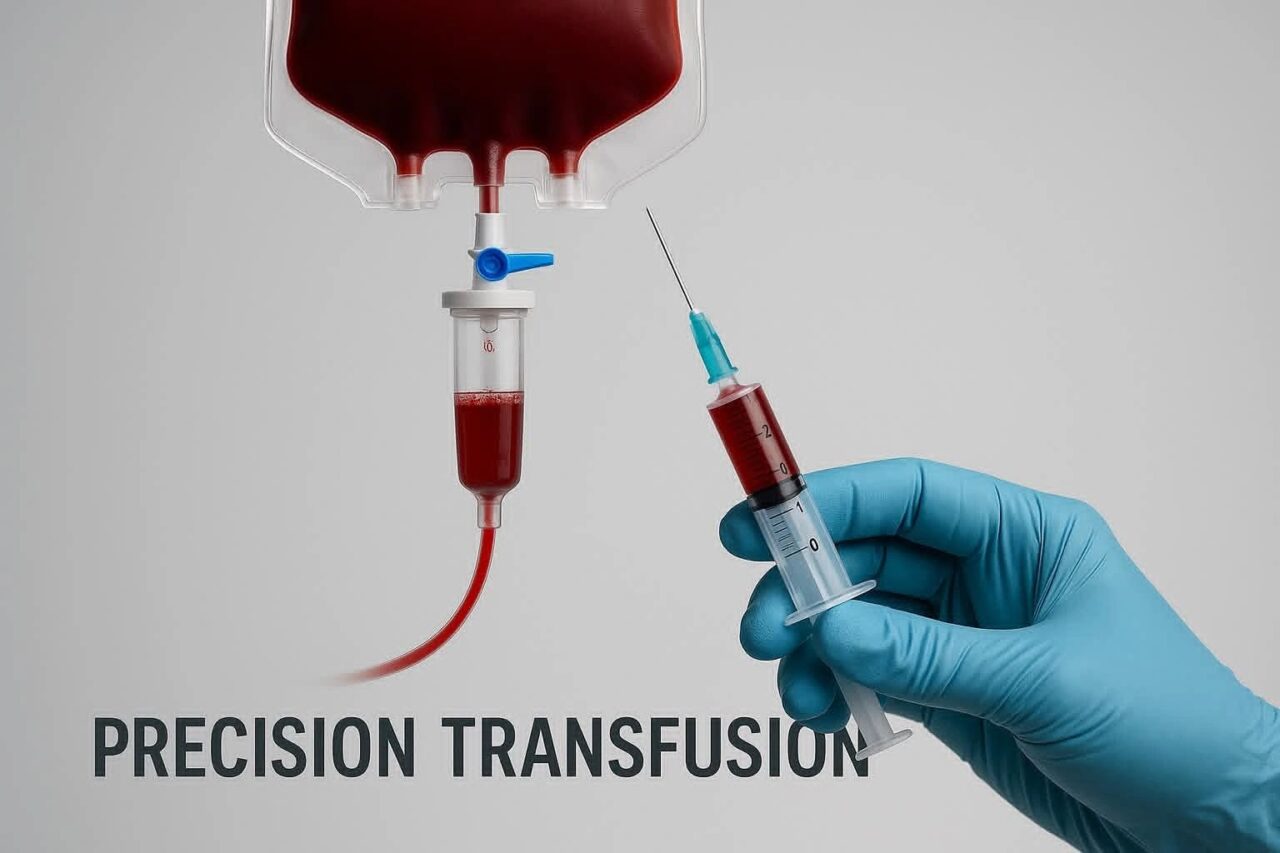
“Precision Transfusion Medicine
What if blood matching went deeper than just ABO and Rh?
Molecular blood-group genotyping analyzes a patient’s blood-group genes to predict dozens of clinically significant antigens — transforming modern transfusion practice.
1. Deeper and Safer Matching
Genotyping identifies variant and weak alleles that routine serology may miss, such as:
Weak/Partial D variants
Rh, Kell, Kidd, Duffy, and MNS variants
This reduces the risk of alloimmunization, especially in patients requiring chronic transfusions (e.g., sickle cell disease, thalassemia).
2. Faster Compatible Unit Selection
Creating a genotyped donor registry allows rapid identification of best-matched units, which is crucial for patients with:
Multiple alloantibodies
Rare or complex phenotypes
3. Improved Antenatal Care
Molecular typing enhances:
Prediction of fetal antigen status
Early assessment of hemolytic disease of the fetus and newborn (HDFN)
Guidance on monitoring and intervention
4. Practical Limitations
Genotyping is powerful but works alongside serology, not as a replacement:
It predicts antigen expression, which may not always equal phenotype
Results can be affected after allogeneic stem-cell transplant or recent transfusion
Use buccal swabs or pre-transfusion samples when needed
Requires proper quality control and expert interpretation
5. Better Donor Strategy and Inventory
Molecular typing helps:
Recruit and flag rare-donor phenotypes
Improve blood-bank inventory management
Provide safer, more reliable matching for high-risk patients
How You Can Act
For Transfusion Professionals:
Implement targeted genotyping for chronically transfused or alloimmunized patients.
For Blood Donors:
Join local rare-donor programs if available — you may save lives in ways only a few can.
Find more posts featuring Dr. Tareq Abadl on Hemostasis Today.
-
Sep 30, 2026, 15:58Bernhard Merget: New Frontiers in Thrombosis and Stroke Research
-
Sep 30, 2026, 15:39Ifeanyichukwu Ifechidere: The Molecular Orchestra of Primary Hemostasis
-
Sep 30, 2026, 15:28Reassessing the Benefit–Risk Balance of Extended Anticoagulation in Cancer Patients – ESC Working Group on Cardiovascular Pharmacotherapy
-
Sep 30, 2026, 15:07Chiranjeev Sharma: Targeting Factor XIa with the Synthetic Inhibitor SB-01
-
Sep 30, 2026, 14:41Bruna Gigante: Balancing Thrombosis and Bleeding in Cardiovascular Care
-
Sep 30, 2026, 14:13Ashok Choudhury: Portal Vein Thrombosis and Outcomes in Cirrhosis
-
Sep 30, 2026, 13:57Leslye Conde Bazán: When Conventional Imaging Is Not Enough – The Role of IVUS
-
Sep 30, 2026, 13:41Huda Salah Eldin: The Challenge of Balancing Antithrombotic Therapy After PCI
-
Sep 30, 2026, 13:29Abdus Salam: What Can CT Venography Reveal About the Veins?