

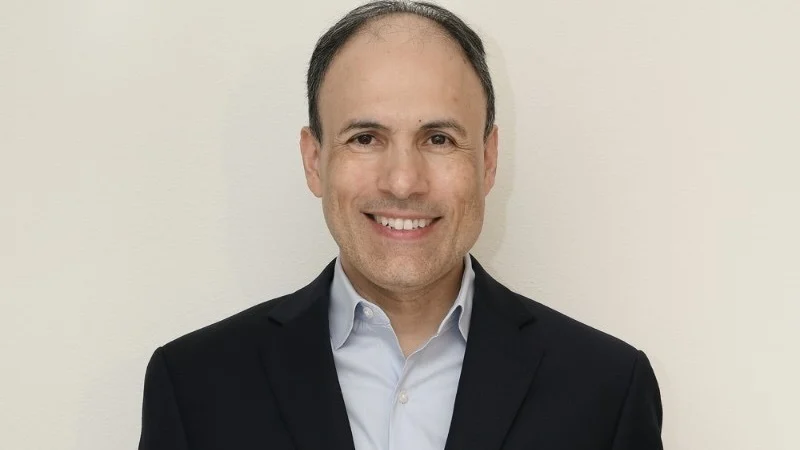
Richard Keller: Efficacy and Safety of Enlicitide in High-Risk ASCVD Patients
Richard Keller, Independent Contractor, Forensic Medical Reviewer and Physician Advisor Physician Advisor at CommonSpirit Health, shared a post on LinkedIn about a recent article by Ann Marie Navar et al. published in The New England Journal of Medicine:
“Hot off the press!
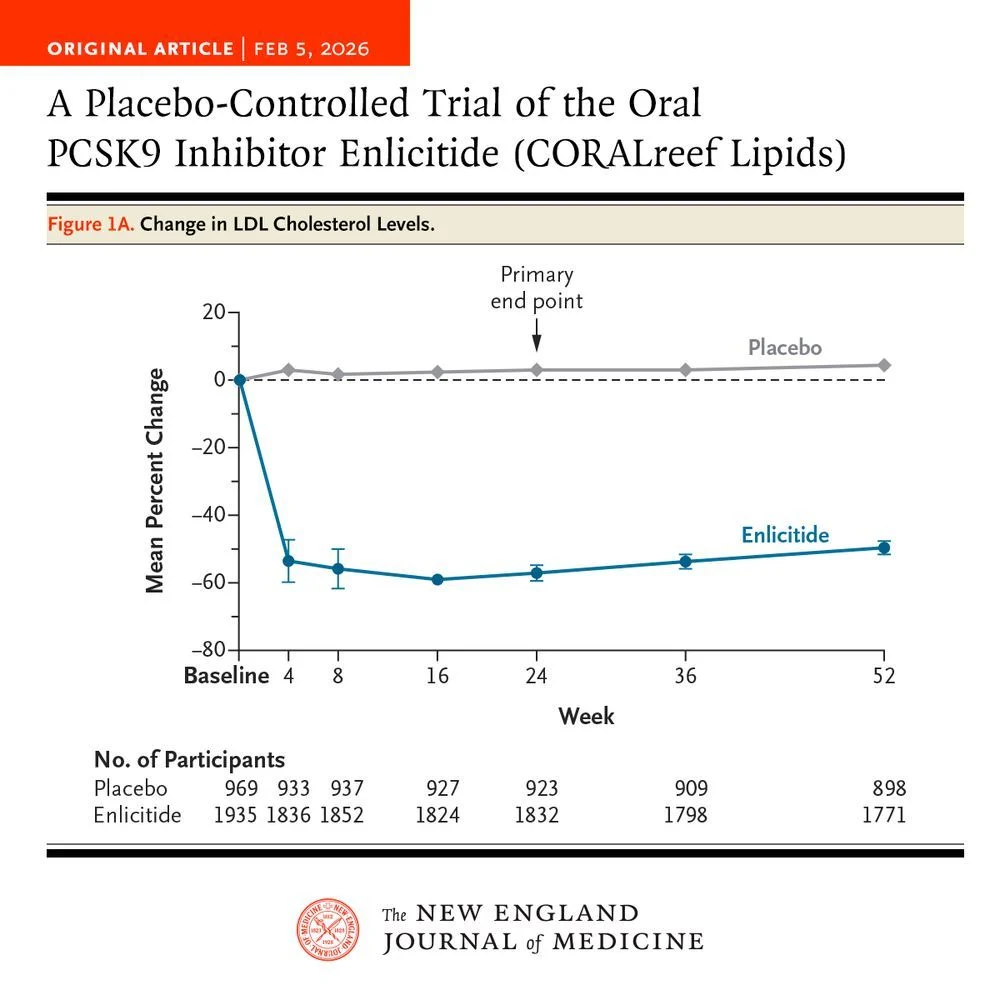
Another landmark study in drug development for lipid-lowering therapy: the CORALreefLipids Trial. A phase 3 randomized, double-blind, placebo-controlled study of the efficacy and safety of enlicitide, an oral macrocyclic peptide that inhibits the binding of PCSK9 to the LDL receptor, in the treatment of patients who have established ASCVD, or who are at high risk for a first ASCVD event, and an elevated LDL (not at goal).
- 58.3% of all participants had a previous major ASCVD event. At baseline, 96.6 % of all participants were on treatment with a statin (95.4% on moderate or high intensity dosages). The mean LDL-C in the enlicitide group was 95 ± 38.8 mg/dL (not at goal) and 98.3 ± 39.2 mg/dL in the placebo group (not at goal).
- The primary endpoint, the mean percent change in LDL-C from baseline to week 24, was -57.1% in the enlicitide group and 3% in the placebo group. This reduction was sustained through week 52 (a key secondary endpoint).
- Other secondary end points: The mean percent change in non-HDL-C from baseline to week 24: -53.4%. That for apoB, -50.3%. And that for lipoprotein (a), -28.2%.
- The percentage of patients who reached their guideline-recommended targets for LDL-C was greater in the enlicitide group. 67.5% in the enlicitide group achieved an LDL-C < 55 mg/dL at week 24, compared to placebo. And 70.3% in the enlicitide group achieved an LDL-C < 70 mg/dL at week 24, compared to placebo.
- Safety outcomes were comparable between the enlicitide and placebo groups.
- The degree of lowering of multiple atherogenic lipid indices with enlicitide was comparable/greater than currently FDA-approved drug therapies targeting PCSK9 (e.g., monoclonal antibodies, small interfering RNA) and greater than with bempedoic acid and ezetimibe.
- A dedicated cardiovascular outcomes trial with enlicitide is in progress.
Overall, these results are spectacular and strongly support the use of enlicitide for the treatment of patients with ASCVD (or at high risk for a first ASCVD event) who are unable to meet their LDL-C goals with currently approved drug therapies.”
Title: A Placebo-Controlled Trial of the Oral PCSK9 Inhibitor Enlicitide
Authors: Ann Marie Navar, Elina Mikhailova, Alberico L. Catapano, Puja Banka, Dirk J. Blom, Alberto Cadena, Susan Kourpanidis, Norman E. Lepor, Kazuhisa Tsukamoto, Geraldine Mendizabal, Julio Nunez, Wenjuan Zhang, Pengfei Zhu, D.Phil., Min Zhuo, Christie M. Ballantyne
Find the latest updates on Hemostasis Today.
-
Oct 7, 2026, 16:44Amor Salah: 2026 NCS/SCCM Guidelines for Managing Antithrombotic-Associated ICH
-
Oct 7, 2026, 16:04NETs in Thrombosis: From Mechanism to Therapeutic Target
-
Oct 7, 2026, 15:28Amir Samimi: Prognostic Value of Platelet Count in Resected HNSCC
-
Oct 7, 2026, 15:21Eloïse Laouenan: Bridging Immunity and Thrombosis in MVTE
-
Oct 7, 2026, 15:10Uthra Sundaram: Honouring Donors During International Plasma Awareness Week
-
Oct 7, 2026, 15:04Daniel Victor Ortigoza: Should Frail Older Patients With AF Switch From VKA to DOACs?
-
Oct 7, 2026, 14:53Susan Noone: Donor Turned Recipient Shares Lifesaving Transfusion Story
-
Oct 7, 2026, 14:49Aimee Burtenshaw: The Impact of the Infected Blood Inquiry on Hospital Transfusion Laboratories
-
Oct 7, 2026, 14:41Vikash Jaiswal: Does Timing Matter for Calcium in Pre-Eclampsia Prevention?