


Heghine Khachatryan: The Overlooked Link Between Homocysteine and Brain Health
Heghine Khachatryan, Editor-in-Chief of Hemostasis Today, Head of Hemophilia and Thrombosis Center at Yeolyan Hematology and Oncology Center, shared Neuro Thrive Limited’s post on LinkedIn, adding:
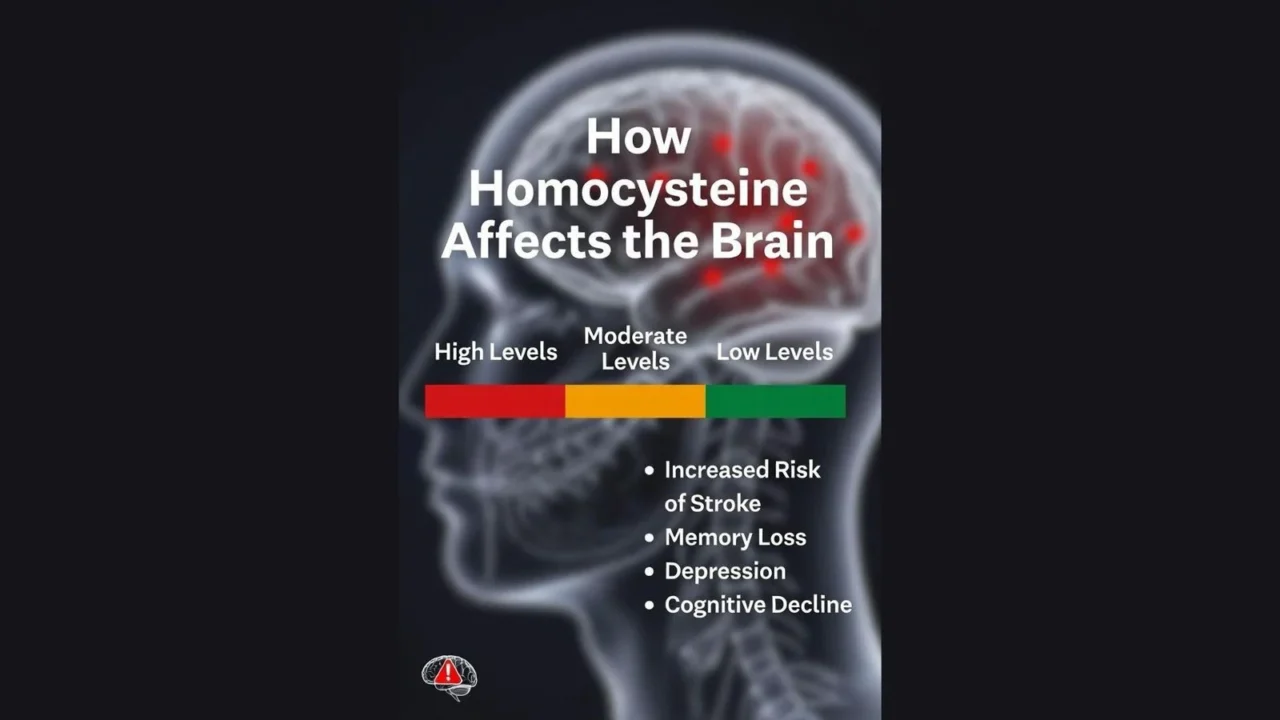
” Homocysteine and Brain Health — An Often Overlooked Connection
Homocysteine is widely known as a cardiovascular risk marker, but its impact extends far beyond the heart. Elevated homocysteine levels can significantly affect brain health and neurological function.
Research has associated increased homocysteine with:
- Higher risk of stroke
- Memory impairment and cognitive decline
- Increased risk of depression
- Accelerated neurodegenerative processes
The mechanism involves vascular damage, oxidative stress, and impaired methylation pathways, which can affect neuronal function and cerebral circulation. Importantly, homocysteine levels are modifiable.
Adequate intake of folate (B9), vitamin B12, vitamin B6, and betaine, along with proper metabolic assessment, can help regulate homocysteine metabolism and reduce potential neurological risks.
Monitoring homocysteine is particularly relevant in patients with:
- cardiovascular disease
- thrombotic disorders
- cognitive complaints
- vitamin deficiencies
Understanding and addressing metabolic risk factors is a key step toward protecting long-term brain health. ”
Quoting Neuro Thrive Limited’s post:
”Most people associate homocysteine with heart disease.
But what if one of its biggest impacts is actually on the brain?
Homocysteine is a natural by-product of protein metabolism. Under normal circumstances, the body recycles it efficiently using vitamin B12, folate and B6 through a process called methylation.
When that system slows down, homocysteine rises.
And the brain feels it.
Elevated homocysteine has been linked to:
- Reduced cerebral blood flow
- Increased oxidative stress
- Neurotransmitter imbalance
- Cognitive decline
- Higher stroke risk
The brain is metabolically demanding. It relies on stable blood supply, low inflammation and precise chemical signalling. Homocysteine sits at the centre of all three.
What makes this particularly important is that homocysteine is measurable — and in many cases, modifiable.
We routinely test cholesterol.
We rarely test homocysteine.
Yet elevated homocysteine may signal impaired methylation, B-vitamin insufficiency, or underlying metabolic stress long before more serious neurological issues develop.
As conversations around brain health, dementia prevention and mental resilience grow, it may be time we pay closer attention to this overlooked marker.
Sometimes the most important numbers are the ones we’re not measuring.”
Stay updated with Hemostasis Today.
-
Sep 19, 2026, 14:17Abdul Mannan: What Exactly Is a Platelet?
-
Sep 19, 2026, 13:39Keisuke Goda: Decoding Platelet Phenotypes in COVID-19 With Optofluidic Imaging
-
Sep 19, 2026, 13:30Targeted Thrombolysis Beyond tPA
-
Sep 19, 2026, 13:21Paul Armstrong: From Summer Studentship to Young Researcher
-
Sep 19, 2026, 13:06Rabiya Masood: Breaking the Cycle of Thalassemia Through Screening
-
Sep 19, 2026, 10:52Consuela A. Albright: The Critical Role of Black Blood Donors in Sickle Cell Treatment
-
Sep 19, 2026, 10:47Amber Yates: Inside Agios’ Partnership with the Sickle Cell Community
-
Sep 19, 2026, 10:46Anton Farkas: Mechanical Thrombectomy for Acute PE in Early Pregnancy
-
Sep 19, 2026, 10:40Marjolein Smidt: ASH Raises Ferritin Thresholds for Iron Deficiency