

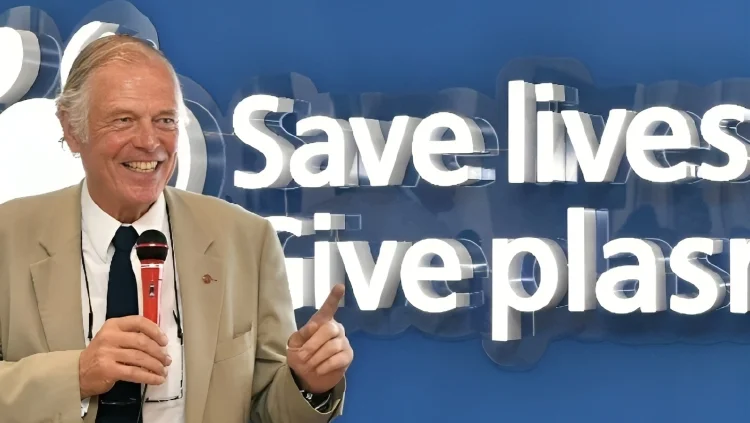
David McIntosh: How European Plasma Policy Shapes Global Access to Life-Saving Therapies
David McIntosh, Founder and Chair of United Plasma Action, shared Expresso’s post on LinkedIn:
“This excellent post highlights a stubborn problem that has afflicted the European Union throughout this Century – doing great damage, not only to European Healthcare but to Healthcare globally.
In the field of vital plasma-derived medicines (of which there’s a fatal global shortage)
European institutions lounge luxuriously in a self-important but utterly delusional feeling of superior morality, based on pseudo-ethical notions about the sanctity of ‘Substances of Human Origin‘.
Less self-indulgent philosophers recognize that the important thing about life-saving plasma-derived medicines is not their origin, but their destination.
They are produced for one purpose and for one purpose only – to provide patients with the treatments they need.
All over the World, rare disease sufferers are going through untold trauma and succumbing to an early death, simply due to a lack of plasma-derived medicines.
One would sincerely expect therefore that every Healthcare organization in the World would be doing its best to help increase the global plasma harvest – but what is Europe doing … ?
For instance …
- what is the EU doing?
- what is it’s SUPPLY team doing?
- what is the European Blood Alliance doing?
- what contribution is being made by the International Plasma and Fractionation Association?
The sad fact is that they are all misguidedly inhibiting progress towards improving the plasma harvest, both in Europe and globally – to the deep detriment of patients everywhere – detriment and death.
That’s what’s genuinely unethical.
It really does have to stop.”
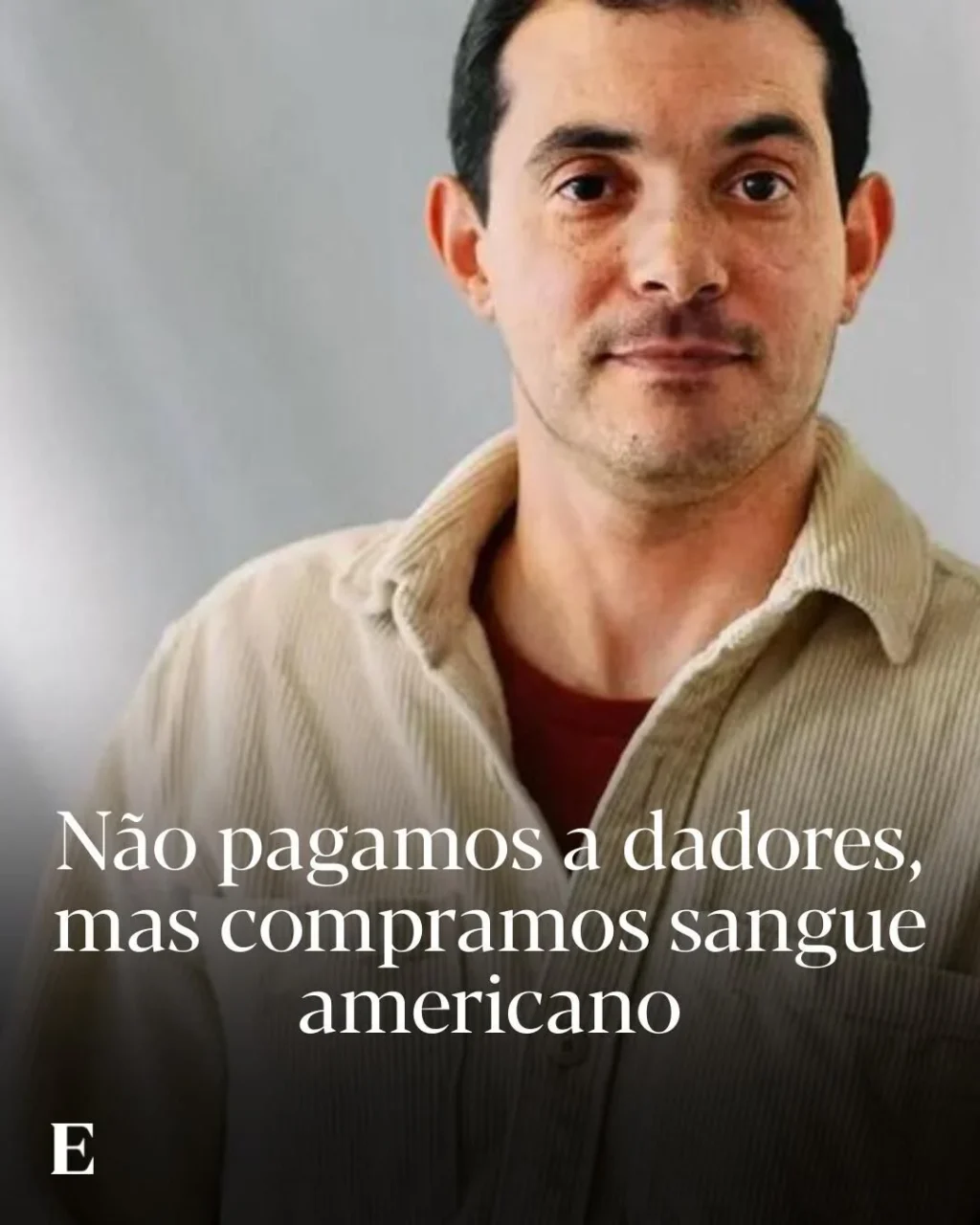
Expresso shared a post on LinkedIn:
“Fragility.
Portugal spends 100 million euros a year on medicines made from plasma and imports 89 percent of the raw material, mainly from the USA.
Experts warn of the ethical, financial and geopolitical risks of this insufficiency.
Read more.”
Stay updated with Hemostasis Today.
-
Nov 20, 2026, 17:27Adam Bryant: Great Science, Valuable Connections and a Wonderful Haematology Community at Blood 2026
-
Nov 20, 2026, 17:25Gurpreet Kaurr: Scientific Discussions, New Perspectives and Inspiration at HAEMATOCON 2026
-
Nov 20, 2026, 17:24Bispecific FVIIIa-Mimetic Antibodies in Haemophilia A – CRH French Reference Center for Hemophilia Lyon
-
Nov 20, 2026, 17:23Khalid Rehman: Psychosocial Burden Among Caregivers of Patients with Beta-Thalassemia Major in Pakistan
-
Nov 20, 2026, 17:20Dhinesh Selvaraju: Caplacizumab Becomes the First FDA-Approved Treatment for Pediatric aTTP
-
Nov 20, 2026, 17:19Paris Margaritis: Presenting Preclinical Data on GENV-HEM at the WFH Workshop
-
Nov 20, 2026, 17:18WFH Opens Public Comment on Draft Guidelines for Hemostatic Agents and Prophylaxis
-
Nov 20, 2026, 17:18Ketan Asawale: Consensus on the Management of Cancer-Associated Thrombosis in India
-
Nov 20, 2026, 17:16Ajay Samkaria: The Evolution of Hemostasis Diagnostics with the ACL TOP 70 Series