


Tareq Abadl: Polychromasia as a Morphologic Indicator of Bone Marrow Response
Tareq Abadl, Medical Laboratory Specialist and Director of the Blood Bank at Dr. Abdelkader Al-Mutawakkil Hospital, shared a post on LinkedIn:
“Polychromasia — When the Bone Marrow Says: ‘I’m Trying’
Sometimes, those bluish red cells on a peripheral smear are more than just a color change… they’re a message from the marrow.
What is Polychromasia?
Polychromasia refers to red blood cells (RBCs) that appear larger and bluish-gray on a peripheral blood smear.
This happens because these cells still contain residual RNA, making them less mature than normal RBCs.
In simple terms:
Polychromasia is a visible sign of immature RBCs in circulation.
And it often correlates with reticulocytosis.
Why Does It Matter?
Because it tells you something critical: The bone marrow is actively responding.
When you see polychromasia, ask yourself:
Is the body trying to compensate for anemia?
Clinical Significance
Polychromasia is commonly seen in conditions where RBC destruction or loss is increased, such as:
- Hemolytic anemia
- Acute or chronic blood loss
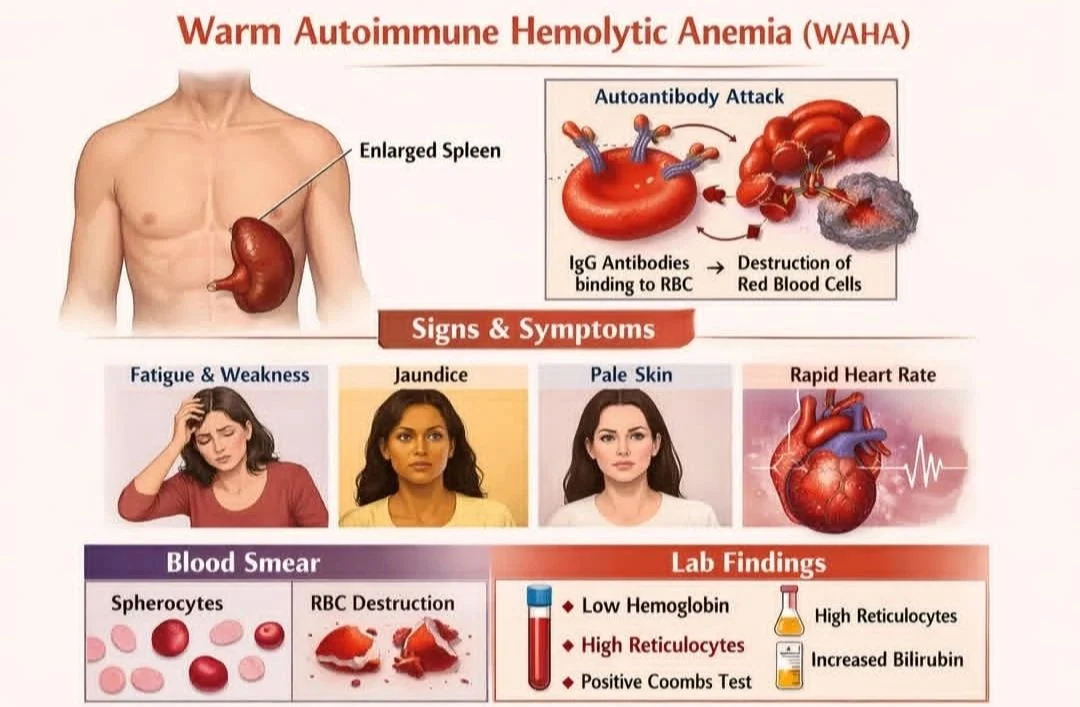
- Warm autoimmune hemolytic anemia (WAHA)
According to the American Society of Hematology (ASH) Image Bank, polychromasia is a hallmark feature in WAHA, reflecting increased marrow activity to replace destroyed red cells.
Why the Peripheral Smear Still Matters?
Even in advanced lab settings, the smear remains powerful:
A simple color change in RBCs can shift your thinking from:
‘Just low hemoglobin’ to ‘Is there hemolysis? Blood loss? Marrow response?’
Don’t Forget the Reticulocyte Count!
Always correlate smear findings with: Reticulocyte count
Because together they answer: Is the marrow responding appropriately or not?
Bottom Line
Polychromasia is not just a morphology finding…
It’s a functional clue that the marrow is working hard to restore balance.”
Other posts featuring Tareq Abadl on Hemostasis Today.
-
Oct 7, 2026, 16:44Amor Salah: 2026 NCS/SCCM Guidelines for Managing Antithrombotic-Associated ICH
-
Oct 7, 2026, 16:04NETs in Thrombosis: From Mechanism to Therapeutic Target
-
Oct 7, 2026, 15:28Amir Samimi: Prognostic Value of Platelet Count in Resected HNSCC
-
Oct 7, 2026, 15:21Eloïse Laouenan: Bridging Immunity and Thrombosis in MVTE
-
Oct 7, 2026, 15:10Uthra Sundaram: Honouring Donors During International Plasma Awareness Week
-
Oct 7, 2026, 15:04Daniel Victor Ortigoza: Should Frail Older Patients With AF Switch From VKA to DOACs?
-
Oct 7, 2026, 14:53Susan Noone: Donor Turned Recipient Shares Lifesaving Transfusion Story
-
Oct 7, 2026, 14:49Aimee Burtenshaw: The Impact of the Infected Blood Inquiry on Hospital Transfusion Laboratories
-
Oct 7, 2026, 14:41Vikash Jaiswal: Does Timing Matter for Calcium in Pre-Eclampsia Prevention?