


Jim Hoffman: Reversing Vascular Damage through NETosis Modulation and Efferocytosis Balance
Jim Hoffman, Former Technical Advisor at Cygnus Technologies, LLC, shared Donna Morreli’s post on LinkedIn:
“We should also try extracorporeal blood purification and an improved diet in patients at higher risk of aneurysm progression and atheroma development to see if these treatments will help reverse and repair their damaged vascular system, potentially negating the need for surgery and often suboptimal drug interventions.
Their vasculature is very likely under assault due to chronically elevated ‘NETosis dysregulation and compromised efferocytosis self-sufficiency‘, which can be triggered by chronic infections, poor dietary habits, comorbid hyperglycemia/insulin resistance, and environmental toxins, like microplastics, all known to trigger and exacerbate unwanted NETosis dysregulation.
Diet and extracorporeal blood purification should also be explored and trialed for reversing progressive atherosclerosis and preventing occlusive atheroma development, since statin drugs are largely ineffective and can have unwanted side effects, particularly when they are suboptimally dosed along with a proatherogenic diet.
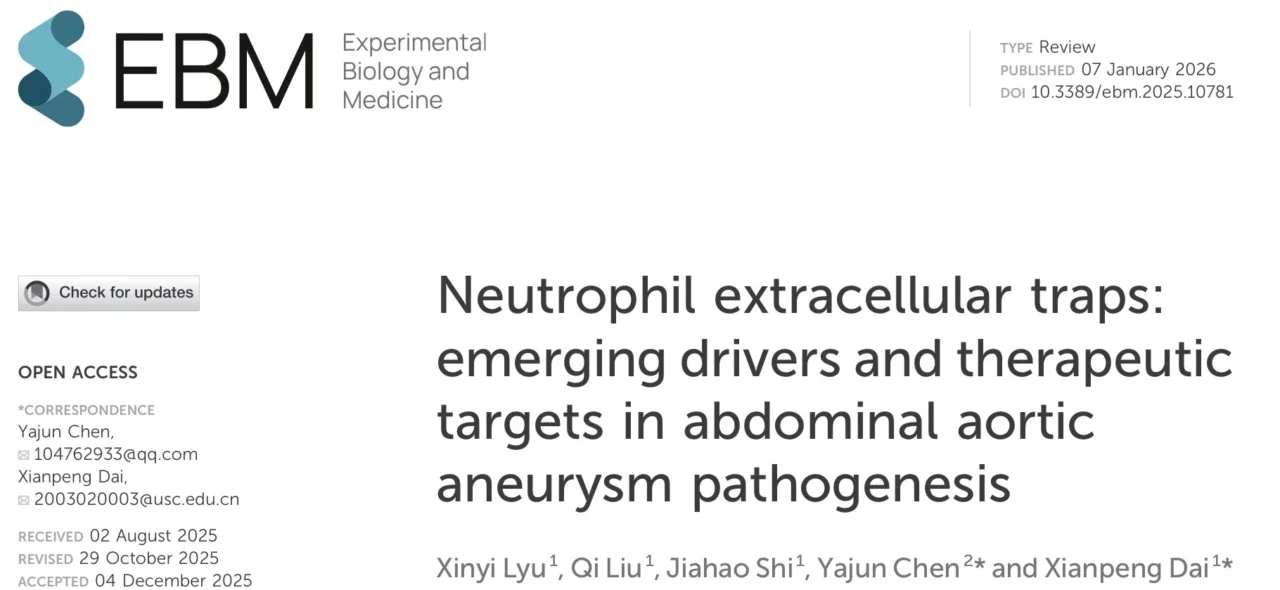
Neutrophil extracellular traps: emerging drivers and therapeutic targets in abdominal aortic aneurysm pathogenesis reviewed by Dai et al 2026
For more on NETosis dysregulation exacerbating vascular injury and CVD, review the research posted in these links.
In addition to exacerbating the Gut-BrainAxis, NETosis dysregulation likely exacerbates the Neuro-Cardiac Axis”
Donna Morelli, Data Analyst and Adult Cardiac and Thoracic Surgery at Boston Medical Center Corporation, shared a post on LinkedIn about recent article by Xinyi Lyu, published in Experimental Biology and Medicine, adding:
“Study shows mechanisms of aortic aneurysm progression and potential drug therapies.
Excerpt:
Aortic aneurysms are characterized by abnormal enlargement of the aorta, the primary artery responsible for carrying blood from the heart.
Rupture often leads to sudden death. Currently no effective drug therapies are available to halt disease progression.
Note:
Researchers at Nagoya University in Japan found that aortic aneurysms are associated with clonal hematopoiesis, an age-related process in which blood-forming stem cells acquire genetic mutations.
Their findings, published in the Journal of Clinical Investigation (enc), suggest commonly used osteoporosis drugs could slow or halt aneurysm progression.
Currently, surgery is the only definitive treatment for aortic aneurysms. Surgical decisions are guided by the risk of rupture, which is assessed through imaging of aneurysm diameter, morphological features, and expansion rate.
It is difficult to predict which patients will experience progressive aneurysm enlargement, highlighting the need for additional indicators to better stratify disease progression risk.
Developing drugs that slow disease progression is crucial for reducing mortality. Achieving both goals requires a clear understanding of the underlying mechanisms.
Assistant Professor Yoshimitsu Yura and graduate student Jun Yonekawa of the Nagoya University Graduate School of Medicine, along with their colleagues, conducted a comprehensive study.
The research team hypothesized macrophages derived from clonal hematopoiesis accelerate progression of aortic aneurysms.
Clonal hematopoiesis is recognized as a contributor to several age-related diseases, such as cardiovascular diseases and osteoporosis, its association with aortic aneurysms remains unclear.
Researchers conducted a clinical study to examine the relationship between clonal hematopoiesis and abdominal aortic aneurysms in 44 patients scheduled for aneurysm surgery.
Note:
Genetic analysis and retrospective clinical data showed approximately 60% of patients had clonal hematopoiesis and a significantly faster aneurysm expansion rate.
Key:
Results suggest clonal hematopoiesis, detectable through routine blood sampling, may serve as a novel biological marker alongside conventional indicators.
Refer to the enclosed press release to obtain further information including:
1) Investigation of causal mechanisms in animal models; and,
2) Potential non-surgical approach.
Recently published research findings enclosed.”
Title: Neutrophil extracellular traps: emerging drivers and therapeutic targets in abdominal aortic aneurysm pathogenesis
Authors: Xinyi Lyu, Qi Liu, Jiahao Shi, Yajun Chen, Xianpeng Dai
Stay updated on all scientific advances Hemostasis Today.
-
Oct 26, 2026, 16:40Elena Torre: Rethinking Iron Management in Polycythemia Vera
-
Oct 26, 2026, 16:31Tara King: Building Connections in Transfusion Medicine at AABB
-
Oct 26, 2026, 16:16Wendy Jean Schell: How Genetics and Supplements May Influence Bleeding Risk
-
Oct 26, 2026, 15:37Sally Mandour: Lupus Anticoagulant-The Tree Key Diagnostic Criteria
-
Oct 26, 2026, 15:37Aryabhatta Sadhu: Intrauterine Red-Cell and Platelet Transfusion in Fetal Medicine
-
Oct 26, 2026, 15:25Christine Tunkl: Telestroke – Expanding Access to Evidence-Based Stroke Care
-
Oct 26, 2026, 15:13Heghine Khachatryan: Approaching Thrombocytopenia Through Mechanism and Clinical Context
-
Oct 26, 2026, 15:03Quentin Eichbaum։ AABB 2026 Annual Meeting Personal Highlights
-
Oct 26, 2026, 14:57A Father’s Marathon Journey Inspired by His Son – National Bleeding Disorders Foundation