


Maxime Dely: Venous Access in Apheresis Technology Isn’t Everything
Maxime Dely, Therapeutic Solutions Sales Consultant at Terumo Blood and Cell Technologies, shared a post on LinkedIn:
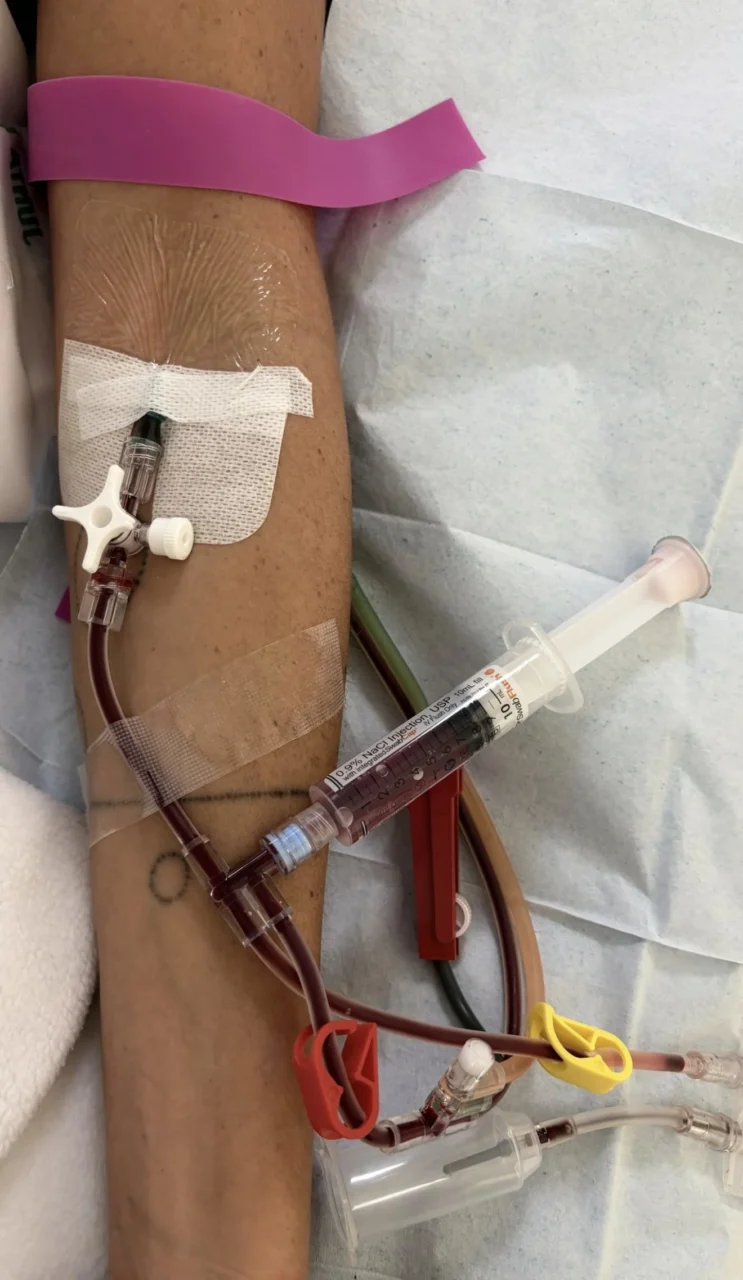
”Venous access in apheresis technology isn’t everything
In apheresis, the objective is clear: collect blood, process it, and isolate either harmful elements or useful components such as specific lymphocyte subsets
But behind this technical process lies a very concrete reality: venous access
Without a usable vein, there is no apheresis. And depending on the patient’s condition – disease, malnutrition, or vascular fragility – access can be a real challenge
Another key factor is flow rate. It must be sufficient to feed the centrifuge, but it also directly impacts the duration of the procedure and therefore the patient’s comfort
Solutions exist such as vascular mapping, Doppler, and ultrasound. But they don’t replace what matters most
Nursing expertise
Their experience often makes all the difference where technology alone falls short
Because beyond the machines, there is an essential human factor
What role do you think hands-on expertise should play alongside technology?”
Stay updated with Hemostasis Today.
-
Sep 30, 2026, 01:52Javed Anees: DADA2 – When a Young Stroke Is More Than a Stroke
-
Sep 30, 2026, 01:51How a Venous Thrombus Becomes Revascularized – ISTH
-
Sep 29, 2026, 22:45Victor Agunyego: Paracetamol – The Most Common Drug We Underestimate
-
Sep 29, 2026, 22:42Nova Sinclair: Advancing the Future of Hematology – Meet Our 2027 Organizing Committee
-
Sep 29, 2026, 22:41Lorenz Räber: Intracoronary Imaging in PCI – Why, When, How, and Which Modality?
-
Sep 29, 2026, 22:31Selma Turkovic: Pleased to Deliver the Opening Presentation at Kingston Hospital
-
Sep 29, 2026, 22:31Miguel Teran: Ultrasound and Simulation in Arterial Blood Sampling
-
Sep 29, 2026, 22:28Mohammad Refaei: Navigating Your Career in Hematology From Training to Practice
-
Sep 29, 2026, 22:27Matteo Foschi: 10 Clinical Pearls for Antithrombotic Therapy in Secondary Stroke Prevention