

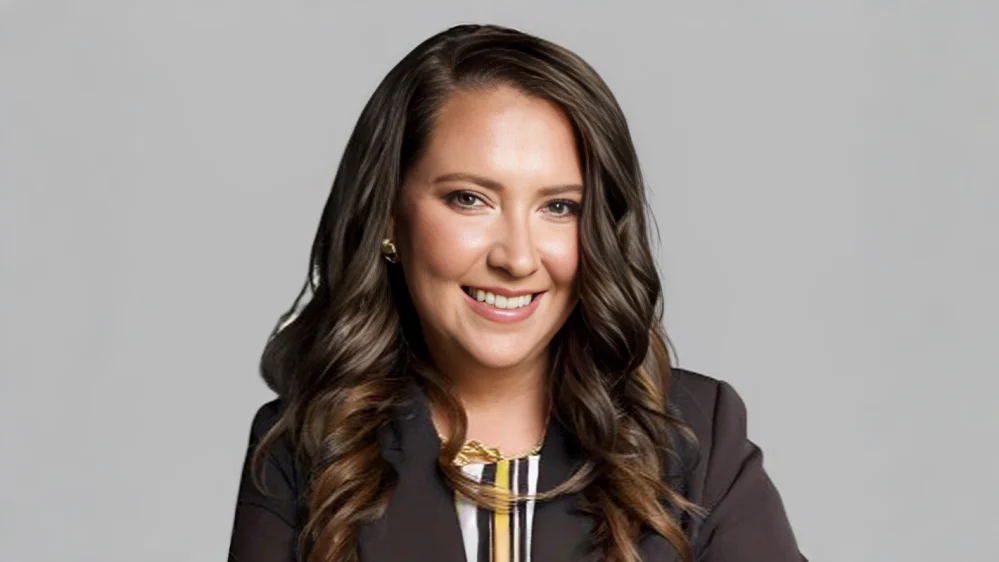
Fiona Simpson: The Ultimate Long-Haul Flight Survival Guide
Fiona Simpson, Senior Revenue Enablement Business Partner at Boomi, Corporate Creator at Citrine, shared a post on LinkedIn:
“Where are my fellow long-haul travelers?!?
About to lock in for approximately 9 hours from ATL to BCN.
It’s been a minute since I did a long-haul (last one was from SFO to Singapore a few years ago) but I’ve done enough of them to know a few things.
Here’s eight tips for long-haul flying:
1. Hydrate, hydrate, hydrate.
The humidity on airplanes is 10-15 percent (your house is more like 30 percent humidity.)
This doesn’t affect most people on short flights, but 7-10 hours in low humidity will dry you out.
Drink all the water.
Put (Unscented) lotion on every few hours.
2. Compression socks.
I used to think this was a hokey new age thing, but it’s legit.
In addition to helping prevent Deep Vein Thrombosis (which is very real, very bad, and the more you fly, the more you’re at risk), compression socks also help reduce fatigue and improve circulation overall.
Ask the Mayo Clinic, it’s legit.
3. All those points you’re sitting on?
Now is the time to use them – Upgrade.
More comfort, better food and service, get off the plane faster to head to customs.
If you’re traveling for work and can only book main cabin or premium economy, here’s a pro tip: while you’re on Concur or whatever corporate booking site, get your airline’s reservation desk on the phone.
Tell them what flights you’re booking and ask what the upgrade options are for those flights.
Book while you’re on the line, and then the reservations specialist can process your upgrade immediately.
And yes, use your own points to upgrade work trips.
It’s worth it I promise.
4. Rest. Sleep. Be still.
Long hauls are my one exception to red eyes (which I otherwise avoid like the plague.)
Keeping yourself entertained for 7-10 is exhausting.
Depending on your destination, try to fly so that you can sleep 4-6 hours on the flight, then be up and about for at least a half day when you arrive.
This helps majorly with jet lag.
5. Have a plan for your flight.
See above – figuring out what to do with yourself for hours on end is hard.
So plan ahead.
My flight tonight looks like this: board, take off, dinner service, melatonin plus skincare routine, sleep approximately 6 hours, wake up, change clothes plus freshen up, land.
6. Make yourself comfortable.
Bring things that help you relax, and give you some sense of routine.
Wash your face and brush your teeth before you sleep.
Bring slippers.
Do your skincare routine.
Have fresh clothes to change into before arrival (Life Changing).
7. Another rule I’ll break on long hauls?
Use the seat recline.
Honestly, use everything – if there’s a foot rest, a pillow, a blanket, etc, use it all.
Back to number 4 and number 6 – you need to be comfortable to rest.
8. Know what you’re doing when you land.
Find out what the passport control process is ahead of time.
If there’s an app, get it.
What’s your transportation plan?
Make it simple.
Getting out of the airport can be massively stressful; minimizing the unknowns will help.
What am I missing? (Rocking my compression socks in the AmEx lounge in ATL, next stop: Barcelona!)”

Stay updated with Hemostasis Today.
-
Sep 30, 2026, 01:52Javed Anees: DADA2 – When a Young Stroke Is More Than a Stroke
-
Sep 30, 2026, 01:51How a Venous Thrombus Becomes Revascularized – ISTH
-
Sep 29, 2026, 22:45Victor Agunyego: Paracetamol – The Most Common Drug We Underestimate
-
Sep 29, 2026, 22:42Nova Sinclair: Advancing the Future of Hematology – Meet Our 2027 Organizing Committee
-
Sep 29, 2026, 22:41Lorenz Räber: Intracoronary Imaging in PCI – Why, When, How, and Which Modality?
-
Sep 29, 2026, 22:31Selma Turkovic: Pleased to Deliver the Opening Presentation at Kingston Hospital
-
Sep 29, 2026, 22:31Miguel Teran: Ultrasound and Simulation in Arterial Blood Sampling
-
Sep 29, 2026, 22:28Mohammad Refaei: Navigating Your Career in Hematology From Training to Practice
-
Sep 29, 2026, 22:27Matteo Foschi: 10 Clinical Pearls for Antithrombotic Therapy in Secondary Stroke Prevention