

Alejandro González Veliz: The Most Dangerous Mistake After Getting a Stent
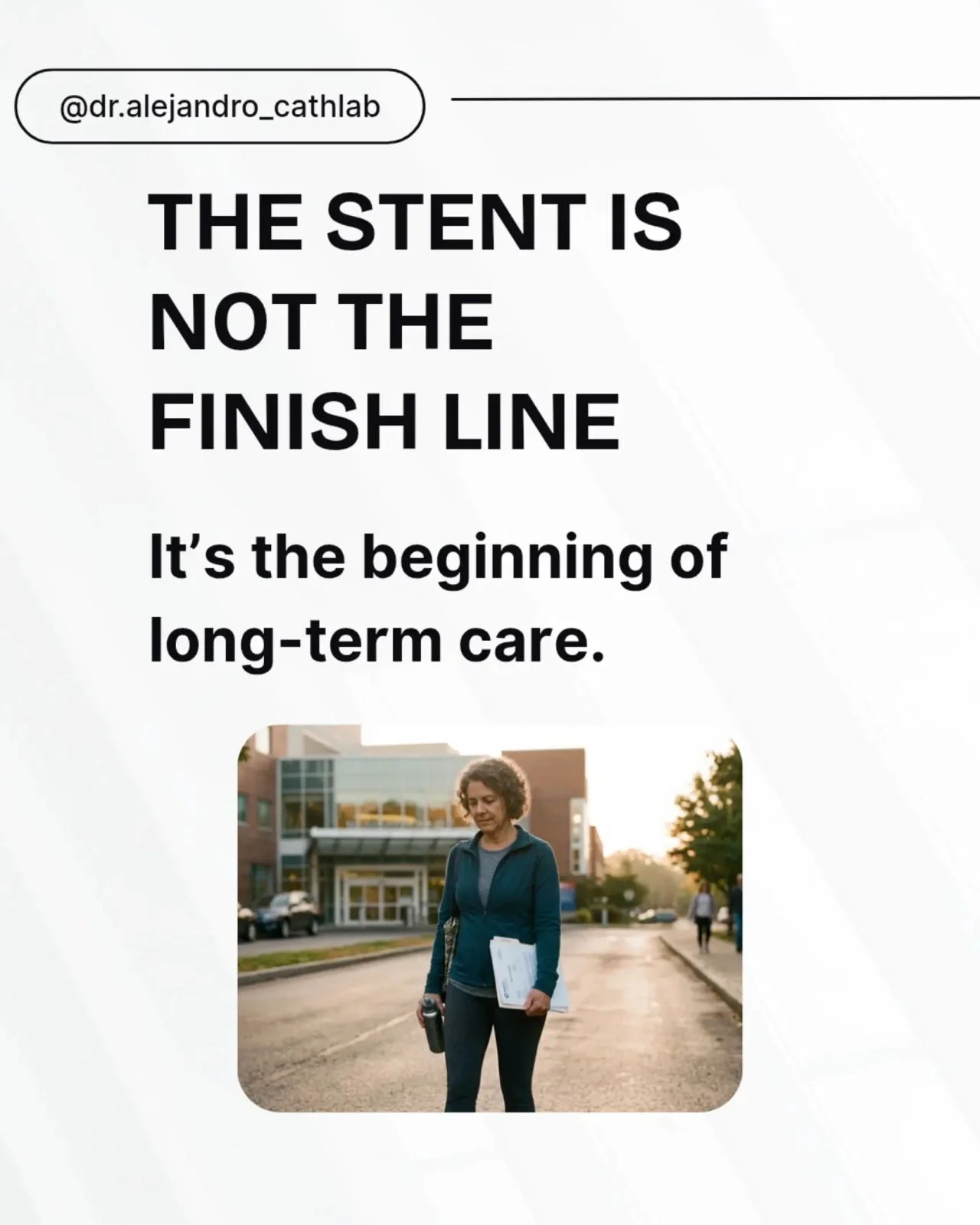
Alejandro González Veliz, Interventional Cardiologist of Institute of Cardiology and Cardiovascular Surgery, shared a post on LinkedIn:
“Getting a stent is often seen as the ‘solution.’
The artery is open.
Blood flow is restored.
The symptoms improve.
But here’s the problem:
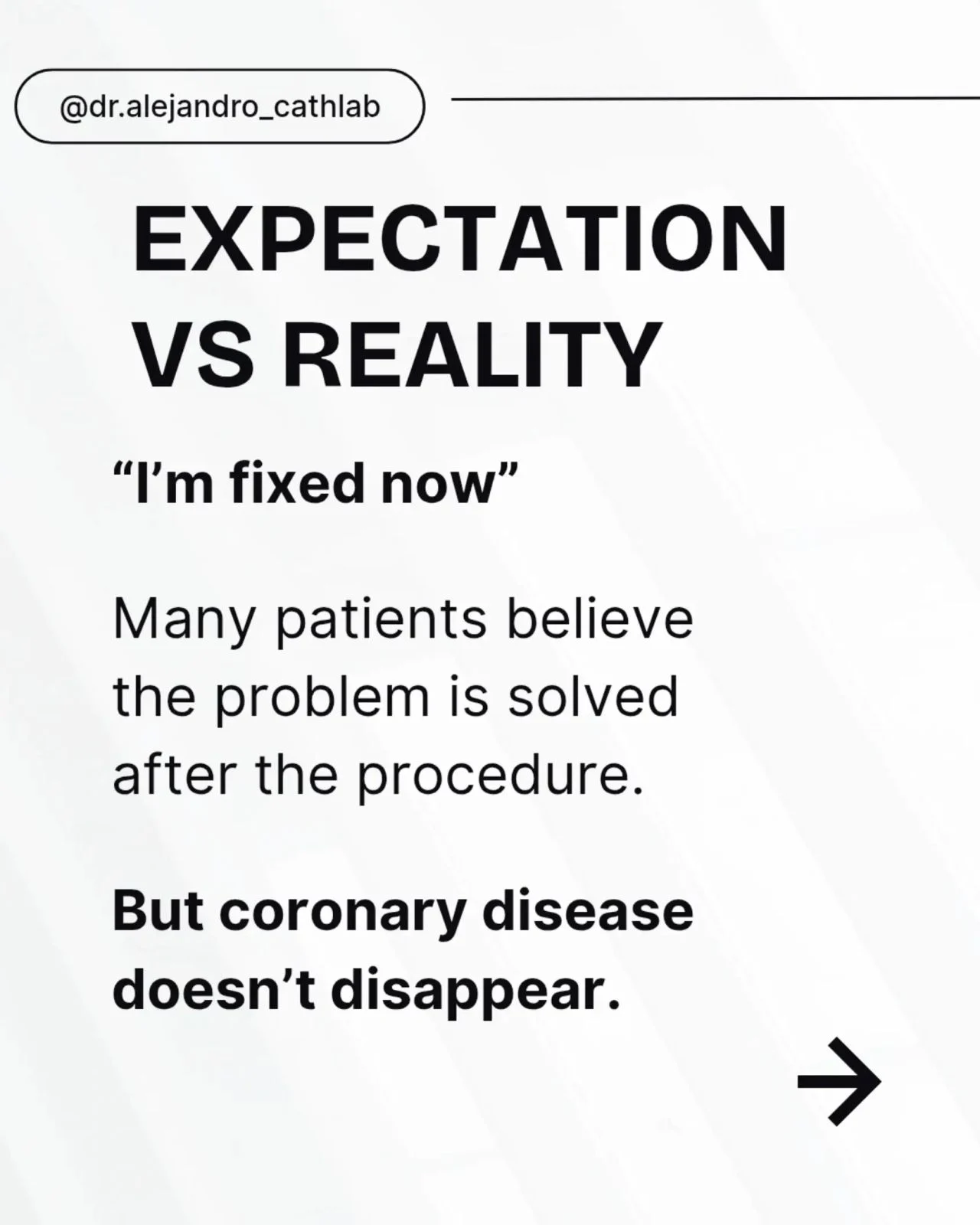
Many patients think the disease is gone.
It’s not.
Coronary artery disease is a chronic, progressive condition.
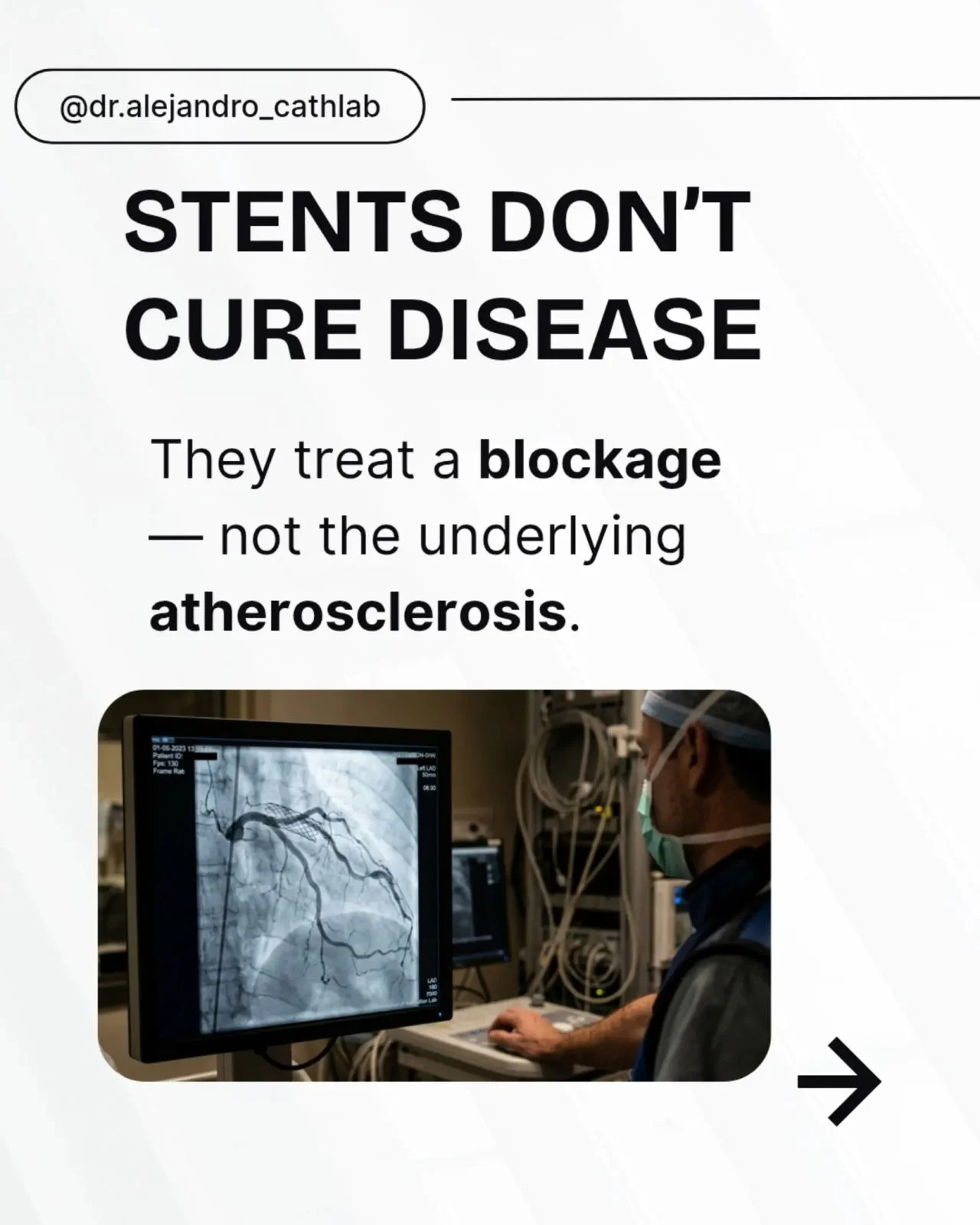
A stent treats a specific blockage — but it does not cure the underlying process.
The biggest mistake after a stent?
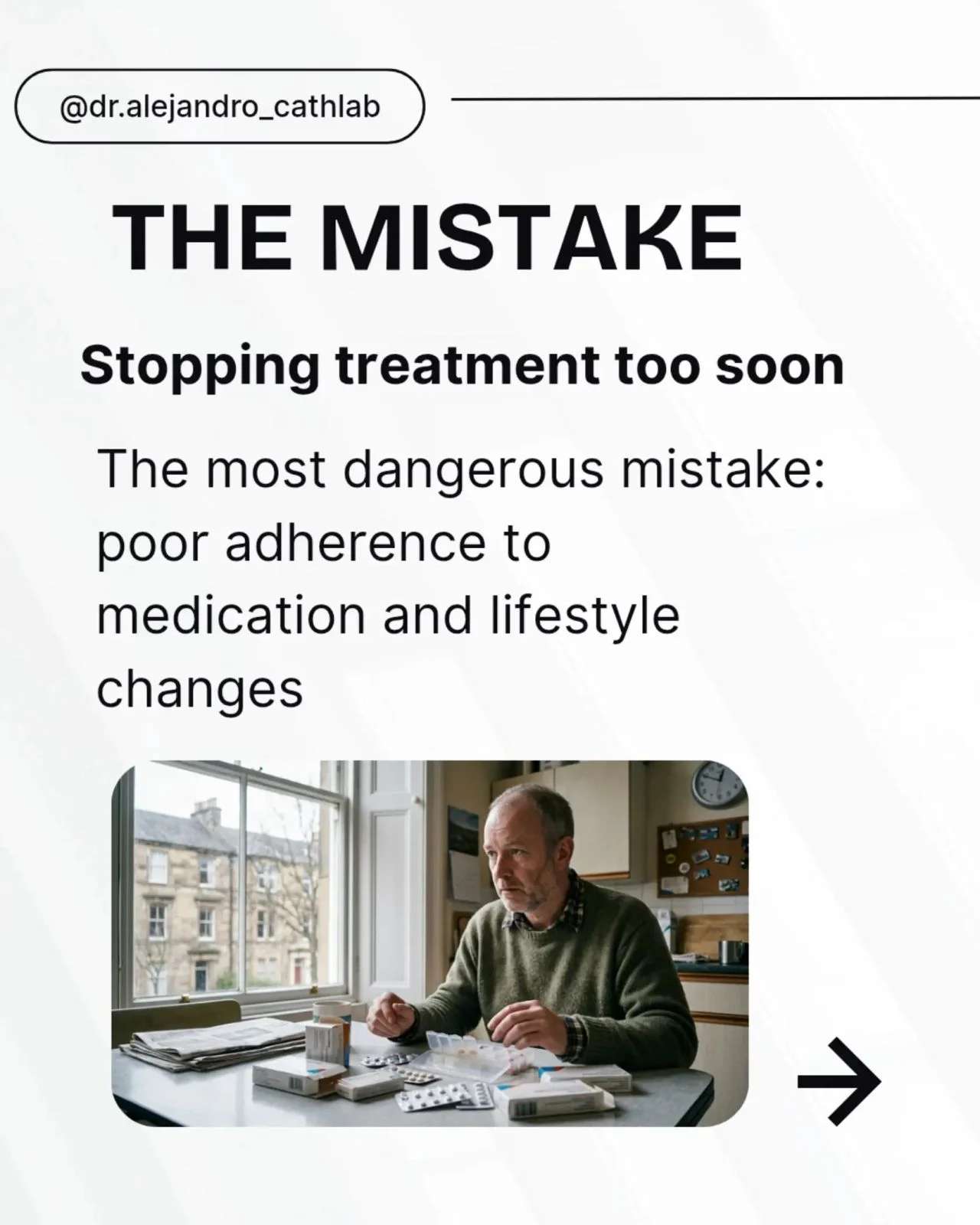
Stopping treatment too soon or not taking it seriously enough.
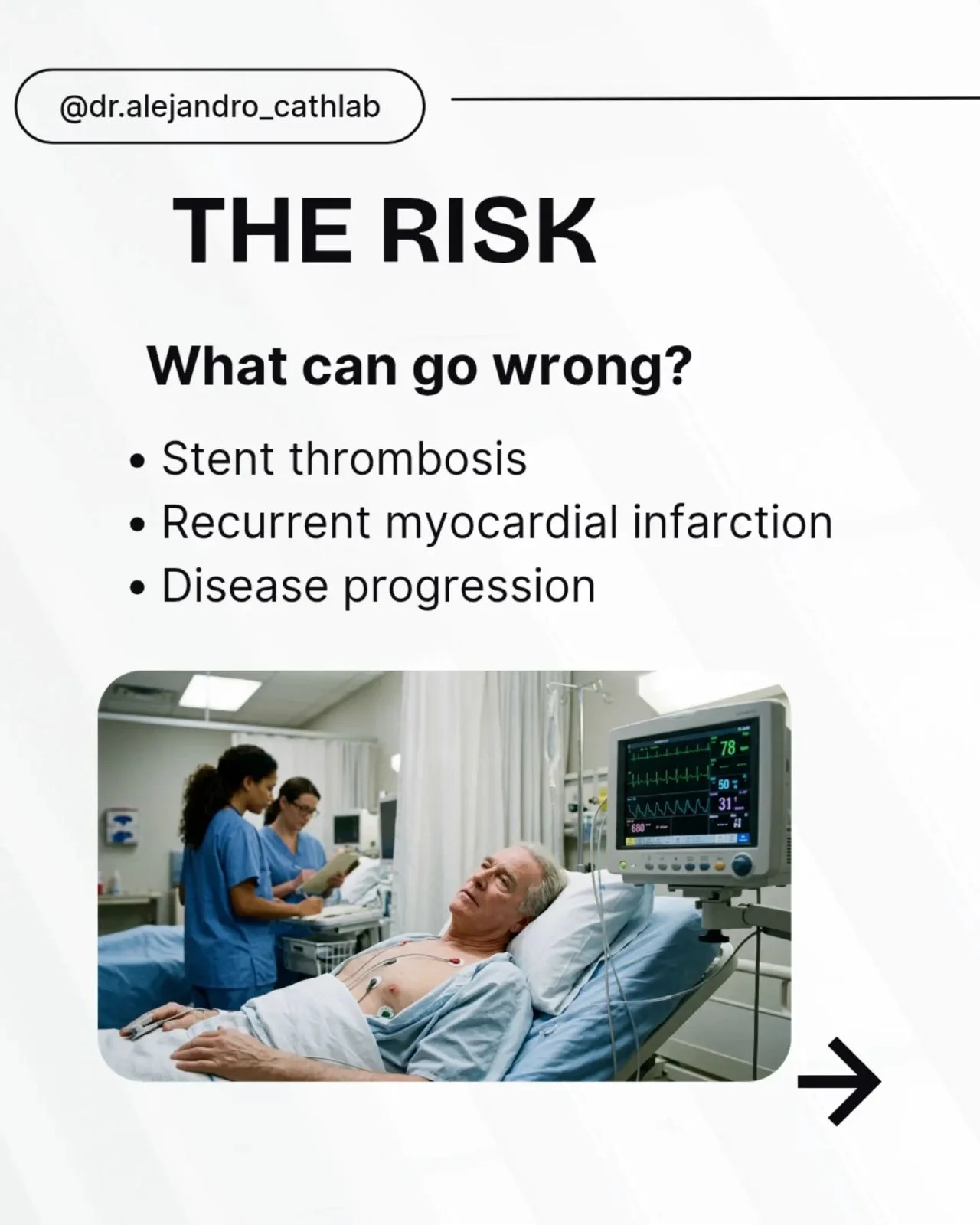
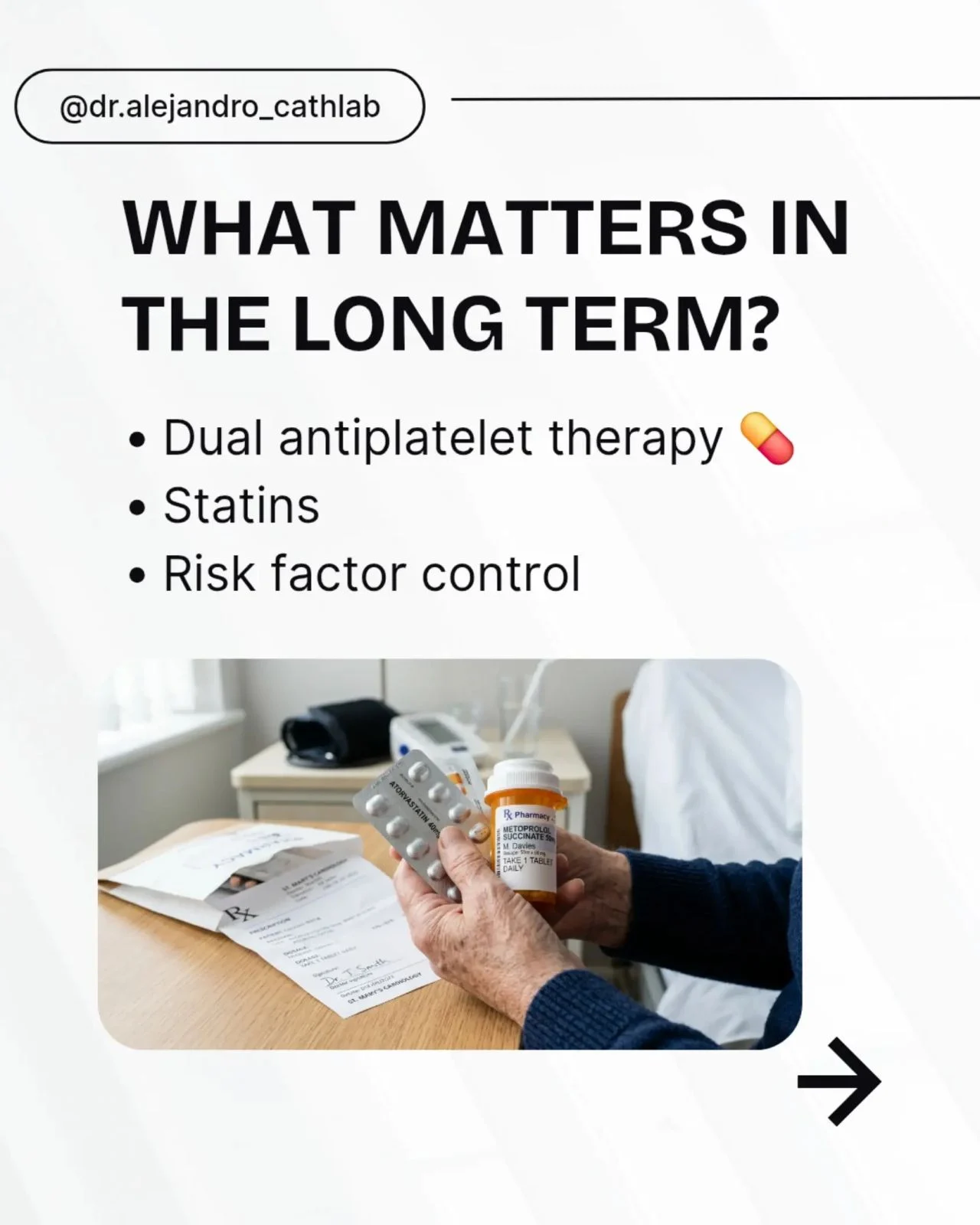
Skipping medications like dual antiplatelet therapy or statins can have serious consequences, including stent thrombosis, recurrent heart attacks, or disease progression.
And it doesn’t stop with medication.
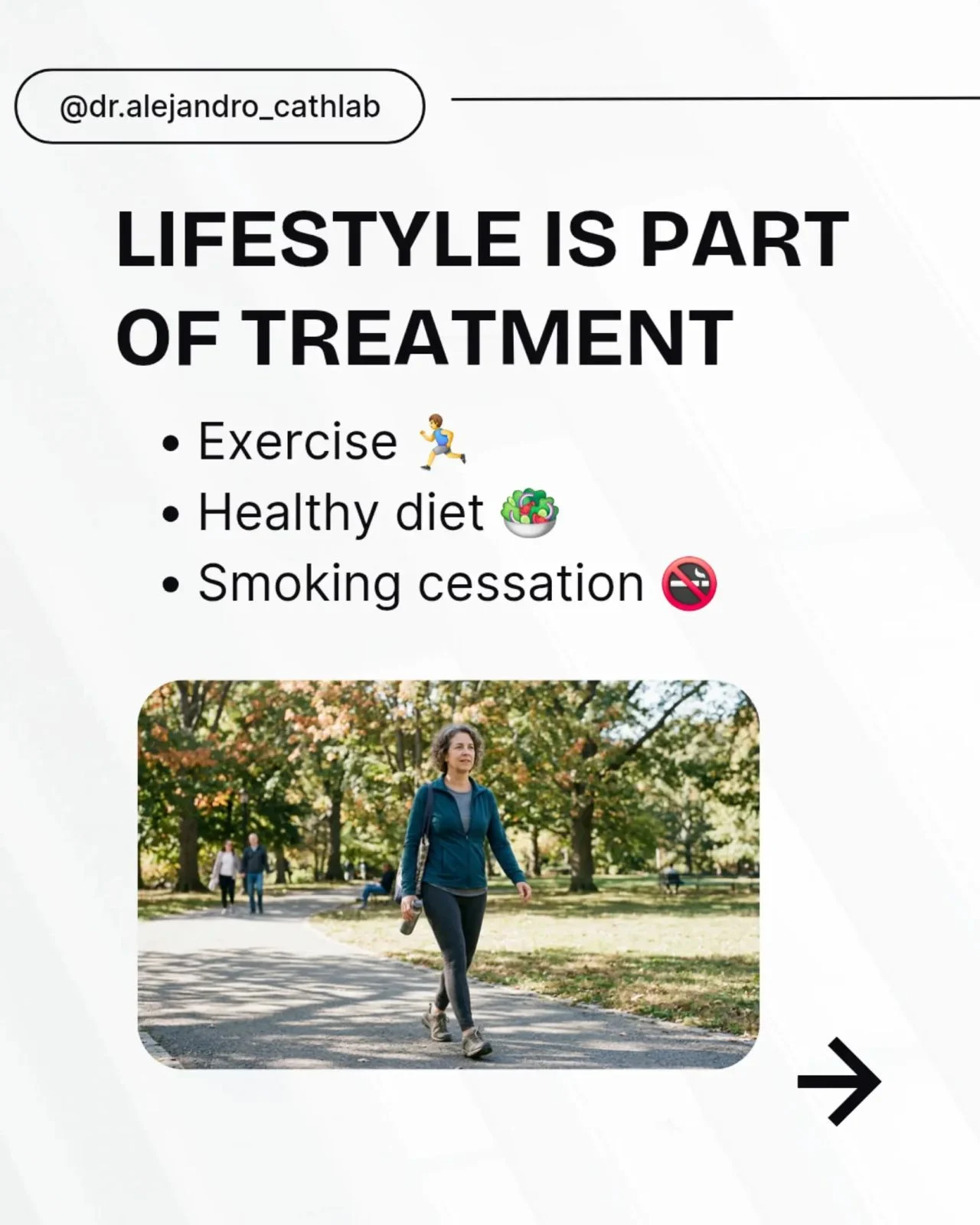
Long-term outcomes depend on what happens after the procedure:
- Controlling blood pressure
- Managing cholesterol
- Staying active
- Eating well
- Completely avoiding smoking
Because the procedure is only one moment in time.
The real treatment happens every day after.”
Stay updated with Hemostasis Today.
-
Sep 20, 2026, 11:27Edward Lee Carter: Prasugrel Dosing Matters in P2Y12 Inhibitor Comparisons After PCI
-
Sep 20, 2026, 09:51Ceasovschih Alexandr: A Closer Look at Lipid Disorders in CKM Syndrome
-
Sep 20, 2026, 09:05World Stroke Academy: Can Adjunct IAT Improve Tissue Reperfusion?
-
Sep 20, 2026, 06:46Neeraj Songara: From Donated Blood to Engineered Therapeutics
-
Sep 20, 2026, 06:24Louise St. Germain Bannon: Improving Awareness and Care for Women Across the Lifespan
-
Sep 20, 2026, 05:17Maxime Dely: When ABO Compatibility Isn’t Enough for Safe Transfusion
-
Sep 20, 2026, 04:54William Aird: What Does a Complete History and Physical Really Mean?
-
Sep 20, 2026, 04:34Hons Saurabh Kaushik: Why Uncontrolled LDL Can Be Harmful
-
Sep 20, 2026, 03:58Salih Ehsan: The Complexities of HbF and HbA2