

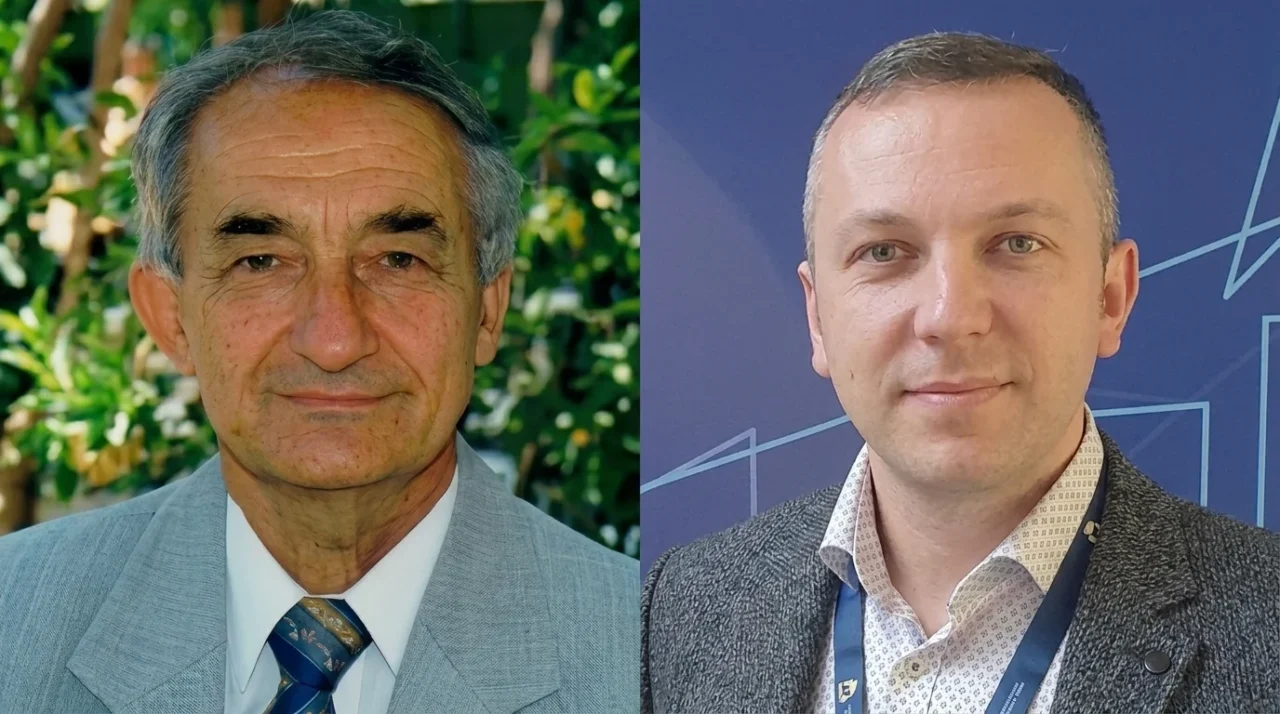
Ceasovschih Alexandr: A New Perspective on Allergic Cardiac Events Driven by Host Factors
Ceasovschih Alexandr, Assistant Professor at Grigore T. Popa University of Medicine and Pharmacy Section, Editor at Archives of Medical Science, shared a post on LinkedIn about a recent article he and his colleagues co-authored, published in Medical Sciences, adding:
“Just published!
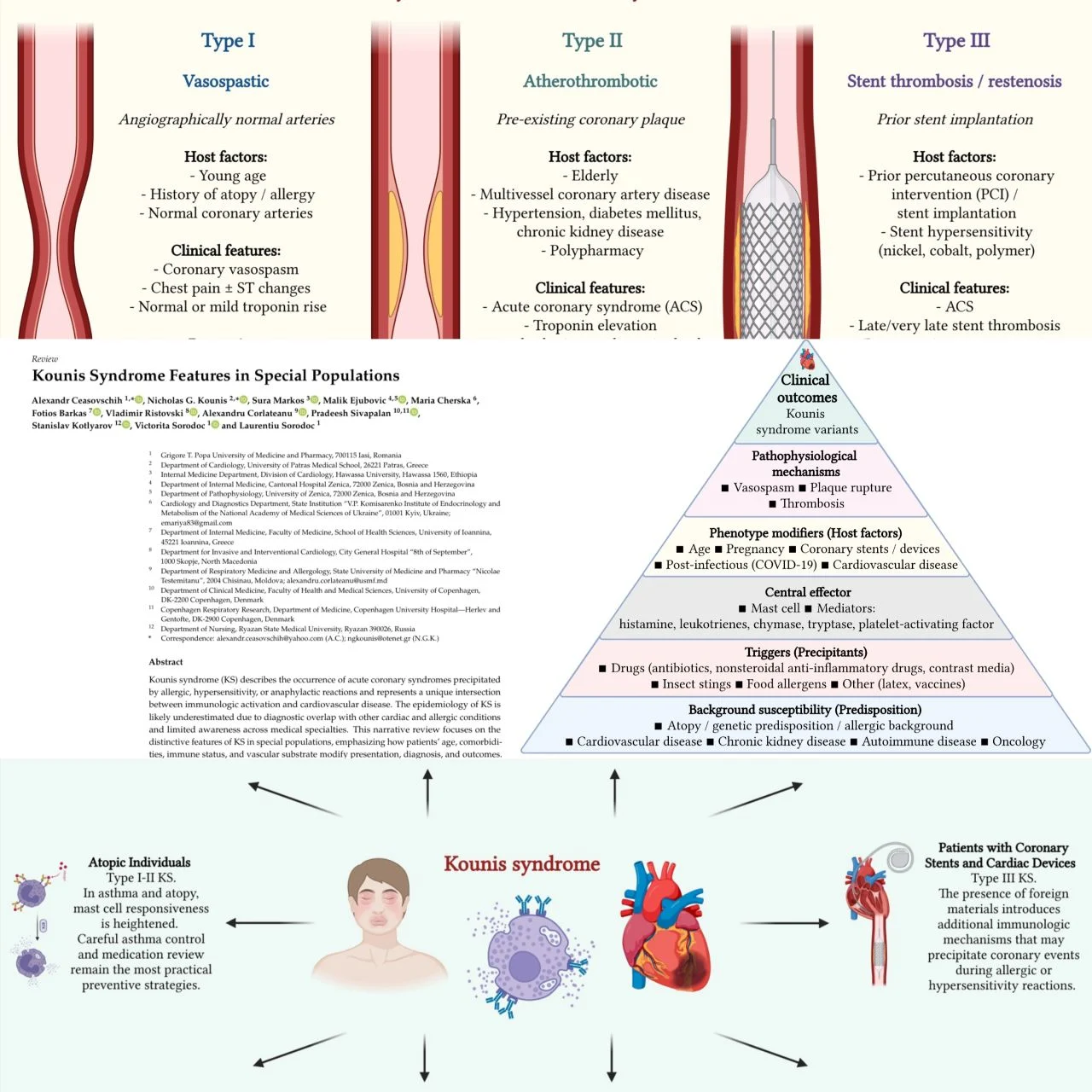
Kounis syndrome is not just an allergic reaction, it is a patient-dependent cardiovascular response.
Our latest review explores how host factors (age, comorbidities, immune status, and vascular substrate) shape clinical presentation and outcomes across special populations, and proposes a host-modified framework that complements the classical Type I/II/III classification, with potential implications for risk stratification and personalized care.
A special thank you to Professor Nicholas Kounis himself and to all co-authors for this collaborative effort.”
Title: Kounis Syndrome Features in Special Populations
Authors: Alexandr Ceasovschih, Nicholas G. Kounis, Sura Markos, Malik Ejubovic, Maria Cherska, Fotios Barkas, Vladimir Ristovski, Alexandru Corlateanu, Pradeesh Sivapalan, Stanislav Kotlyarov, Victorita Sorodoc, Laurentiu Sorodoc

Stay updated on all scientific advances with Hemostasis Today.
-
Nov 16, 2026, 15:35Jim Hoffman: Could Blood Purification Change the Fight Against Cancer?
-
Nov 16, 2026, 15:16How Do Artificial Hearts Affect Platelet Function? – Platelets Journal
-
Nov 16, 2026, 15:10Assessing Coagulation Activation in DOAC – Treated Patients – JTH
-
Nov 16, 2026, 15:00Davide Antonio Mei: Should Anticoagulation Continue After AF Ablation?
-
Nov 16, 2026, 14:55Danielle Boyle: Beyond Platelet Counts – Why Patient Stories Matter
-
Nov 16, 2026, 14:28Jan Sloves: The Future of Vascular Ultrasound
-
Nov 16, 2026, 13:49Bahman Rasouli: A Rare Vascular Manifestation of Recurrent Papillary Thyroid Carcinoma
-
Nov 16, 2026, 13:28Muhammad Danyal: Platelet Patterns in Hepatitis B and C
-
Nov 16, 2026, 12:52Frank Nocken: Alzheimer’s Research Expands Beyond Amyloid-Based Treatments