

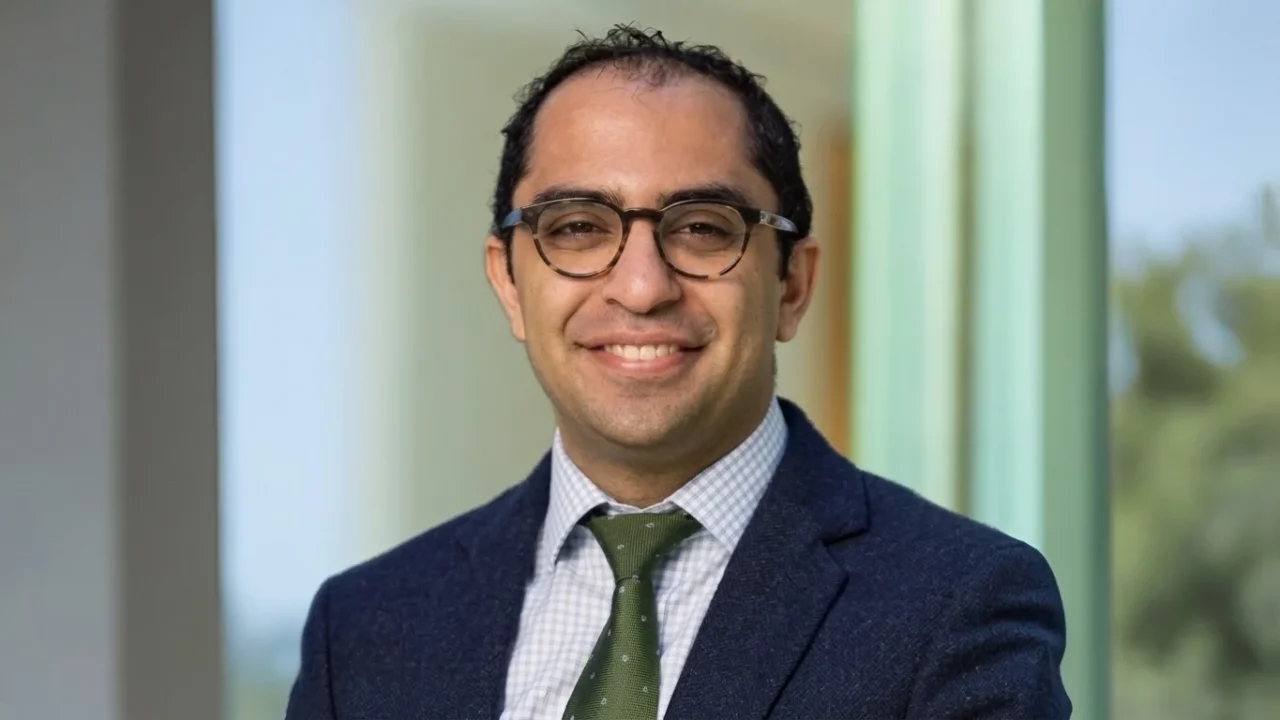
Andrew M. Ibrahim: AI in Stroke Care and the Evidence Gap in Healthcare Delivery
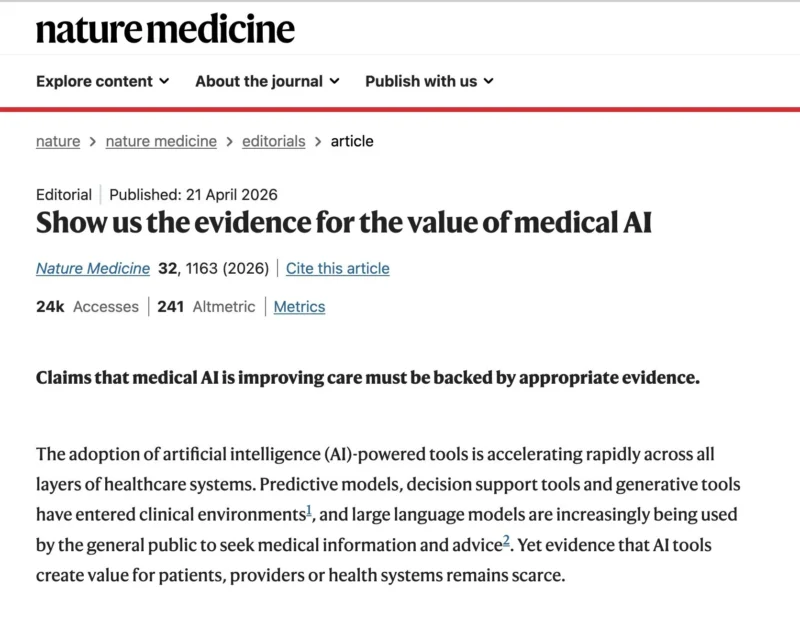
Andrew M. Ibrahim, Chief Clinical Officer and Surgeon-Scientist at Viz.ai, George D. Zuidema Professor at University of Michigan, shared on LinkedIn about a recent article published in Nature Medicine, adding:
”This Nature Medicine paper has been generating a lot of discussion, particularly around the claim that there is limited evidence that AI meaningfully improves healthcare delivery.
I agree with the broader concern – many AI tools are entering the market faster than high-quality evidence is being generated.
But I think it’s important not to overgeneralize.
There are already examples of AI tools in clinical use for several years (8+), with prospective and multi-site evidence showing measurable impact on care delivery and outcomes that are widely agreed upon:
JAMA Neurology (stepped-wedge, multi-site RCT)
AI-enabled stroke triage reduced door-to-groin time (~12 minutes) and was associated with a significant reduction in mortality.
JNNP / BMJ (multi-site, difference-in-differences)
AI implementation in stroke networks was associated with improved workflow efficiency, increased EVT utilization, and meaningful cost savings (~$3,600 per episode).
Journal of Vascular Surgery: Venous (retrospective, real-world)
AI-supported PE workflows were associated with reduced in-hospital mortality (8.4% → 2.2%) and faster time to treatment in a single health system.
It’s right to ask for more evidence, but we should also not overlook that many AI tools do have an existing evidence base.”
Title: Show us the evidence for the value of medical AI
Stay updated on all scientific advances with Hemostasis Today.
-
Sep 30, 2026, 01:52Javed Anees: DADA2 – When a Young Stroke Is More Than a Stroke
-
Sep 30, 2026, 01:51How a Venous Thrombus Becomes Revascularized – ISTH
-
Sep 29, 2026, 22:45Victor Agunyego: Paracetamol – The Most Common Drug We Underestimate
-
Sep 29, 2026, 22:42Nova Sinclair: Advancing the Future of Hematology – Meet Our 2027 Organizing Committee
-
Sep 29, 2026, 22:41Lorenz Räber: Intracoronary Imaging in PCI – Why, When, How, and Which Modality?
-
Sep 29, 2026, 22:31Selma Turkovic: Pleased to Deliver the Opening Presentation at Kingston Hospital
-
Sep 29, 2026, 22:31Miguel Teran: Ultrasound and Simulation in Arterial Blood Sampling
-
Sep 29, 2026, 22:28Mohammad Refaei: Navigating Your Career in Hematology From Training to Practice
-
Sep 29, 2026, 22:27Matteo Foschi: 10 Clinical Pearls for Antithrombotic Therapy in Secondary Stroke Prevention