


Ash Wallington: Why Are We Throwing Away 97% of the Cure?
Ash Wallington, Executive Director in Stanford Technology Ventures Program at Stanford University, shared a post on LinkedIn:
“Why are we throwing away 97% of the cure?
When I was 29 weeks pregnant, I decided to donate my baby’s cord blood instead of it being treated as medical waste.
You need to register before week 32.
Easy right?
No.
Instead I hit upon a frustrating systemic failure, countless forms and poor infrastructural support to complete the donation.
Fortunately, last week I delivered a healthy baby boy, and within a few hours we sent the cord blood off with a courier, hoping it can make a difference in research or treatment for someone out there.
The numbers are staggering:
- 97% of all cord blood in the US (rich in life-saving stem cells) is discarded as medical waste
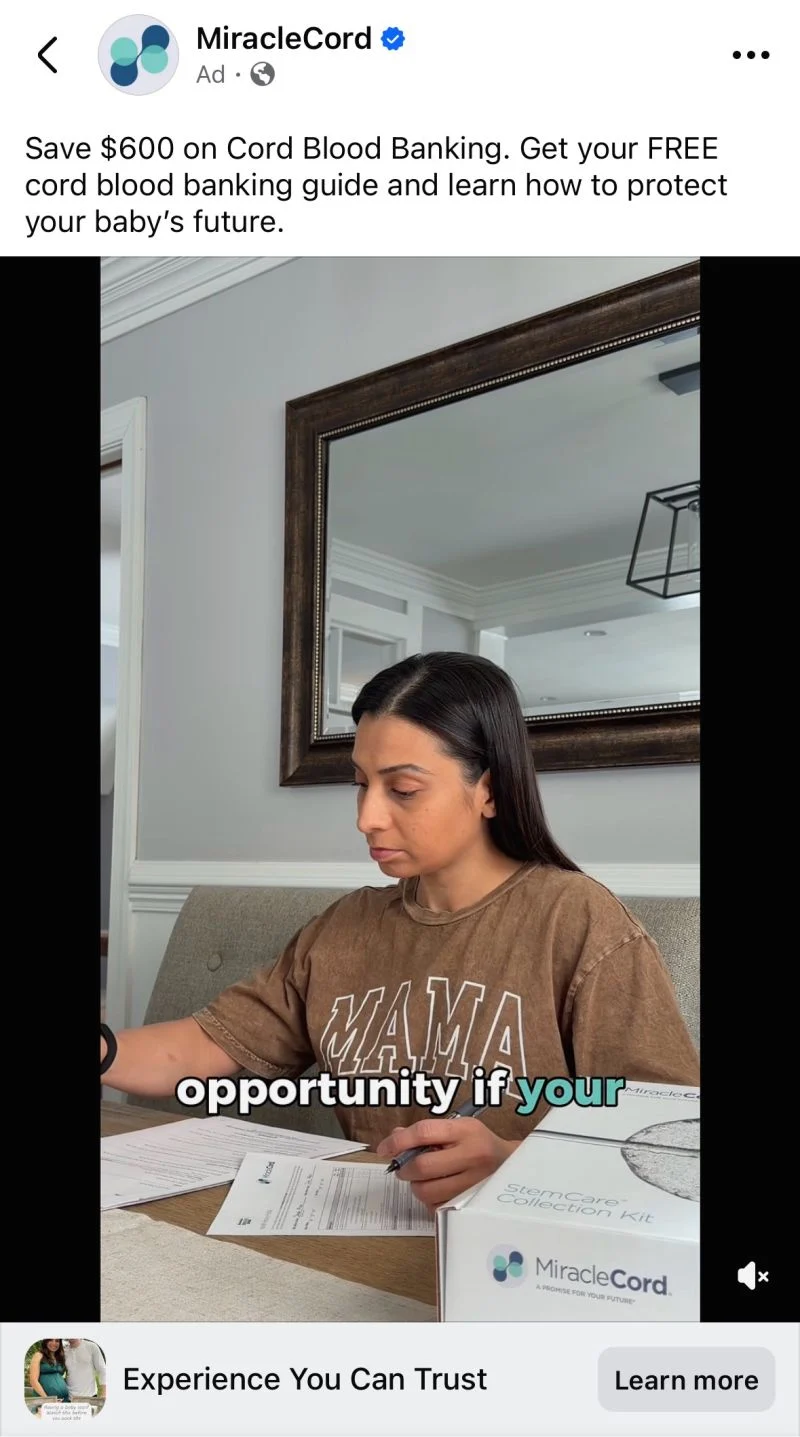
- Of the 3% that is actually captured, about 90% is stored in private banks for individual use, where it may never be used. See all the sponsored ads attached.
That leaves only about 0.3% of this total biological ‘gold’ available for public donation to save a stranger’s life.
Why this is a tragedy of ‘Medical Resource Management’: We talk about bone marrow and regular blood donation as the gold standards of giving, but cord blood is in a category of its own!
More than 80 illnesses: Cord blood stem cells are currently used to treat over 80 life-threatening diseases, including leukemia, lymphoma, and sickle cell anemia.
The ‘Universal’ Advantage: Unlike bone marrow, which requires a near-perfect genetic match (a ‘Grand Challenge’ for multi-ethnic patients), cord blood is ‘immunologically immature.’ It doesn’t require a perfect match to be successful, making it the most viable option for patients who can’t find a marrow donor.
Zero Risk, One Opportunity: Unlike bone marrow (which requires surgery or intense procedures) or blood (which you can give every 8 weeks), cord blood donation is painless, non-invasive, and happens only once per birth. It’s a literal one-shot opportunity to harvest ‘biological gold’ before it gets tossed in the bin.
The systemic problem:
- The SEO Gap: Private, lucrative business models spend millions to dominate search results, while public donation infrastructure is underfunded and invisible. Such. A. Shame.
- The Infrastructure Gap: Public banks are so under-resourced that even a motivated donor can’t get a return call or an email back (I’m still waiting, UC Davis).
- The Logistical Moat: If you don’t deliver at a specific ‘partner hospital,’ the system effectively tells you your donation isn’t worth the transport cost.
We talk about ‘healthcare innovation,’ but we are failing at basic resource recovery. We have the ‘Grand Challenge’ of treating leukemia, sickle cell anemia, and more than 80 other diseases, yet we allow the primary resource to be thrown in the trash.
If you’re in the healthcare, policy, or tech space, how do we fix this?
How do we make the ‘right choice’ the ‘easy choice’ for parents?”
Stay updated with Hemostasis Today.
-
Sep 30, 2026, 01:52Javed Anees: DADA2 – When a Young Stroke Is More Than a Stroke
-
Sep 30, 2026, 01:51How a Venous Thrombus Becomes Revascularized – ISTH
-
Sep 29, 2026, 22:45Victor Agunyego: Paracetamol – The Most Common Drug We Underestimate
-
Sep 29, 2026, 22:42Nova Sinclair: Advancing the Future of Hematology – Meet Our 2027 Organizing Committee
-
Sep 29, 2026, 22:41Lorenz Räber: Intracoronary Imaging in PCI – Why, When, How, and Which Modality?
-
Sep 29, 2026, 22:31Selma Turkovic: Pleased to Deliver the Opening Presentation at Kingston Hospital
-
Sep 29, 2026, 22:31Miguel Teran: Ultrasound and Simulation in Arterial Blood Sampling
-
Sep 29, 2026, 22:28Mohammad Refaei: Navigating Your Career in Hematology From Training to Practice
-
Sep 29, 2026, 22:27Matteo Foschi: 10 Clinical Pearls for Antithrombotic Therapy in Secondary Stroke Prevention