

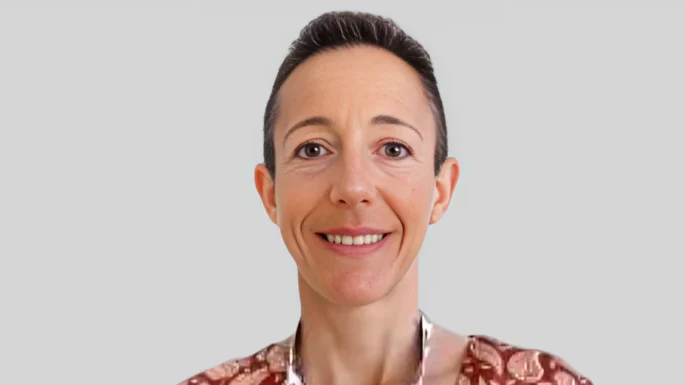
Amelia Carro Hevia: Improving Heart Failure Care Through Sex-Informed Strategies
Amelia Carro Hevia, Consultant Cardiologist and Researcher at Corvilud Institut, shared a post on LinkedIn about a recent article by Wesley Alexandra Spacht et al, published in Climacteric, adding:
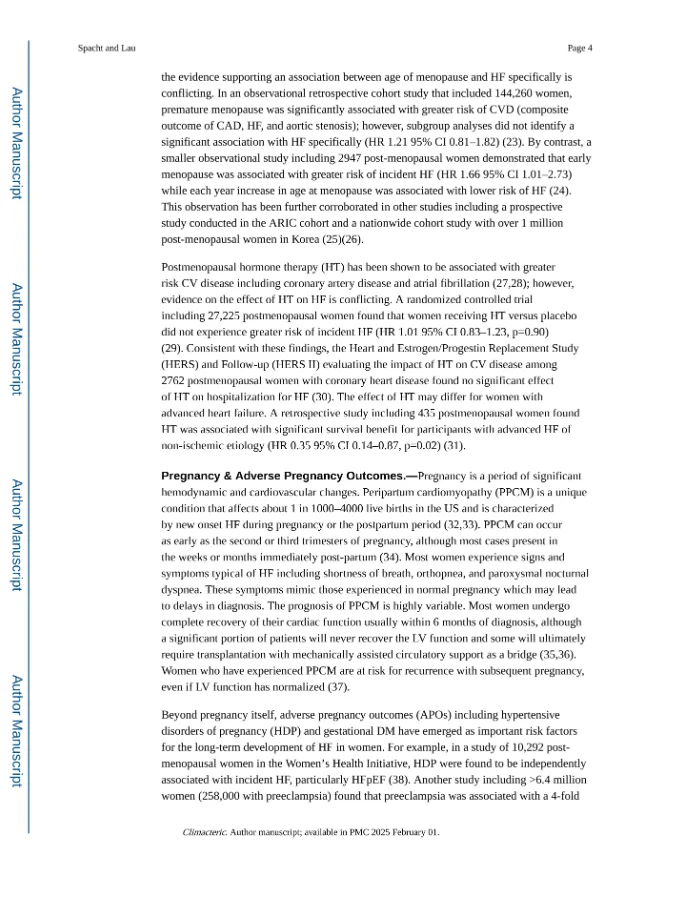
“Heart failure in women: a disctintive disease
May is the heart failure awareness month.
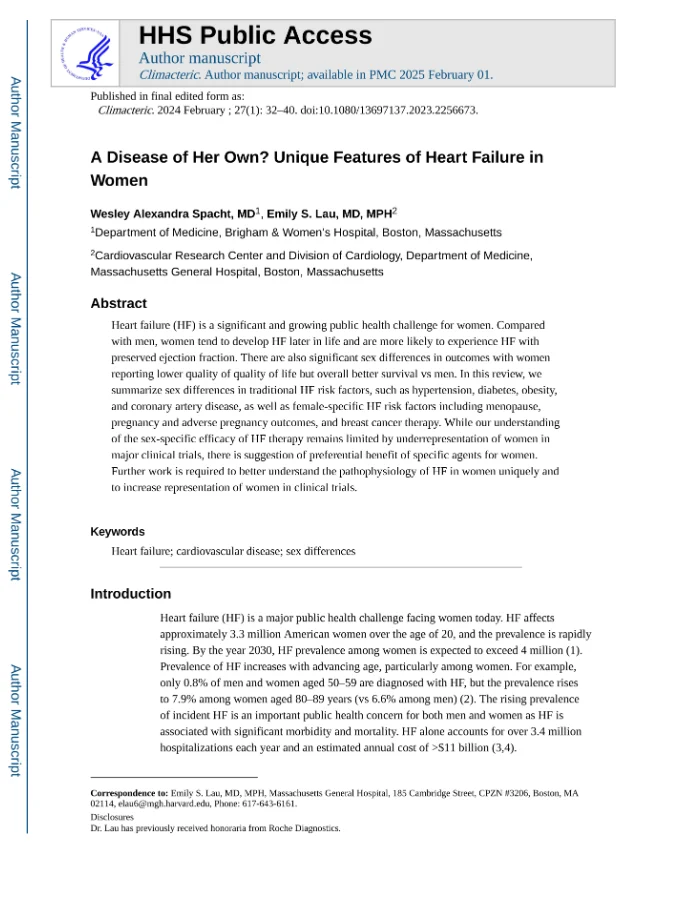
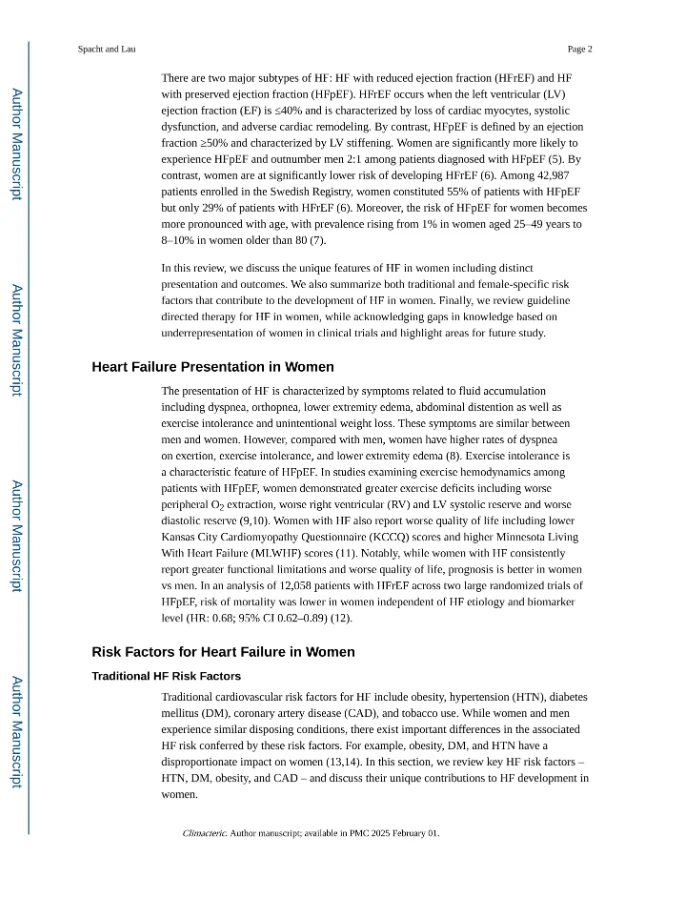
Therefore, here I bring a review focused on Women’s heart failure (HF), since women are more likely to develop HF with preserved ejection fraction (HFpEF) than men, often present with more dyspnea and functional limitation, and report worse quality of life despite better overall survival than men.
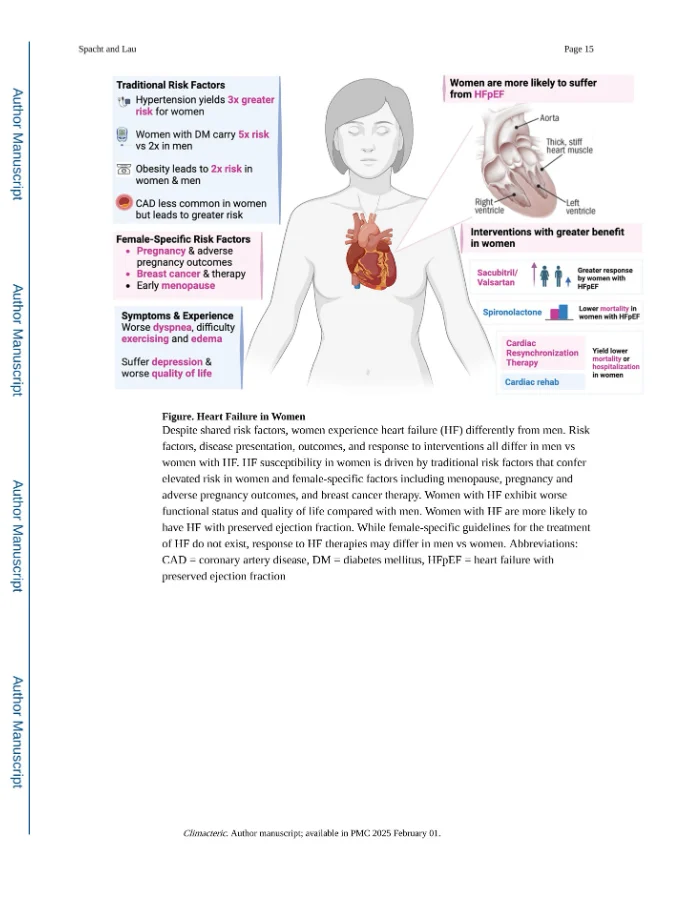
Sex matters: A key message from the review ‘A Disease of Her Own? Unique Features of Heart Failure in Women’ is that sex matters across the entire HF continuum: risk factors, phenotype, symptoms, outcomes, and response to therapy.
Traditional risk factors
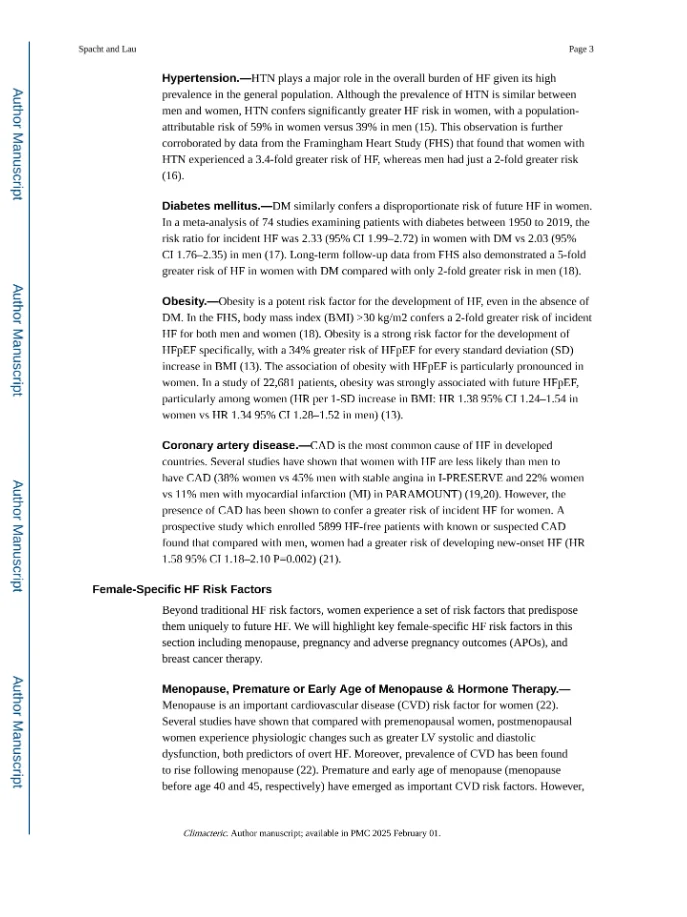
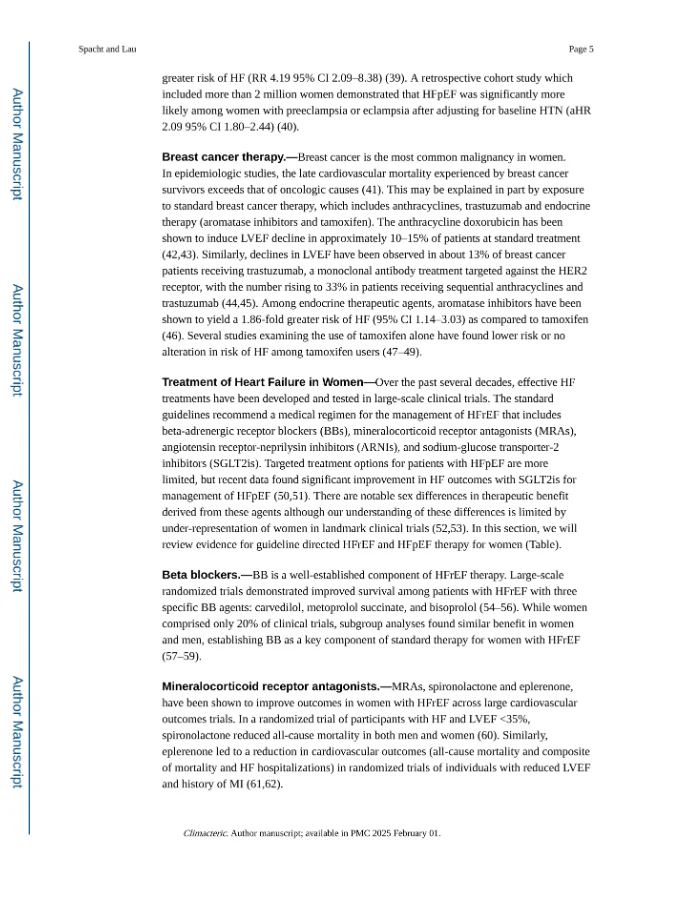
Traditional risk factors such as hypertension, diabetes, obesity, and coronary artery disease confer a disproportionate HF risk in women, while female-specific exposures—including menopause, adverse pregnancy outcomes, inflammation, autoinmune disorders, and breast cancer therapies—add an additional layer of risk.
Clinical practice
Clinical practice should also be more intentional about recognizing HFpEF in women, especially in older patients and in those with a history of hypertensive disorders of pregnancy or premature menopause.
Treatment options
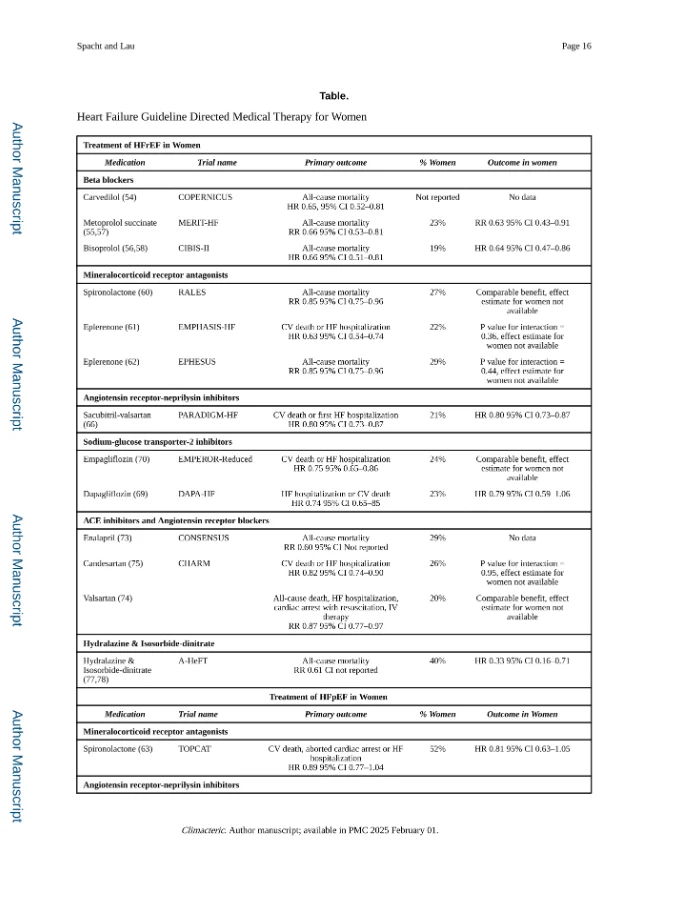
Importantly, contemporary therapies appear to benefit women, with particularly encouraging signals for
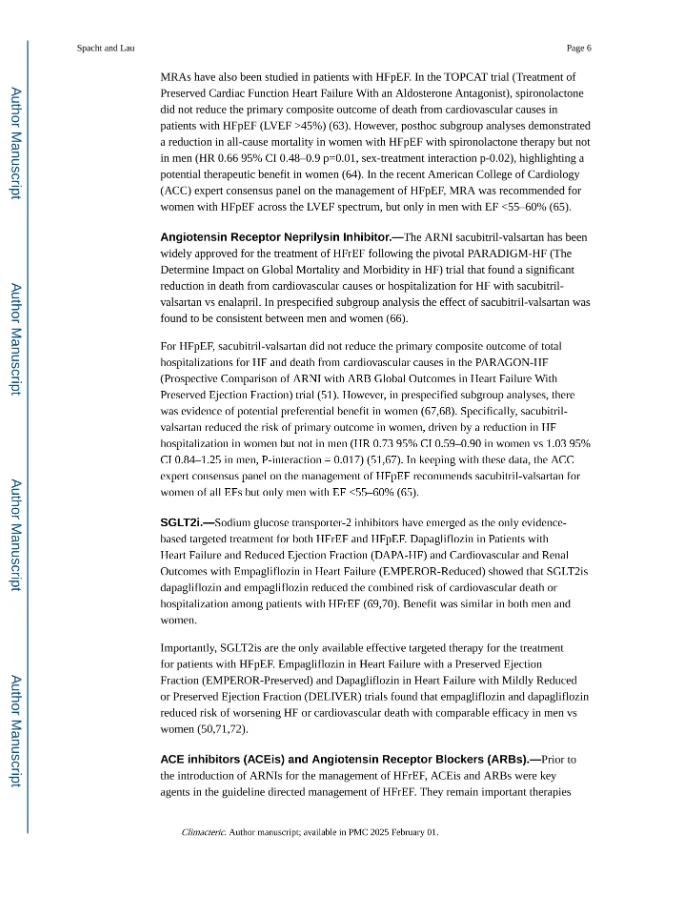
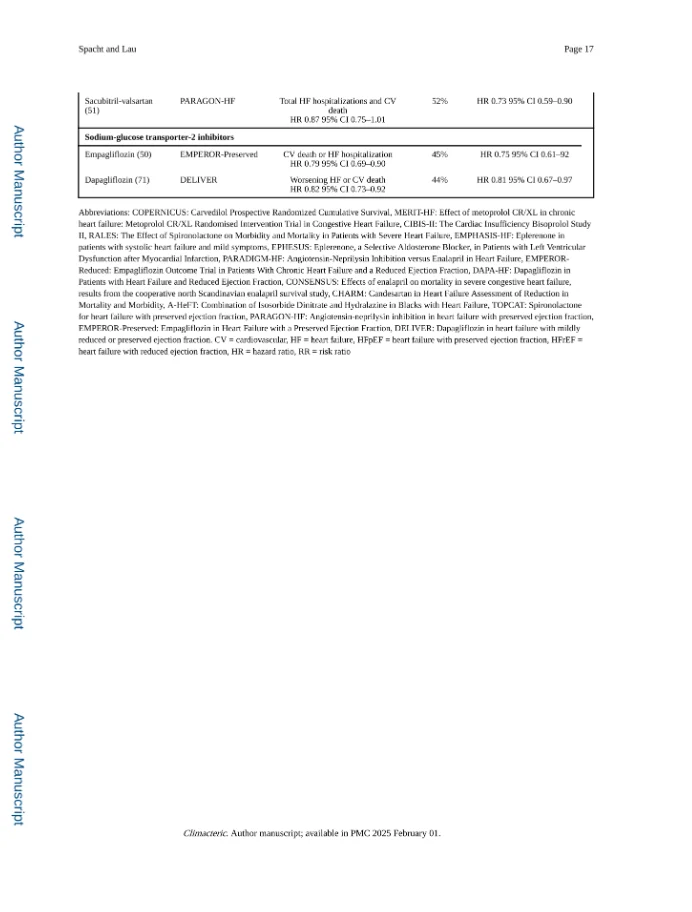
- SGLT2 inhibitors across the ejection fraction spectrum
- Sacubitril/valsartan (selected in selected HFpEF subgroups)
- Mineralocorticoid receptor antagonists (selected in selected HFpEF subgroups)
- GLP1 receptor agonists
Take home message
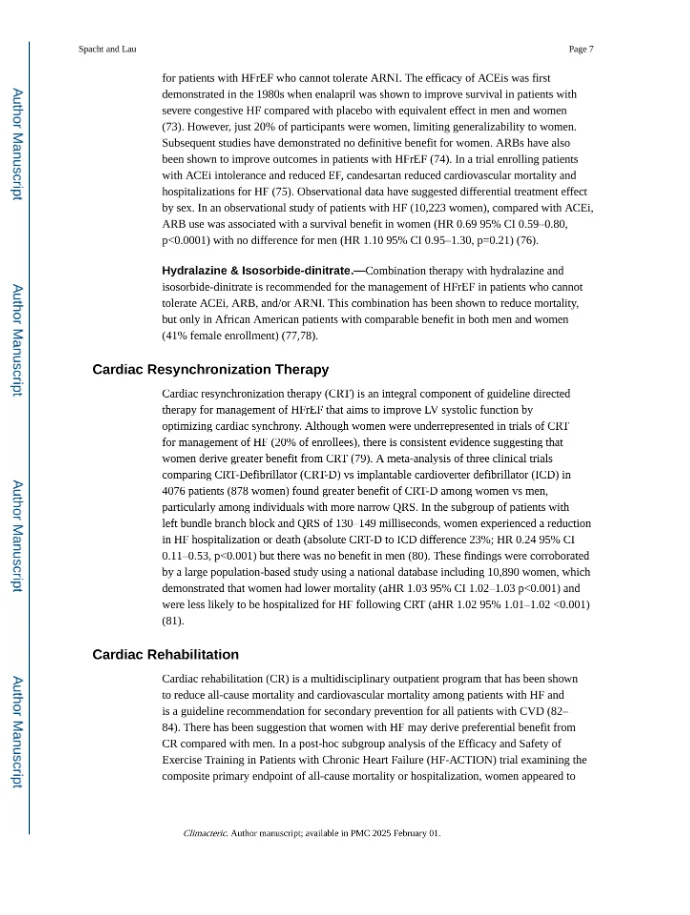
The take-home message is simple: improving outcomes in HF requires earlier recognition of female-specific risk, more equitable trial representation, and sex-informed prevention and treatment strategies.
In cardiovascular prevention, sex is not a subgroup but a a core determinant of risk and therapeutic response.”
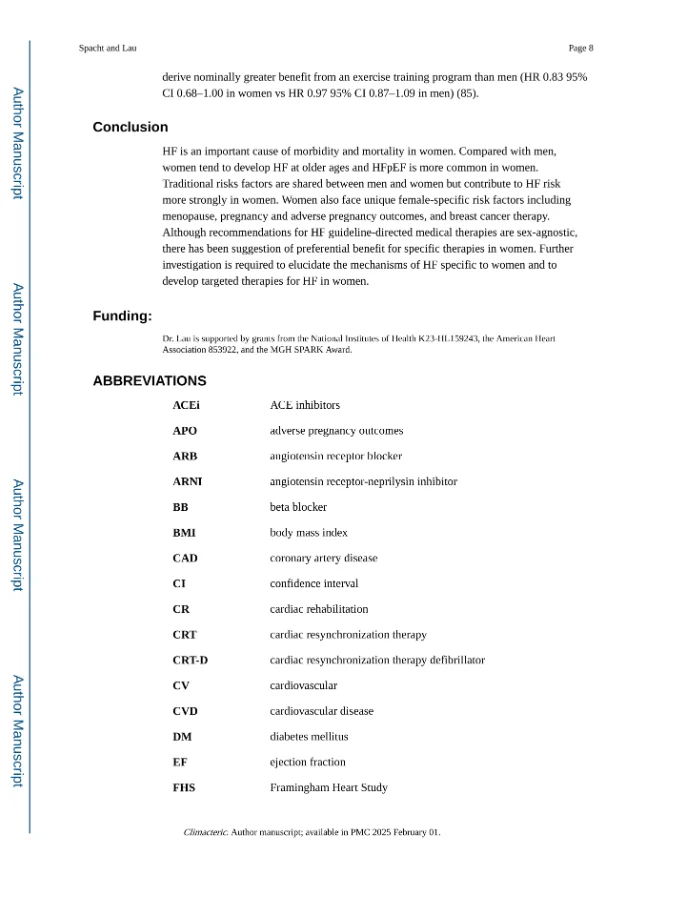
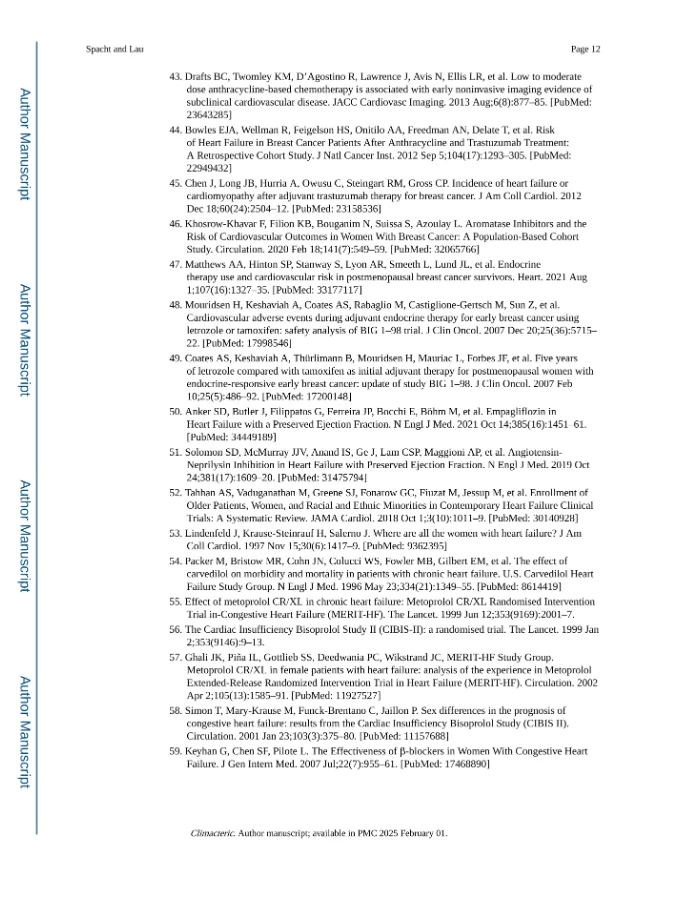
Title: A disease of her own? Unique features of heart failure in women
Authors: Wesley Alexandra Spacht, Emily Lau Lau

Stay updated on all scientific advances with Hemostasis Today.
-
Nov 17, 2026, 23:45Cajetan Reichardt: LAAO vs. OAC in AF – Balancing Nonprocedural Bleeding and Ischemic Stroke Risk
-
Nov 17, 2026, 23:42Brian Tegtmeyer: Expanding Pre-Hospital Administration of Low-Titer O Positive Whole Blood
-
Nov 17, 2026, 23:41Mansi Kala: Advancing Hematology – From Evidence to Clinical Excellence
-
Nov 17, 2026, 23:40Nathan Connell: Registered for the WFH Comprehensive Care Summit 2027 in Prague
-
Nov 17, 2026, 23:38Yaariv Khaykin: Does Reducing AF Burden After Ablation Change the Need for Anticoagulation?
-
Nov 17, 2026, 23:38Amos Gitonga Mbaabu: Strengthening Care and Advocacy for Haemophilia and SCD across Southern Africa
-
Nov 17, 2026, 23:35Muhammad Sameed Altaf: A Decade of Working Together for Thalassemia Awareness and Patient Support
-
Nov 17, 2026, 23:34Ahmed Bennis: Is Aspirin Therapy Enough for VTE Prevention After Arthroplasty?
-
Nov 17, 2026, 23:33Remi Remakanth: The Role of Transfusion Medicine in HLA Antibody Testing and Transplant Desensitization