

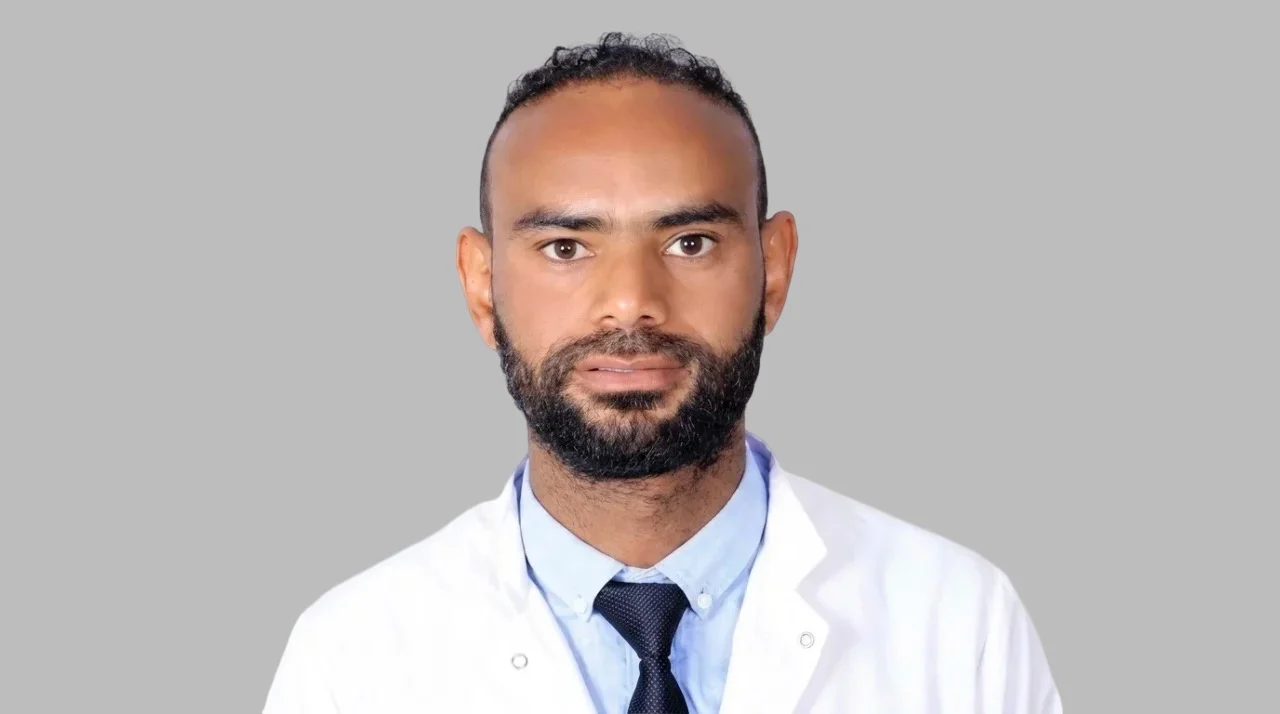
Ebrahim Umer: The Sickest Liver Patients Deserve One Language – Lessons from the Kyoto Consensus
Ebrahim Umer, Gastroenterology and Hepatology Fellow at St. Paul’s Hospital Millennium Medical College, shared a post on LinkedIn:
“The Sickest Liver Patients Deserve One Language – Lessons from the Kyoto Consensus
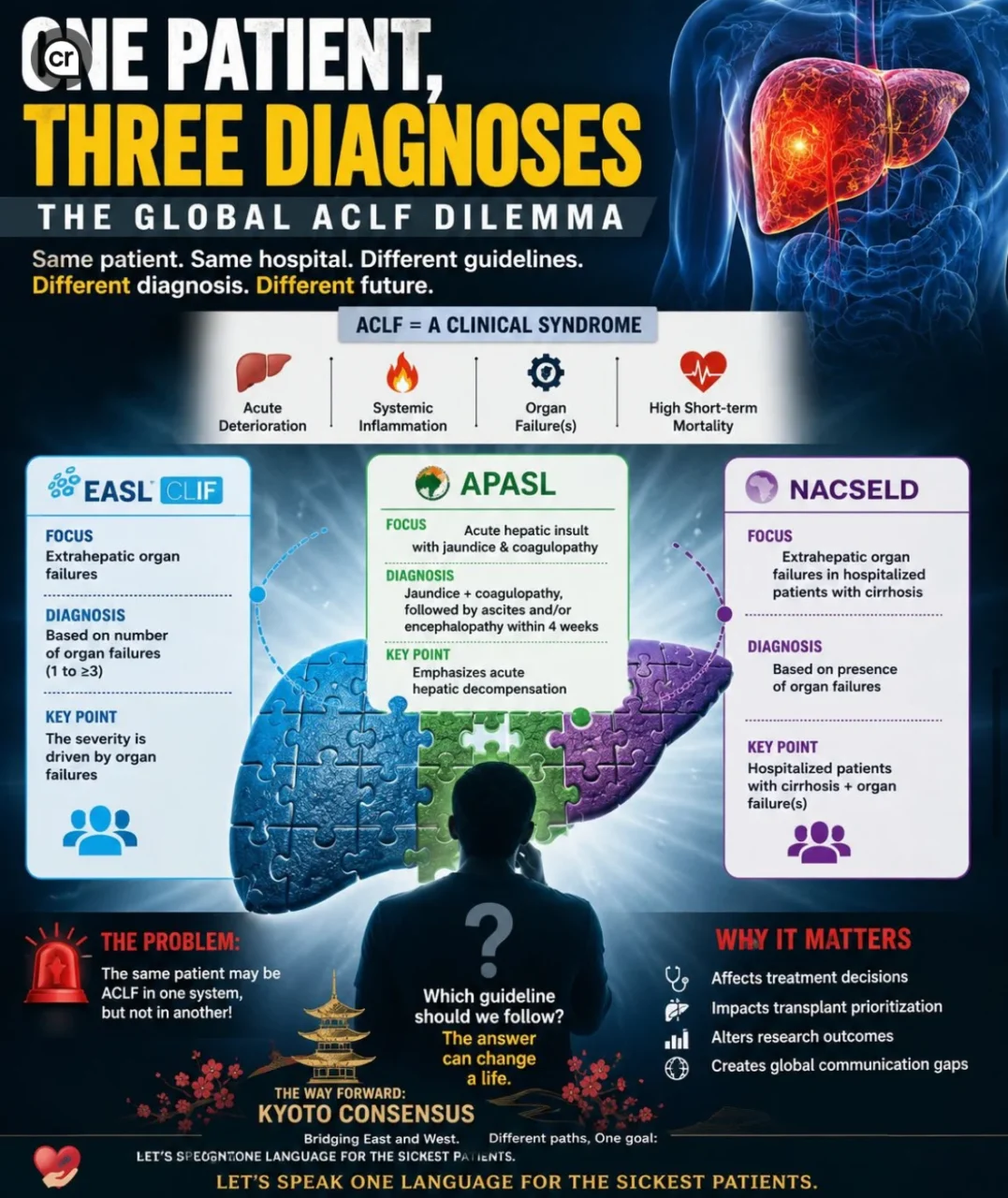
One of the most important challenges in modern hepatology is that two clinicians may look at the same patient with advanced chronic liver disease and arrive at different diagnoses of Acute-on-Chronic Liver Failure (ACLF) depending on which international criteria they follow.
The concept of ACLF has transformed our understanding of liver decompensation. It is no longer viewed simply as worsening cirrhosis, but rather as a distinct syndrome characterized by acute deterioration, systemic inflammation, organ failure, and high short-term mortality.
Yet, despite its clinical importance, a universal definition remains elusive.
Today, three major societies continue to use different diagnostic frameworks:
- EASL-CLIF focuses heavily on extrahepatic organ failures and grades ACLF according to the number of failed organs.
- APASL emphasizes acute hepatic insult leading to jaundice and coagulopathy, followed by ascites and/or encephalopathy within a defined time frame.
- NACSELD primarily evaluates extrahepatic organ failures in hospitalized patients with cirrhosis.
As a result, the same patient may be classified as ACLF by one society and not by another. This diagnostic heterogeneity affects epidemiology, clinical decision-making, transplant prioritization, research outcomes, and even communication among hepatologists worldwide.
Beyond definitions lies a human reality.
The patient in front of us is not an EASL patient, an APASL patient, or a NACSELD patient. They are a critically ill individual whose prognosis can change dramatically within days. Delayed recognition may mean missed opportunities for intensive management, liver transplantation, or life-saving interventions.
This is why ongoing international efforts toward harmonization are so important.
The emerging Kyoto Consensus represents a significant step toward bridging Eastern and Western perspectives on ACLF. Rather than focusing on differences, it seeks common ground—acknowledging the diverse pathophysiologic pathways of ACLF while moving the field closer to a globally accepted framework for diagnosis, prognostication, and management.
As hepatologists, our ultimate goal is not merely to define ACLF better, but to identify it earlier, treat it more effectively, and improve survival for some of the sickest patients we care for.”
Stay updated with Hemostasis Today.
-
Oct 19, 2026, 19:44Where You Live Should not Determine Whether You Receive Care – World Federation of Hemophilia
-
Oct 19, 2026, 19:42Belen Bianco: Prevention, Early Suspicion and an Interdisciplinary Approach Save Lives
-
Oct 19, 2026, 19:40Christina Chrysohoou: Catheter-Based LAAC vs OAC for Stroke Prevention in Atrial Fibrillation
-
Oct 19, 2026, 19:38Matthew Flick: A Two-Day Research Meeting on Fibrinogen, Hemostasis and Thrombosis
-
Oct 19, 2026, 19:37Hayat Saeed: Excited to Share Our Publication on the FGL1–Hepcidin Axis in Iron Homeostasis and Disease
-
Oct 19, 2026, 19:08IPAW 2026 Comes to a Close, but the Work Continues – PPTA
-
Oct 19, 2026, 17:44Paul Riley: Moderating a Webinar on Anticoagulation Monitoring
-
Oct 19, 2026, 16:36Christopher Pittman: Blood Clot Prevention Cannot End at Hospital Discharge
-
Oct 19, 2026, 16:13Javier M. Floren: When Immune Cells Move With Their Environment