

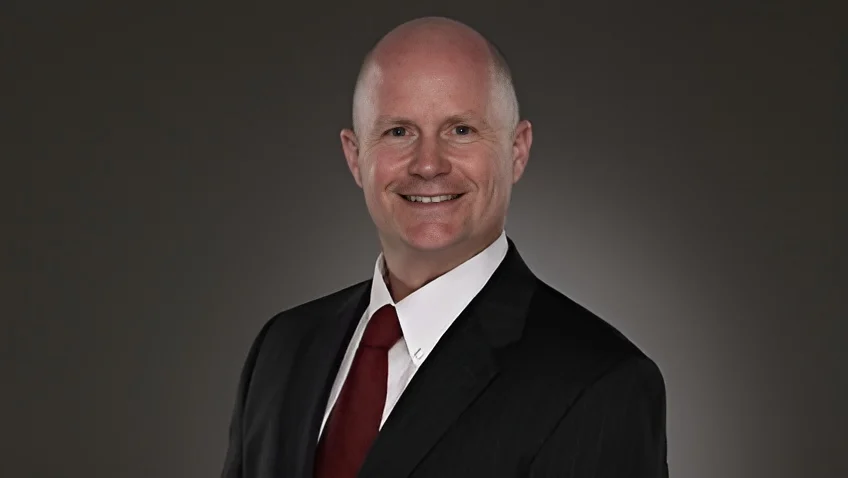
Rob Maloney: The Power of Partnership in Bleeding Disorders Care
Rob Maloney, Chief Executive Officer of Hemophilia of Georgia, shared a post on LinkedIn:
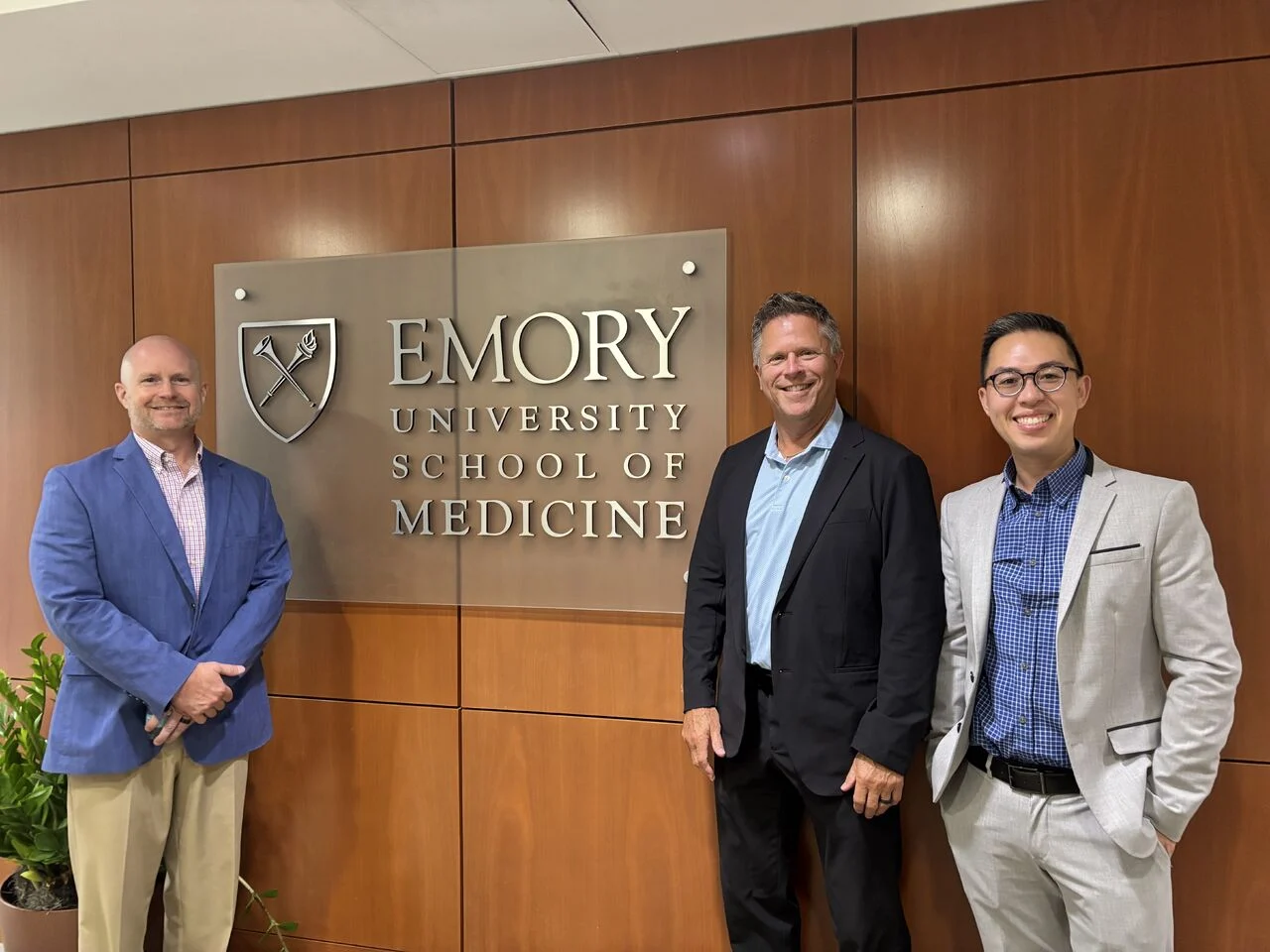
“Recently I had the honor of sitting down with Dr. Sandra Wong, Dean of Emory’s School of Medicine.
We covered a lot of ground.
How do we keep improving care for our patients with bleeding disorders?
How do we train the next generation of physicians? How do we reach families’ living hours away from specialized care?
Those aren’t small questions. But what struck me most was how naturally the conversation moved.
Because Hemophilia of Georgia and Emory have been walking alongside each other for decades, the trust was already there.
Dean Wong said something I keep coming back to. ‘When we look to improve patient care, great partnerships flourish.’
That’s it.
That’s the whole thing.
The families we serve in Atlanta and in the counties far from it deserve a system that works together on their behalf.
That’s what this partnership has always been about. And I’m grateful it has room to grow.
Thank you, Dean Wong, for your time, your vision, and your commitment to this community.
And to Ashley, who set up the meeting.
None of this starts without the people doing the quiet work behind the scenes.”
Other posts featuring Rob Maloney on Hemostasis Today.
-
Sep 20, 2026, 06:46Neeraj Songara: From Donated Blood to Engineered Therapeutics
-
Sep 20, 2026, 06:24Louise St. Germain Bannon: Improving Awareness and Care for Women Across the Lifespan
-
Sep 20, 2026, 05:17Maxime Dely: When ABO Compatibility Isn’t Enough for Safe Transfusion
-
Sep 20, 2026, 04:54William Aird: What Does a Complete History and Physical Really Mean?
-
Sep 20, 2026, 04:34Hons Saurabh Kaushik: Why Uncontrolled LDL Can Be Harmful
-
Sep 20, 2026, 03:58Salih Ehsan: The Complexities of HbF and HbA2
-
Sep 20, 2026, 03:22The Voices of People Living With Bleeding Disorders – EHC
-
Sep 20, 2026, 01:18Sebastian Mafeld: Has 2026 Changed How We Treat Pulmonary Embolism?
-
Sep 20, 2026, 01:16Pall T. Onundarson: DOACs – Monitoring, Tailoring Dose and Identifying Problems