


Sophia Delicou: Decoding Acute Pain Transfusion Reactions in Thalassemia
Sophia Delicou, Head of Thalassemia and Sickle Cell Unit, Head of the Expertise Center of Hemoglobin Diseases and Their Complications at Hippokrateio General Hospital, shared a post on LinkedIn about a recent article she and her colleagues co-authored, published in Transfusion, adding:
“I am pleased to share our new publication in Transfusion:
‘Acute pain transfusion reaction in a patient with thalassemia: In-depth characterization of short- and long-term phenotypes.’
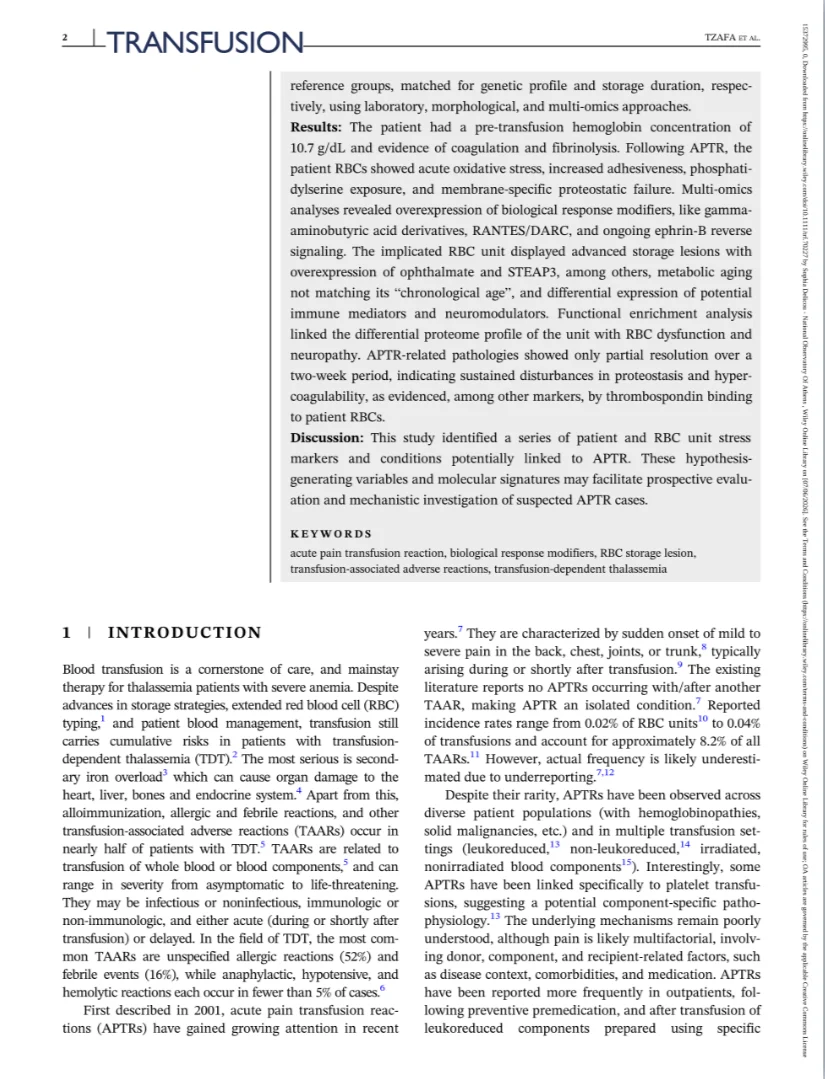
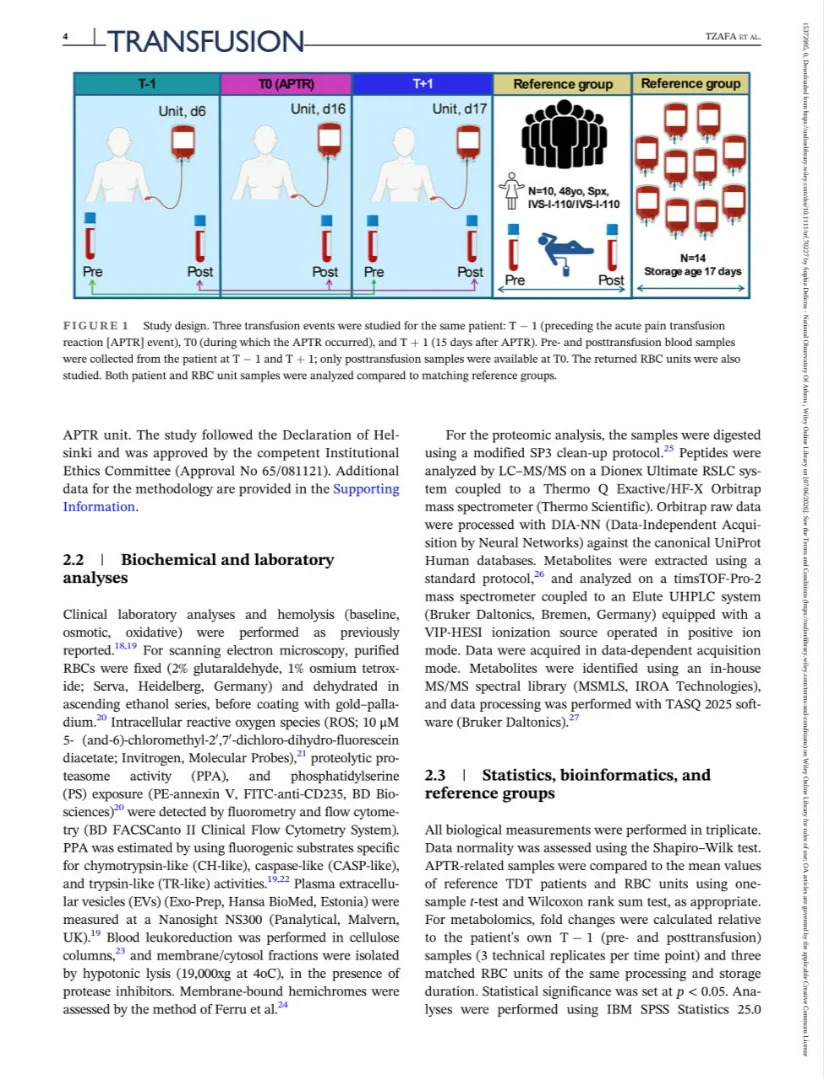
In this study, we report and extensively characterize a rare and under-recognized transfusion-associated adverse reaction: acute pain transfusion reaction (APTR), occurring in an adult patient with transfusion-dependent thalassemia.
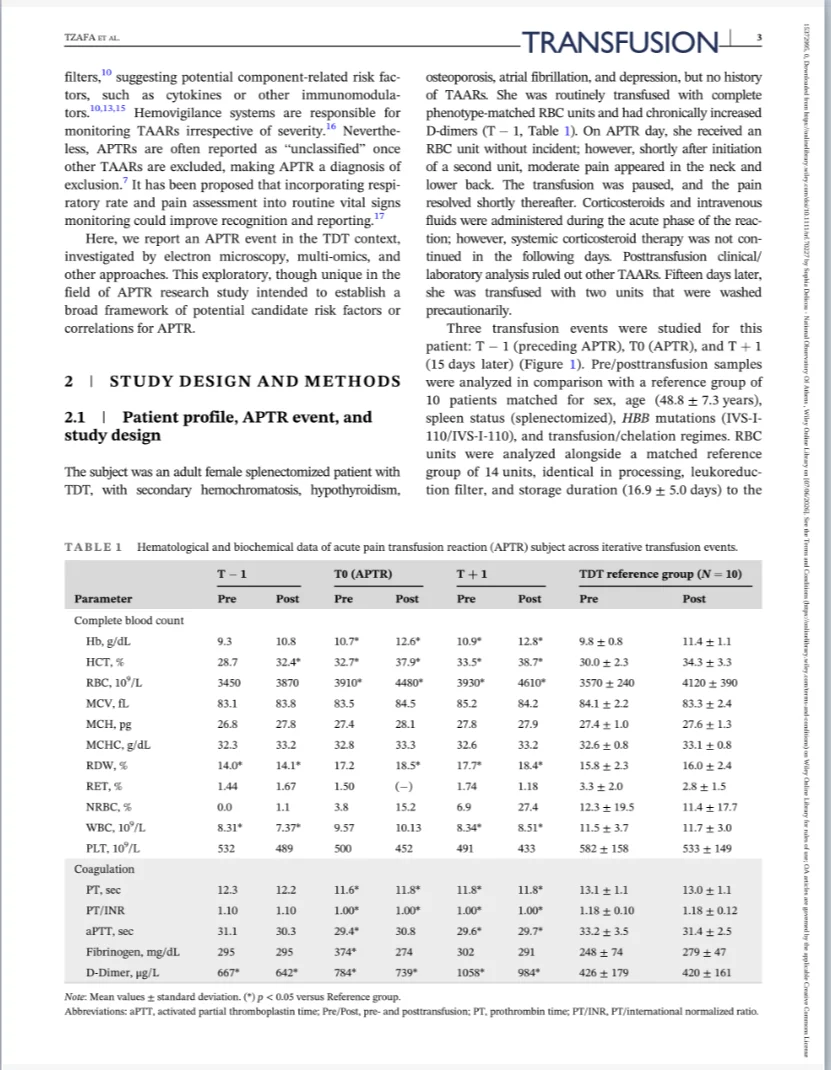
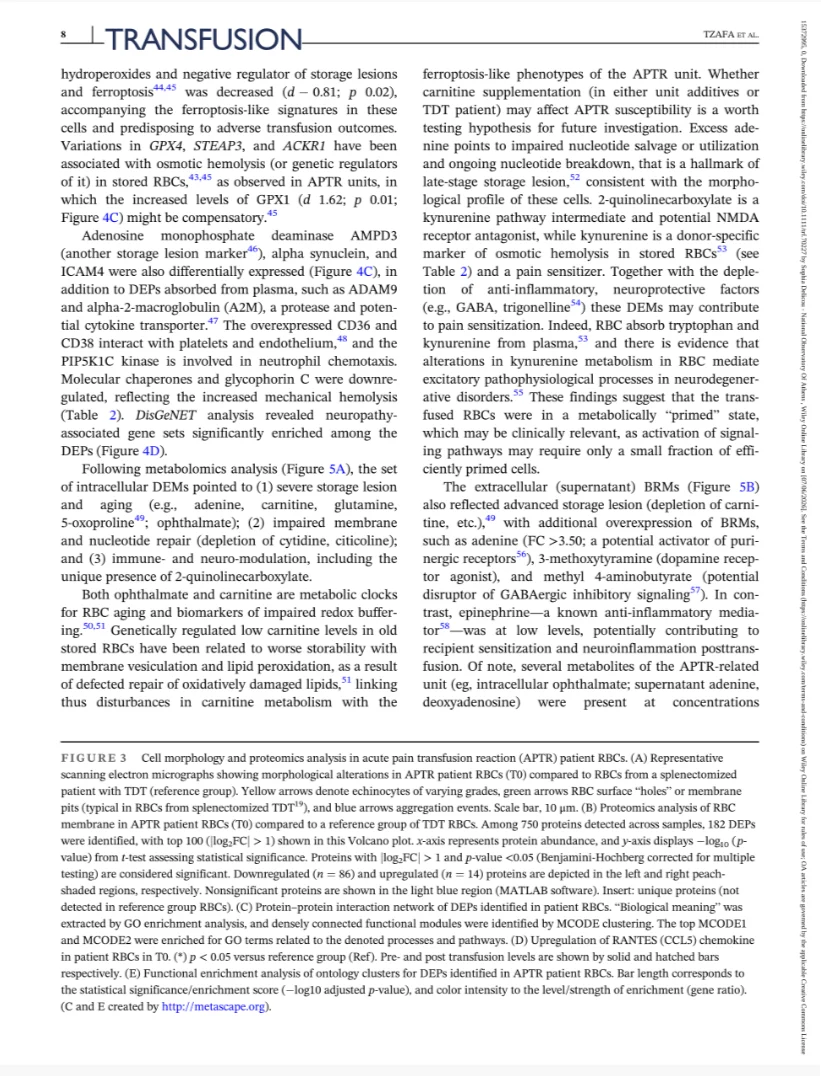
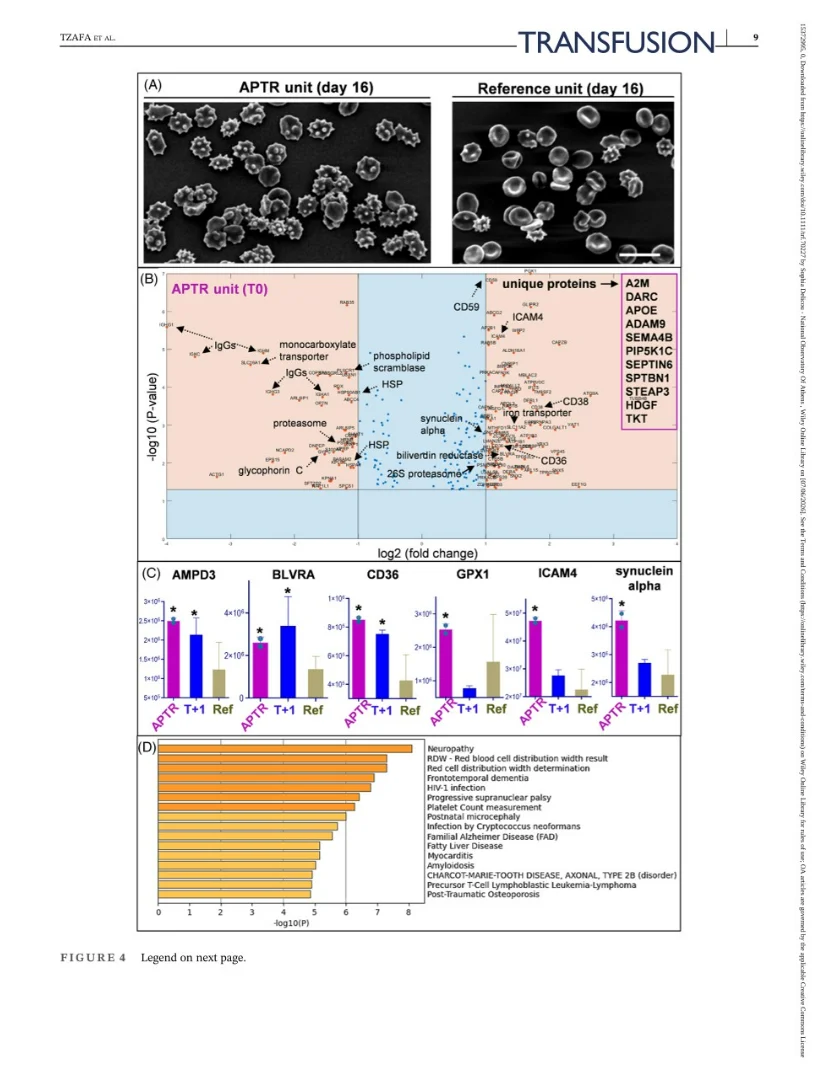
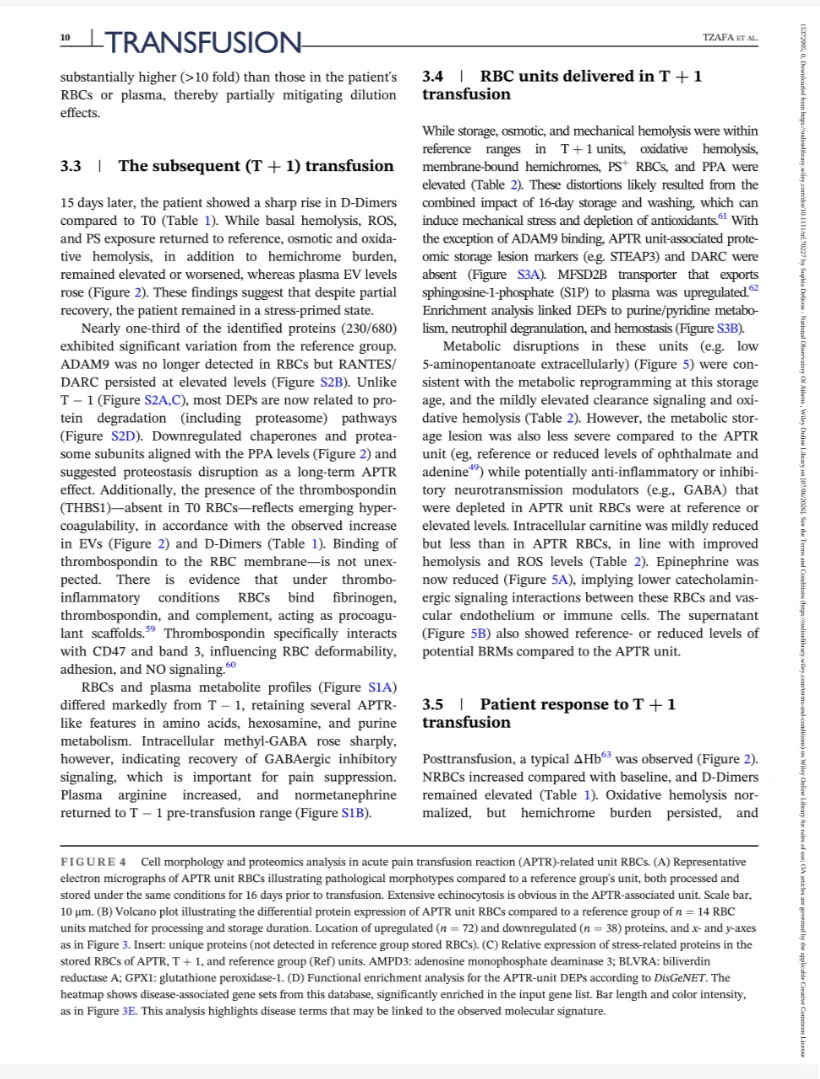
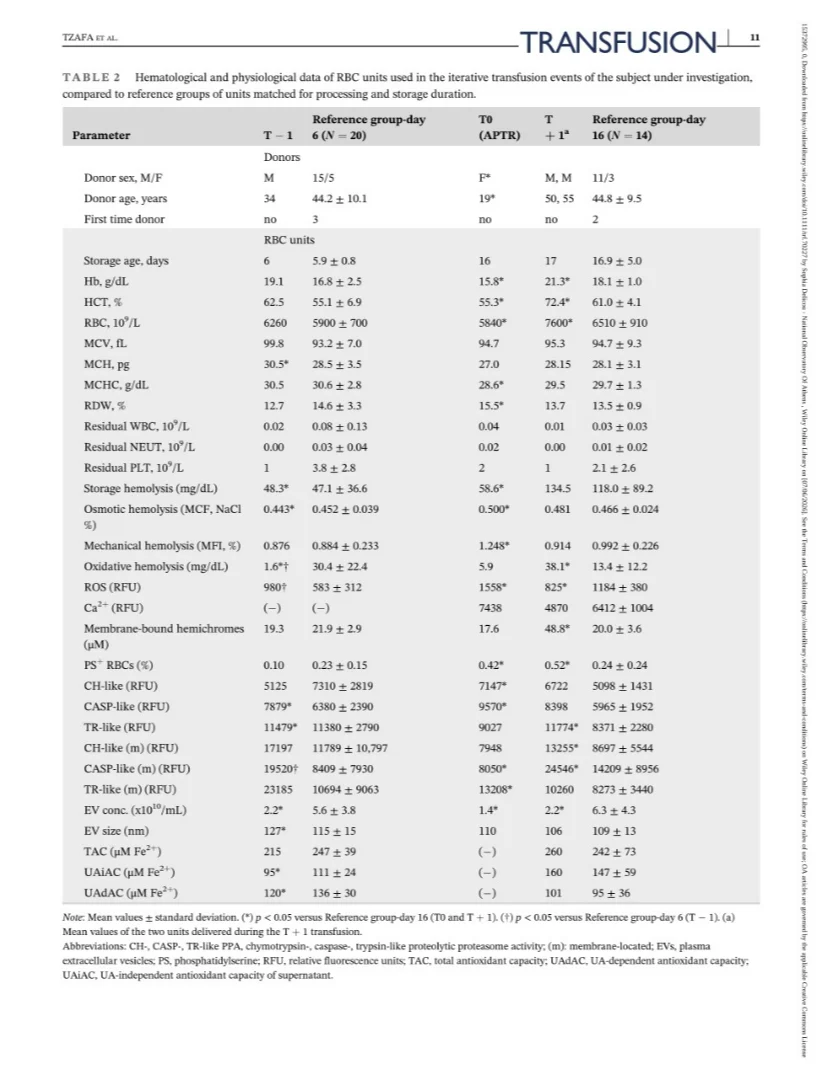
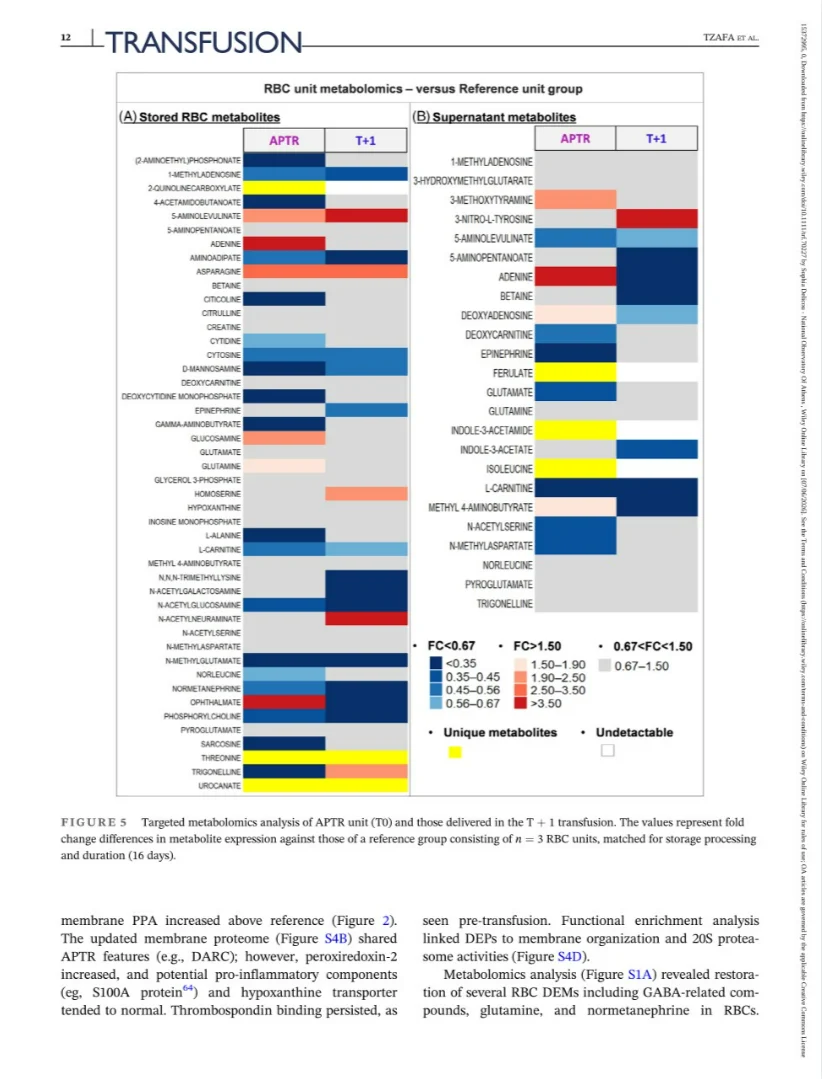
Using an integrated approach that included laboratory, morphological, proteomic, and metabolomic analyses, we investigated both patient-derived samples and the implicated red blood cell unit, as well as preceding and subsequent transfusion events.
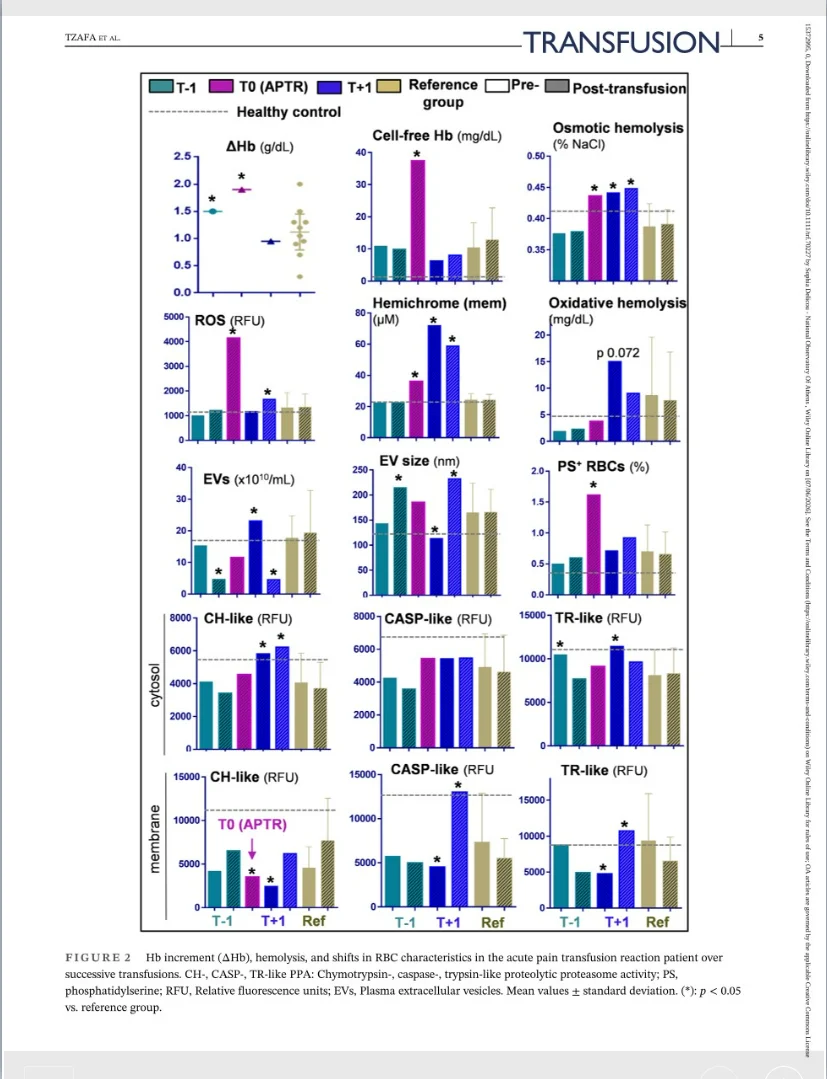
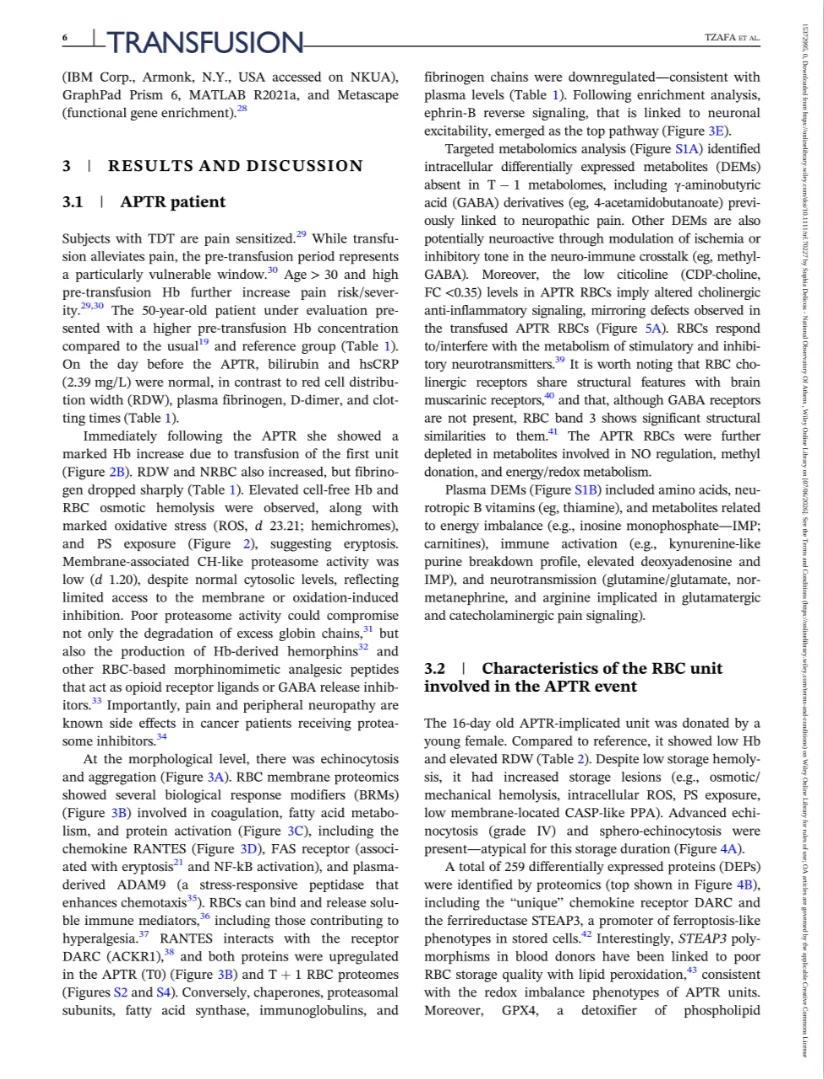
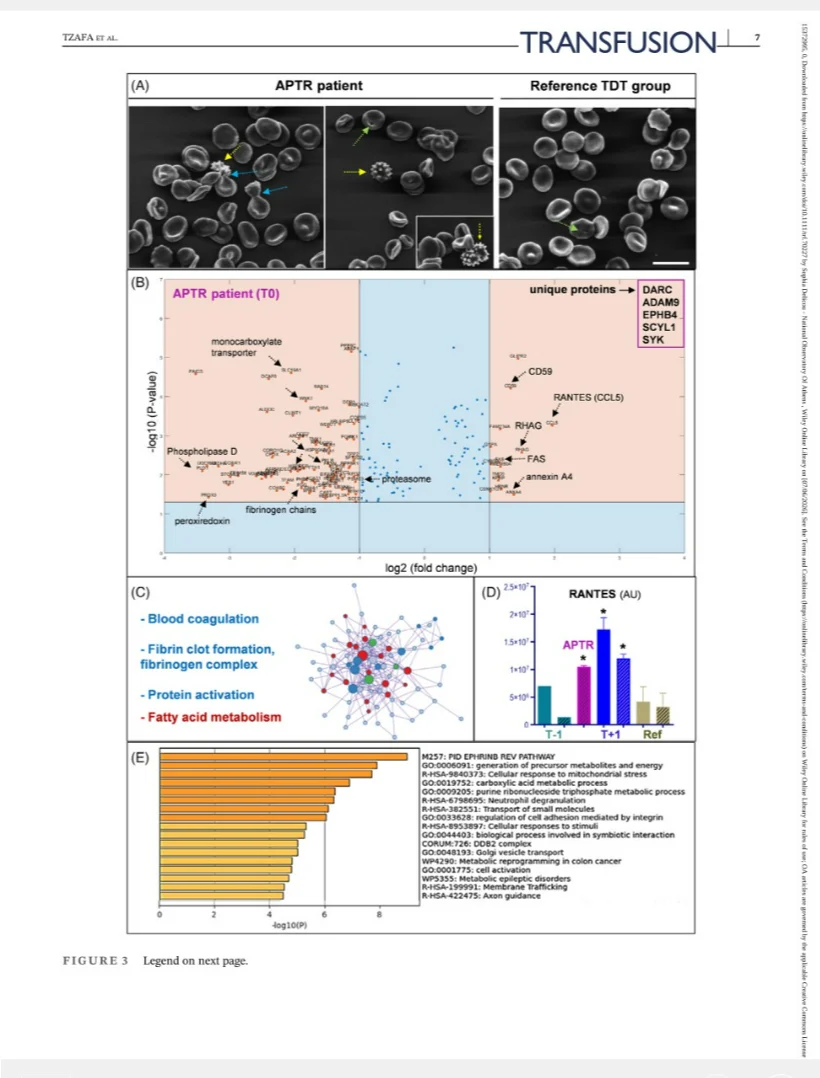
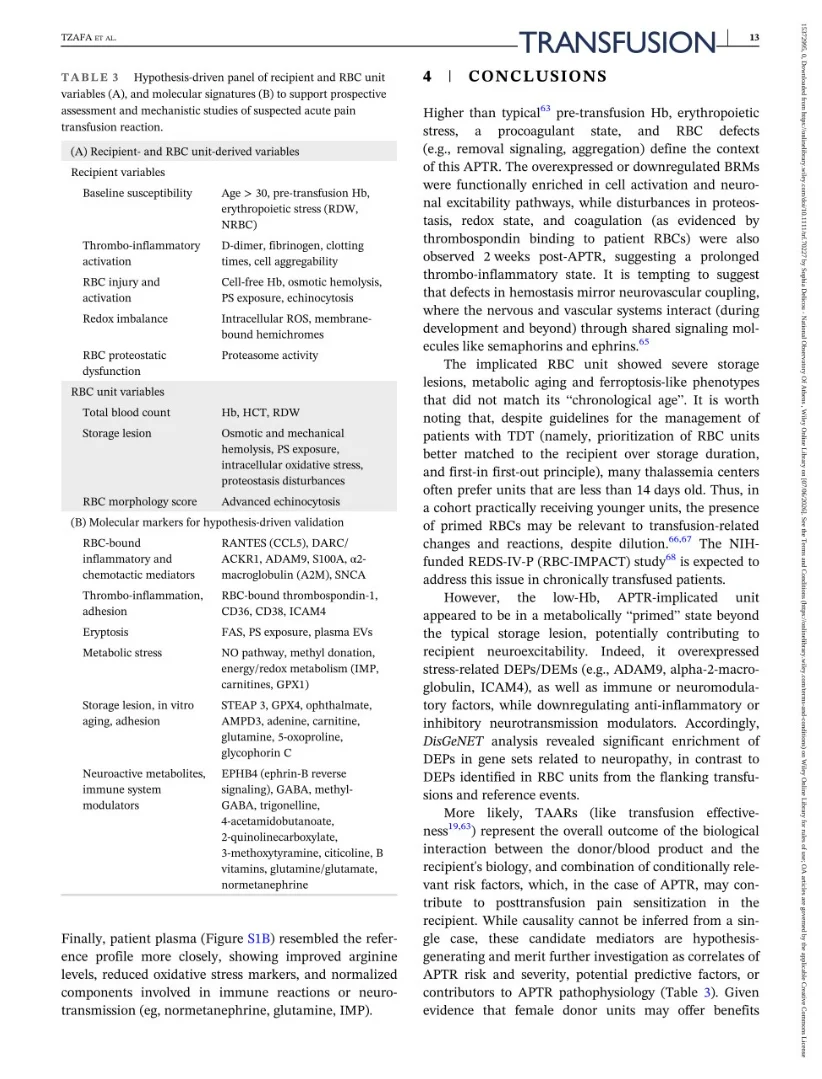
Our findings highlight a complex relationship between recipient-related factors and red blood cell unit characteristics, including oxidative stress, red cell membrane alterations, proteostatic disruption, coagulation-related changes, and molecular signatures potentially linked to immune modulation and pain signaling.
Importantly, some APTR-associated disturbances appeared to persist beyond the acute event, suggesting a more sustained thrombo-inflammatory and red cell stress phenotype.
Although APTR remains a diagnosis of exclusion and its mechanisms are still poorly understood, this work provides hypothesis-generating data and potential molecular markers that may support future prospective studies and improve recognition of suspected APTR cases in transfusion practice.
Grateful to all collaborators for their valuable contribution to this multidisciplinary effort.”
Title: Acute pain transfusion reaction in a patient with thalassemia: In-depth characterization of short- and long-term phenotypes
Authors: Georgia Tzafa, Sophia Delicou, Ioanna Barla, Konstantina Theocharaki, Aggeliki Kondi, Athanassios D. Velentzas, Nikolaos Simantiris, Elli-Anna Stylianaki, George Mpekoulis, Efthymia Pavlou, Niki Vassilaki, Ioannis V. Kostopoulos, Aikaterini Xydaki, Efrosyni Nomikou, Ioanna-Katerina Aggeli, Nikolaos Thomaidis, Evangelos Gikas, Martina Samiotaki, Jerome Zoidakis, Constantina Politis, Marianna H. Antonelou
Stay updated on all scientific advances with Hemostasis Today.
-
Nov 17, 2026, 15:26Hereditary Hemorrhagic Telangiectasia: The Molecular Connection Between Vascular Malformations and Bleeding
-
Nov 17, 2026, 14:54Cindy Neunert: Beyond Platelet Counts – Addressing Fatigue and Whole-Person Care in ITP
-
Nov 17, 2026, 14:44Strengthening Haemophilia Diagnosis Through Hands-On Laboratory Training – IAHAD
-
Nov 17, 2026, 14:40Platelet Membrane Protrusions Beyond Their Role in Hemostasis – JTH
-
Nov 17, 2026, 14:10Wolfgang Miesbach: Aspirin vs Anticoagulants – Who Needs More Than Aspirin?
-
Nov 17, 2026, 14:08Chaza Alaji: Soluble Transferrin Receptor – A Key to Uncovering Hidden Iron Deficiency
-
Nov 17, 2026, 14:03Shadi Tabibian: Fibrinogen – From Molecular Structure to Clinical Decision Making
-
Nov 17, 2026, 13:54Gabrielle Sarlon: Breaking the Silence on Menstrual Bleeding During Anticoagulant Therapy
-
Nov 17, 2026, 13:47Ksenia Guznova Kats: Advanced Venous Stenting in May–Thurner Syndrome