

Rasha Mohamed Abd El Fattah: Pathophysiology and Modern Treatment of Ischemic Stroke
Rasha Mohamed Abd El Fattah, Assistant Professor at Sohag University, shared a post on LinkedIn:
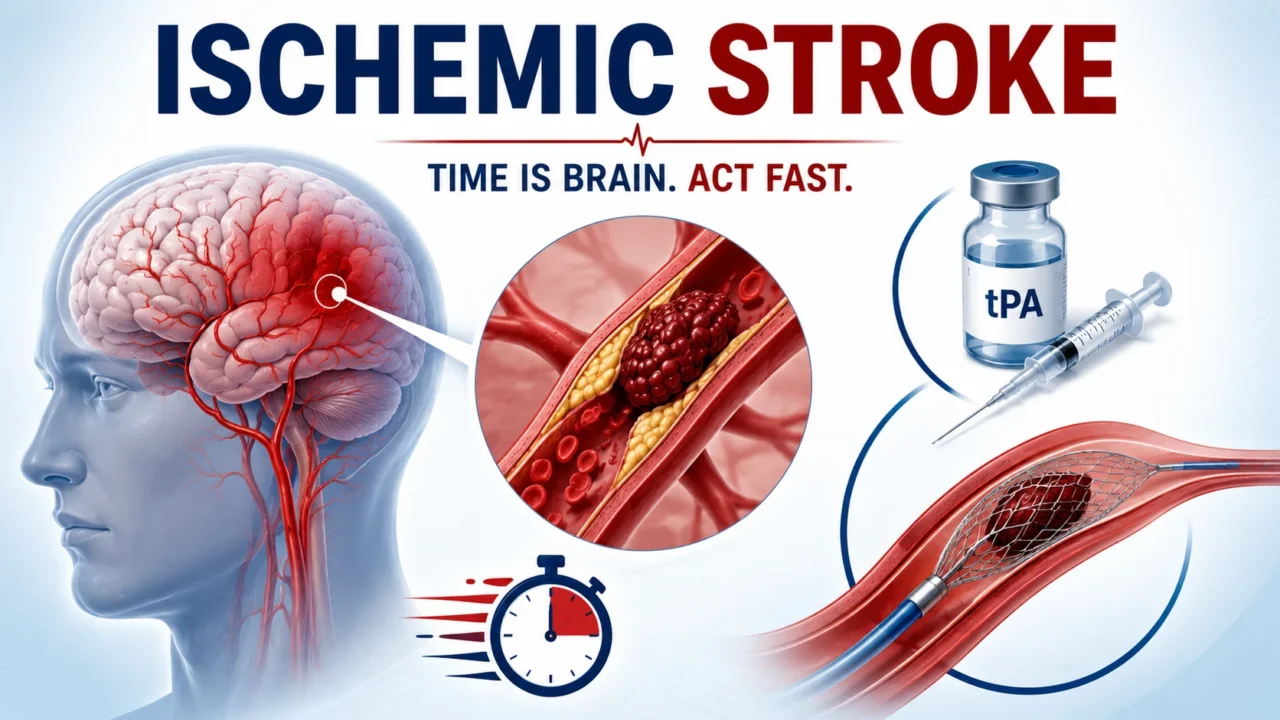
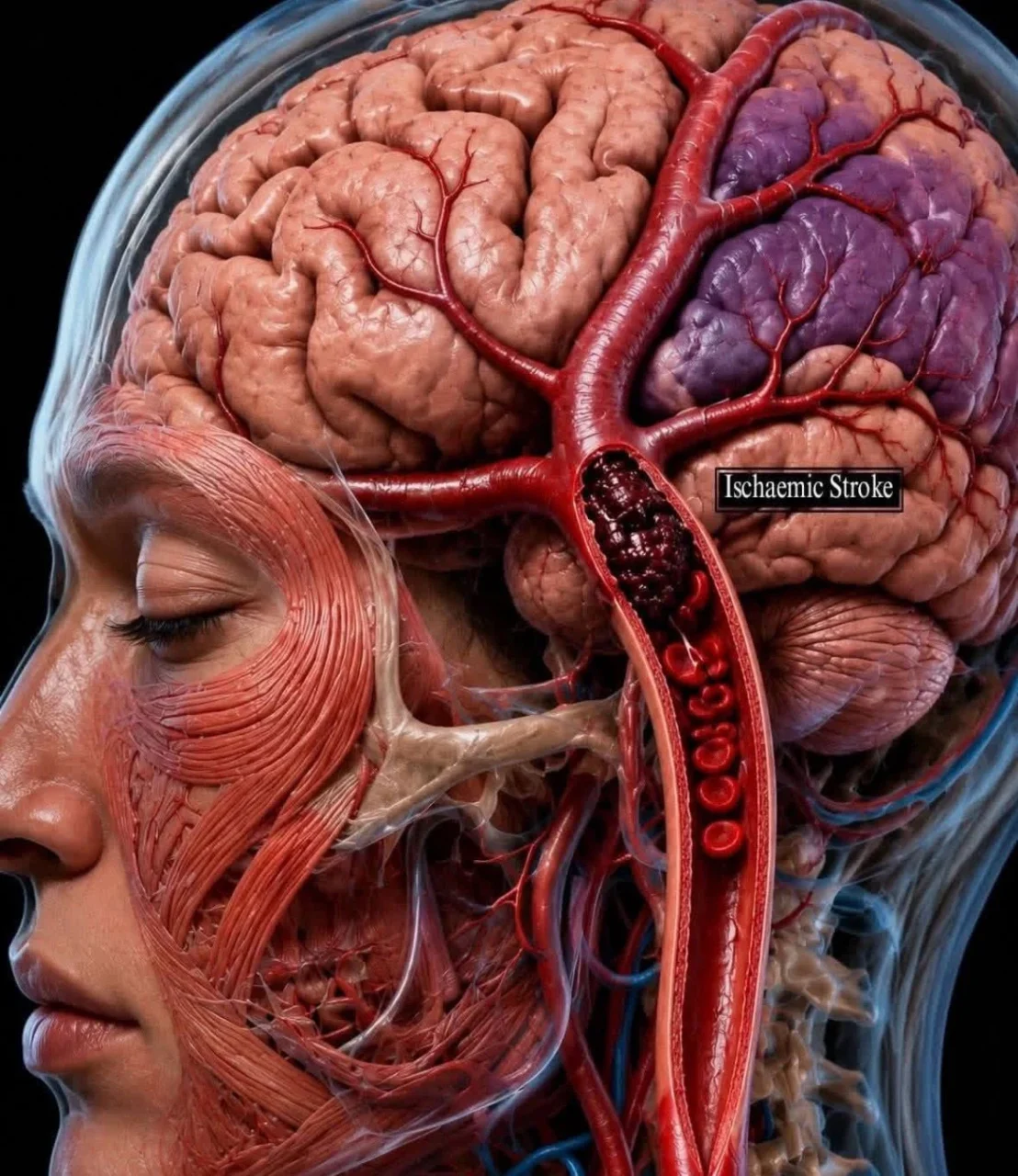
”The main cause of ischemic stroke is atherosclerosis, or fatty deposits (plaque) that line the vessel walls.
Fatty deposits can cause two types of obstruction: Cerebral thrombosis is a thrombus (blood clot) that develops at the site of fatty plaque within a blood vessel that supplies blood to the brain.
Cerebral embolism is a blood clot that forms in the heart or large arteries of the upper chest or neck, or at another location in the circulatory system.
Part of the blood clot breaks loose, enters the bloodstream and travels through the brain’s blood vessels until it reaches vessels too small to let it pass.
A main cause of embolism is an irregular heartbeat called atrial fibrillation. It can cause clots to form in the heart, dislodge and travel to the brain Medical Therapies: Alteplase (also known as tissue plasminogen activator) and tenecteplase (also known as TNK) are FDA-approved drug treatments for ischemic strokes.
Alteplase and tenecteplase work by dissolving the clot and improving blood flow to the part of the brain being deprived of blood flow. If administered within 4.5 hours alteplase or tenecteplase may improve the changes of recovering from a stroke.
Many people don’t arrive at the hospital in time to receive the medication, which can save lives and reduce long-term effects of stroke. So it’s important to identify stroke and seek treatment immediately Mechanical Treatment to Remove the Clot: A mechanical thrombectomy removes a clot in eligible patients with a large vessel occlusion, or LVO. In this procedure, doctors use a wire-cage device called a stent retriever.
They thread a catheter through an artery in the groin up to the blocked artery in the brain. The stent opens and grabs the clot. Special suction tubes may also remove the clot.”
Stay updated with Hemostasis Today.
-
Sep 22, 2026, 09:18Shamee Shastry: How Transfusion Medicine Research Is Evolving in India
-
Sep 22, 2026, 09:11Tarique Shahzad Chachar: Why Warfarin Remains the Gold Standard for Mechanical Heart Valves
-
Sep 22, 2026, 09:04Bianca Rocca: Thromboinflammatory Injury in Ischemic Limb Necrosis During Severe Shock
-
Sep 22, 2026, 09:01Ash Paul: Comparing Left Atrial Appendage Occlusion and Oral Anticoagulation
-
Sep 22, 2026, 08:50Emily Horner: Lipoprotein(a) Links Oxidized Phospholipids to Platelet Hyperactivity
-
Sep 22, 2026, 08:42Sally Mandour: Bone Marrow Needle Gauge Explained
-
Sep 22, 2026, 08:39Alessandro Sionis: Navigating Anticoagulation in Mechanical Circulatory Support
-
Sep 22, 2026, 08:28Raghavendra Rao: The Latest Research on Varicose Veins
-
Sep 22, 2026, 08:23Aravind Palraj: Three Essential Tests in Antiphospholipid Syndrome