

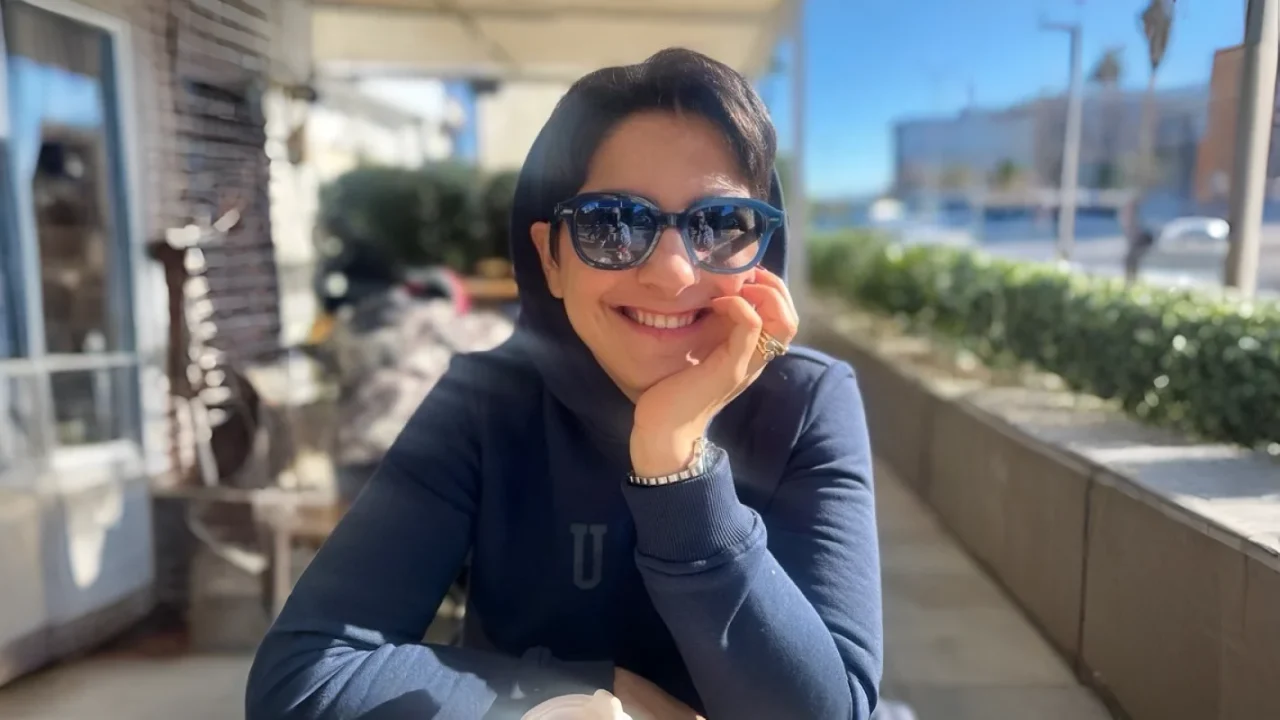
Shadi Tabibian: Improving Outcomes Through Accurate VWD Subclassification
Shadi Tabibian, Deputy of research at Blood Diseases Research Centers in Iran University of Medical Sciences, shared a post on LinkedIn:
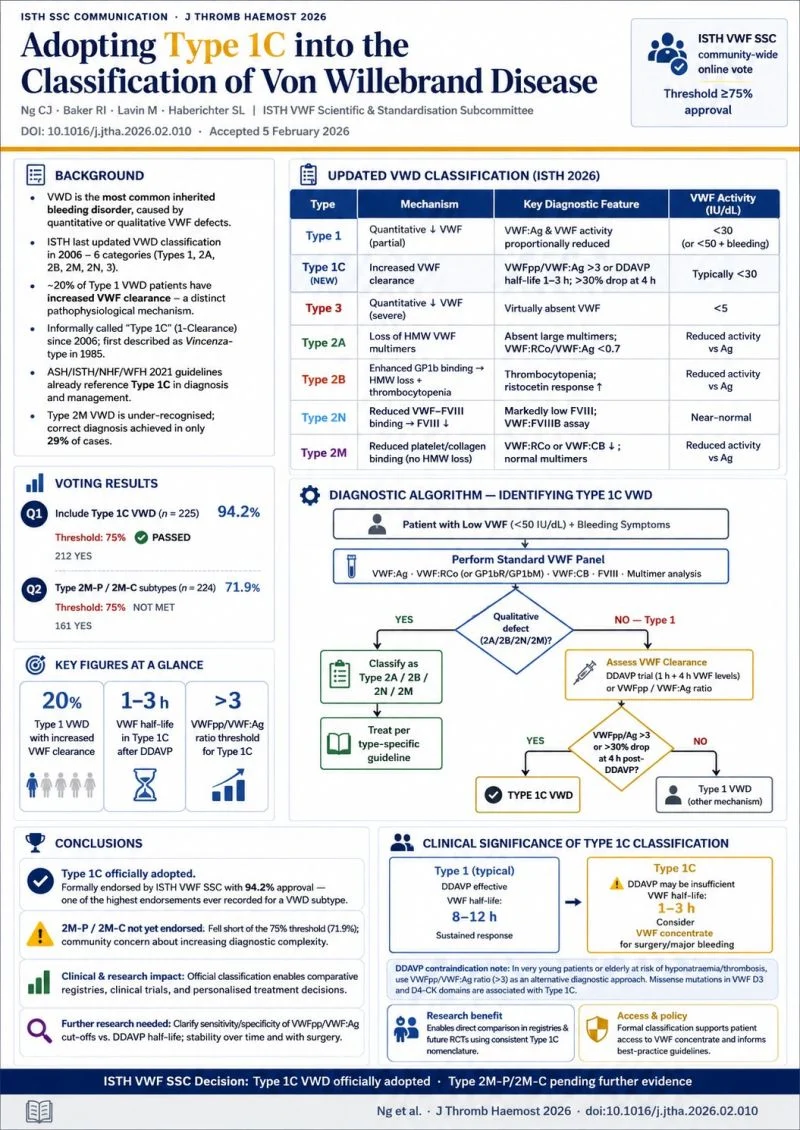
“Type 1C von Willebrand disease has now been formally incorporated into the updated VWD classification following strong endorsement by the ISTH VWF SSC.
This important step recognizes increased VWF clearance as a distinct pathophysiological mechanism and may improve diagnostic precision, treatment selection, clinical research, and patient access to appropriate therapies.
Key clinical implications include:
- VWF half-life of approximately 1–3 hours after DDAVP
- VWFpp/VWF: Ag ratio greater than 3 as a supportive diagnostic marker
- Potentially inadequate or short-lived response to DDAVP
- Consideration of VWF concentrate for major bleeding or surgery
A standardized Type 1C classification provides a clearer framework for diagnosis, registries, clinical trials, and personalized management of patients with von Willebrand disease.”
Other posts featuring Shadi Tabibian on Hemostasis Today.
-
Nov 17, 2026, 15:26Hereditary Hemorrhagic Telangiectasia: The Molecular Connection Between Vascular Malformations and Bleeding
-
Nov 17, 2026, 14:54Cindy Neunert: Beyond Platelet Counts – Addressing Fatigue and Whole-Person Care in ITP
-
Nov 17, 2026, 14:44Strengthening Haemophilia Diagnosis Through Hands-On Laboratory Training – IAHAD
-
Nov 17, 2026, 14:40Platelet Membrane Protrusions Beyond Their Role in Hemostasis – JTH
-
Nov 17, 2026, 14:10Wolfgang Miesbach: Aspirin vs Anticoagulants – Who Needs More Than Aspirin?
-
Nov 17, 2026, 14:08Chaza Alaji: Soluble Transferrin Receptor – A Key to Uncovering Hidden Iron Deficiency
-
Nov 17, 2026, 14:03Shadi Tabibian: Fibrinogen – From Molecular Structure to Clinical Decision Making
-
Nov 17, 2026, 13:54Gabrielle Sarlon: Breaking the Silence on Menstrual Bleeding During Anticoagulant Therapy
-
Nov 17, 2026, 13:47Ksenia Guznova Kats: Advanced Venous Stenting in May–Thurner Syndrome