

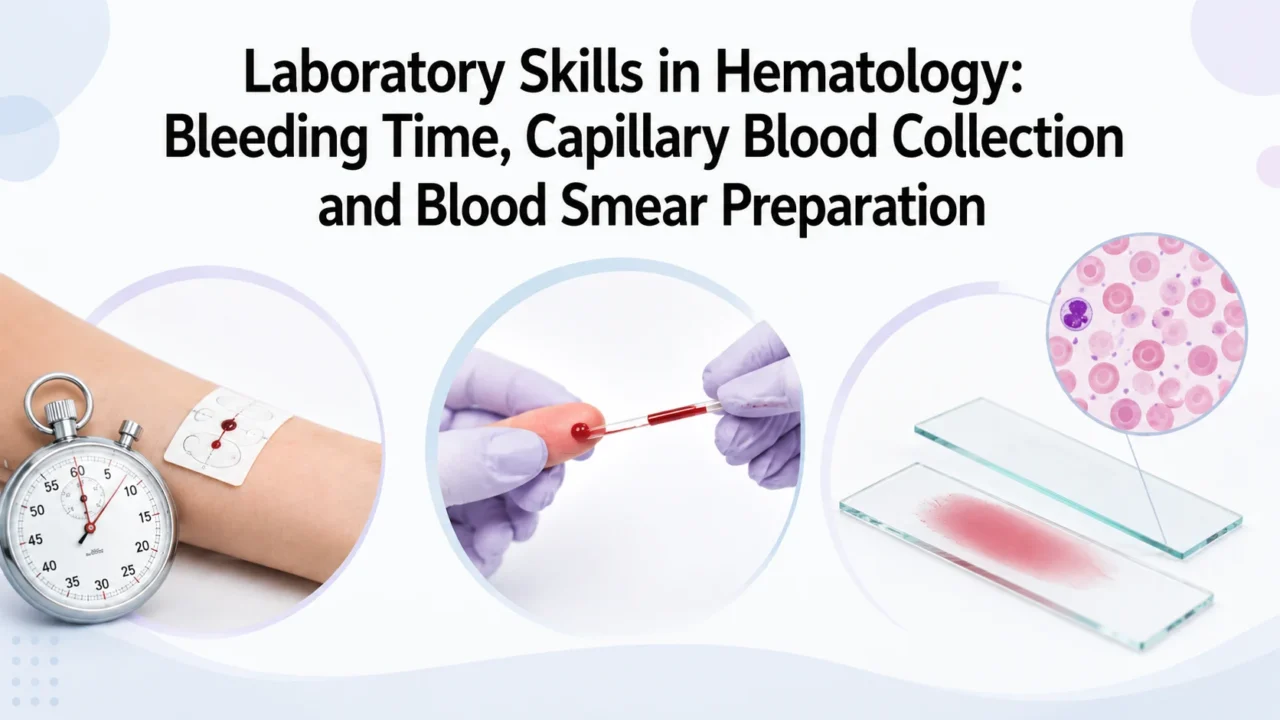
Khusboo Kumari: Laboratory Skills in Hematology
Khusboo Kumari, Biotechnology Student at Rapture Biotech International Pvt Ltd Sharda University, shared a post on LinkedIn:
“Laboratory Skills in Hematology: Bleeding Time, Capillary Blood Collection and Blood Smear Preparation
As part of my practical training in hematology, I performed three important diagnostic procedures that are widely used for evaluating blood characteristics and hemostatic function.
1. Bleeding Time (BT) Test
Aim: To assess platelet function and the ability of blood vessels to constrict after injury.
Protocol:
- Clean the fingertip with 70% alcohol and allow it to dry.
- Prick the finger using a sterile lancet.
- Start the stopwatch immediately.
- Blot the blood drop every 30 seconds using filter paper without touching the wound.
- Record the time when bleeding completely stops.
Observation:
- Normal Bleeding Time: 2–7 minutes
- Prolonged BT may indicate platelet disorders, thrombocytopenia, or vascular abnormalities.
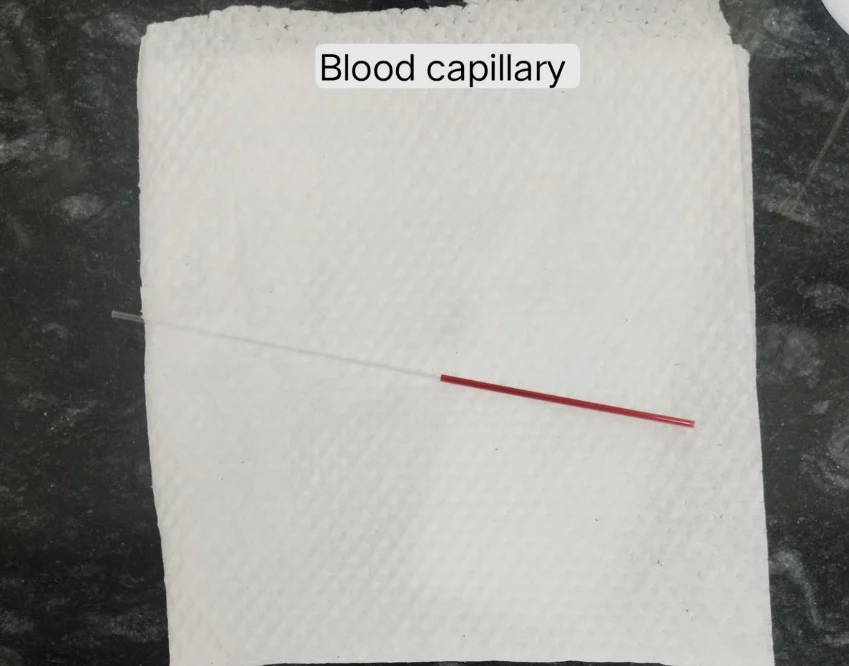
2. Capillary Blood Collection
Aim: To obtain a small blood sample for hematological analysis.
Protocol:
- Disinfect the fingertip with alcohol.
- Use a sterile lancet for puncture.
- Wipe away the first drop of blood.
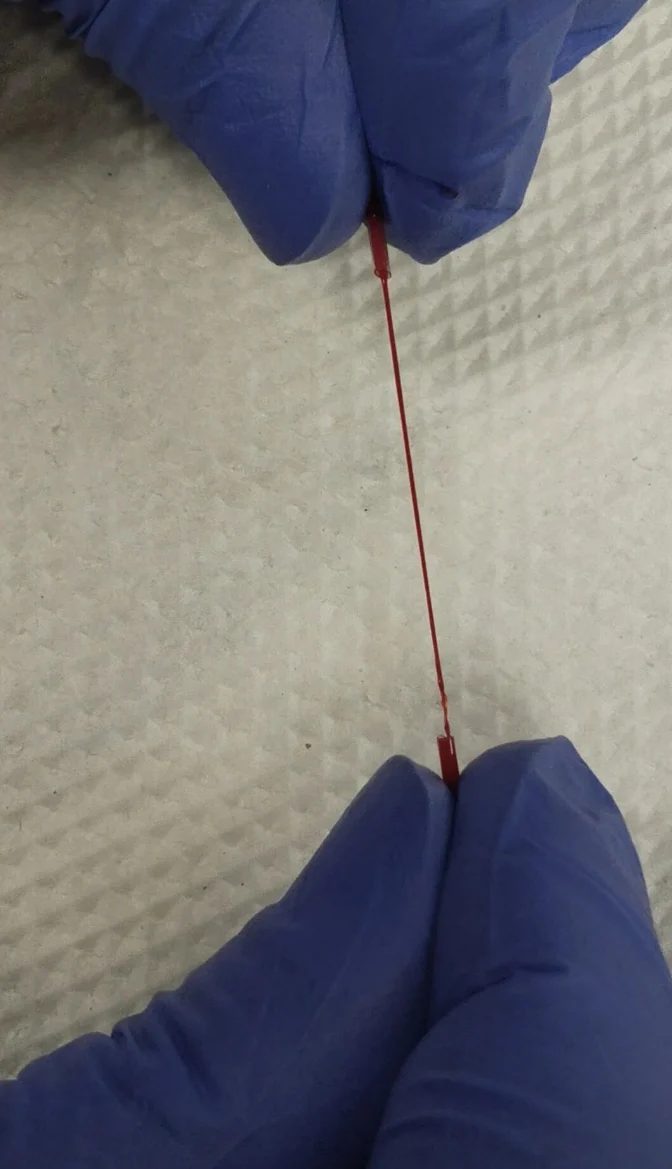
- Collect subsequent drops in capillary tubes or on microscope slides.
- Apply pressure with sterile cotton after collection.
Applications:
- Hemoglobin estimation
- Blood grouping
- Blood glucose testing
- Peripheral smear preparation
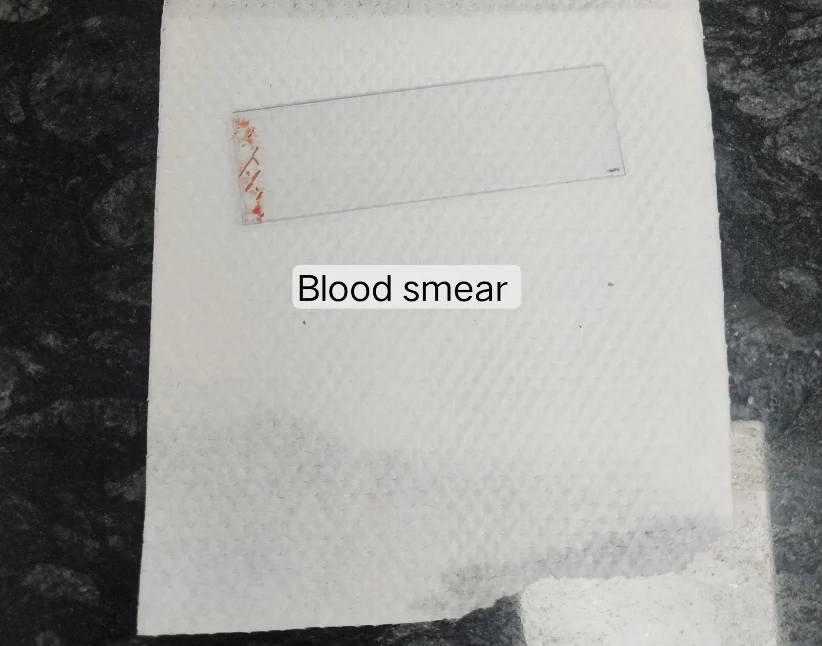
3. Peripheral Blood Smear Preparation
Aim: To study the morphology of blood cells under a microscope.
Protocol:
- Place a small drop of blood near one end of a clean slide.
- Hold a spreader slide at a 30–45° angle.
- Pull the spreader back to touch the blood drop.
- Allow blood to spread along the edge and push forward smoothly.
- Air dry the smear.
- Stain using Leishman, Wright, or Giemsa stain.
- Observe under a microscope.
Observations:
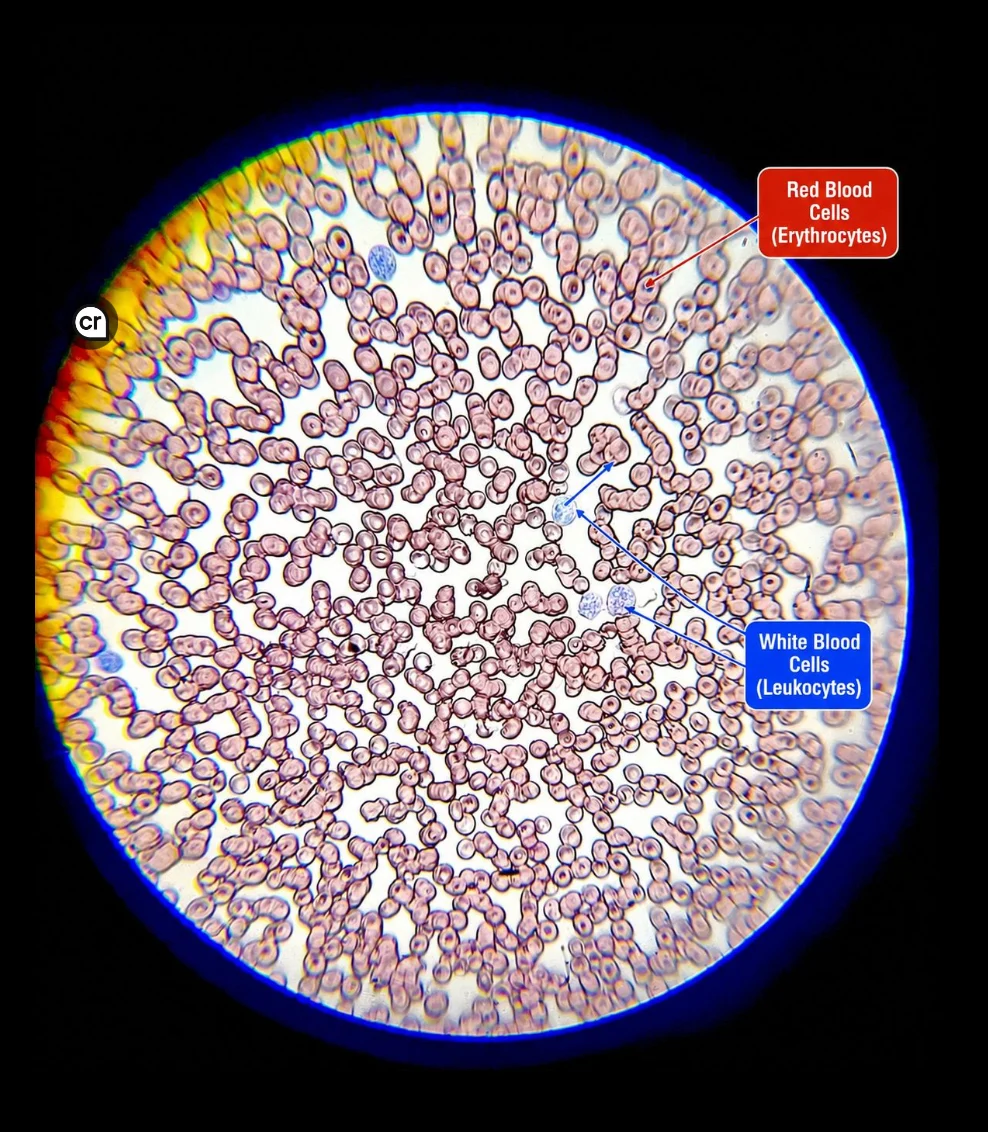
- Red Blood Cells (RBCs)
- White Blood Cells (WBCs)
Platelets
Cell morphology and abnormalities
Key Learning Outcomes
- Understanding primary hemostasis and platelet function
- Safe collection of capillary blood samples
- Development of blood smear preparation techniques
- Identification of different blood cell types under microscopic examination
Importance of proper sample handling for accurate diagnostic results
These fundamental hematology techniques play a crucial role in clinical diagnostics, disease screening, and patient care, providing valuable insights into blood health and overall physiological status.”
Stay updated with Hemostasis Today.
-
Sep 29, 2026, 19:00Caitlin Raymond: Can Artificial Blood Solve Blood Supply Shortages?
-
Sep 29, 2026, 18:51Chaza Alaji: Dyslipidemia, Thrombosis and the DIC Diagnostic Trap
-
Sep 29, 2026, 17:31Rajnikant Patel: Bridging Ayurvedic Concepts and Modern Toxin-Mediated Disease
-
Sep 29, 2026, 17:13Nicholas Lang։ A Meaningful Case of Immune Thrombocytopenia
-
Sep 29, 2026, 16:55Ayatullah Gamal Wahab: When the CBC Lies
-
Sep 29, 2026, 16:35Jonathan Douxfils: Navigating the VTE Risk Continuum in Reproductive Medicine
-
Sep 29, 2026, 16:35Chaima Rajeh: Types of Anemia and Their Laboratory Features
-
Sep 29, 2026, 16:27Scott Isaacs: How GLP-1 RAs Target Systemic Inflammation to Drive Cardio, Autoimmune, and Gut Health
-
Sep 29, 2026, 16:21Yitshak Kreiss: From Treating Patients to Defining the Standard of Knowledge