

Ryan O’Keefe: Diagnostic Insights Into High-Risk Myelodysplastic Syndrome
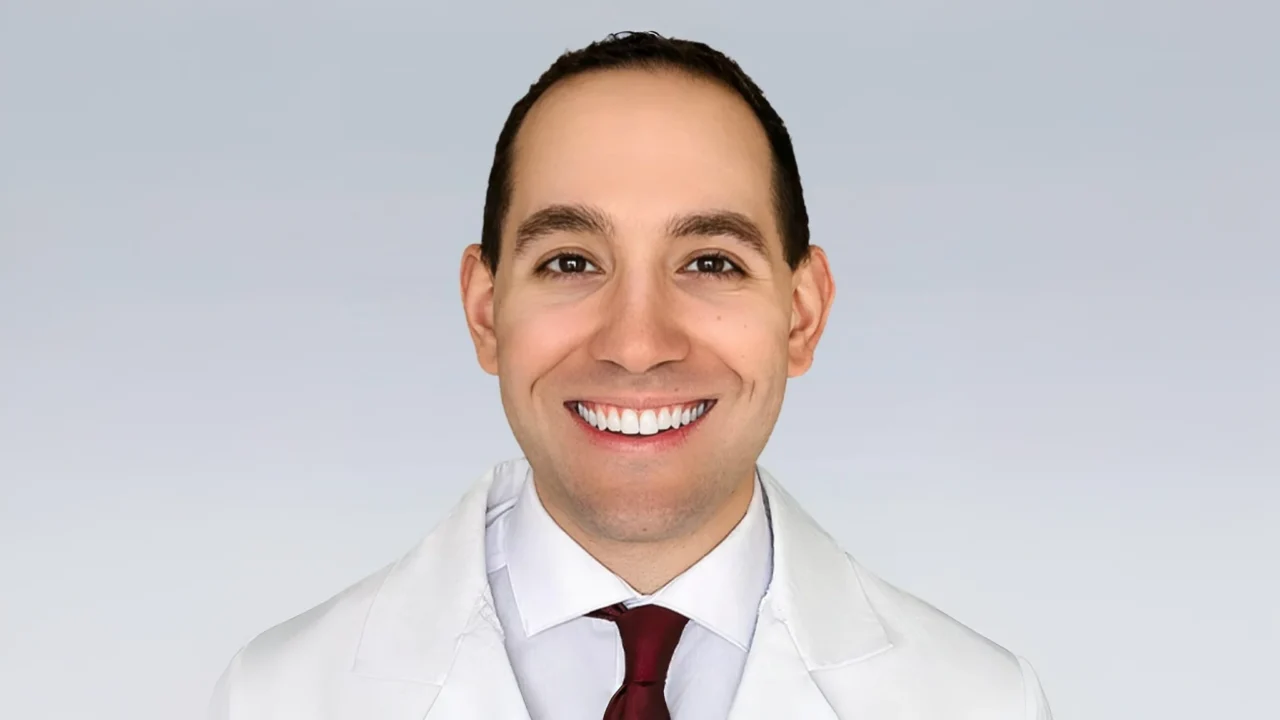
Ryan O’Keefe, Internal Medicine Resident at the Hospital of The University of Pennsylvania, Creator of Point of Care Medicine, shared a post on X:
“Daily Pearl(s):
High-Risk Myelodysplastic Syndrome (MDS) with U2AF1 Mutation.
The triad of unexplained systemic inflammation (high ESR/CRP), progressive cytopenias, and an opportunistic infection (such as candida esophagitis) should raise suspicion for an underlying hematologic malignancy like MDS.
In complex cases with multiple problems, systematically evaluate each one before attempting to unify them – pursuing a red herring as part of a systemic process can be dangerously misleading.
Bilateral adrenal hemorrhage is a medical emergency and can be a rare paraneoplastic manifestation of MDS, which creates a paradoxical state of thrombosis (from inflammation) and hemorrhage (from thrombocytopenia).
Clonal hematopoiesis (MDS, VEXAS syndrome) is an increasingly recognized cause of severe seronegative or atypical autoimmune and vasculitic syndromes, particularly in older adults.
When persistent, unexplained cytopenias and systemic illness remain after extensive infectious and rheumatologic workups, bone marrow biopsy with genetic testing can be a critical diagnostic step.
MDS impairs innate immune function, predisposing patients to opportunistic fungal infections even without classic risk factors like chemotherapy or high-dose steroids.
High-risk MDS is treated with hypomethylating agents (azacitidine) or, in eligible patients, allogeneic stem cell transplantation.
Spliceosome mutations (U2AF1, SF3B1, SRSF2) and UBA1 mutations (VEXAS) are key driver variants to know.
Source: April 11, 2026 Simplicity in Complexity VMR with Jeffrey and Kirtan – dyspnea and vision loss.”
Stay updated with Hemostasis Today.
-
Oct 2, 2026, 13:50Arnav Garcha: New Insights Into Platelet Transport in Arterial Flow
-
Oct 2, 2026, 13:49Alessandro Lucchesi: RiseMPN 2026 – Shaping the Future of MPN Treatment
-
Oct 2, 2026, 13:43Ronald Mahomane: Bangladesh Moves Toward Sustainable Hemophilia Treatment Access
-
Oct 2, 2026, 13:38Sathya-Prasad Burjonrappa: Pediatric Trauma and Deep Venous Thrombosis
-
Oct 2, 2026, 12:50Ravi C Dara: ADHAR 2026 – Red Cell Exchange in Sickle Cell Disease
-
Oct 2, 2026, 12:37David McIntosh: WeDonate Partners with Dr. Martens to Reward UK Blood Donors
-
Oct 2, 2026, 12:31Ahmed Salah El-Deen: HELLP Syndrome – An Obstetric Emergency
-
Oct 2, 2026, 12:28Swapnil Hiremath: Transitioning from Idiopathic Thrombocytopenia to Antiphospholipid Syndrome in Recurrent Severe Preeclampsia
-
Oct 2, 2026, 12:08Austin Camp: Learn How to Treat HIT from an ICU Pharmacist in 60 Seconds!