

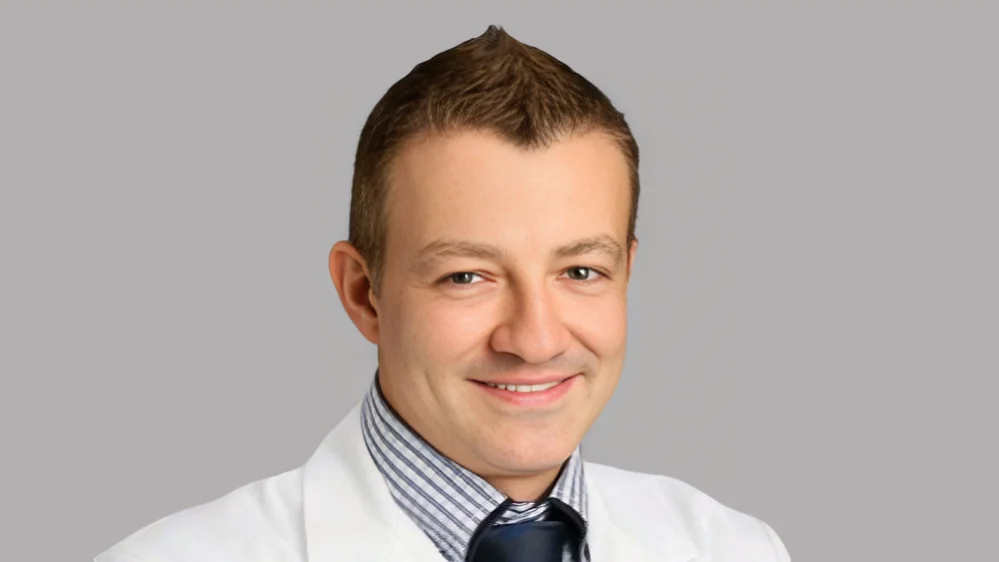
Mohammed Alo: Arteries And Veins Are Structurally Built For Different Jobs
Mohammed Alo, Fellow of the American College of Cardiology at American College of Cardiology, shared a post on LinkedIn:
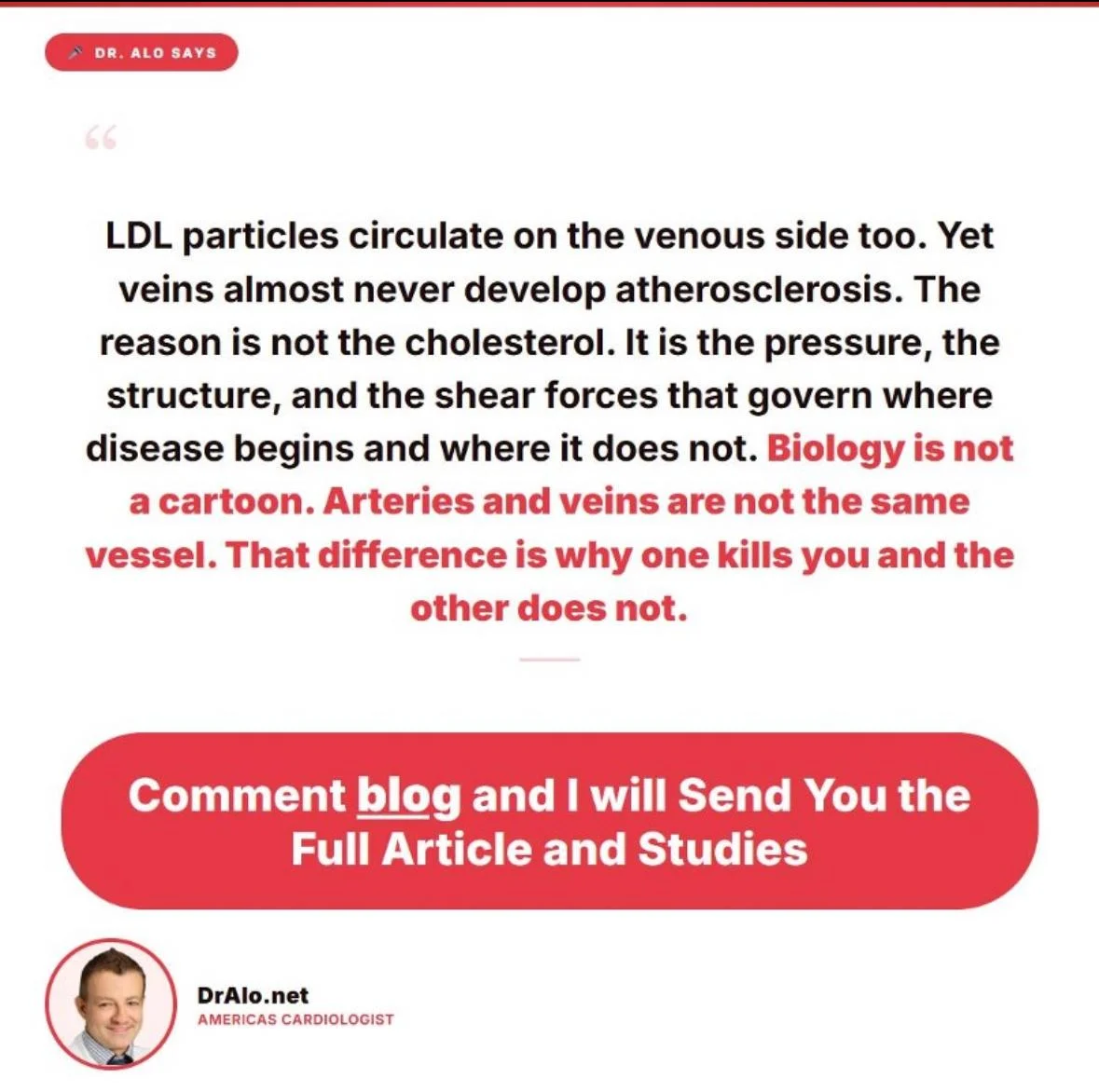
“Arteries get clogged. Veins almost never do.
That single fact contains the entire story of what causes heart disease.
And no, it is not just about cholesterol floating around in your blood.
I am a board-certified cardiologist.
I have spent over two decades watching patients survive heart attacks, strokes, and bypass surgeries. I have placed stents in arteries. I have watched surgeons harvest veins from legs to use as coronary bypass grafts. And every single time, the question should be asked.
Why did the artery fail?
Why did the vein survive?
Here is what the science actually says.
Arteries And Veins Are Structurally Built For Different Jobs
Arteries and veins are not the same tube carrying the same blood in different directions. They are fundamentally different structures built under fundamentally different conditions.
Arteries carry oxygenated blood away from the heart under high pressure. Every heartbeat sends a forceful wave of pressure slamming into arterial walls.
Arterial walls are thick. They contain multiple layers of smooth muscle. They are built to handle the stress of 60 to 100 pressure surges every minute, every hour, every day for a lifetime.
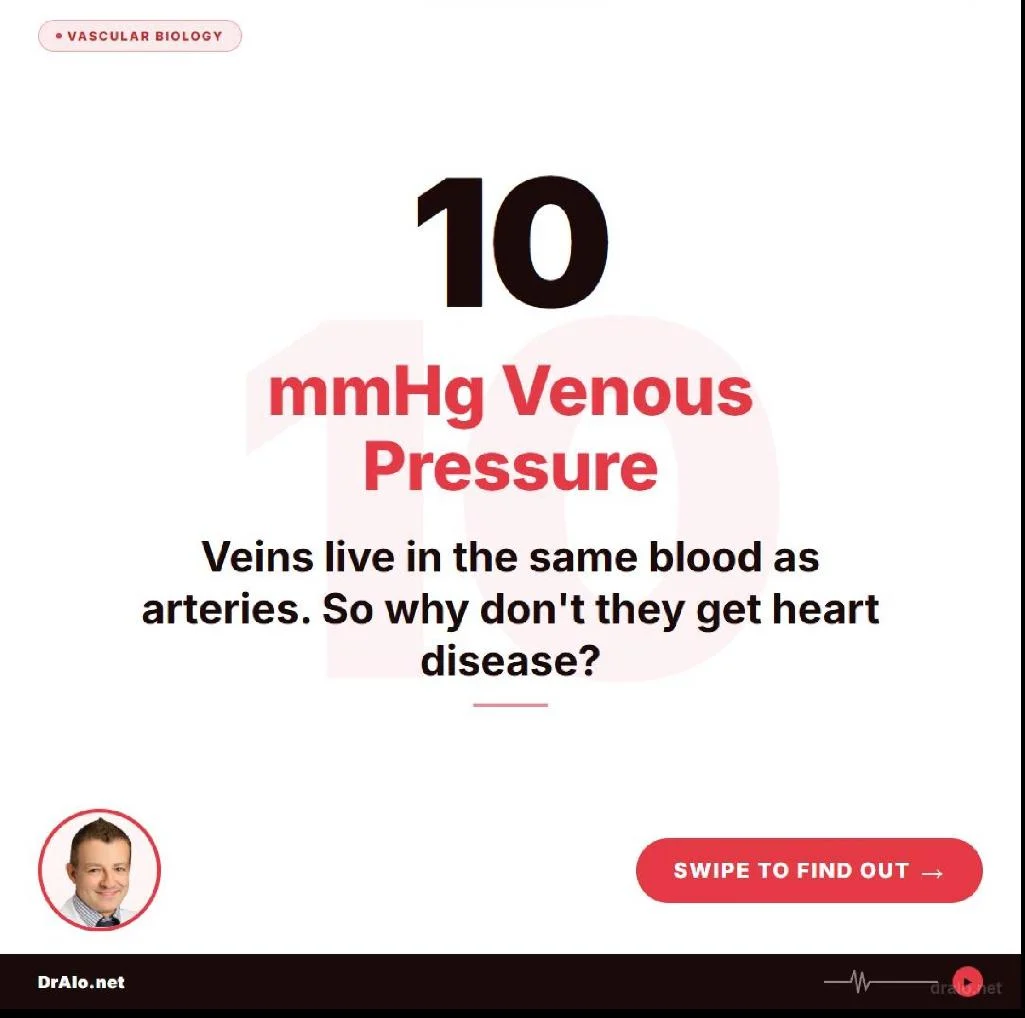
Veins carry deoxygenated blood back to the heart under low pressure. Venous pressure is roughly 10 to 15 mmHg. Arterial pressure is 80 to 120 mmHg.
That is not a small difference. That is a 6 to 12 times greater mechanical force constantly battering arterial walls.
The Pressure Difference Is The Trigger
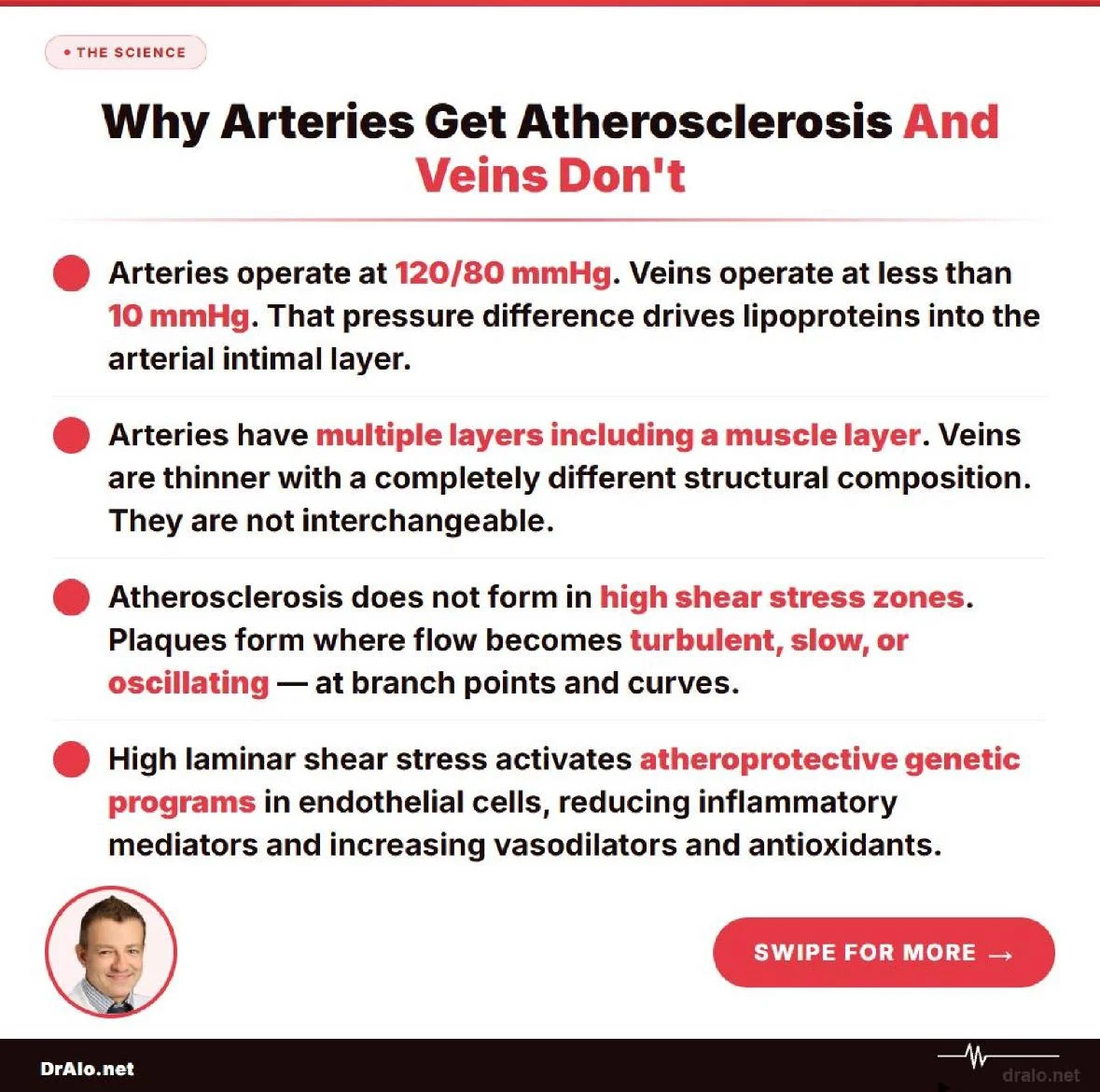
Atherosclerosis does not start with cholesterol. It starts with endothelial injury.
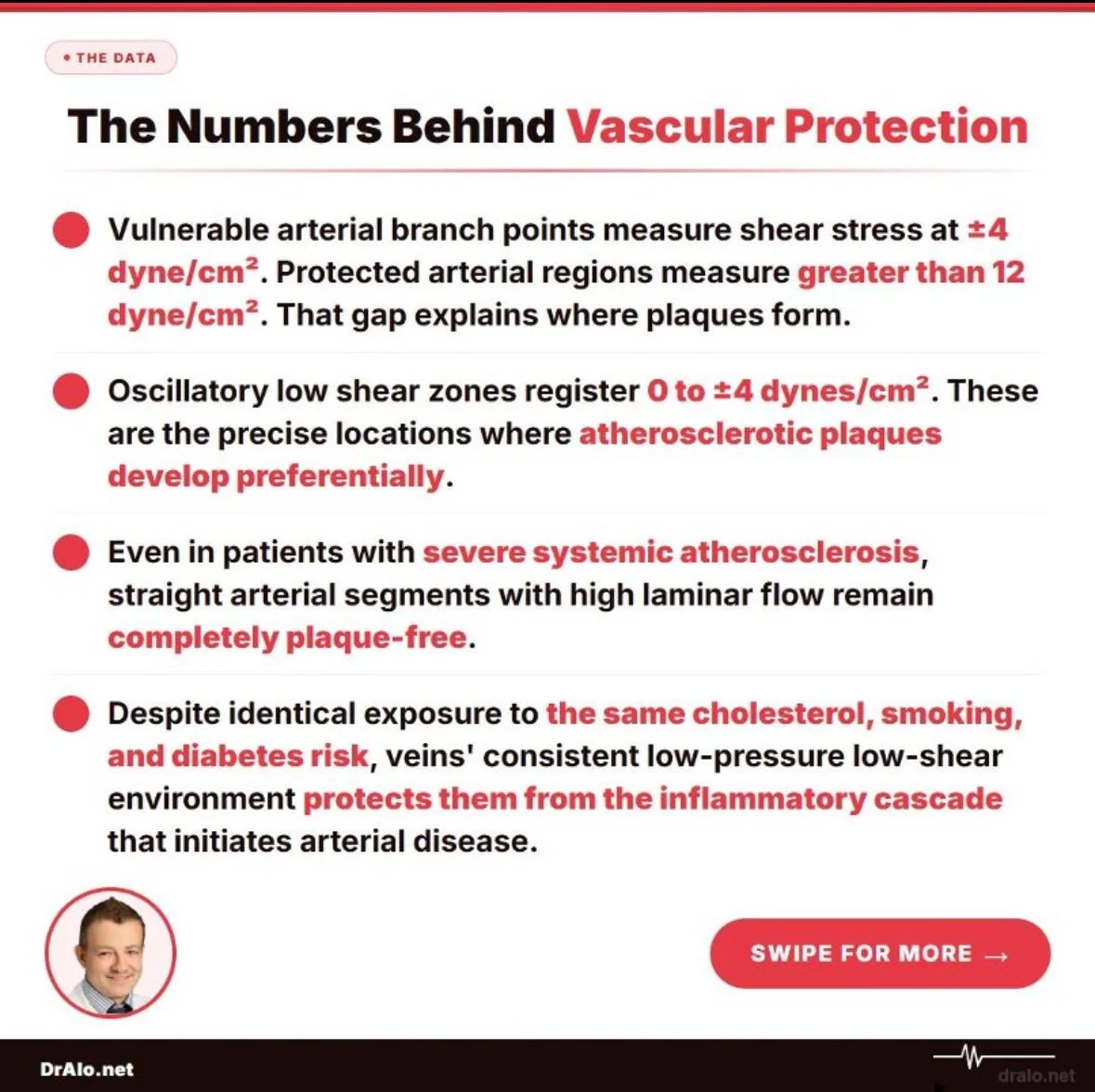
The endothelium is the single-cell lining inside every blood vessel. In arteries, that lining faces relentless mechanical shear stress from pulsatile high-pressure flow. That stress, especially at bends and branch points in arteries, activates inflammatory signaling, damages the endothelial layer, and creates entry points for LDL particles to embed in the arterial wall.”
Stay updated with Hemostasis Today.
-
Sep 20, 2026, 13:29Factor XI Deficiency and the Challenge of Unpredictable Bleeding – EHC
-
Sep 20, 2026, 13:18Cindy Howry: FDA Approves First Treatment for Ataxia-Telangiectasia
-
Sep 20, 2026, 13:08Mohammad Salar Amoli: When Routine Coagulation Tests Miss von Willebrand Disease
-
Sep 20, 2026, 12:55Stelios Andreadis։ Human Salivary Gland Organoids Offer New Potential for Regenerative Medicine
-
Sep 20, 2026, 12:43Obi Light Ogbonnia: The Power of Lived Experience in Sickle Cell Care
-
Sep 20, 2026, 12:34Sabrine Mekni: Advancing HSCT for Children With Fanconi Anemia
-
Sep 20, 2026, 12:11Giacomo Buso: Silent Atherosclerosis Begins Earlier Than Expected
-
Sep 20, 2026, 12:0310 Posts Not to Miss This Week
-
Sep 20, 2026, 11:27Edward Lee Carter: Prasugrel Dosing Matters in P2Y12 Inhibitor Comparisons After PCI